Introduction: From Napoleon’s Court to Global Icon #
In 1854, a trunk-maker named Louis Vuitton opened a workshop near the Place Vendôme after years spent packing luggage for Empress Eugénie’s household. He wasn’t chasing fashion. He was solving a logistics problem: the rounded-top trunks of the era shed water but stacked terribly, wasting cargo space on ships and trains that were reshaping how the wealthy traveled. Vuitton’s flat-topped, stackable trunks fixed that, and French aristocracy noticed.
That origin matters more than it looks. Louis Vuitton’s rise wasn’t a lucky break tied to one royal endorsement. It was the first move in a 170-year pattern: identify what elite consumers actually need, engineer a superior product, then control every variable around how it’s sold. That pattern is why LV now anchors the world’s largest luxury conglomerate, LVMH, and why its bags remain the most counterfeited leather goods on the planet. Understanding the strategy behind the brand is also the fastest way to understand what a real one is supposed to look, feel, and cost like, which is exactly where buyers get into trouble.
Redefining and Perpetuating Luxury Craftsmanship #
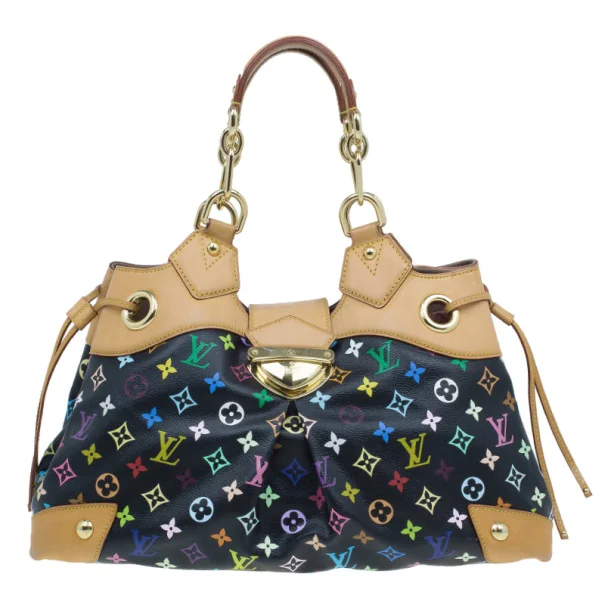
Louis Vuitton built its reputation on a narrow claim: Parisian-made goods, produced to a standard that couldn’t be replicated at scale. The brand kept its ateliers concentrated in France (with additional workshops in Spain and the US for select lines), which let it control tolerances that mass manufacturers can’t match, stitch density, edge painting, canvas coating consistency, and hardware plating thickness.
This is where the “craftsmanship” claim earns its keep or falls apart, depending on who’s evaluating it. LV’s canvas bags (Monogram, Damier) are coated fabric over a fiberboard or resin base, not full-grain leather goods, which actually makes them more durable and water-resistant than many higher-priced leather alternatives, a detail LV rarely advertises but that matters practically. The trade-off: canvas doesn’t patina the way vegetable-tanned leather does, so the “heritage” story is partly manufactured rather than purely artisanal. That’s a fair criticism, and it’s one competitors like Hermès use directly against LV, since Hermès leans on saddle-stitching and exotic leathers that genuinely can’t be industrialized the same way.
For buyers, the craftsmanship angle is also the authentication angle. Genuine LV canvas has a specific weight and a matte-to-slight-sheen finish; date codes are heat-stamped, not printed; and stitching on handles is uniform in a way that low-quality superfakes still struggle to replicate consistently. If you’re cross-shopping LV against other heritage houses, that consistency is precisely what you’re paying the premium for, and what counterfeiters chase hardest.
The Iconic Monogram and Signature Bag Designs #
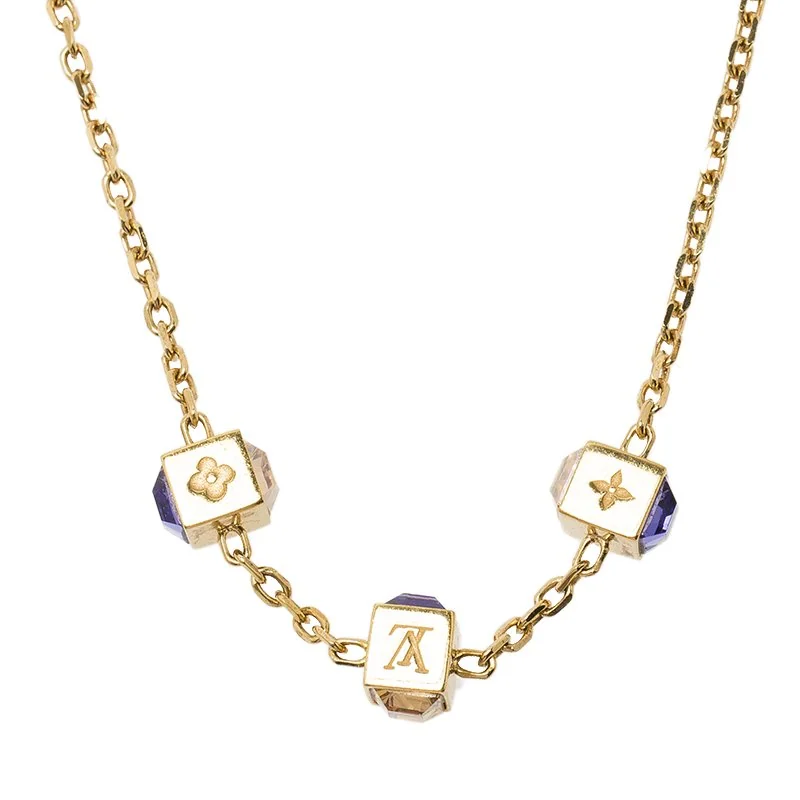
The [Monogram canvas](/authentication/how-to-spot-a-fake-louis-vuitton-bag/), designed in 1896 by Louis Vuitton’s son Georges, wasn’t decorative flourish. It was an anti-counterfeiting measure. Copies of Vuitton’s earlier striped canvas were already circulating in the 1890s, so the interlocking LV, quatrefoils, and flowers were engineered as a visual signature that was hard to fake with the printing technology of the era.
That original problem never went away, it just scaled up. The monogram remains one of the most recognizable commercial patterns in the world, which is exactly why it’s also the most counterfeited. Recognition is a double-edged asset: it drives desirability and resale liquidity (a Neverfull or Speedy holds value better than most no-name leather bags), but it also means LV has to fight harder than almost any brand to protect trademark integrity, spending heavily on legal enforcement and customs partnerships worldwide.
For buyers, this is the practical takeaway: iconic pattern recognition is not the same as authentication confidence. A monogram that “looks right” from three feet away tells you very little. What separates genuine pieces is pattern alignment across seams (LV cuts canvas so the pattern matches at the sides on true monogram pieces, something counterfeiters frequently get wrong), font weight on the LV lettering, and consistent color saturation. If you’re used to checking [[Hermès hardware](/brands/grace-kelly-hermes-kelly-bag-fashion-legacy/)](/authentication/authentic-vs-fake-hermes-kelly-bag-how-to-tell/) stamps or Kelly lock engravings for authenticity, the same discipline applies here, just with different tells.
Scarcity, Pricing Power, and Controlled Distribution #
Louis Vuitton has never run a discount sale, and it doesn’t wholesale through department stores or third-party retailers the way it did decades ago. Nearly all sales flow through directly operated boutiques and its own e-commerce site. That’s a deliberate structural choice, not a marketing slogan: it keeps LV in control of price, inventory, and presentation everywhere the brand appears.
This is measurable, not just anecdotal. LVMH doesn’t break out Louis Vuitton’s standalone financials publicly, but the brand sits inside LVMH’s Fashion & Leather Goods division, which generated roughly €42 billion in revenue in 2023, more than any other division in the group and larger than most competing luxury conglomerates in full. LV is widely estimated by industry analysts to be the single largest contributor to that division, likely the most valuable fashion brand in the world by revenue. Compare that to Hermès, whose entire group revenue was closer to €13.4 billion in 2023, still enormously profitable per unit sold because Hermès caps leather goods production intentionally (hence Kelly and Birkin waitlists), versus LV’s strategy of high volume plus tight price control. Gucci, under Kering, has taken the opposite hit recently, with revenue declining amid creative transitions and heavier historical reliance on logo-driven, broader-market products that eroded some exclusivity. Chanel keeps financials more private but has raised handbag prices aggressively (some classic flap prices roughly doubled over the past decade) to manage demand rather than expand output.
The lesson across all four houses: pricing power follows scarcity, and scarcity has to be manufactured deliberately, whether through production caps (Hermès), price hikes (Chanel), or refusing to discount at volume (Louis Vuitton). None of it is coincidental, and it’s why “the price never drops” is one of the few genuinely reliable soft signals buyers can use when sanity-checking a listing that looks too cheap to be real.
Marketing, Heritage Storytelling, and Cultural Status #
LV’s marketing budget goes toward narrative, not discounting. Campaigns built around travel, art collaborations (Jeff Koons, Yayoi Kusama, Takashi Murakami), and celebrity partnerships reinforce a single idea repeated since 1854: this brand travels with people who matter. That’s a deliberate continuity between the Napoleon III-era origin story and a 2024 runway show, and it’s rare for a brand to keep a single thesis coherent across 170 years.
Consumer psychology research on luxury purchasing generally identifies two overlapping drivers behind this kind of brand loyalty: signaling (status transfer to the owner) and self-congruity (the belief that owning the item reflects who you already are or aspire to be). LV’s storytelling deliberately targets both, positioning the brand less as “expensive” and more as “correct” for a certain kind of life. Compare that to Gucci’s maximalist, trend-driven storytelling under different creative directors, which drives faster hype cycles but weaker long-term resale stability, or Hermès’s near-total avoidance of celebrity seeding in favor of scarcity and craft mythology, which produces the opposite effect: less visibility, higher perceived exclusivity.
The honest downside: heavy visibility has diluted LV’s exclusivity in certain product tiers. Entry-level canvas accessories are common enough that some luxury consumers now treat them as a “starter” luxury item rather than aspirational, which is part of why LV has pushed harder into leather-forward, higher-ticket bags (Capucines, leather Twist) in the past decade, and part of why the brand keeps raising entry prices to widen the gap again.
Why Authenticity Matters When Buying Louis Vuitton #
Every advantage above, recognizability, scarcity, pricing discipline, cultural cachet, is also a reason LV sits at the top of global counterfeit seizure statistics. High demand plus a globally recognized pattern makes it one of the easiest brands to fake convincingly at a glance, and one of the hardest to fake convincingly under scrutiny.
Buyers coming from the Hermès world already know the discipline this requires: check date codes against known factory/year formats (LV moved from all-numeric codes to a mixed letter-number format decades ago, and codes should match the plausible production era of the style); inspect hardware for correct weight, engraving depth, and plating (LV zippers are typically stamped with the brand name and should turn smoothly without wobble); and verify stitching count and spacing against a confirmed authentic reference, since machine stitching on genuine LV is remarkably consistent, which counterfeiters replicate poorly at scale despite improving each year.
The financial angle matters here too. Because LV doesn’t discount, a “deal” price on a boutique-style bag is itself a red flag rather than a bargain. If you’re paying anywhere close to retail on the resale market, you should expect (and request) full authentication documentation, receipts, or a third-party verification service, the same standard collectors apply to a Kelly or Birkin before wiring funds.
The Scarcity Strategy: Why Louis Vuitton Limits Supply #
LV doesn’t limit supply the way Hermès does, with multi-year waitlists on flagship bags. Its scarcity is engineered differently, through mechanisms that are less visible but just as deliberate.
First, distribution control: no wholesale, no off-price channels, no outlet stores for current collections. This keeps supply artificially tighter than raw production numbers would suggest, because product only exists where LV wants it to exist.
Second, tiered releases: limited-edition collaborations and capsule collections (the Murakami cherry blossom Monogram, Supreme collaboration, Kusama dot editions) are produced in fixed runs and never restocked, creating genuine aftermarket scarcity independent of the core catalog. These lines routinely resell above retail specifically because LV committed to not remaking them.
Third, manufacturing discipline: LV’s leather goods, particularly the higher-tier Capucines and exotic-skin pieces, go through the same ateliers producing ready-to-wear and travel goods, and the brand deliberately caps output of exotic leather items due to sourcing constraints on python, crocodile, and alligator skins, similar to how Hermès manages exotics for the Birkin and Kelly, just at a different scale and with less public messaging around it.
The strategic point competitors and analysts consistently make: scarcity that’s purely artificial (limiting sales without limiting demand) erodes trust over time if customers sense manipulation. LV’s version works because it’s paired with genuine production constraints (skilled artisan hours, verified exotic leather sourcing, sustainability-driven material caps) rather than pure marketing theater. Sustainability initiatives, LVMH’s leather traceability program and reduced exotic-skin sourcing from unverified suppliers, reinforce this by giving the scarcity a defensible, non-cynical explanation, which matters increasingly to younger luxury buyers who research supply chains before purchasing.
FAQ: Common Questions About Louis Vuitton’s Success #
Why is Louis Vuitton so successful compared to other luxury brands? LV combines vertically controlled manufacturing, a globally recognized visual trademark, and strict no-discount distribution, three levers most competitors only partially control. Hermès matches it on craft exclusivity but at far lower volume; Chanel matches it on pricing discipline but with less product diversification; Gucci has historically prioritized trend velocity over long-term scarcity, which shows up in more volatile revenue.
Does Louis Vuitton ever go on sale? No. LV does not hold seasonal discount sales or clearance events through its own boutiques or website. Discounted “LV” listings on third-party sites are a strong authentication red flag.
Is Louis Vuitton actually handmade? Core construction happens in ateliers with skilled artisans, but canvas goods use industrial coating and cutting processes that allow higher volume than fully hand-stitched leather houses like Hermès. Leather-forward pieces (Capucines, certain exotics) involve more hands-on artisanal work.
How can I tell if a Louis Vuitton bag is fake? Check the date code format against the style’s known production era, examine stitching for consistent spacing and depth, verify hardware weight and engraving quality, and confirm monogram pattern alignment at seams. When in doubt, use a professional authentication service before purchasing on the resale market.
Why does Louis Vuitton keep raising prices? Price increases (typically annual) offset rising material and labor costs but also function as demand management, similar to Chanel’s strategy, keeping the brand positioned above mass-market competitors while volume remains high relative to true ultra-luxury houses like Hermès.
Related Articles #
- 7 Iconic Louis Vuitton Bag Styles Every Buyer Should Know
- Why the Chanel Crossbody Bag Never Goes Out of Style
- Popular Handbag Brands: Which One Is Right for You?
- Louis Vuitton Crocodile Lockit PM: Rare Bag Buying Guide
- How Pre-Owned Luxury Fashion Is Reshaping the Industry
Related guides
- Online Bag Authentication: What Photos Can and Cannot Prove
- How to Spot a Fake Designer Bag: Authentication Guide
- So Kate Pumps Authentication Guide: Spot Real vs Fake
- Blue Crocodile Lady Dior Tote: Buying Guide
- How to Buy an Authentic Luxury Bag from China Safely
- New vs Pre-Owned Luxury Bags: Which Route Is Right for You?
- Chanel Bag Guide: What to Know Before You Buy
- Luxury Bag Houses

Keyword index