Introduction #
Every wardrobe has at least one piece that earns its keep for years: a leather tote that’s been to a dozen cities, a pair of driving loafers that only get better with age, a wallet that’s outlasted three phones. Leather is one of the few materials in fashion that’s genuinely built to last — but only if you treat it like the living material it is, not like nylon or coated canvas.
I’ve handled hundreds of [[pre-owned designer bags](/buying-guides/replica-vs-pre-owned-bags/)](/buying-guides/replica-vs-pre-owned-bags-smarter-buy/) over the years, and the difference between a Birkin that resells for near-retail and one that’s been marked down for condition almost always comes down to care, not age. Buyers pay close attention to corners, handles, and grain texture. A ten-year-old bag that’s been conditioned and stored properly can look better than a two-year-old one that’s been left in a car trunk.
Learning how to take care of leather isn’t complicated, but it does require knowing what you’re actually working with. A conditioner that’s perfect for a smooth calfskin Chanel flap can ruin a suede lining or dull a patent finish. This guide breaks down the leather types you’re most likely to own, the daily habits that actually protect your investment, the mistakes that quietly shorten a bag’s lifespan, and where to draw the line between a home fix and a professional one.
Know Your Leather: Types Used in Luxury Fashion #
Before you can care for leather correctly, you need to know which kind you’re holding. Brands rarely spell this out on a care card, and the terminology gets thrown around loosely in resale listings, so here’s what actually matters.
Vegetable-tanned leather is treated with natural tannins from tree bark and plant matter rather than chemicals. It has a warm, slightly matte look and ages into a rich patina over time, which is part of its appeal. The tradeoff is that it’s porous and reactive: water spots, sun exposure, and even the oils on your hands will change its color faster than other leathers. Stella McCartney has leaned on vegetable-tanned and vegan alternatives extensively, partly because the tanning process is more environmentally friendly than chrome tanning.
Chrome-tanned leather uses chromium salts, which is what gives it that faint cool or metallic undertone and makes it noticeably more water- and stain-resistant. It’s why Salvatore Ferragamo’s leather shoes hold up so well against daily wear, and it’s the process behind many of Chanel’s metallic and lambskin bags. If you want lower-maintenance leather, this is generally it — though “lower-maintenance” doesn’t mean “no maintenance.”
Full-grain leather uses the entire top layer of the hide, including its natural imperfections and grain pattern. Nothing is sanded or buffed away, which is exactly why it’s considered the top tier of leather quality — it’s stronger, develops a better patina, and shows the hide’s true character. Prada’s leather goods are a good reference point for this: you’ll notice subtle grain variation from bag to bag, which is a sign of authenticity, not inconsistency.
Top-grain leather is the layer just below full-grain, sanded and buffed for a smoother, more uniform finish. It’s more common in mass-market goods, but it also appears in luxury pieces where a cleaner, more uniform surface is the design goal. It’s thinner than full-grain and slightly less durable, though still a solid, workable leather.
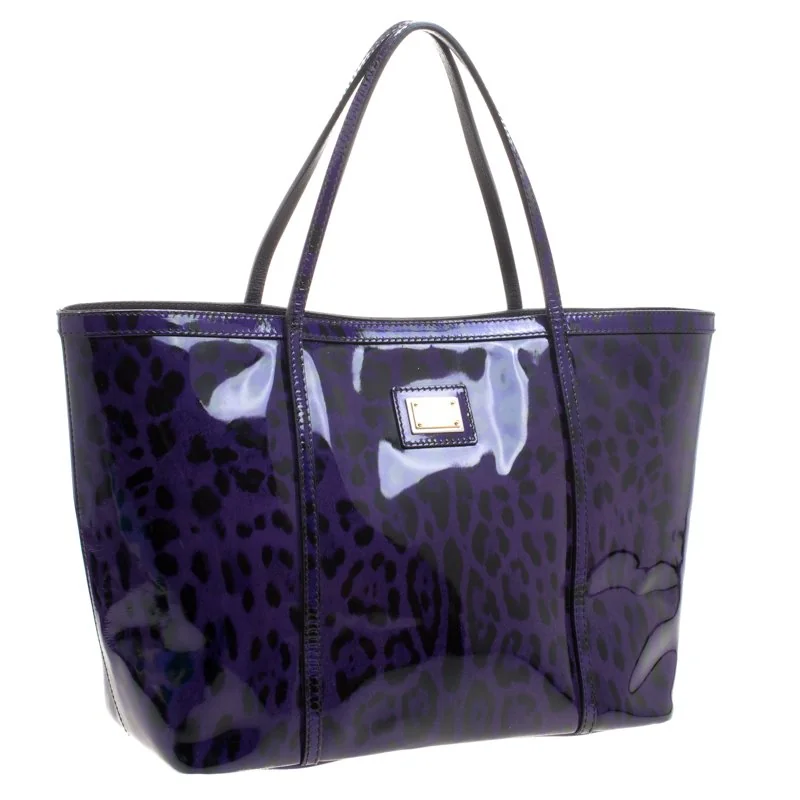
Patent leather gets its glossy, almost lacquered finish from a coating of resin or polyurethane applied over the hide. It photographs beautifully and resists water well, but that coating is also its weak point — it can crack at fold lines and doesn’t breathe. The Dolce & Gabbana Purple Leopard Print Patent Leather Miss Escape Tote is a good example of how far the finish can be pushed decoratively, but pieces like this need a specific care approach, which I’ll get into below.
�LINK0� Dolce & Gabbana Purple Leopard Print Patent Leather Miss Escape Tote
Exotic skins come from non-cattle sources — crocodile, alligator, lizard, ostrich, python. Hermès has built much of its investment-grade reputation on exotics, and a piece like the Hermès Brown/Orange Niloticus Crocodile Palladium Hardware Birkin 30 commands a serious premium precisely because the skin is rarer, harder to work with, and requires specialized care to preserve its value.
A buying note worth remembering: when you’re evaluating a leather piece before purchase, run your hand across the surface. Full-grain and vegetable-tanned leathers should feel slightly variable, even a little soft or waxy in spots — total uniformity can be a sign of heavy coating or a lower grade of hide. Check stitching at stress points, smell the leather (a strong chemical smell over the natural leather scent can indicate synthetic coating), and ask the seller directly which tanning and finishing process was used. This matters as much for resale value later as it does for how the item performs day to day.
Daily Do’s: Best Practices for Everyday Leather Care #
- Condition every 3 to 6 months. A good leather conditioner replenishes the natural oils that keep fibers flexible. How often depends on your climate — dry climates need it more frequently, humid ones less so. Skipping this is the single biggest reason leather cracks prematurely.
- Always patch-test first. Apply any new product to an inconspicuous spot and wait 24 hours. Conditioners and oils often darken leather slightly as they’re absorbed; you want to see the final, dry result before committing to the whole piece.
- Choose neutral or colorless products unless you’re intentionally trying to deepen the leather’s tone. Tinted conditioners can shift the hue of a light-colored bag in ways that are hard to undo.
- Wipe down after each use. A soft, dry microfiber cloth removes surface dust and body oils before they build up. This is the easiest habit to keep and the one people skip most.
- Clean spills and dirt immediately, not later. A barely damp cloth with a little warm water, light pressure, and patience will lift most surface dirt. Never scrub.
- Keep leather away from sharp and metallic objects. Scratches and gouges in leather aren’t reversible the way scuffs are — a scratch is a cut in the fiber structure, not just a surface mark.
- Limit direct sun and heat exposure. UV light dries out leather and fades dye; heat can cause the surface to stiffen or, in worse cases, bubble. Don’t leave bags on car seats or near radiators.
- Let leather breathe. If a piece sits unused for weeks, take it out occasionally. Leather trapped in an airless space for too long is more prone to mildew, especially in humid climates.
Don’ts: Common Leather Care Mistakes to Avoid #
- Don’t reach for household cleaners, baby wipes, or alcohol-based products. They strip natural oils and can leave the surface dry, discolored, or tacky. Stick to products actually formulated for leather.
- Don’t let leather get soaked. If it happens anyway, blot — don’t rub — with a dry cloth and let it air dry naturally, even if that takes a couple of days. Water lifts the oils and waxes that keep leather supple, and repeated exposure accelerates cracking.
- Don’t use direct heat to speed up drying. A hair dryer or radiator will make water damage worse, causing the leather to shrink, warp, or stiffen unevenly.
- Don’t store leather in sealed plastic bags. Leather needs airflow. Plastic traps moisture and can cause mold, mildew, and that musty smell that’s notoriously hard to remove afterward.
- Don’t ignore a small stain hoping it’ll fade. Most leather stains get harder to treat the longer they sit, especially oil-based ones like makeup or hand cream.
- Don’t skip the patch test out of impatience. I’ve seen well-meaning owners apply a conditioner straight onto a bag’s front panel, only to end up with a visibly darker patch they can’t blend out.
- Don’t assume all leather cleaners are interchangeable. A product safe for full-grain calfskin can be too harsh for patent finishes or suede. Match the product to the leather type.
Caring for Special Leathers: Patent, Suede and Exotic Skins #
Patent leather needs almost no conditioning — its resin coating isn’t porous the way natural leather is. Wipe it with a soft, slightly damp cloth and dry immediately; avoid alcohol, acetone, or ammonia-based cleaners, which can dull or crack the coating. Watch fold lines and hinge points (like where a flap meets the body of a bag) for early cracking, since that coating doesn’t flex indefinitely.
Suede, found as an exterior finish and as the interior lining of most [designer handbags](/brands/top-tory-burch-handbags/), is unforgiving with water and pressure. Use only a suede-specific brush, going in one direction to lift the nap rather than flatten it. A suede protector spray applied before first use helps repel light moisture, but it’s not a substitute for keeping suede away from rain. Once suede is stained or matted, home fixes are limited — this is one of the leathers I most often tell people to send straight to a specialist rather than experiment on themselves.
Exotic skins — crocodile, alligator, lizard, ostrich — are structurally different from cattle leather and shouldn’t be treated with the same products. The scales or texture can lift, dry out, or discolor if the wrong conditioner is used. These skins genuinely benefit from professional conditioning by someone who works with exotics specifically, particularly for high-value pieces like a Birkin or Kelly, where even minor missteps can affect resale value. If you own an exotic piece, this is one area where I’d skip the DIY route almost entirely and budget for professional maintenance instead.
Storage and Long-Term Preservation Tips #
- Use the original dust bag, always. It protects against dust, light scratching, and light exposure without trapping moisture the way plastic does.
- Stuff bags to hold their shape, using acid-free tissue paper or dedicated bag pillows. Skip newspaper — the ink can transfer onto lighter leathers.
- Store in a cool, dry space away from direct sunlight and away from radiators or heating vents. Closets that share a wall with the outdoors or sit above garages tend to run more humid than people realize.
- Aim for moderate humidity, roughly 40–55%. Too dry and leather becomes brittle; too humid and you risk mold, especially inside bags that are stored closed for long periods.
- Add silica gel packets to storage boxes or closets in humid climates, and check them periodically.
- Avoid stacking heavy items on top of bags. Structured bags in particular can lose their shape permanently under sustained weight.
- Rotate what you use. A bag that’s never opened and never touched can develop mustiness or the lining can degrade unnoticed. Occasional use, followed by a wipe-down, is healthier than permanent storage.
These habits matter more than people expect if resale value is part of your reasoning for buying quality leather in the first place. Buyers and appraisers notice corner wear, handle darkening, and interior odor before almost anything else.
When to Call in the Professionals #
There’s a real limit to what conditioning and a soft cloth can fix, and pretending otherwise usually makes things worse. Bring a piece to a professional leather cleaner or restorer if you’re dealing with:
- Deep or set-in stains — ink, oil-based makeup, or dye transfer from denim that hasn’t responded to gentle home cleaning.
- Mold or mildew, which needs proper treatment rather than just wiping, or it tends to return.
- Cracking, peeling, or flaking finish, especially on patent or heavily coated leathers — this usually means the surface layer is failing and needs specialist repair, not conditioning.
- Color loss or uneven fading that a home conditioner can’t restore evenly.
- Structural issues — sagging handles, loose stitching, hardware pulling away from the leather.
- Exotic skin damage of any kind. These skins require specific tools and products that most home care kits simply don’t include.
A good leather specialist (not a general dry cleaner) can often restore a piece that looks like a lost cause. It’s worth weighing the repair cost against the item’s resale or sentimental value before committing, but for anything from Chanel, Hermès, or similar tiers, professional restoration is frequently still worth it. I’d rather see someone spend on a proper cleaning than attempt a DIY fix on a five-figure bag and learn the hard way what patent leather does when you use the wrong solvent on it.
FAQs #
How often should I condition a leather bag? Every 3 to 6 months for most leathers, more often in dry climates and less in humid ones. Watch the leather itself — if it starts to feel dry or stiff, that’s your cue regardless of the calendar.
Can I use olive oil or coconut oil on my leather bag? No. Kitchen oils aren’t formulated for leather, can go rancid, attract dirt, and often darken the leather unevenly and permanently. Stick to conditioners made specifically for leather goods.
What’s the safest way to clean a leather bag at home? A soft, barely damp cloth with light pressure handles most surface dirt. For anything beyond light dust or a fresh, non-oily spill, it’s safer to consult a professional than risk spreading or setting the stain.
Does proper leather care actually affect resale value? Yes, significantly. Corners, handles, and overall suppleness are among the first things buyers and resale platforms assess. A well-conditioned, properly stored bag can sell for noticeably more than an identical one that’s been neglected.
Is patent leather easier to maintain than smooth calfskin? In some ways yes — it resists water and stains better — but it’s more prone to cracking at flex points and needs different cleaning products entirely. “Easier” isn’t the same as “lower risk.”
Can water stains be removed from leather at home? Sometimes, with a very light, even application of moisture followed by slow air drying, but results are inconsistent and depend on the leather type. Deep or dark water rings, especially on vegetable-tanned leather, often need professional attention.
How should I store a bag I’m not using for months? Dust bag, acid-free stuffing to hold shape, cool and dry location, moderate humidity, and no stacking. Check on it every few weeks rather than leaving it sealed away indefinitely.
Related Articles #
- Hermès Leathers Guide: Togo, Epsom, Exotic Skins Explained
- Exotic Leather Handbags: The Complete Buying Guide
- Best It Bags to Buy This Year: A Definitive Guide
- How Pre-Owned Luxury Fashion Is Reshaping the Industry
- Exotic Skin Handbags: What You’re Really Paying For


Keyword index