Introduction#

Few materials in fashion carry the weight—literally and figuratively—of exotic leather. A quick scroll through the archives of Hermès, Dior, or Chanel makes it obvious: when a house wants to signal rarity, it reaches for alligator, crocodile, or python rather than calfskin. For collectors and first-time buyers alike, exotic leather handbags represent one of the most confusing corners of luxury shopping. The terminology overlaps, the pricing swings wildly between species, and telling a genuine skin from a well-done embossed leather takes a trained eye.
This guide breaks down what actually separates one exotic skin from another, how to spot authenticity red flags, and whether a precious-skin bag deserves a spot in your closet or your investment portfolio.
Product Overview#
“Exotic leather handbags” is really an umbrella term covering two distinct categories that the industry often uses interchangeably, incorrectly.
True exotic skins come from reptiles: alligator, crocodile, and caiman. These are regulated, CITES-tracked materials, and they command the highest prices in the leather goods world.
Precious skins is the broader, slightly looser category that includes python, ostrich, stingray (shagreen), and shark. They’re rarer than calfskin or lambskin, but generally more accessible in price than true exotics.
Major houses including Hermès, Dior, Chanel, and Celine reserve their most exclusive bag designs—often limited production runs—for these materials. Brands like Burberry, Chloé, Fendi, and Jimmy Choo have also built python and crocodile capsule pieces into their collections, which has helped make exotic leather ownership less exclusive to old-money clientele and more attainable through the resale and pre-owned market.
Design#
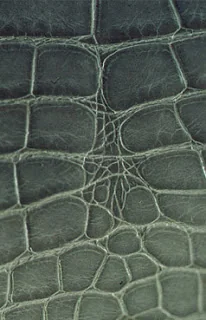
What makes exotic skins so design-friendly is the natural pattern already built into the material. A designer working with alligator or crocodile isn’t adding texture through embossing or stitching—the scute pattern is already there, doing the visual work.
Alligator scales are arranged in a more uniform, symmetrical grid, and the skin carries a visible “umbilical scar” running down the center of the belly cut—this is one of the clearest tells of a genuine piece. Alligator is often described as the “Rolls-Royce of exotics” partly because its cleaner, more consistent scale pattern makes it easier to match across panels of a single bag, which is a meaningful cost driver in production.
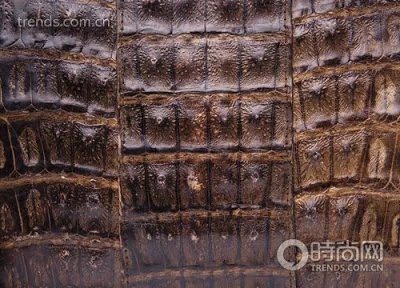
Crocodile tiles are more elongated and oval in shape compared to alligator’s boxier scales, and crocodile skin typically shows small pore markings (follicles) within each scale that alligator lacks. Side by side, most people can’t tell them apart without handling the piece—flexibility and sheen are nearly identical.
Caiman, a smaller relative from South and Central America, has a bumpier, more irregular scale pattern with visible bony deposits (osteoderms) that alligator and crocodile don’t have. It’s the most visually “textured” of the three and the easiest to identify once you know what to look for.
Python skin has the most graphic, painterly appearance of any leather used in bags—diamond-shaped scales that shift in size across the hide, which is why python bags rarely look identical even within the same colorway. Genuine python scales curl and fray slightly at the edges over time, developing a lived-in character that embossed cowhide never replicates.
Ostrich is instantly recognizable by its quill follicle pattern—raised bumps left where feathers once grew, scattered irregularly across the hide with no repeating pattern. No two ostrich panels look the same, which designers often lean into rather than disguise.
Materials#
Beyond appearance, material quality is where the real price differences show up.
Alligator and crocodile sit at the top of the pricing hierarchy because the hides are smaller, farming and tanning are heavily regulated, and the yield of unblemished, bag-worthy skin per animal is low. A single Birkin-style bag can require an entire premium hide, with minimal panel matching to keep the pattern uniform.
Caiman is the budget entry point into reptile leather—same general leather family, noticeably thinner and less durable material, and a fraction of the price. It’s a reasonable way to own “crocodile-adjacent” leather without the investment-piece price tag, though it won’t hold up to decades of daily use the way true crocodile does.
Ostrich leather is unusually strong and pliable for how soft it feels, which is why it wears well as a daily bag material despite being a precious skin. It resists cracking better than most smooth leathers.
Python is the most affordable and most colorway-flexible of the precious skins, since it dyes and tans more evenly than reptile skins with thicker scales. This is exactly why you see python in seasonal, trend-driven bag colors far more often than crocodile, which is usually kept in classic neutrals to protect the investment value of the material.
Shagreen (stingray) and shark leather are the least common in handbags today, largely because their pebbled, glassy texture is harder to work into soft-structure bags and better suited to hard accessories, small leather goods, and furniture.
How to spot embossed leather posing as the real thing: genuine exotic and precious skins have scale boundaries that follow the natural curve of the hide and vary slightly in size and shape. Embossed leather has a pattern stamped into cowhide, so the scales repeat in a mechanical, too-perfect rhythm. Run a finger across a python bag—real skin has scales that lift slightly at the edge; embossed leather is flat all the way through.
Pros and Cons#
Advantages:
- Exceptional durability. Alligator, crocodile, and ostrich in particular can outlast decades of regular use when properly conditioned.
- Instant visual impact. No other material reads as “luxury” as immediately as a well-made crocodile or alligator bag.
- Investment potential. Hermès crocodile and alligator Birkins and Kellys routinely appreciate in resale value, sometimes outperforming stock market returns over a decade.
- Versatility of pattern. Python and ostrich work in both minimal, structured bags and bold statement pieces, so they suit a wide range of personal styles.
- Rarity. Limited production runs mean you’re unlikely to see the exact same bag on someone else.
Disadvantages:
- High price barrier. Entry-level crocodile or alligator bags from major houses routinely start well into five figures.
- Maintenance sensitivity. Exotic skins are more prone to drying, cracking, or discoloration if exposed to heat, sunlight, or moisture without proper care.
- Ethical and regulatory considerations. CITES documentation is required for international travel and resale with true exotics, and some travelers face customs restrictions.
- Authentication risk. The resale market has a real problem with embossed leather misrepresented as genuine skin, so buying secondhand requires either expertise or a trusted authentication service.
- Weight. Genuine crocodile and alligator bags tend to be noticeably heavier than their calfskin counterparts, which matters for everyday carry.
Who Should Buy#
Exotic and precious skin bags make the most sense for buyers who already have a strong core wardrobe of calfskin or lambskin bags and are looking for a piece that functions as both a style statement and a long-term asset. If you’re buying your first-ever luxury handbag, an alligator Birkin probably isn’t the practical starting point—the price and care requirements are demanding for a first purchase.
Python and ostrich are a smarter entry into exotic leather for buyers who want the texture and rarity without the crocodile-level price tag or the same level of upkeep anxiety. They’re also more forgiving for anyone who plans to carry the bag daily rather than treat it as an occasion piece.
True crocodile and alligator suit buyers focused on resale value retention, collectors building out a reference wardrobe of iconic house styles, or anyone who wants one true “forever bag” and is prepared to budget for professional cleaning and conditioning.
Alternatives#
If the price or maintenance of true exotics feels like too much of a commitment, there are reasonable alternatives worth considering:
- High-quality embossed leather (croc-embossed or python-embossed calfskin) delivers a similar visual texture at a fraction of the cost and with far less maintenance, though it won’t carry the same resale value or longevity.
- Caiman leather offers a genuine reptile-skin feel and appearance at a noticeably lower price point than alligator or crocodile, making it a reasonable middle ground.
- Ostrich leg leather, a lesser-known cut from the same bird, has a bolder, more textured quill pattern and tends to be priced below full ostrich panel leather.
- Vegetable-tanned exotic leather alternatives from smaller ateliers are emerging for buyers prioritizing more transparent sourcing, though selection is still limited compared to major houses.
FAQ#
How can I tell real python skin from embossed leather? Look at the scale edges. Genuine python scales are slightly raised and will curl or fray a bit with wear, giving the bag texture you can feel with a fingertip. Embossed leather has a flat, stamped pattern that repeats too evenly and doesn’t develop that same texture over time.
What’s the actual difference between alligator and crocodile leather bags? Alligator has a more uniform, boxier scale pattern and a visible umbilical scar down the center of the hide; crocodile has more oval-shaped scales with small pore markings within each one. Alligator is generally priced slightly higher due to more consistent, matchable panels, but overall quality between the two is comparable.
Why are exotic skin handbags so expensive? Cost comes from a combination of factors: regulated, low-yield sourcing, labor-intensive tanning processes, the skill required to cut and match panels without wasting hide, and the sheer rarity of unblemished skins large enough for a full bag.
Which luxury brands use exotic and precious skins? Hermès, Chanel, Dior, and Celine are known for limited-edition exotic skin releases, while Burberry, Chloé, Fendi, and Jimmy Choo have incorporated python and crocodile into more accessible seasonal collections.
Is ostrich leather a good everyday material? Yes. Ostrich is one of the more durable and flexible precious skins, and its irregular quill pattern hides minor scuffs better than smoother exotic leathers, making it a practical choice for daily use.
Final Thoughts#
Exotic and precious skin handbags aren’t just a pricier version of a regular leather bag—they’re a genuinely different material category with their own sourcing constraints, care requirements, and resale logic. Alligator and crocodile sit at the top for buyers prioritizing longevity and investment value, caiman offers a budget-conscious way into reptile leather, and python or ostrich give you rarity and texture without the steepest price tag.
Before buying, especially secondhand, get comfortable identifying the scale patterns and hide characteristics unique to each skin type—it’s the difference between owning a genuine piece of exotic leather craftsmanship and paying exotic prices for embossed calfskin.
Related Articles#
- Authentic vs Fake Hermès Kelly Bag: How to Tell
- Y2K Fashion 2026: 15 Iconic Pre-Owned Luxury Looks
- YSL Tribute Sandals: Style Guide & Buying Tips
- How to Spot a Fake Louis Vuitton Bag: 11 Expert Tips
Related guides
- Online Bag Authentication: What Photos Can and Cannot Prove
- Fake Goyard Bag Guide: How to Spot Real vs Fake (2026)
- How to Spot a Fake Chanel Flap Bag: Authentication Guide
- How to Spot a Fake Hermès Birkin: Expert Checklist
- How to Buy an Authentic Luxury Bag from China Safely
- New vs Pre-Owned Luxury Bags: Which Route Is Right for You?
- Chanel Bag Guide: What to Know Before You Buy
- Luxury Bag Houses


Keyword index