Introduction: Why Pre-Loved Hermès Kelly Bags Are Having a Moment #
Walk into any consignment boutique or scroll a reputable resale platform right now, and you’ll notice the same thing: Kelly bags aren’t sitting around. A bag that Grace Kelly used to shield her pregnancy from paparazzi in 1956 has become one of the most searched, most waitlisted, and most resold objects in fashion. That’s not nostalgia. It’s a shift in how buyers think about luxury.
For years, “pre-loved” carried a faint stigma, as if secondhand meant settling. That’s gone. Buying pre-loved Hermès Kelly bags is now a deliberate strategy among people who understand the brand well enough to know that a 2015 Kelly in Togo leather with palladium hardware has already proven itself, while a brand-new bag is still an unknown quantity in terms of how it will age. Add in the reality that Hermès simply doesn’t produce enough Kellys to meet demand, and the resale market stops looking like a fallback and starts looking like the smarter route in.
This guide covers why that’s happening, what you actually save, how the secondhand market rewards Hermès’s construction standards, and — most importantly — how to verify a bag is real before you hand over five figures for it.
A More Sustainable Way to Shop Luxury #
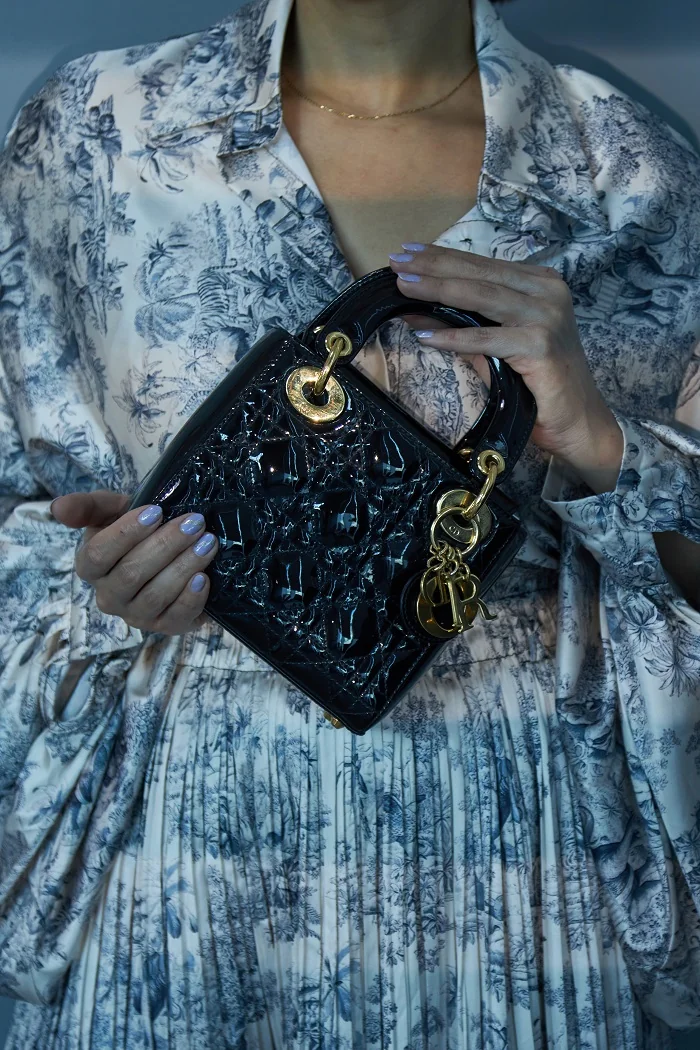
Hermès leather goods are made to outlast their first owner. That’s the point of buying pre-loved: you’re not asking a bag to prove itself, you’re benefiting from the fact that it already has.
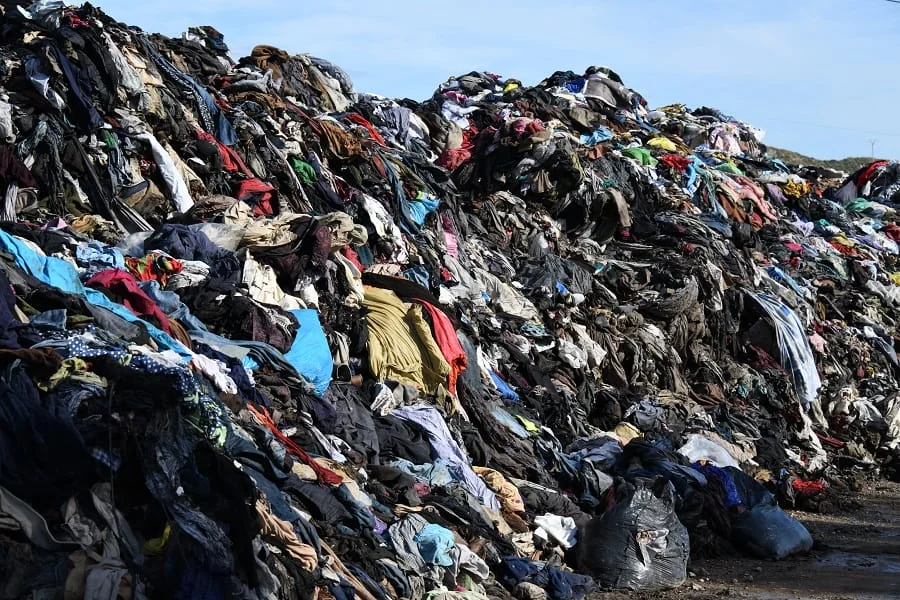
The environmental case is straightforward once you look at the numbers. The fashion industry is estimated to be responsible for roughly 8-10% of global carbon emissions, more than international flights and maritime shipping combined, according to figures cited by the UN Environment Programme. Textile waste compounds the problem: the Environmental Protection Agency estimates that over 11 million tons of textile waste end up in US landfills annually, and leather goods, being non-biodegradable in any meaningful timeframe, sit there for decades.
Every pre-loved Kelly that changes hands is a bag that doesn’t need to be manufactured again. No new hide, no new hardware casting, no new transatlantic shipping. For a house that already produces on a deliberately constrained scale, buying secondhand is arguably the only way to consume Hermès without adding to that production line at all. It’s a rare case where the financially smart choice and the lower-impact choice point in exactly the same direction.
The honest caveat: buying pre-loved doesn’t erase the footprint of the bag’s original manufacture. It just means you’re not adding a second unit’s worth of emissions and waste on top of it. That distinction matters if you want to talk about this credibly rather than as marketing.
Building a Wardrobe with Timeless, One-of-a-Kind Pieces #
New collections chase trends. Hermès Kelly bags don’t need to, which is exactly why the secondhand market for them behaves differently from resale markets for trend-driven brands.
Buying pre-loved opens up options that simply don’t exist at the boutique level anymore. Discontinued colorways like Bougainvillea or Vert Anis, retired leathers, and older hardware finishes such as brushed palladium show up regularly in the resale market and almost never on Hermès shelves. A Kelly 28 in a decade-old exotic skin isn’t a compromise, it’s often the only way to own that specific combination at all, since Hermès doesn’t reissue colors or skins once they’re retired.
There’s also a practical wardrobe argument here. A structured, saddle-stitched Kelly in black Box calf looks as correct today as it did in 1990 and will look as correct in another decade. That kind of longevity is rare in fashion generally, and it’s the reason buyers treat a well-chosen pre-loved Kelly less like a purchase and more like an acquisition, something you’re adding to a small, considered collection rather than replacing next season.
How the Pre-Owned Market Rewards Quality and Craftsmanship #
Here’s the mechanism that makes all of this work: cheaply made goods don’t survive resale. A bag with glued seams, thin hardware plating, or unstable leather doesn’t hold up to years of use, so it rarely reaches the secondhand market in wearable condition, and buyers reject it when it does.
Hermès sidesteps that problem almost entirely because of how the bags are built. Each Kelly is saddle-stitched by a single craftsperson, by hand, using waxed linen thread pulled through pre-pierced holes with two needles working in opposite directions, a technique that means a broken stitch doesn’t unravel the seam. Hardware is solid-cast, not stamped sheet metal, and plated in actual gold or palladium rather than a thin flash coating. That’s why a Kelly from 2005 can still command strong resale prices: the construction hasn’t degraded, even if the bag has visible signs of use.
Caring for a pre-loved Kelly #
Buying secondhand doesn’t mean inheriting someone else’s neglect, but it does mean you’re now the one responsible for keeping the bag in that condition:
- Store it stuffed with acid-free tissue, not the felt dust bag alone, to hold its shape and prevent creasing at the base.
- Keep it away from direct sunlight and humidity, both fade Togo and Epsom leather and can cause box leather to dry out and crack.
- Clean hardware with a soft, dry cloth only. Avoid metal polish, it strips plating and that’s not something a local jeweler can restore invisibly.
- Have leather conditioned by a specialist familiar with Hermès skins, not a generic cobbler, every 12-18 months depending on use.
- Avoid overstuffing, which stresses the frame and turn-lock over time.
This is precisely why the quality argument matters before the authenticity argument. Buyers are willing to pay real money for a used Kelly because Hermès craftsmanship holds its value physically. That’s also what makes counterfeiters try so hard to imitate it, and why verification is the step you cannot skip.
Getting More Value: Savings on a Hard-to-Find Kelly #
Let’s talk numbers, because this is where buying pre-loved actually pays off.
A new Kelly 28 in Togo leather with gold hardware currently retails through Hermès boutiques at roughly $10,800-$11,500, depending on region and exchange rates, assuming you can get one at all without an established purchase history at that boutique. On the pre-loved market, a comparable Kelly 28 in excellent condition, similar leather and hardware, typically trades between $9,000 and $13,000, with well-loved examples in classic colors like black or gold sitting at the lower end and rare colors or exotic skins pushing well above retail.
That’s the part that surprises first-time buyers: pre-loved Hermès doesn’t always mean cheaper. What it reliably means is available. A Kelly in Rouge H or a Himalaya Birkin isn’t sitting in a boutique waiting for you; it’s sitting in a specialist reseller’s inventory, priced according to actual demand rather than a fixed retail number.
This is also where the investment conversation belongs, with appropriate caution. Industry analyses, including the widely cited Baghunter market index, have shown Hermès Birkin and Kelly bags appreciating faster than gold or the S&P 500 over certain multi-year windows. That’s a real pattern, but it’s not a guarantee, and it applies mainly to rare colors, exotic skins, and pristine condition. A well-used black Togo Kelly is a great bag; it’s not necessarily an appreciating asset. Treat resale value as a pleasant possibility, not the reason to buy.
Buying Safely: Authentication Tips Before You Purchase #
This is the part that actually protects your money, so it deserves more than a checklist glance.
Check the blind stamp. Every Hermès bag has a stamp inside, near the strap attachment, showing a craftsman’s identifying letter and a stamped letter or symbol indicating the production year. Pre-2015 bags used a letter-in-a-square system; post-2015 bags use a letter-in-a-circle. If the stamp letter doesn’t match the claimed production era, that’s a red flag worth walking away from.
Inspect the stitching. Genuine saddle stitching is slightly uneven by hand, angled consistently, and never doubled back or glued underneath. Machine stitching that’s perfectly uniform on a bag sold as vintage is a strong counterfeit indicator.
Examine the hardware. Genuine turn-locks and feet are weighted, solid, and precisely fitted, with engraved “Hermès Paris” lettering that’s crisp, not shallow or uneven. Fake hardware often feels light and the plating tarnishes quickly.
Look at the leather grain and smell. Togo and Epsom have distinct, consistent grain patterns; Box calf has a smooth, glassy finish. Genuine leather has a specific, mild scent, chemical or rubbery smells suggest a synthetic substitute.
Verify the seller, not just the bag. Buy from platforms or boutiques that offer in-house authentication with a written guarantee, ideally backed by a return policy if authenticity is disputed. Ask specifically who authenticates and what their credentials are, a vague answer is itself a warning sign.
First-time buyer checklist #
If this is your first pre-loved purchase, add these habits:
- Request extra photos of the interior stamp, hardware close-ups, and the base corners before buying, not after.
- Cross-check the price against recent comparable sales; a Kelly priced dramatically below market for its condition is the single biggest red flag in this category.
- Ask for the receipt or provenance history if available, though its absence doesn’t automatically mean fake, many genuine bags change hands without paperwork.
- Buy from sellers who specialize in Hermès specifically. General consignment shops authenticate far more brands and, understandably, go less deep on any one of them.
None of this replaces a professional authentication service for a five-figure purchase. If a platform’s guarantee feels thin, get an independent opinion before you commit.
Skipping the Waitlist: Access Without the Hermès Quota Game #
Anyone who has stood at an Hermès counter knows the real barrier to owning a Kelly usually isn’t money, it’s access. Boutiques famously restrict Kelly and Birkin sales to established clients with a documented purchase history, meaning you’re often expected to buy other Hermès items over months or years before a sales associate will even offer you one. There’s no official waitlist, no guaranteed timeline, and no promise it happens at all.
Buying pre-loved removes that gatekeeping entirely. The bag exists, it’s photographed, priced, and available now, with no relationship-building requirement and no dependency on a specific boutique’s allocation that season. For buyers who want a specific size, color, and leather combination rather than whatever a boutique happens to offer them, resale is often the only realistic path, new stock simply doesn’t accommodate that level of choice.
The trade-off is that you’re relying on someone else’s authentication process instead of Hermès’s own retail counter, which is exactly why the verification steps above aren’t optional extras. Skipping the quota game means taking on the responsibility of confirming the bag yourself, or through a seller you trust enough to do it for you.
FAQs About Buying Pre-Loved Hermès Kelly Bags #
Is it safe to buy a pre-loved Hermès Kelly online? Yes, provided you buy from a platform or boutique with dedicated [[[Hermès authentication](/buying-guides/hermes-color-guide-codes-shades-resale-value/)](/authentication/how-to-spot-a-fake-hermes-bag-authentication-guide/)](/authentication/million-dollar-closet-pre-loved-hermes-chanel/) and a clear return or guarantee policy if the bag is later disputed. Avoid peer-to-peer marketplaces with no authentication backstop for a purchase at this price point.
How can I tell a real Kelly from a fake quickly? There’s no single quick test. Check the blind stamp, stitching consistency, hardware weight and engraving, and leather grain together. A convincing fake can pass one check; passing all of them consistently is much harder to fake.
Do pre-loved Kelly bags hold their value? Classic colors and leathers in strong condition tend to hold value well, and rare colors or exotic skins can appreciate. Heavily used bags in common colorways are less likely to gain value and should be bought to use and enjoy, not as an investment.
Is pre-loved always cheaper than buying new? Not always. Rare or discontinued Kellys can sell above current retail because Hermès no longer produces them. Common colorways in good condition are usually priced below new, sometimes significantly.
What’s the most common mistake first-time buyers make? Buying based on price alone. A price that seems too good for the condition and rarity described is the most reliable early warning sign of a problem, whether that’s a counterfeit or an undisclosed defect.
Does buying secondhand affect my ability to buy from Hermès boutiques later? No. Boutique purchase history is tracked independently by Hermès and isn’t affected by resale purchases, though it also won’t help build that history either.
Related Articles #
- Luxury Fashion Investment: Why Pre-Loved Pays Off
- How Pre-Owned Luxury Fashion Is Reshaping the Industry
- Best Hermès Birkin Bags to Invest in Right Now
- Hermès Leathers Guide: Togo, Epsom, Exotic Skins Explained
- Hermès Leathers Guide: Togo, Epsom, Exotic Skins Explained
Related guides
- Online Bag Authentication: What Photos Can and Cannot Prove
- Inside a Million-Dollar Closet: Pre-Loved Hermès & More
- Meet Marwa Azzam Aldabbagh: Kelly Bag Authentication Expert
- Luxury Handbag Authentication Process Explained
- How to Buy an Authentic Luxury Bag from China Safely
- New vs Pre-Owned Luxury Bags: Which Route Is Right for You?
- Chanel Bag Guide: What to Know Before You Buy
- Luxury Bag Houses


Keyword index