Introduction #
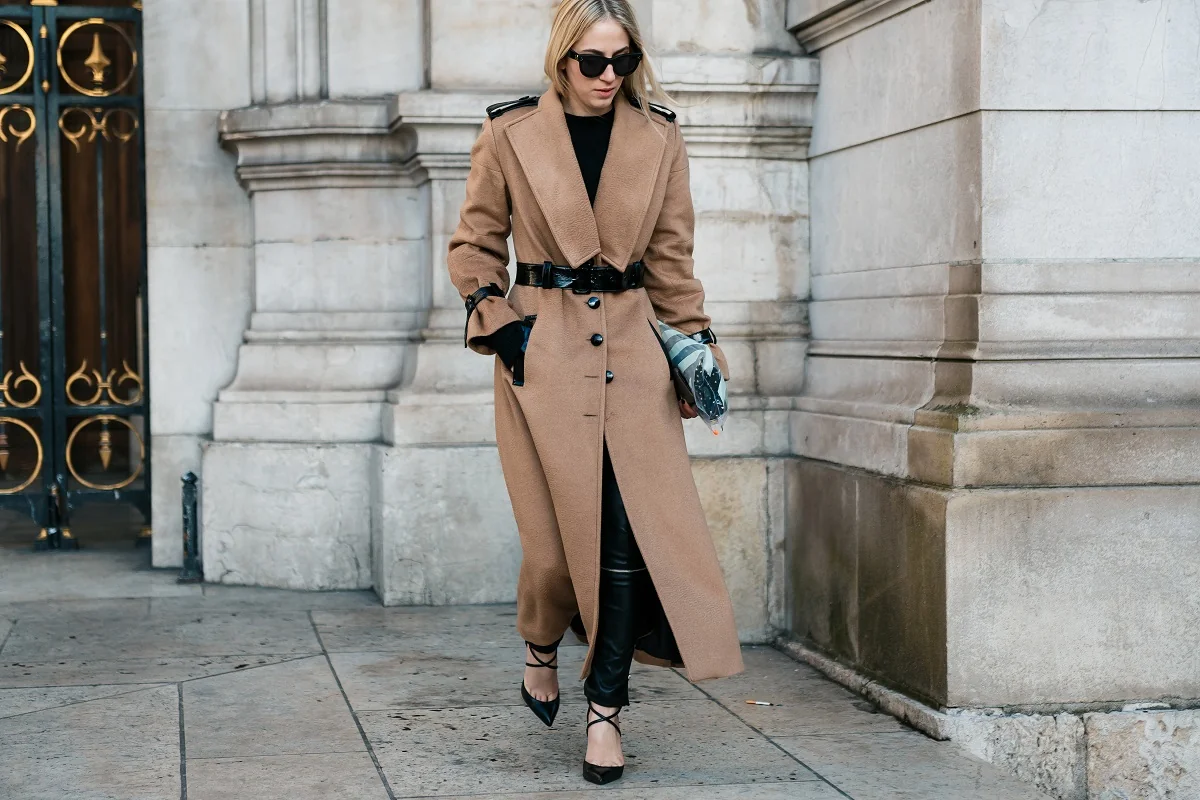
Scroll through any fashion feed right now and you’ll notice something odd: the loudest bags, the most logo-covered belts, the brightest monogram prints are quietly disappearing from the pieces people actually want. In their place: a camel coat with no visible branding, a bag with barely a hardware mark, a knit that costs four figures and reveals nothing about it. That’s the quiet luxury trend, and it’s not a passing aesthetic moment. It’s a recalibration of what looking wealthy actually means.
This guide breaks down where the trend came from, which brands built its vocabulary, how it differs from minimalism (a common point of confusion), and — because we spend our days around resale, authentication, and secondhand luxury — how it applies specifically to handbags and accessories. We’ll also cover what to do if The Row’s price tag isn’t in your budget this year, because quiet luxury was never supposed to be exclusionary by design. It just often ends up that way.
What Is the Quiet Luxury Trend? #
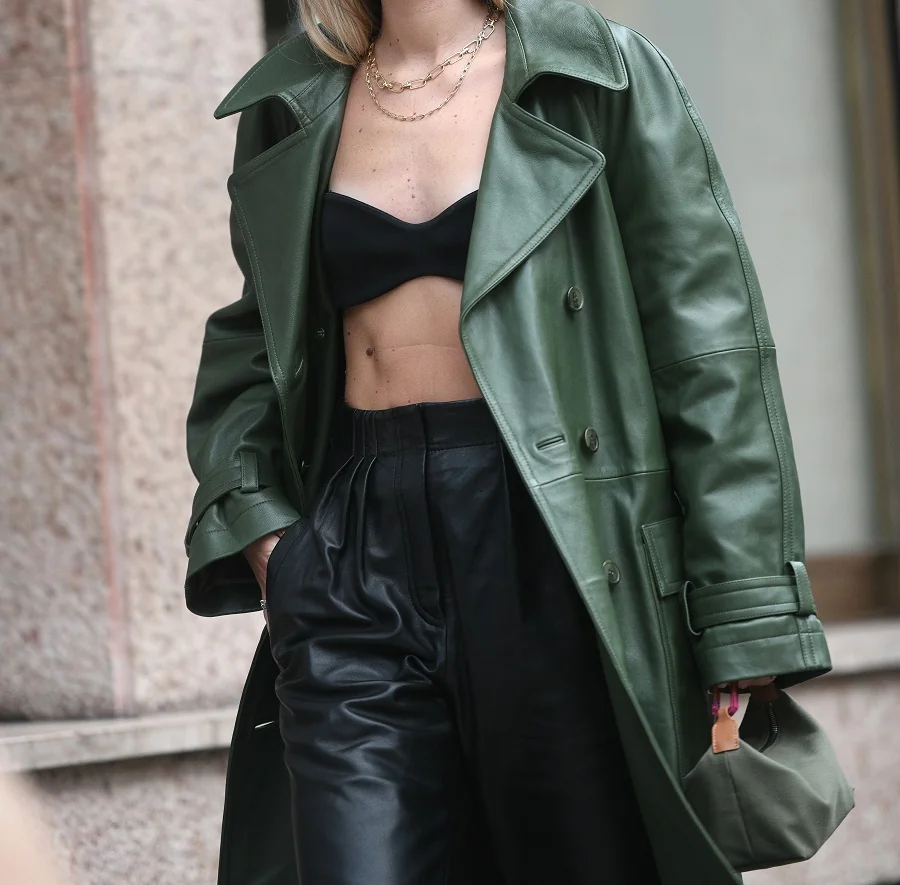
Quiet luxury is a style philosophy built on restraint. It favors tailoring, fabric quality, and proportion over branding, and it deliberately avoids the visual shorthand — logos, monograms, embellishment — that historically signaled “this is expensive.” The look is neutral-toned, precisely cut, and often nearly identical from a distance to something far cheaper. The difference lives in the details: how a shoulder seam sits, how a hem falls, whether the leather creases or cracks after a year.
It’s the direct opposite of logomania, the 2000s-to-late-2010s era when a Louis Vuitton monogram or a Gucci GG belt buckle was the entire point of the purchase. Quiet luxury flips that logic. The wealth signal isn’t the brand name; it’s the fact that you know what you’re looking at and most people don’t. That’s the mechanism stealth wealth runs on — status that only registers within a specific social or professional circle, invisible to everyone outside it.
How Quiet Luxury Differs From Minimalism and Normcore #
This is where most coverage of the trend gets sloppy, so it’s worth being precise. Minimalism is a design principle — clean lines, limited color palettes, “less is more” — that can exist at any price point, including fast fashion. Normcore, which had its moment around 2014, was about dressing deliberately unremarkable, sometimes ironically, using ordinary basics as a rejection of trend culture altogether.
Quiet luxury borrows the visual restraint of both but adds a variable they don’t require: cost and craftsmanship. A $40 minimalist t-shirt and a $600 Loro Piana one can look nearly identical in a photo. The quiet luxury version is defined by long-staple cotton, precise finishing, and construction meant to outlast a decade of wear. Minimalism is a look anyone can achieve cheaply. Quiet luxury is a look that happens to be cheap-looking while being expensive to make — that gap is the entire point.
Materials do a lot of the signaling: vicuña and cashmere over acrylic blends, full-grain leather over coated canvas, mother-of-pearl buttons over plastic. If you can’t tell a garment is expensive just by looking at a photo of it, but you’d know immediately if you touched it, you’re looking at quiet luxury.
The Cultural Rise of Quiet Luxury #
The term itself isn’t new — menswear tailoring circles have used some version of “quiet luxury” for years to describe understated Savile Row construction — but it moved into mainstream vocabulary around 2022 and 2023, and the timing wasn’t random. It landed during a period of high inflation and public anxiety about wealth inequality, when displaying money loudly started to read as tone-deaf rather than aspirational. Quiet luxury gave the wealthy a way to keep spending without looking like they were spending.
HBO’s Succession did more to popularize the aesthetic than any runway show. Costume designer Michelle Matland dressed the Roy family in unbranded cashmere, muted tailoring, and accessories most viewers couldn’t identify, and that unidentifiability became the story. Logan Roy in a plain baseball cap that turned out to cost several hundred dollars is the trend in miniature: money that only reveals itself to people who already have it.
Gwyneth Paltrow’s 2023 ski-crash trial did the same work in real time. Her courtroom outfits — The Row cardigans, Chloé boots, a Row cashmere turtleneck reportedly worth over a thousand dollars — became a genuine style moment, dissected outfit by outfit online, precisely because nothing she wore had a logo. The “old money aesthetic” label attached itself to the same wardrobe: the idea that inherited wealth doesn’t need to announce itself the way newer money often does. Quiet luxury, stealth wealth, and old money aesthetic are overlapping terms for the same underlying instinct, just with slightly different cultural framing — one about discretion, one about class signaling, one about heritage.
Key Quiet Luxury Brands to Know #
A handful of houses defined this look before it had a name, and understanding what separates them helps explain why the trend reads as “expensive” even without branding.
The Row. Founded by Mary-Kate and Ashley Olsen in 2006, The Row is arguably the brand most responsible for quiet luxury’s current visibility. Everything is neutral-toned, minimally branded, and priced at a level that assumes the buyer already knows what they’re looking at.
Loewe. Under [Jonathan Anderson](/brands/jw-anderson-pierce-bag-dark-green-suede-sold-out/), Loewe walks a slightly different line — it’s more playful and artistic than the others here, but its leather goods (the Puzzle bag especially) are built on the same principle: exceptional craftsmanship with a barely-there logo.
Loro Piana. The benchmark for fabric quality in this category. Loro Piana’s reputation rests almost entirely on raw material sourcing — vicuña wool, baby cashmere — rather than design flourish. Its price reflects the material, not the marketing.
Brunello Cucinelli. Italian tailoring built around cashmere knitwear and relaxed but precise cuts. Cucinelli has leaned into a “quiet” brand identity for decades, well before the internet gave it a name.
Celine. Under Hedi Slimane, Celine’s silhouettes are sharp, French, and largely logo-free on the ready-to-wear side, though its bags (Triomphe, Box) carry a small, recognizable hardware signature — a useful middle ground between fully anonymous and fully branded.
Quiet Luxury Brand Comparison #
| Brand | Known For | Entry Price Point (New) | Logo Visibility |
|---|---|---|---|
| The Row | Tailoring, minimalist bags | $$$$ (~$690+ for basics, $3,000+ bags) | None to near-none |
| Loewe | Leather goods, artistic detail | $$$ (~$490+ small leather goods) | Small embossed logo |
| Loro Piana | Cashmere, vicuña outerwear | $$$$ (~$600+ knitwear, $5,000+ coats) | Minimal woven tag |
| Brunello Cucinelli | Knitwear, relaxed tailoring | $$$$ (~$800+ knitwear) | Minimal, tonal |
| Celine | French tailoring, structured bags | $$$ (~$450+ accessories, $2,000+ bags) | Small hardware logo |
Price points are approximate retail ranges and shift with collection and category; resale and pre-loved pricing typically runs 30 to 60 percent below retail depending on condition and demand.
Quiet [Luxury Handbags](/buying-guides/designer-handbag-trends-2025/) and Accessories Worth Investing In #
Handbags are where quiet luxury and the authentication conversation intersect most directly, because the entire premise of the trend — understated design, minimal branding — is also what makes counterfeits harder to spot and genuine construction quality harder to verify at a glance. A loud monogram bag is relatively easy to authenticate because the logo pattern itself carries information. A quiet luxury bag has almost nothing to compare against except the stitching, the hardware weight, and the leather.
That’s actually good news for the category this trend is built around: Hermès. The Kelly and the Birkin are, in a sense, the original quiet luxury bags — minimal external branding, recognizable silhouette, and value derived almost entirely from craftsmanship rather than logo placement. If you’re shopping this category, prioritize:
- Stitching consistency. Hermès saddle stitching is hand-done and slightly irregular but even in tension; machine-perfect uniformity or visibly uneven spacing is a red flag.
- Hardware weight and plating. Genuine palladium or gold-plated hardware has real heft and doesn’t show brassing at the edges after light wear.
- Leather grain and smell. Full-grain leathers (Togo, Epsom, Clemence) have a distinct texture and scent that coated or bonded leather can’t replicate.
- Blind stamps and date stamps. On Hermès pieces, these should be crisp, correctly placed, and consistent with the era of the bag.
The same logic extends to The Row’s Margaux, Loewe’s Puzzle, and Celine’s Triomphe: check hardware weight, lining quality, and whether the leather has any plastic-like sheen. In quiet luxury, the absence of a big logo means quality control on materials is the entire authentication story.
How to Build a Quiet Luxury Wardrobe #
The trend works because it’s built on a small number of genuinely versatile pieces rather than a large, trend-chasing wardrobe. Here’s how to approach it by category.
Outerwear. This is where quiet luxury spends the most money for good reason — a coat is visible in every outfit and worn for years, not seasons. A camel or navy wool coat with clean lines, a good drape, and minimal hardware does more for the aesthetic than almost anything else you’ll buy. Look for full canvas construction if you’re investing at a tailoring level, or simply a heavy, non-shiny wool blend if you’re not.
Bags. One structured, neutral-toned bag in a durable leather beats three trend bags. Black, camel, and dark brown outperform seasonal colors for resale value and cost-per-wear. Structured top-handle styles read more “quiet luxury” than slouchy hobo shapes, which skew more casual-minimalist.
Shoes. Ballet flats, loafers, and simple leather boots without visible branding do the heavy lifting here. Avoid anything with a large, recognizable logo hardware piece (chunky logo buckles read closer to logomania than quiet luxury, even on the right brand).
Accessories. Small leather goods — cardholders, simple belts, unbranded silk scarves — are where a lot of people build the look on a smaller budget. A well-made leather belt with a plain metal buckle reads more expensive than one with an embossed logo, regardless of actual price.
Affordable Alternatives and Dupes #
Not everyone can put four figures into a cashmere sweater, and quiet luxury doesn’t actually require it. The look depends on fit, color, and fabric behavior more than brand name, which means it’s one of the more replicable trends out there if you shop carefully.
- COS, Everlane, and Arket consistently produce tailored, neutral-toned basics with a similar silhouette to The Row at a fraction of the price. Fit is the differentiator to check in-store.
- Quince sells 100% Mongolian cashmere and European linen at a much lower price point than legacy houses by cutting out traditional retail markup — the fabric quality genuinely competes.
- Uniqlo +J and Uniqlo’s U line borrow directly from minimalist tailoring codes and hold up well for basics like trousers and lightweight outerwear.
- Secondhand and resale platforms are arguably the smartest way into this trend specifically because quiet luxury pieces are built to last. A pre-loved Celine or Loewe bag in good condition retains the craftsmanship the trend is actually about, at well below original retail.
The honest caveat: fabric weight, drape, and longevity genuinely do improve with price in this category, so a dupe will usually show its age faster than the original. That’s a fair trade for a lot of buyers, and not a failure of the dupe — just a difference worth knowing before you buy.
The Sustainability Angle #
Quiet luxury’s “buy less, buy better” philosophy overlaps heavily with slow fashion, and that’s not incidental. A well-made wool coat or a full-grain leather bag can genuinely last ten to twenty years with basic care, which changes the cost-per-wear math dramatically compared to fast fashion pieces replaced every season or two. Brands like Loro Piana and Brunello Cucinelli also market their material sourcing (traceable wool, responsibly sourced cashmere) as part of the value proposition, not just the price justification.
The honest counterpoint: quiet luxury isn’t automatically sustainable just because it’s expensive and neutral-toned. Cashmere sourcing has real environmental and labor concerns industry-wide, and buying a $3,000 bag every season because it’s “quiet” defeats the purpose just as much as buying five logo bags did. The sustainability case for quiet luxury only holds if you’re actually buying fewer, longer-lasting pieces — not simply swapping loud consumption for quiet consumption at the same volume.
Why the Quiet Luxury Trend Is Rising Now #
Underneath the styling advice, quiet luxury is doing psychological and economic work that’s worth naming directly. Economically, the trend surged during a stretch of high inflation, layoffs in white-collar industries, and increased public scrutiny of visible wealth — a climate where flaunting expensive purchases started to feel socially risky rather than aspirational, particularly for people in finance, tech, and other industries facing public criticism over compensation and job cuts.
Psychologically, it maps onto a broader shift toward “stealth” status signals across categories — quiet driving (unbadged luxury cars), quiet firing, quiet quitting. The common thread is opting out of overt display in favor of signals legible only to insiders. For handbags specifically, this also lines up with a maturing resale market: buyers who’ve been through a few trend cycles increasingly value pieces that hold resale value over years rather than months, and understated, well-made bags consistently outperform logo-driven or seasonal pieces on the secondary market.
There’s also a straightforward taste-cycle explanation: after roughly fifteen years of increasingly maximalist logomania, from Y2K branding through 2010s streetwear collabs, a swing back toward restraint is a normal pendulum move, not a permanent endpoint. Trends this specific tend to loosen back toward more expressive styling within five to ten years, even if the underlying appreciation for craftsmanship sticks around longer.
FAQ #
Is quiet luxury the same as “old money” style? They overlap heavily but aren’t identical. Old money aesthetic specifically references the look of inherited generational wealth — preppy tailoring, heritage fabrics, family-crest-adjacent styling. Quiet luxury is broader and includes newer money dressing deliberately unbranded. Most old money outfits qualify as quiet luxury; not all quiet luxury references old money specifically.
Can I do quiet luxury on a budget? Yes, with one honest caveat: the aesthetic depends on fit and fabric behavior, which is harder to fake cheaply than color or silhouette. Focus your budget on outerwear and one structured bag, since those are the pieces most visible and most cost-per-wear efficient, and use lower-cost basics (Quince, COS, Uniqlo) for everything underneath.
How do I know if a “quiet” luxury bag is authentic, since it has no visible logo? Check construction details instead of branding: stitch consistency, hardware weight and plating, leather grain, lining quality, and interior stamps or serial numbers specific to the brand. Buying from reputable resale platforms with in-house authentication is the safest route for logo-minimal pieces, since counterfeiters historically focus their effort on replicating obvious branding, not construction quality.
Will quiet luxury go out of style? The specific styling — beige everything, zero branding — will likely loosen within a few years, as most trend cycles do. The underlying preference for craftsmanship and fabric quality over branding tends to outlast the trend label itself, since it’s really a return to how expensive clothing was evaluated before logomania took over.
What’s the single best first purchase if I want to try this trend? A well-cut neutral coat or a structured, hardware-light handbag in black, camel, or brown. Both are worn constantly, work with almost everything else in a wardrobe, and hold resale value better than trend-driven pieces if the aesthetic shifts.
Related Articles #
- Handbag Trends 2024: The Bags You’ll Actually Wear
- How to Buy & Authenticate Pre-Owned Louis Vuitton Bags
- Popular Handbag Brands: Which One Is Right for You?
- Luxury Casual Wardrobe 2025: Trends, Outfits & Key Pieces
- How to Spot a Fake Hermès Bag: Authentication Guide
Related guides
- Online Bag Authentication: What Photos Can and Cannot Prove
- Chanel 2.55 History, Details & How to Spot a Fake
- Private Bag Edit: Hermès Kelly Authentication Blog
- Hermès Date Codes & Stamps Explained: Full Guide
- How to Buy an Authentic Luxury Bag from China Safely
- New vs Pre-Owned Luxury Bags: Which Route Is Right for You?
- Chanel Bag Guide: What to Know Before You Buy
- Luxury Bag Houses

Keyword index