Introduction: Why Luxury Casual Is the 2025 Mood #
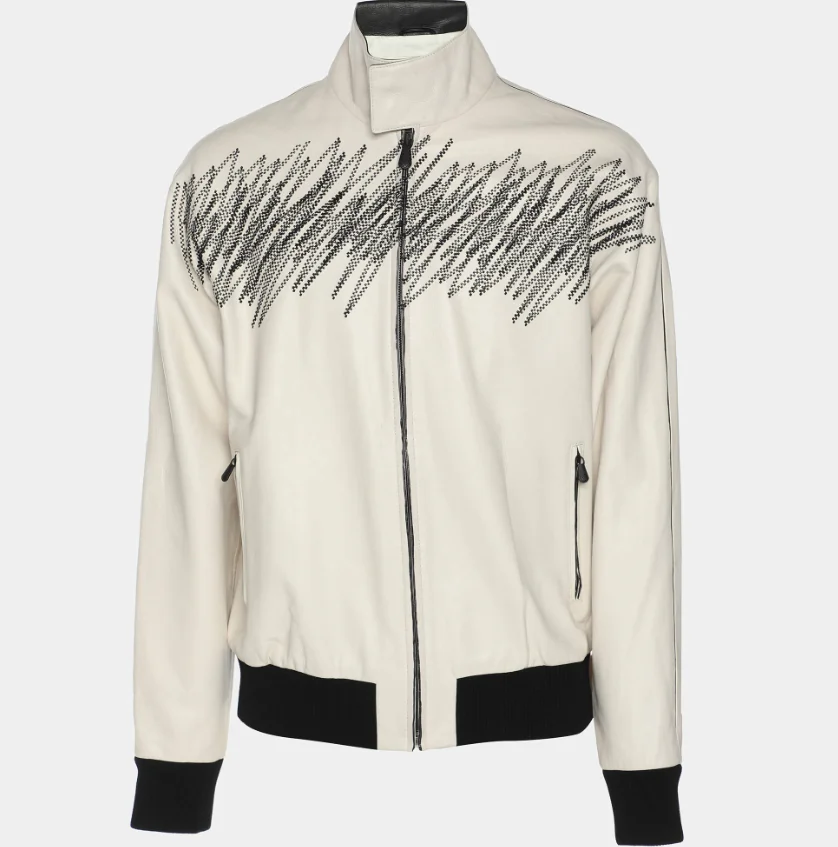
There’s a particular kind of fatigue that sets in after years of logo mania — the oversized monogram belts, the it-bag-of-the-month churn, the sense that dressing well meant dressing loudly. In 2025, that era is winding down, and honestly, it’s about time.
British designer Bella Freud once said, “The wrong outfit can make you feel like something is wrong with you.” She’s right, and it cuts both ways: the right outfit doesn’t need to announce itself to make you feel like you’ve got it together. That’s the real shift happening in luxury right now. Buyers who’ve spent a decade collecting statement pieces are starting to ask harder questions — does this actually fit my life, will it hold value, do I reach for it or just photograph it once and forget it.
A luxury casual wardrobe 2025 isn’t about owning less for the sake of minimalism as a trend. It’s about owning better. Fewer pieces, chosen with intention, that move between a coffee run and a client dinner without you having to think twice. The brands leaning into this — Loro Piana, The Row, Bottega Veneta, Céline — have proven that quiet doesn’t mean boring, and that the smartest money in fashion right now is going toward things built to last, not things built to be seen once on a feed.
This guide walks through what’s actually driving 2025’s casual-luxury trends, which pieces are worth the investment (and which aren’t), how to style them so they don’t feel try-hard, and how to buy with resale value in mind from day one.
What’s Hot in 2025: Luxury Casual Wear Trends #
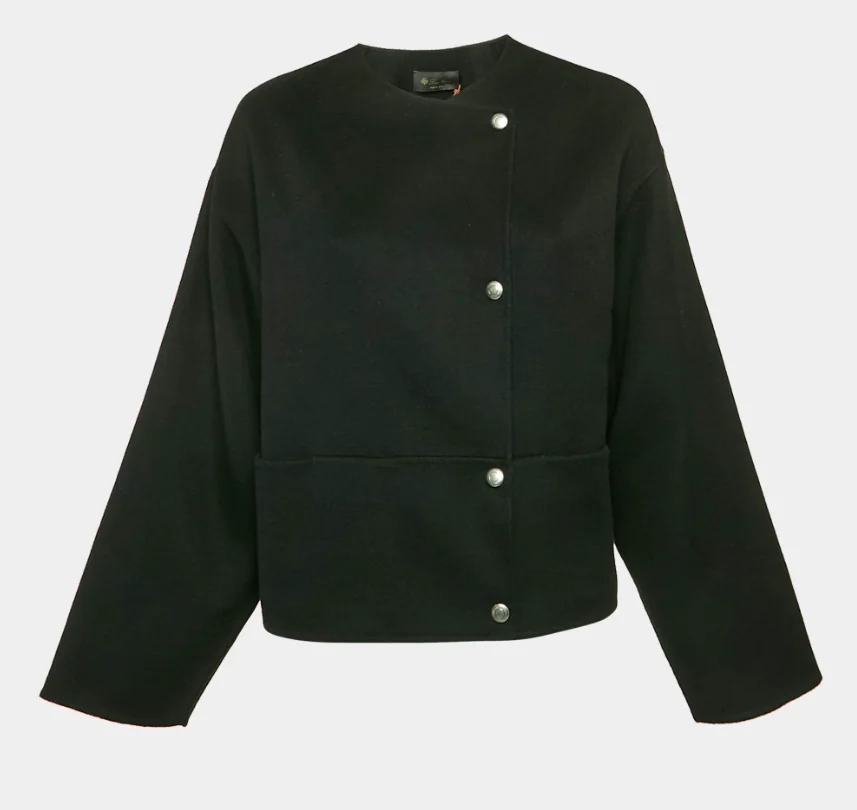
The through-line across every major luxury house this year is the same: expense for its own sake is out. As Clare Waight Keller put it, “Expense isn’t luxury. Quality, innovation, excitement — that’s luxury.” Here’s what that actually looks like on the racks and in resale listings.
Fabric innovation over flashy branding #
The old shorthand — expensive equals better — doesn’t hold the way it used to. What’s driving desirability now is craftsmanship you can feel: double-faced cashmere with no visible seams, leather that’s been hand-woven rather than stamped, technical fibers that behave like natural ones. Loro Piana’s cashmere outerwear and Bottega Veneta’s intrecciato leather are the reference points here, and increasingly, smaller innovators working in bio-based textiles are getting taken seriously by the same shoppers who used to only care about the crest on the button.
Quiet luxury and the capsule mindset #
Stealth wealth dressing isn’t new, but it’s matured. It’s less about hiding money and more about editing a wardrobe down to pieces that genuinely mix and match — unstructured blazers, wide-leg trousers, silk shirts, roomy totes in tobacco or ivory. The Row, Céline, and Brunello Cucinelli have built entire identities around this, and it dovetails naturally with the capsule wardrobe idea: buy fewer things, but buy things that talk to each other across seasons.
The honest caveat here — quiet luxury pieces are notoriously hard to spot in photos and even harder to justify to anyone who doesn’t already know what they’re looking at. You’re paying a premium for fabric and cut that a casual observer will never register. If validation from others matters to you, this trend will frustrate you.
Comfort as a design brief, not an afterthought #
Workwear has gone soft. Oversized shirting, lightweight trench coats, wide trousers with real drape — the goal is pieces that read as put-together while feeling like loungewear. Stylist Erin Walsh has been vocal about this, favoring cotton tanks, oversized linen trousers, and padded tees as her go-to luxury basics. The trick that separates this from just wearing sweats is the pairing: a soft, oversized piece anchored by something structured, like sleek sneakers or bold gold earrings.
Archival and vintage revival #
There’s a real appetite for pieces with history — 1990s Tom Ford-era Gucci, early Marc Jacobs grunge, Y2K Dior Saddle bags. Buying archival isn’t just about nostalgia; these pieces often carry design details (heavier hardware, denser leather, embellishment techniques) that current production has quietly phased out for cost reasons. It’s also, frankly, one of the smarter corners of the resale market right now, since well-documented archival pieces tend to appreciate rather than depreciate.
Top Investment Pieces to Add to Your Wardrobe #
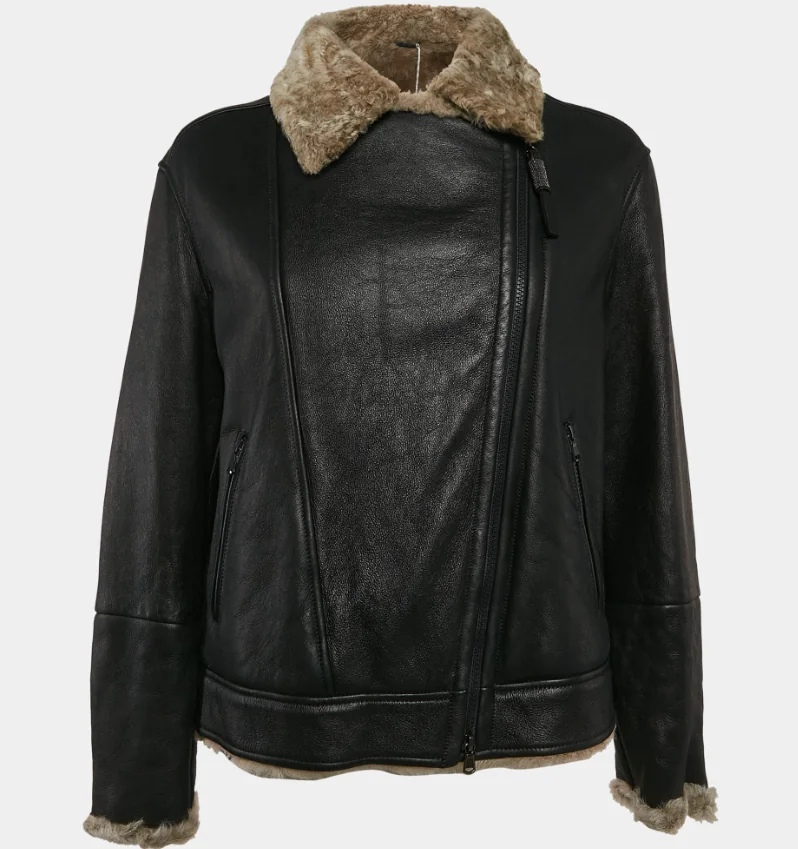
Not every luxury purchase is an investment. A trend-driven bag in a divisive colorway will lose value fast, no matter the house. These are the categories and specific pieces that have consistently held or grown in value, based on what actually moves in the resale market.
Handbags
- [[[Chanel Classic Flap](/buying-guides/vintage-chanel-finds-top-picks/)](/buying-guides/how-to-style-chanel-classic-flap-bag/)](/buying-guides/designer-must-have-bags/) (medium, lambskin or caviar) — steady price appreciation over the past decade, though Chanel’s repeated official price hikes have made entry pricier every year.
- Hermès Birkin and Picotin — the Birkin remains the benchmark for resale value, though the waitlist culture and boutique allocation game are genuinely tedious. The Picotin is a lower-friction, lower-cost entry into the house.
- Louis Vuitton Capucines or a well-kept vintage monogram piece — less speculative than Chanel or Hermès, but reliably liquid on the resale market.
Shoes
- Chanel ballet flats and slingbacks — genuinely versatile, and the two-tone slingback in particular has outlasted several style cycles.
- Hermès Oran sandals — the leather sandal equivalent of a safe bet; they don’t date, and resale demand is consistent.
- A structured leather loafer from a house like The Row or Bottega Veneta — not flashy, but this is the category most likely to actually get worn into the ground rather than sit in a box.
Jewelry
- Van Cleef & Arpels Alhambra pieces — the clover motif has become as recognizable as any logo, and pieces in gold hold their value well even in a soft market.
- Cartier Love bracelet — divisive because of the screwdriver gimmick, but it’s one of the most consistently resold pieces in fine jewelry.
Watches
- Rolex remains the most liquid luxury watch brand on the resale market, full stop — but the post-2022 correction is a reminder that even Rolex isn’t immune to price drops after speculative peaks.
- Cartier Tank — less volatile than Rolex, and its resale demand has been climbing steadily as quiet luxury has taken hold.
A note on all of this: condition, documentation, and classic colorways matter more than the brand name alone. A scuffed, undocumented Birkin in an unpopular color will sell for meaningfully less than a pristine Chanel flap in black caviar with box and card.
Outfit Ideas: Mixing Statement Brands with Everyday Essentials #
The mistake I see most often is people building outfits around the designer piece instead of around themselves. The statement item should feel like punctuation, not the whole sentence.
Denim, cashmere, and a Birkin. Straight-leg raw denim, a simple crewneck cashmere sweater in oatmeal or navy, white leather sneakers, and a Birkin or Picotin in a neutral like étoupe. This is the outfit that makes the bag look earned rather than performative.
Tailored trousers, a white tee, and Chanel flats. Wide-leg wool trousers, a plain white cotton tee, a blazer left open, and Chanel two-tone slingbacks. Add a Cartier Tank or Love bracelet and you’ve got something that works for a lunch meeting or a gallery opening without changing a single piece.
Linen everything, elevated with gold. Oversized linen trousers and a matching or contrasting linen shirt, worn loose, paired with Alhambra jewelry layered simply and a structured leather loafer. This is the comfort-as-luxury trend in practice — soft fabric, sharp accessories.
Archival denim jacket over a slip dress. A vintage or archival-style denim or leather jacket thrown over a simple silk slip dress, finished with ballet flats and minimal jewelry. This is the easiest way to work a vintage revival piece into a wardrobe without it feeling costume-y.
The common thread: one designer anchor per outfit, everything else quiet. Two statement pieces in one look and you’re no longer dressing, you’re dressing up for an audience.
Buying Advice: How to Choose Pieces That Last and Hold Value #
This is the part most guides skip, and it’s the part that actually matters once you’re spending four or five figures on a single item.
Check the construction, not just the label. Turn the bag inside out. Look at the stitching density, whether the leather grain is consistent, whether hardware feels weighted or hollow. On Chanel and Hermès pieces specifically, serial numbers and stamping should be crisp, not blurred. A surprising number of full-price pieces from smaller or newer luxury labels have thinner leather and looser stitching than a well-made vintage piece a fraction of the price — expensive and well-made are not the same thing, and it’s worth learning to tell the difference before you buy.
Allocate your budget by cost-per-wear potential, not price tag. A general rule I use: spend the most on the piece you’ll wear weekly (a bag, a watch, a coat), and be more conservative on things worn occasionally (embellished pieces, statement jewelry). It’s tempting to blow the budget on the most exciting piece in the shop, but the boring workhorse bag is usually the better investment.
Buy for resale from the start, even if you never plan to sell. Stick to classic colorways — black, tan, navy, gold hardware over unusual finishes — and keep the box, dust bag, authenticity cards, and receipts. Limited editions and seasonal collaborations are fun, but they’re the first things to lose value when a trend passes. Classic silhouettes in classic colors are what resale platforms and consignment shops actually want.
Don’t skip authentication, even from “reputable” sellers. If you’re buying pre-owned, use a third-party authentication service or a consignment platform with in-house verification. Counterfeits have gotten good enough that even experienced collectors get fooled occasionally, and a fake has zero resale value.
Be honest about how often you’ll actually use it. The biggest waste in a luxury wardrobe isn’t the price, it’s the piece that sits unused because it never quite matched the life you actually live. If you work from home in jeans, a structured evening bag is not your investment piece, no matter how good the resale data looks.
FAQ: Building a Luxury Casual Wardrobe #
What’s the best first investment piece to buy? A neutral leather handbag in a classic silhouette — a Chanel flap, an Hermès Picotin, or a Louis Vuitton Capucines — tends to be the safest starting point because it’s versatile enough to wear daily and has proven resale demand. Avoid starting with your first purchase in a trend color or limited edition.
How much should I budget for a luxury casual wardrobe in 2025? There’s no fixed number, but a workable approach is the “one hero piece per year” model: rather than spreading a budget thin across many mid-tier items, save toward one well-chosen bag, watch, or coat annually. Quality over quantity holds up better financially than a wardrobe full of smaller impulse buys.
Do luxury casual pieces actually hold value, or is that overstated? It’s genuinely category-dependent. Hermès and Chanel handbags, and watches from Rolex and Cartier, have strong track records. Ready-to-wear — even from top houses — rarely appreciates and should be thought of as a cost-per-wear purchase, not an investment.
Is buying pre-owned or vintage a smart move? Often, yes. Archival pieces can offer better craftsmanship than current production at a lower price point, and some vintage items (Y2K Dior, early Tom Ford Gucci) are actively appreciating. Just budget for professional authentication, since that’s non-negotiable in this price range.
How do I care for investment pieces so they hold value? Store bags with their dust bags and shape inserts, keep leather conditioned but not over-treated, avoid direct sunlight on colored leathers, and get watches serviced on the manufacturer’s recommended schedule even if it feels like an unnecessary expense — undocumented service history hurts resale value later.
Can I build a luxury casual wardrobe without spending on the biggest names? Yes, and honestly it’s a smart way in. Brands like Loro Piana, Brunello Cucinelli, and The Row offer the craftsmanship story without the brand-recognition markup of Chanel or Hermès. Resale demand is lower, but so is your entry cost, which can make more sense if you’re building a wardrobe rather than a collection.

Keyword index