Introduction #
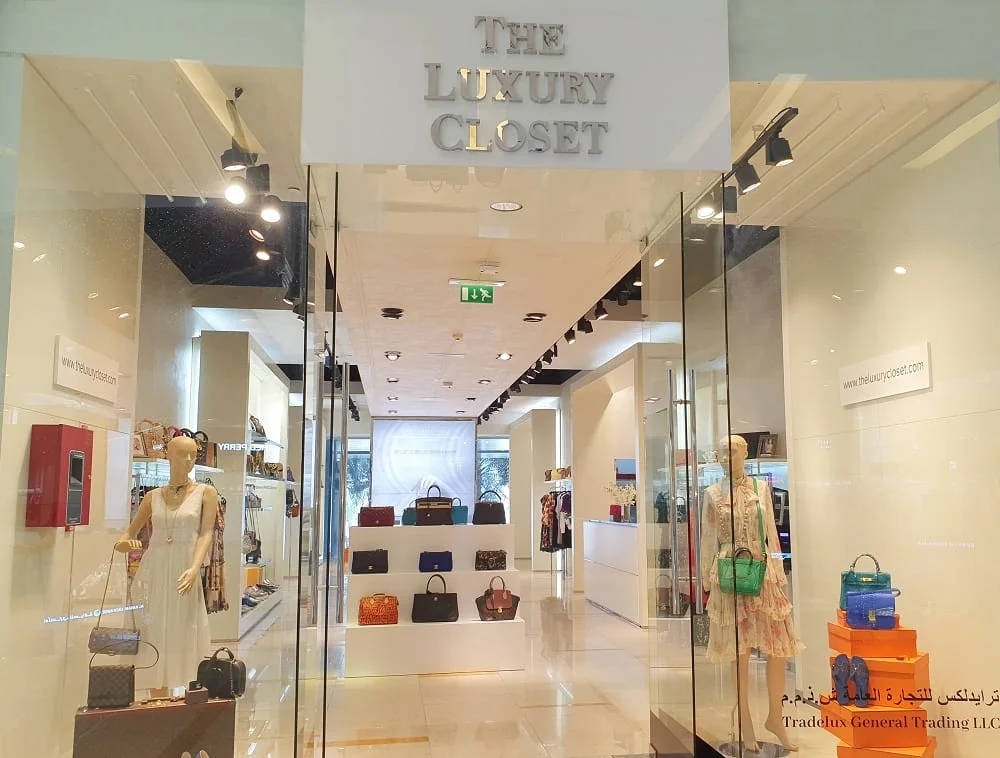
Circular fashion has moved from a niche talking point to the default way serious collectors build a handbag wardrobe. Instead of buying new and watching a bag lose value the moment it leaves the boutique, more buyers are going straight to the resale market, where a well-kept Hermès Kelly can hold — or beat — its original retail price. That shift isn’t just about money. It’s about access: quotas, waitlists, and discontinued colorways mean the pre-loved market is often the only place to actually find the bag you want.
But secondhand luxury comes with a catch. The same features that make a Kelly desirable — hand-stitched saddle leather, solid brass or palladium hardware, decades of production history — are exactly what counterfeiters spend the most effort faking. Buying pre-loved isn’t riskier than buying new, but it does require you to do some of the work a boutique would normally do for you: verifying condition, verifying authenticity, and verifying that the price reflects both. This guide walks through that process end to end, from spotting a bad stitch to reading a platform’s return policy in a way that actually protects you.
Why Buy [[[[Pre-Owned Designer Handbags](/buying-guides/fendi-baguette-bags-buying-guide/)](/buying-guides/designer-handbags-under-500/)](/buying-guides/mothers-day-2026-pre-owned-luxury-handbags/)](/buying-guides/pre-owned-designer-bags-under-1000/) #
The most obvious argument is financial. A new Hermès Kelly 28 in Togo leather typically retails in the $10,000–$11,000 range, if you can get one at all without an established purchase history with the brand. On the resale market, that same bag in excellent condition often trades within 10–20% of retail, and rare skins or discontinued colors — Bougainvillea, Vert Cypress, certain Ostrich or Alligator pieces — can sell above original retail because Hermès no longer produces them. That’s the opposite of how depreciation works for most luxury goods, and it’s a big part of why handbags are increasingly treated as an asset class rather than a purchase.
Access is the second reason. Hermès deliberately limits production and sales of the Kelly and Birkin, and boutiques prioritize existing clients with strong purchase history. The secondary market removes that gatekeeping. You’re not restricted to whatever a single boutique has in stock this season — you’re shopping against decades of production, across sizes, leathers, and hardware finishes that may never be reissued.
There’s a real sustainability argument too, separate from the marketing language brands often attach to it. Every bag kept in circulation is one less unit manufactured, and leather goods built to Hermès or Chanel standards are genuinely durable enough to be worn hard by two or three owners over 20-plus years. That said, be honest with yourself about the downside: pre-owned bags carry someone else’s wear pattern, and “vintage” sometimes means “the corners are soft and the color has changed,” not just “classic.” Buying pre-loved is a smart trade, not a free one.
How to Authenticate a Pre-Loved Handbag Before You Buy #
Authentication is a process of checking multiple independent details, because a good counterfeit might get one or two things right — genuine hardware is now sourced and replicated at a disturbingly high level on superfakes — but rarely gets everything right at once.
Stitching and Construction #
Hermès bags are hand-stitched using a saddle stitch, which uses two needles and a single waxed linen thread pulled through each hole from opposite sides. The result is stitches that sit at a slight, consistent diagonal and look identical from both the front and back of the seam. Machine-stitched fakes show stitches that are too perfectly uniform, sit straight rather than diagonal, and often look different on the interior versus the exterior of a seam. Stitch count and spacing should also be even along the entire handle and gusset — wandering stitch density is one of the most reliable low-effort tells.
Leather, Materials and Smell #
Full-grain leathers like Togo, Epsom, and Clemence have a specific grain pattern, weight, and smell. Togo should feel structured but not stiff, with a fine, consistent pebbled grain — not the deep, irregular, almost bubbly grain sometimes seen on fakes. Genuine vegetable-tanned leather has a warm, slightly sweet smell; chemical or plastic-heavy fakes often smell sharp or synthetic straight out of the dust bag. For canvas pieces (Chanel’s deauville line, Louis Vuitton Damier or Monogram), check that the print aligns symmetrically at seams — misaligned pattern repeats are a fast giveaway on printed canvas counterfeits.
Serial Numbers, Date Stamps and Blind Stamps #
Every Hermès bag carries a blind stamp inside, near the base of a strap or on an interior panel, indicating the leather artisan and a date stamp — a letter or letter-plus-symbol code identifying the production year. Pre-1997 bags use a single letter, and post-1997 bags use a letter inside a shape (square, circle, etc.). Cross-reference the stamp’s format against the claimed production year; a Kelly “from 2015” with a date stamp format that doesn’t exist for that year is disqualifying on its own. Chanel uses sequential serial number stickers with matching authenticity cards (though Chanel discontinued serial stickers in 2021 in favor of a different system), and Louis Vuitton uses date codes stamped directly into the leather. Know which system applies to the specific bag you’re looking at — using the wrong verification method for the brand and era is a common buyer mistake.
Sizing Differs by Brand and Era #
This trips up more buyers than outright counterfeits do. A Kelly comes in 20, 25, 28, 32, and 35cm sizes, and vintage Kelly bags (pre-2000s) were often cut slightly differently than current production — proportions, handle drop, and strap width have shifted subtly over decades even within the same nominal size. A “Kelly 32” from the 1980s won’t sit identically to a 2020 Kelly 32. The same applies across brands: a Chanel Classic Flap’s “small” and “medium” sizing was redefined in the 2000s, and vintage Birkin proportions differ from current retail specs. When buying secondhand, don’t rely on the size name alone — check listed measurements (width, height, depth) against a current size chart, and where possible, check the seller’s stated dimensions against a printed ruler photo or a piece you already own.
Checking the Hardware: A Key Authenticity Signal #
Hardware is the single hardest thing for counterfeiters to get right at scale, and it’s the fastest authentication check once you know what to look for.
Genuine Hermès hardware is solid, not hollow-cast, and it has real weight in the hand — pick up the bag by the handle and the hardware shouldn’t feel like an afterthought. Palladium hardware has a cool, slightly silvery-white tone and doesn’t tarnish to yellow over time; gold-plated hardware ages to a warm patina but doesn’t flake or turn brassy at the edges the way thin plating on fakes does. Engravings — the “Hermès Paris Made in France” stamp on the turn-lock, and the maker’s mark — should be crisp, evenly spaced, and centered, not shallow, blurry, or slightly off-axis.
Check the small details fakes tend to skip: the clochette (the small leather fob holding the keys) should have a lock that matches the bag’s actual working lock, keys should be stamped with a number matching the lock, and screws on the hardware should be flush, non-stripped, and turn smoothly. On Chanel bags, check the CC turn-lock for symmetry and weight, and on Louis Vuitton hardware, check that the finish is brushed rather than shiny plastic-looking gold. If hardware feels light, has visible mold lines, or shows plating wear within a year of claimed purchase, that’s a legitimate reason to walk away — even on an otherwise convincing bag.
Where to Shop: Trusted Sellers vs Red Flags #
Trusted Marketplace Signals #
Reputable platforms authenticate every item before it’s listed, using in-house specialists or third-party services (Entrupy, Real Authentication, or dedicated internal teams with brand-specific training), and they’ll say so explicitly rather than burying it in fine print. They also provide clear, itemized condition reports with actual photos of the specific bag — not stock images — including close-ups of the interior stamp, hardware, and any flaws. A trustworthy seller will answer specific authentication questions (can you photograph the blind stamp, the interior serial, the screws) without hesitation.
Red Flags to Walk Away From #
Be cautious of listings with only exterior photos, prices dramatically below market for the condition described, sellers unwilling to provide additional photos, and “authentic guaranteed” language with no named authentication process behind it. On peer-to-peer marketplaces and social media resale groups, watch for sellers who pressure quick payment via untraceable methods, refuse video calls, or have account histories under a few months old with dozens of high-value listings — a pattern common with drop-shippers of superfakes rather than genuine private sellers.
Buying Safely In Person vs Online #
Buying in person — at a consignment boutique, an estate sale, or a dedicated pre-owned luxury store — lets you physically check stitching, smell the leather, and test the hardware before paying, which is the gold standard for a first big purchase. Buying online trades that hands-on inspection for far more selection and, on the better platforms, professional authentication and a return window if something doesn’t match the listing. If you’re buying a five- or six-figure piece for the first time, it’s worth paying slightly more to buy from a platform with authentication and returns rather than chasing a lower price from an unverified private seller, even if that means waiting longer for the right piece to appear.
Buying Advice: A Pre-Purchase Checklist #
Before you commit, run through this list:
- Request close-up photos of the interior blind stamp/serial number, all hardware engravings, and the base corners (the first place leather shows wear).
- Confirm the platform’s authentication process by name — ask what service or team verified the item, not just whether it was “checked.”
- Compare listed measurements against the correct size chart for the bag’s era, not just the size name.
- Ask directly about any repairs, replating, or restoration work done on the bag, and get it in writing.
- Check the return window and what voids it (many platforms bar returns once tags are removed or the interior is altered).
- Get the total price including shipping, insurance, and any buyer’s premium or authentication fee before comparing it to other listings.
- If buying in person, bring a small flashlight and a loupe — cheap tools that make stitching and stamp inspection dramatically easier.
Care and Restoration: What to Budget For #
A lower price on a well-worn bag isn’t a bargain if restoration eats the savings. Leather cleaning and conditioning by a specialist (not general shoe-repair shops) typically runs $75–$200 depending on the leather type; corner and handle refurbishing runs higher. Hardware replating — restoring worn gold or palladium finish — is a specialized service, often $150–$400 per piece depending on the bag, and it’s not always worth it on hardware that’s structurally fine but cosmetically faded. For everyday care, stick to leather-specific conditioners meant for the exact leather type (Togo and Epsom respond differently to conditioning than smooth Box calf), store bags upright with stuffing to hold shape, and avoid direct sunlight, which fades vegetable-tanned leather unevenly. If a listing shows heavy handle darkening, cracked corners, or hardware pitting, price in professional restoration cost before deciding the deal is actually good.
Best Platforms to Buy Pre-Loved Luxury Handbags (Compared) #
| Platform | Authentication Process | Typical Price Position | Return Policy | Best For |
|---|---|---|---|---|
| The RealReal | In-house team + Entrupy for select items | Mid to high | Limited window, final sale on some items | Volume and broad brand selection |
| Vestiaire Collective | In-house authentication centers, physical inspection before shipping to buyer | Mid | Case-by-case, buyer protection program | European sellers, wider price range |
| Fashionphile | In-house specialists, brand-trained | Mid to high, transparent pricing | Defined return window | Consistent grading and condition photos |
| Rebag | In-house authentication, “Clair” pricing tool for value estimates | Mid to high | Standard return window | Price benchmarking before buying elsewhere |
| 1stDibs | Seller-vetted, platform spot-checks | High | Varies by seller, platform-backed guarantee | Rare, vintage, and collector-grade pieces |
| Local consignment boutiques | Owner/appraiser judgment, varies by shop | Varies widely | Often store credit only | In-person inspection before purchase |
| Auction houses (Christie’s, Sotheby’s, Heritage) | Specialist department authentication | High, can exceed retail for rarities | Typically final sale | Museum-grade or historically significant pieces |
None of these are risk-free, and prices shift constantly with demand for specific colors and leathers, so treat this table as a starting point for comparison shopping rather than a final verdict — always check current listings and reviews before committing.
Understanding Condition Grades and What They Mean for Price #
Condition grading isn’t standardized across the industry, which is exactly why so many buyers overpay or underpay. Most platforms use some version of a five-tier scale — often labeled Pristine/New, Excellent, Very Good, Good, and Fair — but the actual criteria behind each label varies. One platform’s “Excellent” might mean barely-used with no visible flaws; another’s might permit light corner wear and a small interior mark under the same label. Always read the platform’s own definition of its grades, not just the label on the listing.
How to Evaluate If a Price Is Fair #
Compare against actual recent sales, not asking prices — completed listings on resale platforms are far more useful than active ones, since sellers often list above what a bag actually sells for. Factor in the leather type and hardware finish specifically: Togo Kelly bags trade differently than Epsom or Box Calf versions, and gold hardware currently commands a premium over palladium in most markets. A bag priced near or above retail should be in excellent-to-pristine condition, ideally with box, dust bag, and original receipt or purchase card; a bag with visible corner wear, handle darkening, or interior staining should be priced meaningfully below comparable pristine examples — as a rough guide, expect a 15–30% discount per grade step down, though rare colors and skins can break that pattern entirely.
Return Policies and Buyer Protection #
Read the return policy before the item description, not after. Look specifically for: whether authentication disputes are covered separately from general returns, whether the return window starts at shipment or delivery, what condition the item must be returned in, and whether you get a refund or only store credit. Platforms that offer a money-back authenticity guarantee — a refund if an independent authenticator later determines the item is counterfeit, even after the normal return window closes — offer meaningfully more protection than a standard 7-day return policy, and that guarantee is worth paying a slightly higher price for on any purchase above a few thousand dollars.
Frequently Asked Questions #
Can a bag pass some authentication checks and still be fake? Yes. High-quality counterfeits can replicate stitching or hardware convincingly enough to pass a single check. That’s why authentication relies on cross-checking multiple independent details — stitching, stamps, hardware, and materials — rather than any one signal alone.
Is it safe to buy a Kelly or Birkin from a private seller on social media? It’s higher risk than buying through a platform with in-house authentication. If you go this route, insist on a video call showing the interior stamps and hardware, and use a payment method with buyer protection.
Does a certificate of authenticity guarantee a bag is real? No. Certificates can be forged, and Hermès doesn’t issue certificates of authenticity for its bags in the first place — legitimate sellers rely on physical inspection and expert authentication, not paperwork alone.
How much should I expect to pay above a platform’s listed price? Factor in authentication fees, shipping insurance, and, for international purchases, potential import duties — these can add 5–15% to the listed price depending on the platform and your location.
Related Articles #
- How to Buy & Authenticate Pre-Owned Louis Vuitton Bags
- Chanel Flap Bag Buying Guide: Sizes, Prices & Deals
- 7 Iconic Louis Vuitton Bag Styles Every Buyer Should Know
- How to Spot a Fake Hermès Birkin: Expert Checklist
- How to Spot a Fake Chanel Flap Bag: Authentication Guide
Related guides
- Online Bag Authentication: What Photos Can and Cannot Prove
- So Kate Pumps Authentication Guide: Spot Real vs Fake
- Blue Crocodile Lady Dior Tote: Buying Guide
- Chanel Vintage Flap Bag Buying Guide: Navy Lambskin
- How to Buy an Authentic Luxury Bag from China Safely
- New vs Pre-Owned Luxury Bags: Which Route Is Right for You?
- Chanel Bag Guide: What to Know Before You Buy
- Luxury Bag Houses


Keyword index