Introduction #
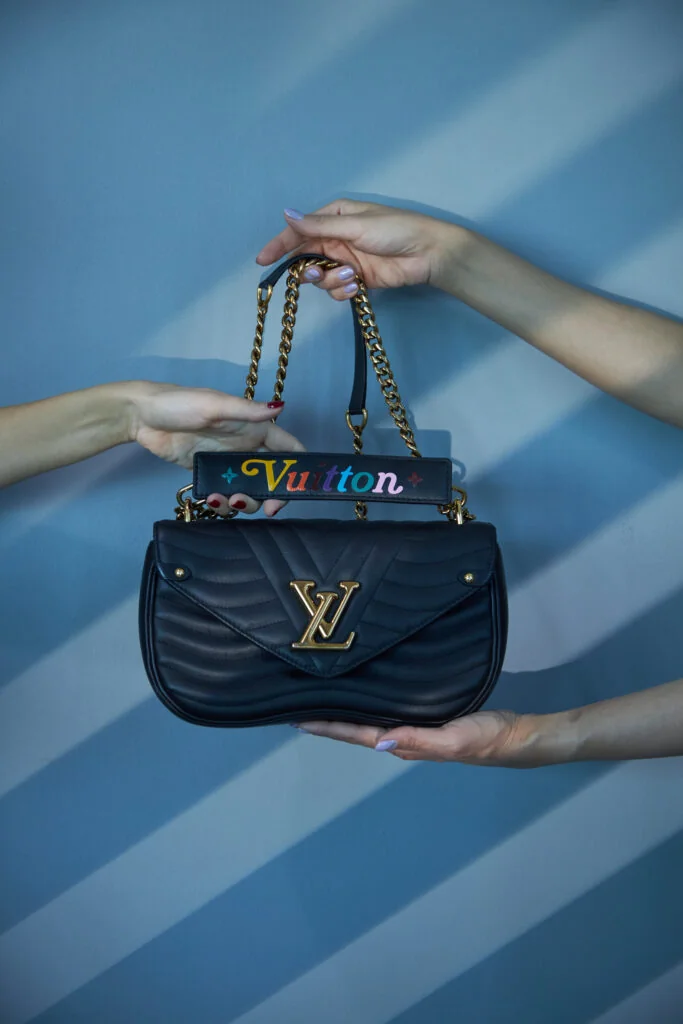
Louis Vuitton’s [[[Monogram canvas](/authentication/how-to-spot-a-fake-neverfull-authentication-guide/)](/authentication/how-to-spot-a-fake-louis-vuitton-bag/)](/buying-guides/most-popular-louis-vuitton-bags-2026/) turns 130 in 2026, and the house is leaning into that milestone hard. The anniversary has brought a wave of capsule collections — Monogram Origine, VVN, and the Time Trunk series — that reinterpret archival codes across the brand’s core shapes, alongside a Spring/Summer 2026 collection that leans into softer, slouchier silhouettes (think the Speedy Soft) next to structured, trunk-inspired newcomers like the Express PM. It’s a lot of noise, and not all of it matters equally if you’re actually trying to decide what to buy.
After years of handling, reselling, and wearing Louis Vuitton pieces across price points, I’ve noticed the same pattern every season: a handful of bags dominate demand and resale liquidity, a second tier rides the current trend cycle, and a small group of genuine grails sit above the conversation entirely, trading closer to auction houses than resale apps.
This guide ranks the most popular Louis Vuitton bags in 2026 using four criteria that actually matter to a buyer weighing a five-figure decision: cultural relevance and recognizability, craftsmanship and daily usability, production scarcity, and resale performance. I’ll also flag where the hype outpaces the practicality, because a bag that’s everywhere on Instagram isn’t automatically the smartest purchase.
The Everyday Icons: Speedy, Neverfull & Alma #
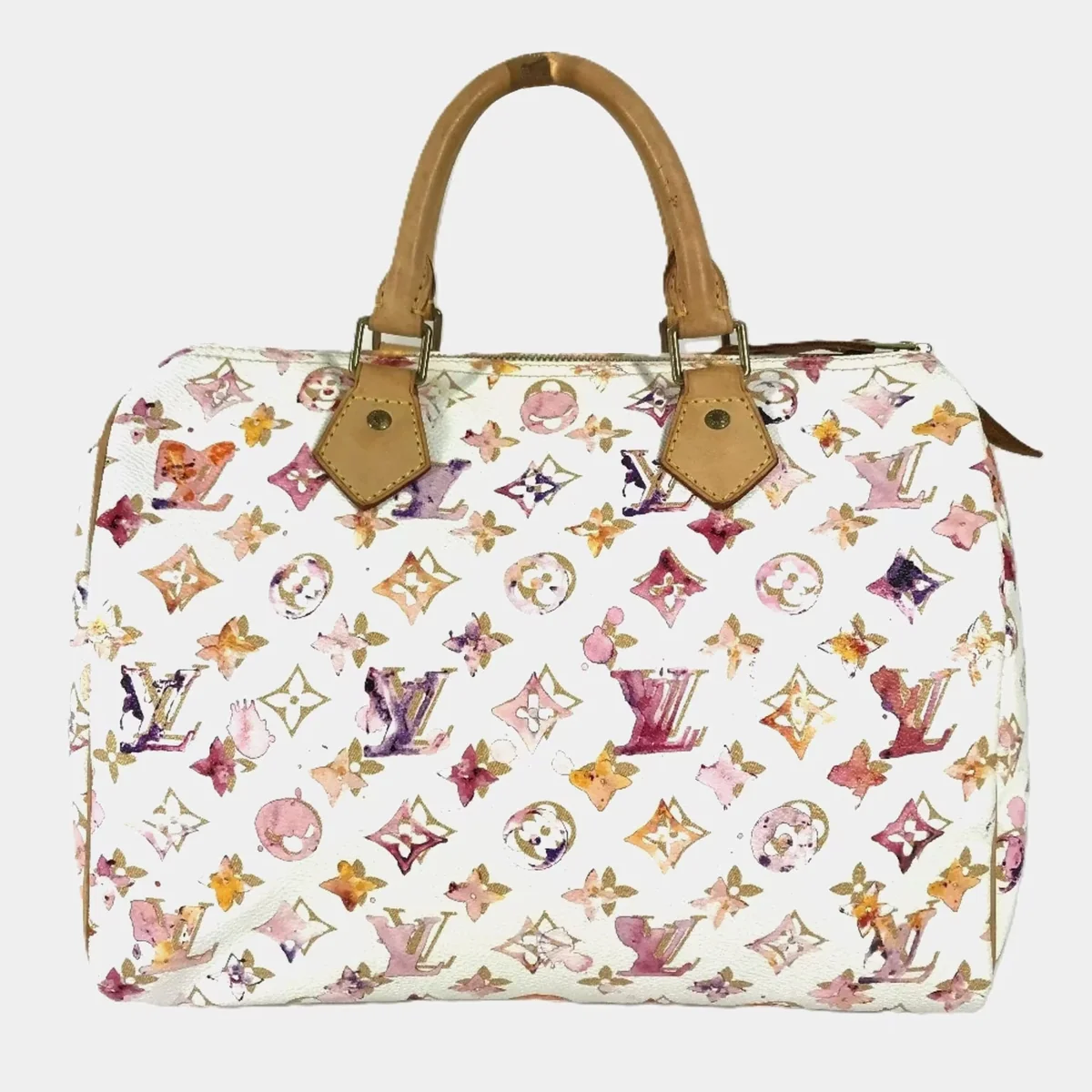
These three bags account for the bulk of Louis Vuitton’s resale volume, and for good reason: they’re the shapes people actually use every day, which keeps demand steady rather than trend-dependent.
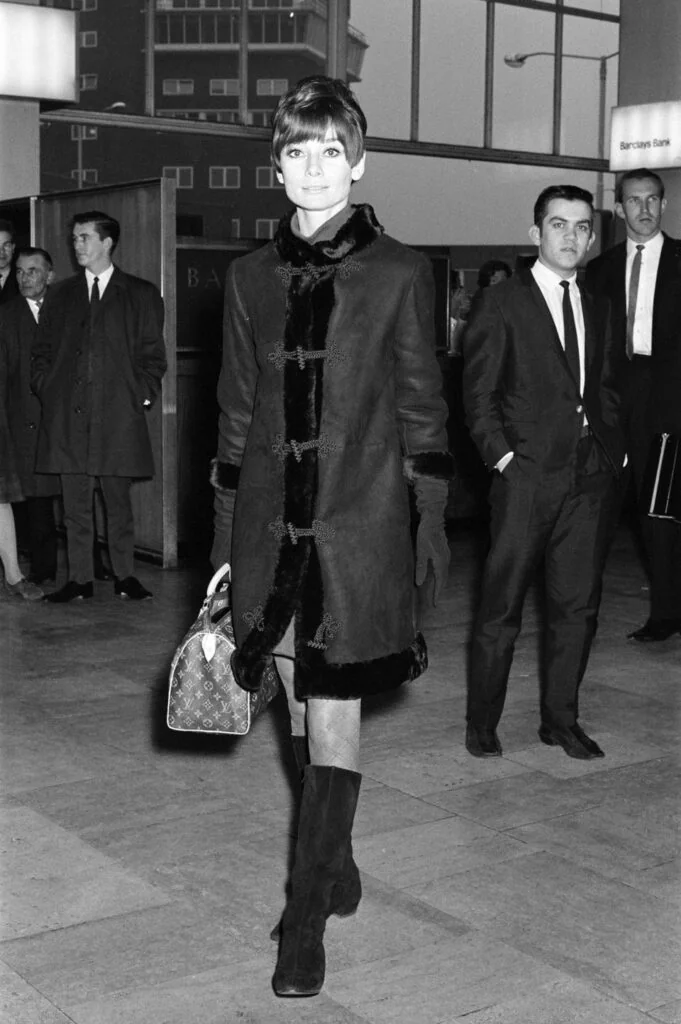
Louis Vuitton Speedy. Originally launched in 1930 as the “Express,” a scaled-down version of the Keepall built for the era’s rapid-transit travel boom, the Speedy didn’t become a cultural fixture until the 1960s, when Audrey Hepburn asked for a smaller 25cm version to suit her frame. Louis Vuitton built it for her, and the Speedy 25 has been in continuous production ever since. It now comes in 25, 30, 35, and 40cm sizes, in Monogram canvas, Damier Ebène, Damier Azur, Empreinte leather, and Epi leather, with an optional Bandoulière strap. Retail runs from roughly $1,980 to $2,320 for canvas versions, more for leather. What I appreciate most is the coated canvas: it shrugs off rain and scuffs in a way leather bags simply can’t, which is part of why it’s stayed a genuine daily-carry bag rather than a special-occasion piece. The downside is real, though — the rolled leather handles patina unevenly and can darken or stain faster than owners expect, and the structured base means it doesn’t hold much beyond the essentials once you go smaller than a 30. Limited runs (Murakami Multicolore, Supreme x LV) and the newer Speedy Soft are driving fresh attention this year, and resale on scarce colorways regularly runs above retail.
Louis Vuitton Neverfull. Launched in 2007, the Neverfull is the bag Louis Vuitton sells the most of, full stop, and that’s both its strength and its weakness. As an open tote with a wide base and side laces, it’s genuinely one of the most functional bags the house makes — MM and GM sizes swallow a laptop, a water bottle, and groceries without complaint. The 2021 redesign added cinching straps and a slightly reinforced base, which helped with the original’s tendency to gape open and sag. Retail sits around $2,150–$2,300 for Monogram canvas MM. My honest take: it’s the bag I recommend to first-time LV buyers for pure usability, but its ubiquity works against it on resale. Because production volume is so high, secondhand prices don’t climb the way Speedy or Alma prices do, and the open top means zero security for anything you’re not comfortable losing.
Louis Vuitton Alma. This one gets underrated. Designed in 1934 by Gaston-Louis Vuitton for the transatlantic liner Normandie and named after Paris’s Pont de l’Alma, the Alma’s trapezoid silhouette with a structured, flat bottom has aged better than most 1930s designs I can think of. It’s most compelling in Epi leather, where the structured shape actually holds up rather than slouching, and in BB and PM sizes it reads as a legitimately grown-up handbag rather than a logo statement. Retail runs $2,900–$3,700 depending on size and material. The catch: the BB size has no shoulder strap option, and the structured shape means less internal room than a tote — you’re carrying a handbag, not a everyday bag. Resale is strong precisely because supply is lower than Speedy or Neverfull, and Epi leather tends to hold its shape (and value) exceptionally well.
Statement Silhouettes and Structured Revivals #
This tier is where 2026’s actual trend cycle lives — bags that aren’t decades-old archetypes but are shaping current demand.
Speedy Soft. Louis Vuitton’s slouchier reinterpretation of its own icon, done in soft calfskin with a drawstring closure rather than the classic zip-top structure. It’s aimed squarely at buyers who want Speedy recognition without the stiff canvas silhouette, and it’s priced accordingly higher, around $3,000–$3,600. It’s new enough that resale data is still thin — I’d treat it as a style purchase right now, not a proven investment, though early secondary listings suggest healthy retention given the low initial supply.
Express PM. New for Spring/Summer 2026 and tied directly to the 130th anniversary’s trunk-making references, the Express PM leans into the structured, trompe-l’œil trunk textures the anniversary capsules are built around. It’s a top-handle bag that reads more architectural than the Speedy, and it’s clearly designed to capture buyers drawn to the anniversary storytelling. As with any brand-new silhouette, I’d wait a season or two before betting on its resale trajectory — first-year prices on new shapes tend to be volatile.
Capucines. Launched in 2013 and made in France, the Capucines is Louis Vuitton’s answer to the quiet-luxury leather bag category that Chanel and Hermès have long owned. It comes in MM, BB, and mini sizes, uses minimal external branding, and retails from roughly $6,500 to $7,700. It’s the bag I point toward when someone tells me they want Louis Vuitton quality without an obvious monogram. Resale holds reasonably well — 65–80% retention isn’t unusual — but sell-through is slower than the canvas icons simply because the buyer pool for a $6,000+ leather top-handle is smaller.
Twist. Introduced in 2015, the Twist’s signature is its LV-shaped twist lock, and it’s built in Epi leather with a structured flap silhouette. It skews toward a younger, trend-driven luxury shopper, retailing around $4,200–$4,900. It’s a genuinely pretty bag, but I’ll be candid: resale on the Twist is the softest of this group, typically 60–70% retention, because it hasn’t built the same decades-long cultural footprint as Capucines or the older icons.
Collector’s Grails and Limited Editions #
Above the trend tier sits a small group of bags that behave more like collectibles than handbags.
Petite Malle. Launched in 2014, the Petite Malle is a miniature trunk bag that directly references Louis Vuitton’s origins as a trunk maker, structured with brass corners and leather trim. In canvas or leather it retails from roughly $6,900 to $8,900; in exotic skins like crocodile or lizard, prices climb to $20,000–$55,000 or more. This is the bag that actually sells above retail at auction for rare colorways and exotic materials, because production is genuinely scarce and the design ties directly into the brand’s founding story — which matters enormously to serious collectors. I’ve watched exotic Petite Malles sell for 130–160% of original retail in the right auction, though ordinary canvas versions are far more modest performers.
Time Trunk capsule. The anniversary-specific capsule reworking the Speedy, Alma, and other classics in trompe-l’œil trunk textures is this year’s most talked-about limited run. History is instructive here: past capsules like the 2003 Murakami Monogram Multicolore and the 2017 Supreme x LV collaboration went on to trade for three to five times their original retail once production stopped and demand kept climbing. That said, I’d caution against assuming every anniversary piece follows suit — plenty of limited editions from other years simply flooded the secondary market and settled below retail. Genuine appreciation requires real scarcity plus lasting cultural relevance, not just a limited-edition label.
Price and Resale Value Compared #
These figures are directional benchmarks drawn from current retail pricing and resale/consignment activity I track regularly, not formal appraisals — actual resale price depends heavily on condition, material, and colorway.
| Bag | Retail (2026 est.) | Typical Resale Range | Resale Retention | Liquidity |
|---|---|---|---|---|
| Speedy 25/30 (canvas) | $1,980–$2,320 | $1,300–$2,600+ | 70–90%, higher for rare prints | Very high — sells fast |
| Neverfull MM | $2,150–$2,300 | $1,200–$1,800 | 55–75% | High volume, but price-capped |
| Alma BB/PM (Epi) | $2,900–$3,700 | $2,000–$3,200 | 70–85% | High, structured shape ages well |
| Speedy Soft | $3,000–$3,600 | $2,200–$3,000 | 70–80% (early data) | Moderate — track record still building |
| Capucines MM | $6,500–$7,700 | $4,500–$6,500 | 65–80% | Moderate — smaller buyer pool |
| Twist MM | $4,200–$4,900 | $2,600–$3,800 | 60–70% | Moderate |
| Petite Malle (canvas/leather) | $6,900–$8,900 | $6,000–$12,000+ | 90–140% on rare colors | Low volume, strong demand |
| Petite Malle (exotic skins) | $20,000–$55,000+ | Often exceeds retail | 100–160%+ | Very low supply, auction-driven |
| Time Trunk capsule | Premium over base style | Early premiums, outcome varies | Unproven | Low initially, high current interest |
The takeaway: canvas icons give you the fastest resale and easiest exit, structured leather bags like Alma and Capucines hold value steadily without much volatility, and true investment upside is concentrated almost entirely in Petite Malle and genuinely scarce limited editions — not in every bag with “limited edition” on the tag.
How to Choose the Right Louis Vuitton Bag for You #
Start with how you’ll actually use the bag, not how it photographs.
- Daily commuter, first LV purchase: Speedy 30 or Neverfull MM. Both are durable, easy to authenticate, and have deep resale markets if your taste changes.
- Work bag that needs to look polished: Alma PM or Capucines BB. Structured shapes hold up better under a laptop bag or tote than soft canvas does.
- Trend-forward, comfortable with some resale uncertainty: Speedy Soft, Twist, or Express PM. Go in knowing you’re paying partly for novelty.
- Collector or investment-focused buyer: Petite Malle in a durable leather, or a genuinely scarce Time Trunk piece. Be selective — buy the rarest colorway or material you can afford rather than the most affordable entry point in the line.
Budget-wise, $2,000–$3,000 covers the core icons in canvas; $4,000–$8,000 moves you into structured leather and Capucines territory; anything above $9,000 is collector or exotic-skin pricing where resale becomes far less predictable.
Buying pre-owned: this is where most of my authentication rules come from experience, not theory.
- Check the date code (older bags) or RFID chip (Louis Vuitton has phased in microchips instead of printed date codes on many bags produced since 2021 — a seller who can’t explain which system their bag uses is a red flag).
- Inspect stitching: Louis Vuitton’s stitching is uniform, tight, and never frayed at seam ends. Wavy or inconsistent stitching is one of the most reliable signs of a fake.
- Check monogram alignment at seams, especially on the Speedy and Neverfull — genuine bags align the pattern carefully across panels; superfakes often don’t bother.
- Buy from platforms or resellers that offer third-party authentication and a return window if authenticity is disputed. A price that’s dramatically below market for a “rare” piece is almost always a warning sign, not a deal.
- For high-value pieces like Petite Malle in exotic skins, ask for the CITES documentation where applicable — reputable sellers will have it.
FAQ #
Which Louis Vuitton bag holds its value best? Among everyday bags, the Speedy and Alma consistently outperform the Neverfull on resale retention because production volume is lower relative to demand. Among collector pieces, the Petite Malle — especially in exotic skins or rare colorways — is the strongest performer, sometimes exceeding original retail.
What’s the best starter Louis Vuitton bag? The Speedy 30 in Monogram canvas. It’s durable, easy to authenticate, holds value well, and works across more outfits and occasions than almost anything else in the lineup.
Do Louis Vuitton bags actually appreciate in value? Selectively, yes. Most core bags depreciate somewhat after purchase, then stabilize. Genuine appreciation is limited to scarce limited editions, discontinued colorways, and exotic-skin pieces — not every bag with a monogram.
Is the Neverfull or the Speedy the better buy? For pure daily function and capacity, the Neverfull wins. For resale value and long-term recognizability, the Speedy wins. If you can only own one, I’d lean Speedy for the stronger secondary market.
Where should I buy an authenticated pre-owned Louis Vuitton bag? Stick to resellers or platforms that provide in-house or third-party authentication, clear return policies on authenticity disputes, and detailed photos of hardware stamps, date codes or RFID details, and stitching. Avoid private sellers offering rare pieces at prices well under market value.
Is now a good time to buy into the Monogram 130th anniversary capsules? If you genuinely love a piece and plan to keep it, yes — the craftsmanship is on par with the rest of the current collection. If you’re buying purely for resale speculation, wait until secondary market data on the Time Trunk capsule matures; not every anniversary release becomes a long-term grail.
Related Articles #
- Louis Vuitton Alma Bag: The Ultimate Buying Guide
- Chanel Flap Bag Buying Guide: Sizes, Prices & Deals
- How Pre-Owned Luxury Fashion Is Reshaping the Industry
- Louis Vuitton Alma Bag: Complete Buyer’s Guide 2026
- 50 Best Bags Under $500: Smart Style on a Budget

Keyword index