Introduction #
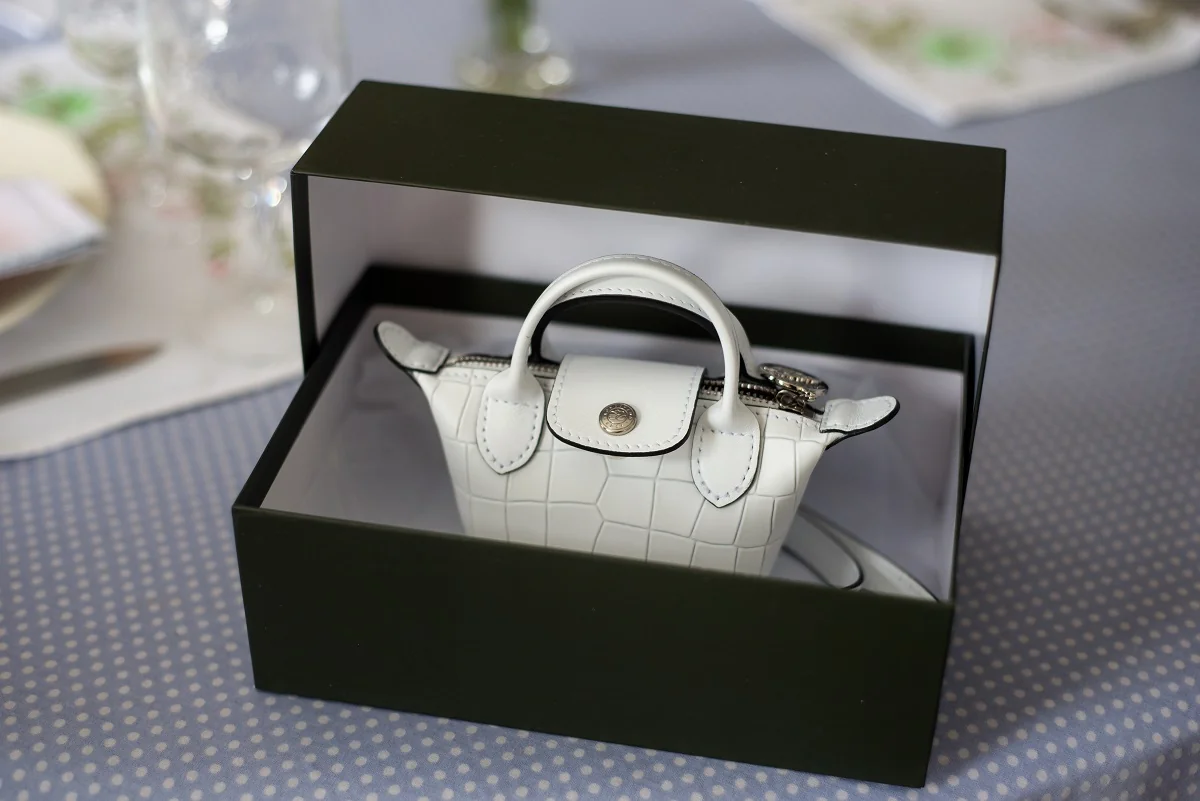
Every so often, a bag comes along that doesn’t ask you to choose a lifestyle before you buy it. The Longchamp Le Pliage bag is exactly that kind of piece, and it’s why we’re featuring it as this week’s Bag of the Week. Most bags in this series live at the upper end of the price spectrum, the kind that make a statement the moment they’re pulled from the dust bag. Le Pliage plays a different game entirely.
This is a bag you’ll see on a first-year university student rushing between lectures, on the shoulder of a consultant catching a 6am flight, folded flat in the bottom of a weekend bag “just in case,” and on the arm of women who’ve owned three or four over the years and have no plans to stop. It’s accessible, it’s genuinely useful, and it has quietly become one of the most recognizable totes in modern fashion without ever chasing hype. For anyone building a collection that mixes investment pieces with reliable everyday workhorses, understanding where Le Pliage fits, and which version actually suits your life, is worth doing properly.
Longchamp & Le Pliage: A Brand Born from Parisian Elegance #
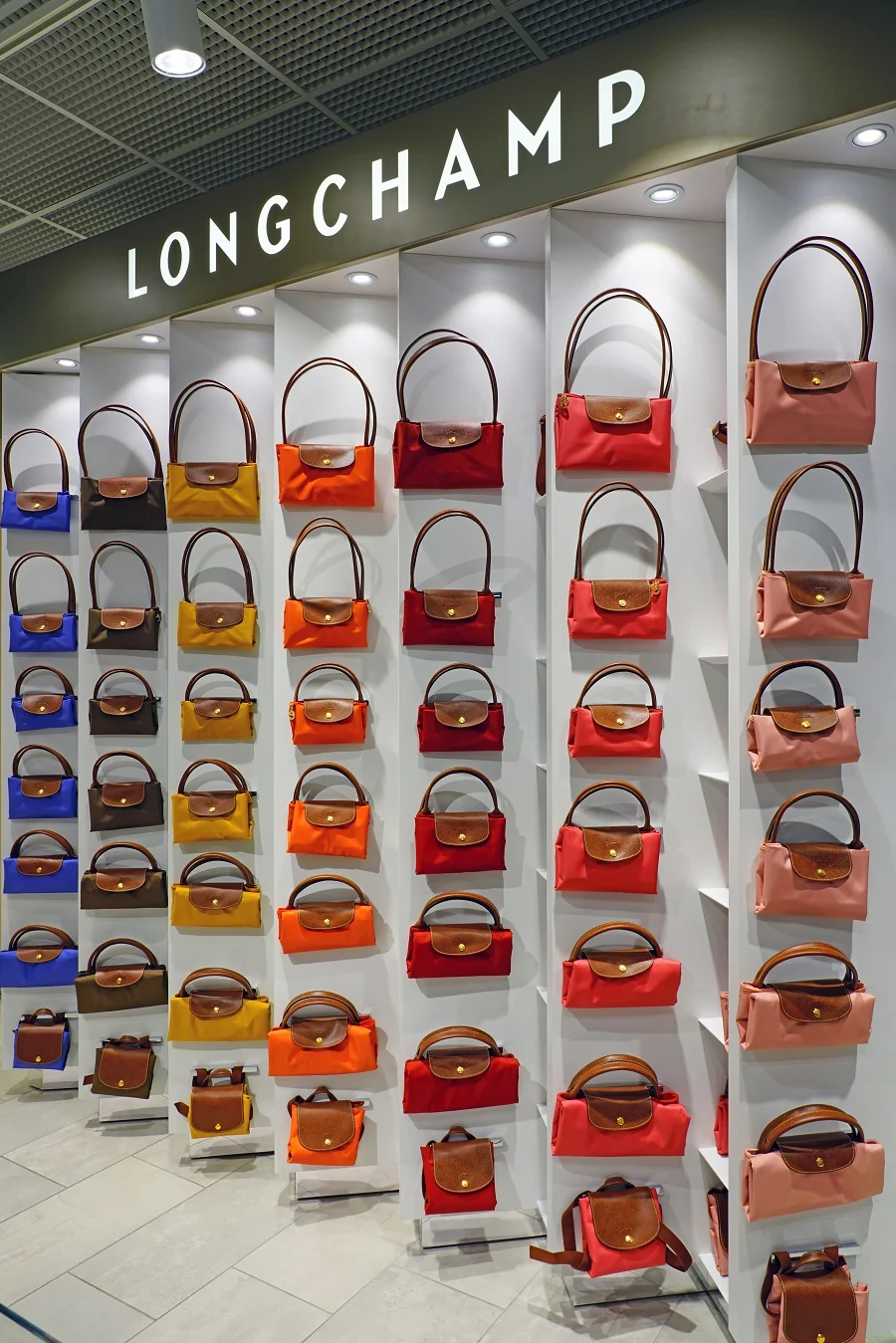
Longchamp was founded in 1948, and from the start it built its identity around a very specific idea of French style: understated, well-made, and never reliant on logos or embellishment to justify itself. While other houses were building empires on [[[monogram canvas](/authentication/how-to-spot-a-fake-louis-vuitton-bag/)](/buying-guides/most-popular-louis-vuitton-bags-2026/)](/buying-guides/louis-vuitton-neverfull-buying-guide/) and hardware-heavy status symbols, Longchamp stayed focused on silhouette, material quality, and quiet confidence. That philosophy is the reason the brand has aged so well. It never overcommitted to a trend it would later have to walk back from.
Le Pliage itself arrived decades later, in 1993, designed by Philippe Cassegrain, a member of the family behind the house. The origin story is one of the more genuinely interesting ones in handbag history: Cassegrain drew inspiration from origami, the Japanese discipline of paper folding, and applied that same logic of precision creasing and compact geometry to a soft, foldable tote. The result was a bag that could collapse into a flat rectangle small enough to slip into a suitcase, then pop back into a full-size tote in seconds. It sounds like a small trick, but it’s the single design decision that built an entire product category around one bag.
Design & Materials: What Makes Le Pliage Iconic #
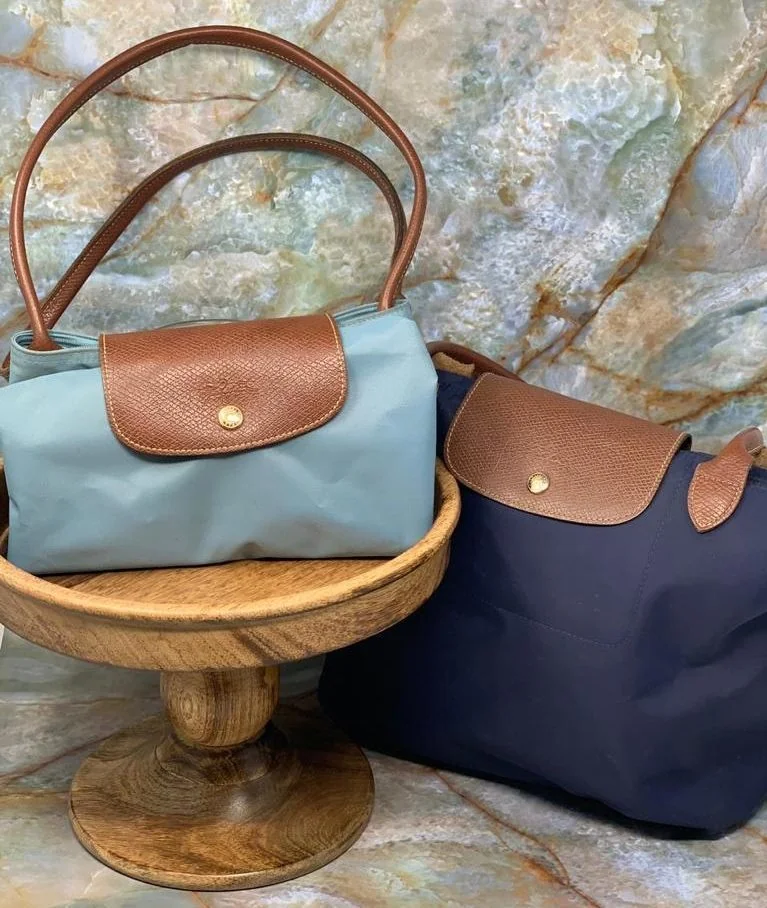
The original Le Pliage construction is deceptively simple, and that simplicity is the point. The body is made from a lightweight nylon, technically a coated canvas in later iterations, paired with leather trim on the handles, base piping, and the signature flap closure. That leather is often described as having a pebbled or diagonal grain finish, a detail worth knowing if you’re trying to spot an authentic bag versus a counterfeit, since the grain pattern and stitching consistency are two of the easiest tells.
A few design elements have stayed constant across nearly every generation:
- The trapezoid silhouette that widens slightly at the top, giving it more visual presence than its actual volume suggests
- A snap-button flap rather than a zip, which keeps the bag fast to access but does mean it’s not fully secure for crowded transit or travel
- Rolled leather top handles with enough drop to wear on the shoulder or carry by hand
- The fold-flat construction, which remains the bag’s defining party trick and the reason it earns a permanent spot in a suitcase
Later editions, including the Le Pliage Néo, swapped the original nylon for a slightly heavier, more structured recycled canvas and added zip closures on some sizes, trading a bit of that original slouchy softness for more everyday durability. If you’ve handled both, the difference is immediately obvious in the hand.
Versatility & Everyday Appeal #
What separates Le Pliage from most “iconic” totes is that it wasn’t designed to be aspirational. It was designed to be used, and used hard. A student can throw a laptop and a water bottle in the large tote without worrying about scuffing an expensive leather base. A frequent traveler can fold it into a carry-on for the inevitable “I need a bigger bag for the flight home” moment. A parent can wipe it down after a spill without panicking about staining suede or delicate hardware. A professional can carry it into a client meeting and it reads as put-together rather than casual, provided the color and size are chosen with a bit of intention.
That range is really the whole appeal. It’s rare for a single bag design to function equally well as a school bag, a diaper bag, a carry-on companion, and a work tote, and Le Pliage manages all four without needing four different bags to do it.
Buying Guide: Choosing the Right Le Pliage for You #
This is where most first-time buyers get stuck, because Longchamp’s range is genuinely wide. Here’s how to narrow it down by what actually matters.
Sizing #
Le Pliage typically comes in small, medium, and large (sometimes labeled short-handle and long-handle variants within each). Small works well as a crossbody or evening-adjacent option; medium is the most popular all-rounder for daily errands and a light laptop or tablet; large is the one to reach for if you’re commuting, traveling, or need to fit a 15-inch laptop plus the rest of your day’s essentials. If you’re buying your first one and unsure, medium is the safer starting point.
Nylon vs. leather vs. Néo #
- Original nylon/canvas Le Pliage: lightest, most foldable, most affordable, and the most iconic silhouette. Best if you want the classic look and maximum packability.
- Le Pliage Néo: heavier recycled canvas, often with a zip top, slightly more structured. Better if you want more security and a marginally more polished look, at a small weight and flexibility tradeoff.
- Leather Le Pliage (Cuir): full leather construction, noticeably more expensive, more prone to scuffing, but reads as a more elevated, less casual bag. This is the version to consider if you want the same silhouette in a dressier material.
Color #
Classic navy, black, and beige remain the best resale performers and the easiest to wear across seasons, which matters if you ever plan to sell. Seasonal colors and prints are fun but tend to depreciate faster and sell more slowly on the resale market.
Price and value #
Retail pricing generally runs from roughly $125-$150 for small nylon totes up to $200-$260 for large sizes, with Néo styles slightly above nylon at comparable sizes, and leather Cuir styles running significantly higher, often $400 and up depending on size and hardware. On the resale market, well-kept nylon Le Pliage bags in classic colors hold value reasonably well relative to their original price point precisely because demand for them never really dips. If budget is the deciding factor, buying pre-owned in a classic size and color gets you the most bag for the least depreciation risk.
Caring for Your Le Pliage Bag #
Le Pliage is genuinely low-maintenance compared to most luxury bags, but “low-maintenance” isn’t the same as “no-maintenance.”
- Cleaning the nylon body: a damp cloth with mild soap handles most everyday marks. Avoid soaking the fabric or machine washing, since it can warp the shape and loosen the leather trim’s stitching.
- Leather trim: keep it away from prolonged sun exposure, which dries and cracks the trim faster than regular use ever will. A leather conditioner applied sparingly every few months keeps it supple.
- Storage: fold it flat and store it in its dust bag if you’re not using it, but if it’s in daily rotation, letting it hold its shape naturally is fine, that’s what it was designed for.
- Hardware and snaps: the snap closure is the most common failure point over years of use. Avoid overstuffing the bag, which stresses the snap and the seam it’s attached to.
- Professional cleaning: for nylon totes in heavy rotation, an occasional professional clean, once every year or two, is usually enough to keep the base and handles looking fresh without over-handling the material.
Long-Term Durability: What Happens After a Year of Daily Use #
Most reviews of Le Pliage stop at the unboxing, which is the least useful moment to judge a bag like this. The real test is what it looks like after a year of actual use, and the honest answer is: it depends heavily on the version and the color.
Nylon originals in dark colors like navy and black age the most gracefully. The fabric develops a slight softness, almost a broken-in feel, without showing visible wear the way lighter colors do. The leather trim is the component to watch: on bags carried daily, expect some darkening and minor creasing at the handle folds within the first year, which most owners consider a feature rather than a flaw since it signals genuine use rather than damage.
The base is the most vulnerable point regardless of color, since it takes the most direct contact and abrasion. Light scuffing on the corners after a year of regular use is normal and doesn’t meaningfully affect resale value if the rest of the bag is clean. The snap closure can loosen slightly with heavy use but rarely fails outright within the first few years.
Néo and Cuir versions tend to show wear differently: Néo’s heavier canvas resists surface marking better but can pill slightly at friction points, while Cuir’s full leather construction will scuff and scratch more visibly than nylon, though it also patinas in a way that many owners find appealing rather than damaging.
FAQ #
How much does a Longchamp Le Pliage bag cost? Retail prices generally range from about $125 for a small nylon tote to $260 for a large one, with Néo styles priced slightly higher and leather Cuir versions starting around $400 and climbing based on size. Pre-owned prices vary widely based on condition, size, and color, but classic colors in good condition tend to hold value well.
How can I tell if a pre-owned Le Pliage bag is authentic? Check the leather trim for a consistent diagonal or pebbled grain, look for clean, even stitching along the handles and base, and confirm the interior lining carries the correct Longchamp branding and material quality. Hardware, including the snap closure and any zip pulls, should feel solid rather than lightweight or loosely attached. If buying through a resale marketplace, prioritize listings with detailed close-up photos of the interior tag, stitching, and hardware, and be cautious of prices that seem unusually low for the size and material.
Is Le Pliage durable enough for daily use? Yes. The nylon body is genuinely built for daily wear, and the leather trim, while it will show some age over time, tends to age in a way that reads as character rather than damage. The most common point of wear is the base and the snap closure, both of which hold up well under normal, non-overstuffed use.
How does Le Pliage compare to other affordable luxury totes? Compared to totes like the Kate Spade or Tory Burch nylon totes, Le Pliage generally offers better material quality and stronger resale demand, largely due to Longchamp’s longer heritage and the bag’s fold-flat functionality, which most competitors don’t replicate. Compared to structured leather totes from brands like Coach, Le Pliage trades some formality for significantly lighter weight and better packability, making it a stronger choice for travel and daily errands rather than polished office wear.
Which Le Pliage size should I buy first? Medium is the safest starting point for most buyers, since it’s large enough for daily essentials and a light laptop without being unwieldy for errands or travel carry-on use.
Related Articles #
- Popular Handbag Brands: Which One Is Right for You?
- Chanel Handbag Prices: Iconic Styles & What They Cost
- Fendi First Bag Guide: History, Design & Resale Value
- Which Chanel Bag to Buy? Style Guide by Body & Budget
- Louis Vuitton Saumur Bag Guide: History, Value & Tips
Related guides
- Online Bag Authentication: What Photos Can and Cannot Prove
- Blue Crocodile Lady Dior Tote: Buying Guide
- Chanel Vintage Flap Bag Buying Guide: Navy Lambskin
- Louis Vuitton Palm Spring Backpack: Complete Buyer's Guide
- How to Buy an Authentic Luxury Bag from China Safely
- New vs Pre-Owned Luxury Bags: Which Route Is Right for You?
- Chanel Bag Guide: What to Know Before You Buy
- Luxury Bag Houses


Keyword index