Introduction #
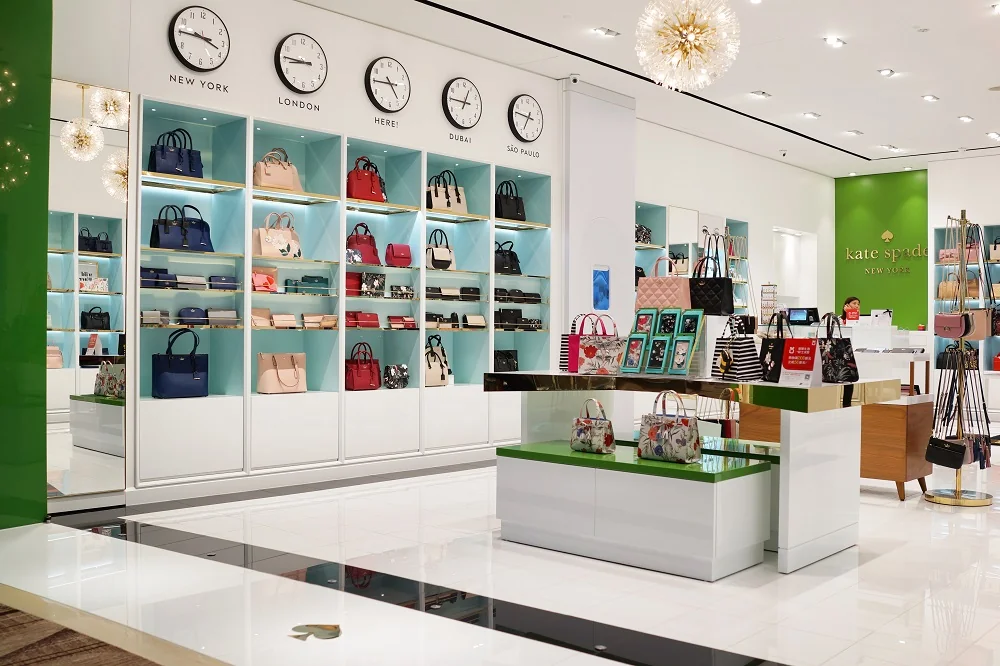
Kate Spade built her brand on a simple dare: what if a handbag could be both smart and joyful? That “Live Colorfully” promise is the reason her bags still sell out decades after the label’s first collection, and it’s also why the resale market for them is so active. Pre-owned Kate Spade bags in strong condition regularly change hands for under $300, sometimes a third of the original retail price, without asking you to compromise on the leather, hardware, or color that made you want one in the first place.
The catch is that “under $300” only feels like a win if the bag is real, correctly priced for its condition, and sized right for how you actually carry things. That’s the gap most roundups skip. Below, we walk through the brand’s history, the authentication checks worth doing before you buy pre-owned, seven verified picks organized by silhouette, and the care habits that keep a Kate Spade bag looking retail-fresh for years.
Kate Spade Brand Heritage: From Six Silhouettes to Cult Favorite #
Kate Spade wasn’t a lifelong bag designer before she started the label. She came from magazine accessories editing, and that eye shows in the brand’s founding logic: in 1993, she launched with just six handbag shapes, each stripped down to a clean silhouette and finished in bold, saturated color instead of the neutral leather that dominated the category at the time. It was a deliberately small, focused debut, not a sprawling collection, and that restraint is part of why it worked. Three years later, in 1996, she opened her first store in New York, and the brand’s combination of architectural shapes and unapologetic color became its signature.
What’s held up over 30 years later is the design philosophy, not just the logo. Kate Spade bags still read as structured rather than slouchy, practical rather than precious, and colorful rather than safe. That mix made the brand a fixture in working women’s closets long before “accessible luxury” was a marketing category, and it’s carried the label through several ownership changes without losing its identity. The social media era gave it a second wind: a younger audience discovered the brand’s spade-shaped hardware and pastel-and-primary palettes as a distinctly photogenic alternative to logo-heavy luxury, and Kate Spade has leaned into that with playful prints and novelty shapes (fringe, animal print, statement clasps) alongside its core totes and satchels. The result is a catalog wide enough to cover totes, crossbody bags, satchels, top-handle bags, and clutches, all recognizably from the same design hand.
How to Spot an Authentic Kate Spade Bag Before You Buy #
Kate Spade sits at an odd intersection for counterfeiters: it’s recognizable enough to fake profitably, but priced low enough that buyers often skip the scrutiny they’d apply to a Chanel or Hermès purchase. That’s a mistake. Before you buy pre-owned, run through these checks.
- Logo plate and hardware finish. The engraved gold or silver spade logo plate should sit flush against the leather with clean, even edges. On authentic bags, hardware has weight to it and a consistent finish; fakes often use lightweight, thin-plated metal that shows brassing or chips at the edges quickly.
- Stitching. Look for straight, evenly spaced stitches with no loose threads, especially along handles and side seams. Kate Spade’s construction is factory-precise; wavy or inconsistent stitching is a red flag.
- Interior lining and labeling. Most Kate Spade bags have a branded fabric lining (often with the spade print or logo repeat) and a fabric or leather tag stitched into the interior, not just glued or printed.
- Serial and creed tags. Depending on the era, look for a numbered creed patch or care tag sewn into an interior pocket. The font, spacing, and placement should be crisp and consistent with the brand’s known formatting for that bag’s production period.
- Zipper pulls. Branded zipper pulls should be stamped, not just embossed with a shallow, blurry logo.
If you’re buying through a reseller, ask directly what authentication process they use before listing. A reputable pre-owned seller should be able to tell you whether the bag was checked by an in-house specialist or a third-party authentication service, and stand behind that with a return or guarantee policy if something’s off.
Best Kate Spade Bags Under $300, By Style #
These are all pre-owned pieces we’d point a first-time Kate Spade buyer toward, grouped by how you’d actually use them.
Satchels #
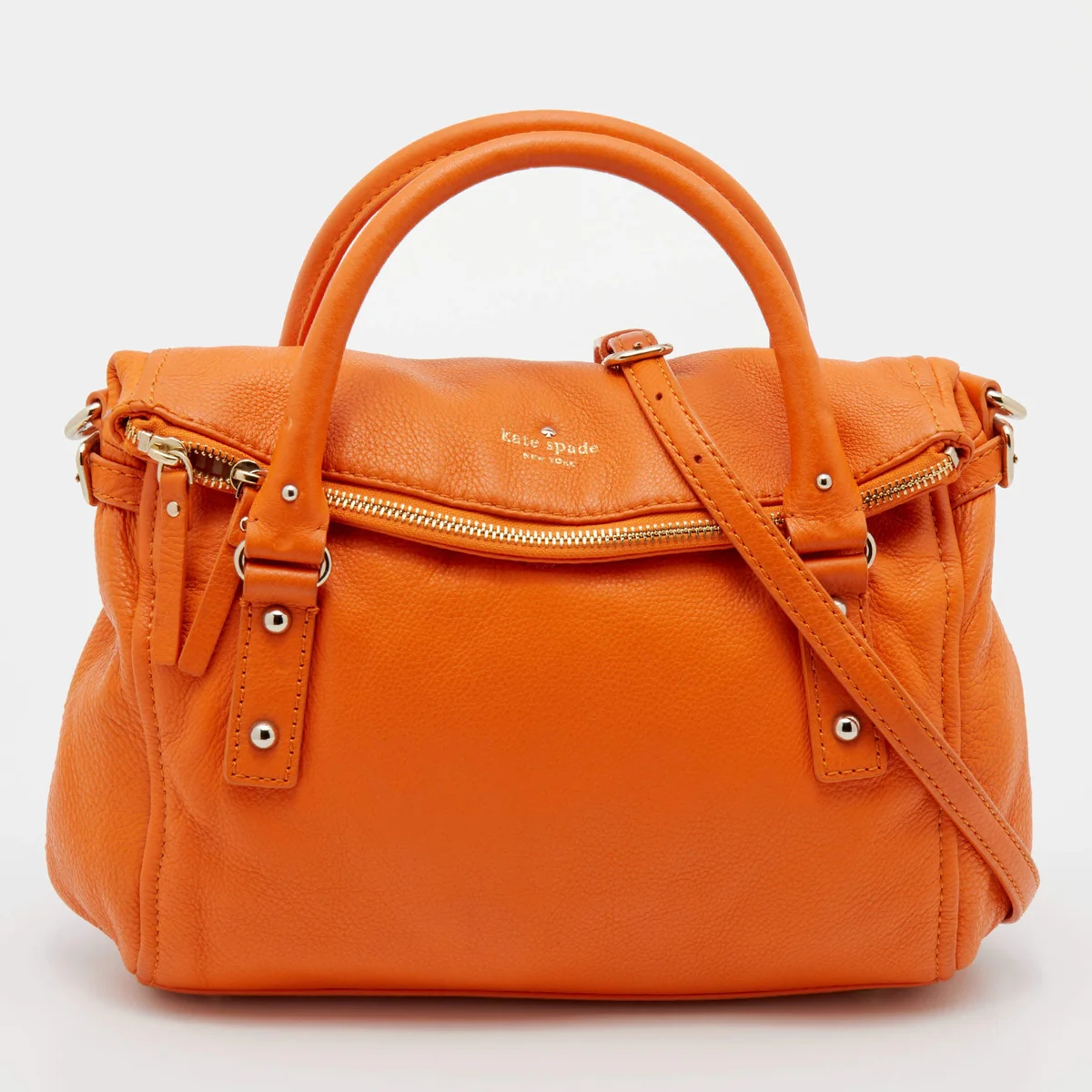
The Cobble Hill Leslie Satchel in orange leather is the pick if you want a structured, everyday bag with a pop of color that doesn’t read as loud. The Cobble Hill line is Kate Spade’s pebbled-leather workhorse family, and the Leslie’s boxy shape holds its form well even after years of use, which is exactly what you want to check for in a satchel this age. In good pre-owned condition, expect to pay around $220–260.
Totes #
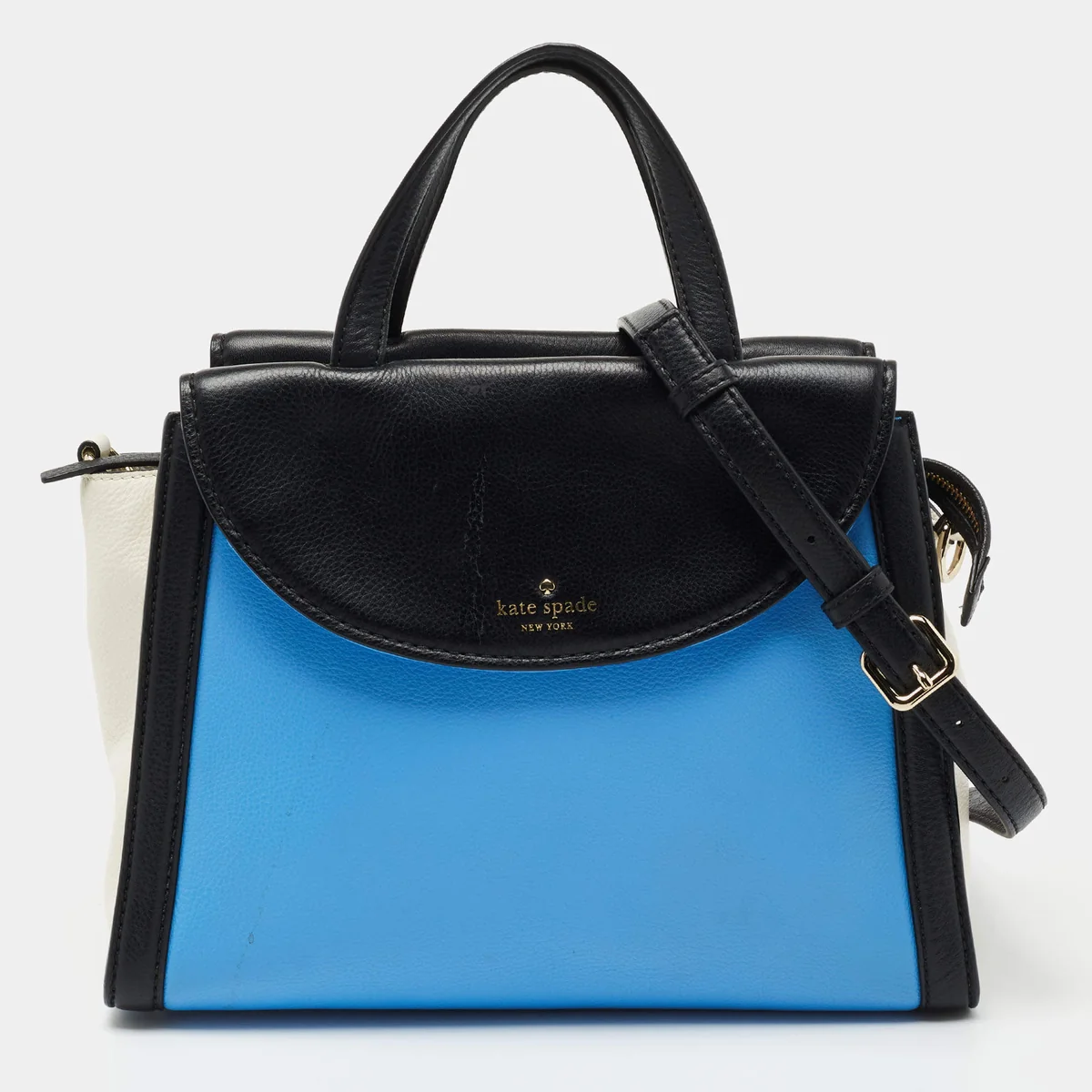
Three strong options here, spanning colorway and use case. The Cobble Hill Adrien Tote in multicolor leather is the most versatile of the three: neutral enough for work, colorful enough to notice. The Cedar Street Hayden Tote in black leather is the safest daily-carry choice if you want one bag that goes with everything. The animal-print fabric and leather tote (brown/black) is the styling wildcard, best for someone who already owns a black or neutral tote and wants texture in rotation. Pre-owned prices for this trio typically run $175–260 depending on condition and hardware wear.
Crossbody Bags #
The Essex Scout Crossbody in pink leather is the standout small-bag pick. It’s sized for essentials only (phone, cards, keys), which makes it a genuinely useful going-out bag rather than a decorative one. Expect to pay roughly $150–190 pre-owned, making it one of the most accessible entry points into the brand.
Top-Handle and Statement Pieces #
The beige/white leather flap top-handle bag covers the clutch-adjacent category: structured, compact, and dressy enough for evening while still having a handle for practicality. For something with more personality, the gold leather fringe Hula Bag is a genuine statement piece, best treated as an occasional-wear bag rather than a daily one given the fringe detailing needs more careful handling. Both land in the $135–210 range pre-owned.
Comparison at a Glance #
| Bag | Style | Approx. Size (L x H x W) | Best For | Typical Pre-Owned Price |
|---|---|---|---|---|
| Cobble Hill Leslie Satchel (Orange) | Satchel | 12" x 9" x 5" | Structured daily carry | $220–260 |
| Cobble Hill Adrien Tote (Multicolor) | Tote | 14" x 11" x 6" | Work or travel | $200–250 |
| Cedar Street Hayden Tote (Black) | Tote | 13" x 10" x 5.5" | Everyday neutral tote | $190–240 |
| Animal Print Fabric/Leather Tote | Tote | 13" x 10" x 5" | Texture, statement carry | $175–225 |
| Essex Scout Crossbody (Pink) | Crossbody | 8" x 6" x 3" | Going-out, essentials only | $150–190 |
| Flap Top-Handle Bag (Beige/White) | Top-handle/clutch | 9" x 6" x 3" | Evening or dressy daytime | $175–210 |
| Fringe Hula Bag (Gold) | Statement/novelty | 10" x 7" x 4" | Occasion wear | $135–210 |
Dimensions are approximate and can vary slightly by production run; always confirm exact measurements with the seller before buying.
Why Pre-Owned Kate Spade Bags Are a Smart Value Buy #
Kate Spade leather and hardware are built to hold up, which is precisely why the pre-owned market for the brand works so well. A well-cared-for Cobble Hill or Cedar Street bag from several seasons ago can look nearly identical to a current one, because the brand hasn’t dramatically overhauled its core leathers or hardware finishes season to season.
The savings are real and not marginal. Retail on a new Kate Spade satchel or tote regularly runs $300–450, sometimes more for special materials or collaborations. Buying pre-owned at $175–260 for the same silhouette in excellent condition isn’t a downgrade, it’s paying for the bag and skipping the new-item markup. There’s also a sustainability argument that’s more than a talking point here: handbags are among the more resource-intensive accessories to produce, and extending a leather bag’s usable life by a second or third owner meaningfully reduces its per-year environmental cost compared to buying new every season.
The honest downside: pre-owned means you’re choosing from what’s currently available, not ordering exactly what you want in your exact color. If you’re set on one specific bag in one specific colorway, pre-owned shopping requires patience and occasional flexibility on color or hardware finish.
Caring for Your Kate Spade Bag #
Kate Spade uses a mix of pebbled leather, smooth leather, and coated canvas across its lines, and each wants slightly different upkeep, but a few habits protect all of them.
- Condition and wipe leather regularly. A light leather conditioner every few months keeps pebbled and smooth leather from drying out and cracking, especially on structured satchels that flex at the same fold lines every time you open them.
- Keep hardware dry. Gold and silver-tone hardware on Kate Spade bags is plated, not solid metal. Avoid letting perfume, hairspray, or moisture sit on the logo plate or zipper pulls, since that’s where plating wears first.
- Store with shape. Stuff totes and satchels lightly with acid-free tissue or a soft cloth when not in use so they don’t collapse or develop permanent creases.
- Spot-clean fabric and coated-canvas pieces immediately. The animal-print and other fabric-based totes are more porous than leather and stain faster; blot spills right away rather than waiting.
- Avoid direct sun for colored leather. Bright orange, pink, and other saturated colorways can fade unevenly with prolonged UV exposure, which is one of the few genuinely brand-specific risks given how color-forward Kate Spade’s palette is.
How to Spot an Authentic Kate Spade Bag #
Beyond the exterior checks already covered, a few detail-level markers separate genuine bags from convincing fakes, and they’re worth knowing specifically because Kate Spade’s own branding has changed across ownership eras.
- Font consistency on the logo plate. Kate Spade has used a few different logo treatments over the years (script, sans-serif block letters, and the current wordmark). A logo plate with a font or spacing that doesn’t match the bag’s apparent production era is a warning sign, not a quirk.
- Dust bag and packaging quality. Authentic Kate Spade dust bags use a consistent drawstring closure and printed logo; low-quality, off-color, or misspelled dust bags are a common tell for counterfeit sellers bundling fake accessories.
- Weight and drape. Authentic leather has a certain give and weight distribution; counterfeit versions using bonded or heavily coated leather often feel stiffer or unnaturally light for their size.
- Price as a signal, not just a number. If a “pre-owned” bag is priced dramatically below the ranges typical for its style and condition (well under $100 for a full-size leather tote, for instance), treat that as a reason to ask more questions, not a lucky find.
- Ask for the authentication paperwork. Any seller offering [[[pre-owned luxury](/buying-guides/best-designer-handbags-worth-buying/)](/buying-guides/replica-vs-pre-owned-bags/)](/buying-guides/luxury-handbag-trends-2024/) should be able to produce or reference the specific check performed (in-house expert review, third-party service, or both). If they can’t explain their process when asked directly, that’s worth weighing before you buy.
FAQ #
Are Kate Spade bags actually worth buying pre-owned, or should I just buy new? If you’re buying leather Cobble Hill, Cedar Street, or similar core lines, pre-owned holds up well because the materials and hardware are consistent season to season. The savings, often 40–60% off original retail, are usually worth more than the marginal newness of a retail purchase, provided the bag has been authenticated and graded honestly.
What does “condition grading” actually mean when buying a pre-owned bag? Reputable resellers typically grade bags on a scale from “pristine/like new” (no visible wear, may still have tags) down through “excellent,” “very good,” and “good” (visible signs of use: corner wear, hardware patina, minor interior marks). Always ask what specific wear a “very good” or “good” grade refers to on the individual bag rather than assuming a universal standard.
Can I get a genuinely authentic Kate Spade bag under $300? Yes. As the picks above show, satchels, totes, and crossbody bags in good pre-owned condition regularly sell in the $135–260 range. The key is buying from a seller with a clear authentication process, not just a low price.
What’s the most common giveaway on a fake Kate Spade bag? Hardware quality. Thin, lightweight, or unevenly finished metal on the logo plate and zipper pulls is the single most consistent tell across counterfeit Kate Spade bags, more reliable than logo fonts or stitching alone since those can be replicated more convincingly.
Do Kate Spade bags hold their value on resale? Modestly, not dramatically. They’re not investment pieces the way some ultra-luxury bags are, but well-maintained core styles in leather (rather than trend-driven prints) tend to sell reliably in the pre-owned market, which is part of why buying one used at a fair price is a low-risk way to try the brand.
Related Articles #
- Why the Chanel Crossbody Bag Never Goes Out of Style
- Designer Bags Under $1000: A Smart Buyer’s Guide
- Party Season Bags: 4 Silhouettes You Actually Need
- Chanel Handbag Prices: Iconic Styles & What They Cost
- 5 Iconic Bags Named After Famous Women (Buying Guide)
Related guides
- Online Bag Authentication: What Photos Can and Cannot Prove
- So Kate Pumps Authentication Guide: Spot Real vs Fake
- Blue Crocodile Lady Dior Tote: Buying Guide
- Chanel Vintage Flap Bag Buying Guide: Navy Lambskin
- How to Buy an Authentic Luxury Bag from China Safely
- New vs Pre-Owned Luxury Bags: Which Route Is Right for You?
- Chanel Bag Guide: What to Know Before You Buy
- Luxury Bag Houses


Keyword index