Introduction #
Shopping for a designer handbag usually starts with a wish list and ends with sticker shock. A single Hermès Kelly can run six figures at retail resale, and even “entry-level” pieces from Chloé or Gucci often clear $2,000 new. For most buyers, that math doesn’t work — but it also doesn’t mean the designer bag category is off-limits.
The secondary market has quietly become the smartest place to shop for leather goods. Pre-loved designer bags under $1000 give you access to the same hardware, the same hides, and often the same construction as a brand-new piece, minus the depreciation hit that hits the moment a bag leaves the boutique. The catch is that buying pre-owned comes with its own homework: verifying authenticity, understanding condition grading, and knowing which styles actually hold their value. This guide walks through all of it, with specific picks under $1000 across Gucci, Tory Burch, Chloé, Kate Spade, and Michael Kors.
Why Buy a Budget Designer Handbag #
“Budget” and “designer” sound like they shouldn’t belong in the same sentence, but the two intersect more than people expect once resale enters the picture.
Craftsmanship that outlasts fast fashion. Designer houses build bags to be repaired, not replaced. Full-grain leather, reinforced stitching, and metal hardware (rather than plastic) mean a well-cared-for bag can realistically last 10-20 years. A $150 fast-fashion tote rarely survives two.
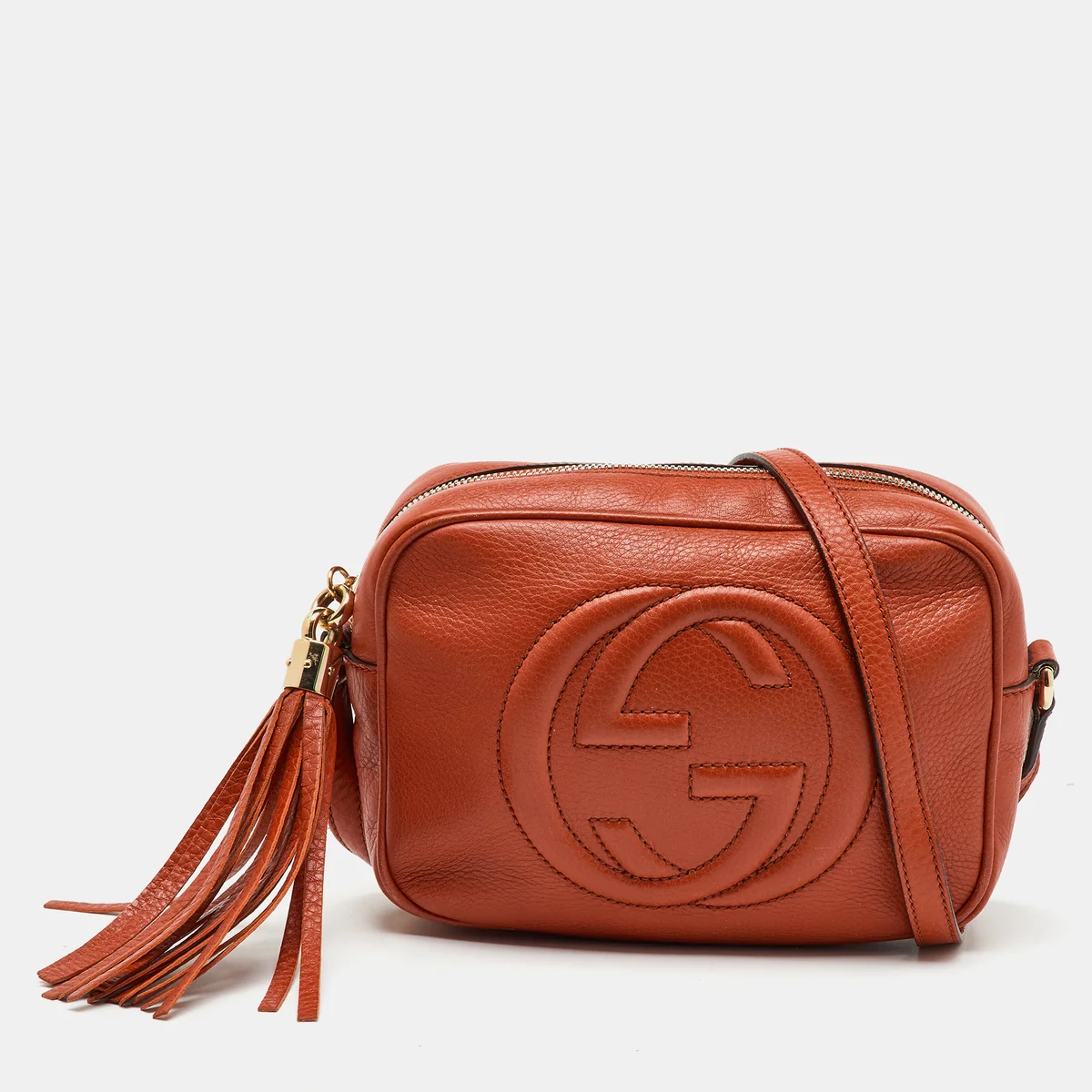
Silhouettes that don’t expire. Trend cycles move fast, but certain designer shapes have stayed relevant for a decade or more. The Gucci Soho Disco crossbody and the Michael Kors Mercer Gallery tote are good examples — both launched years ago and still read as current because the design is simple enough to avoid dating.
Lower barrier to entry than people assume. Owning a recognizable designer piece used to be reserved for a narrow slice of shoppers. Resale, combined with social media normalizing pre-loved fashion, has opened that category up considerably. A well-chosen bag under $1000 signals the same taste level as one that cost three times as much new.
One bag, multiple use cases. At this price point you’re not locked into a single “special occasion” bag. A structured satchel covers the office, a crossbody covers errands and travel, and a studded shoulder bag covers evening wear — all without touching four figures.
The honest tradeoff: budget designer bags at this price are almost always pre-owned or from more accessible houses (Tory Burch, Kate Spade, Michael Kors) rather than the top-tier names (Hermès, Chanel). If your goal is a Kelly or a Birkin, $1000 buys you research time, not the bag. But if your goal is a genuine, well-made designer piece you’ll actually use daily, this price band is where the value is strongest.
Top Pre-Loved Designer Bags Under $1000 #
These picks span crossbody, satchel, and shoulder styles, so you can match the shape to how you’ll actually use the bag rather than buying on logo recognition alone.
Everyday crossbodies #
The Gucci Soho Disco in small size is one of the most consistently available Gucci styles on resale, typically landing between $650-$950 depending on leather color and hardware condition. The long strap and lightweight structure make it a genuine daily-wear bag rather than a special-occasion piece, and the disco-style front pocket keeps essentials accessible without digging through a full interior. Warm tones (like tan or the autumnal orange colorways) tend to show wear less visibly than black patent, which is worth factoring in if you’re buying for everyday rotation.
Structured satchels for work #
The Kate Spade Mini Margaux Satchel and similar structured Kate Spade pieces usually sit in the $250-$450 range pre-owned, making them the most accessible entry point on this list. The saffiano-style leather resists scratching better than smooth calfskin, which matters for a bag going in and out of a work bag or under a desk daily. It’s not the most “investment grade” piece here, but it’s the easiest bag to buy with zero hesitation.
Chain-strap shoulder bags #
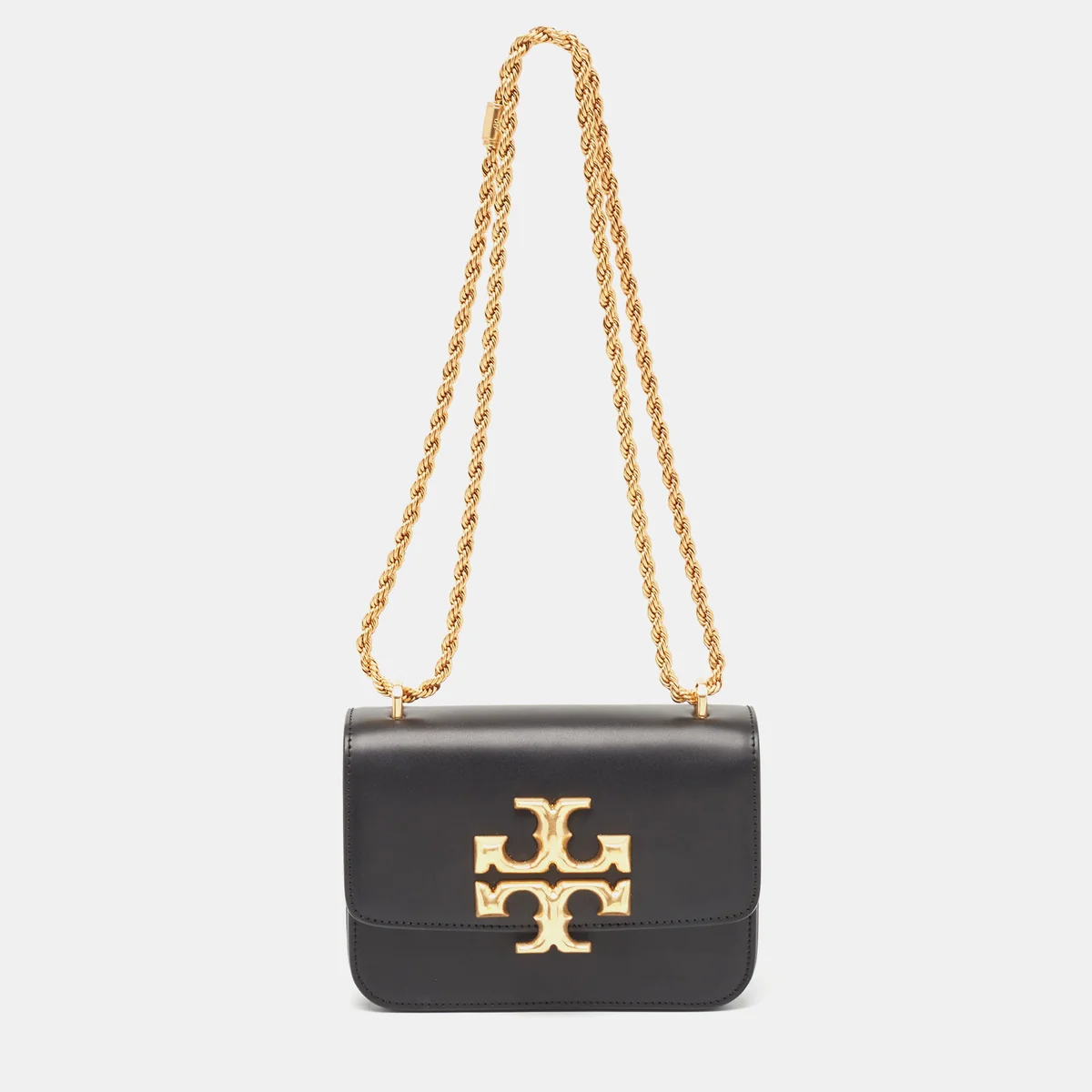
The Tory Burch Small Eleanor Shoulder Bag blends a chain-link strap with a clean leather body, typically priced $350-$600 pre-owned. It’s the most versatile piece on this list in terms of dress code — the gold hardware and structured shape read polished enough for a dinner but the size and chain strap keep it from feeling overdressed at the office.
Statement pieces with edge #
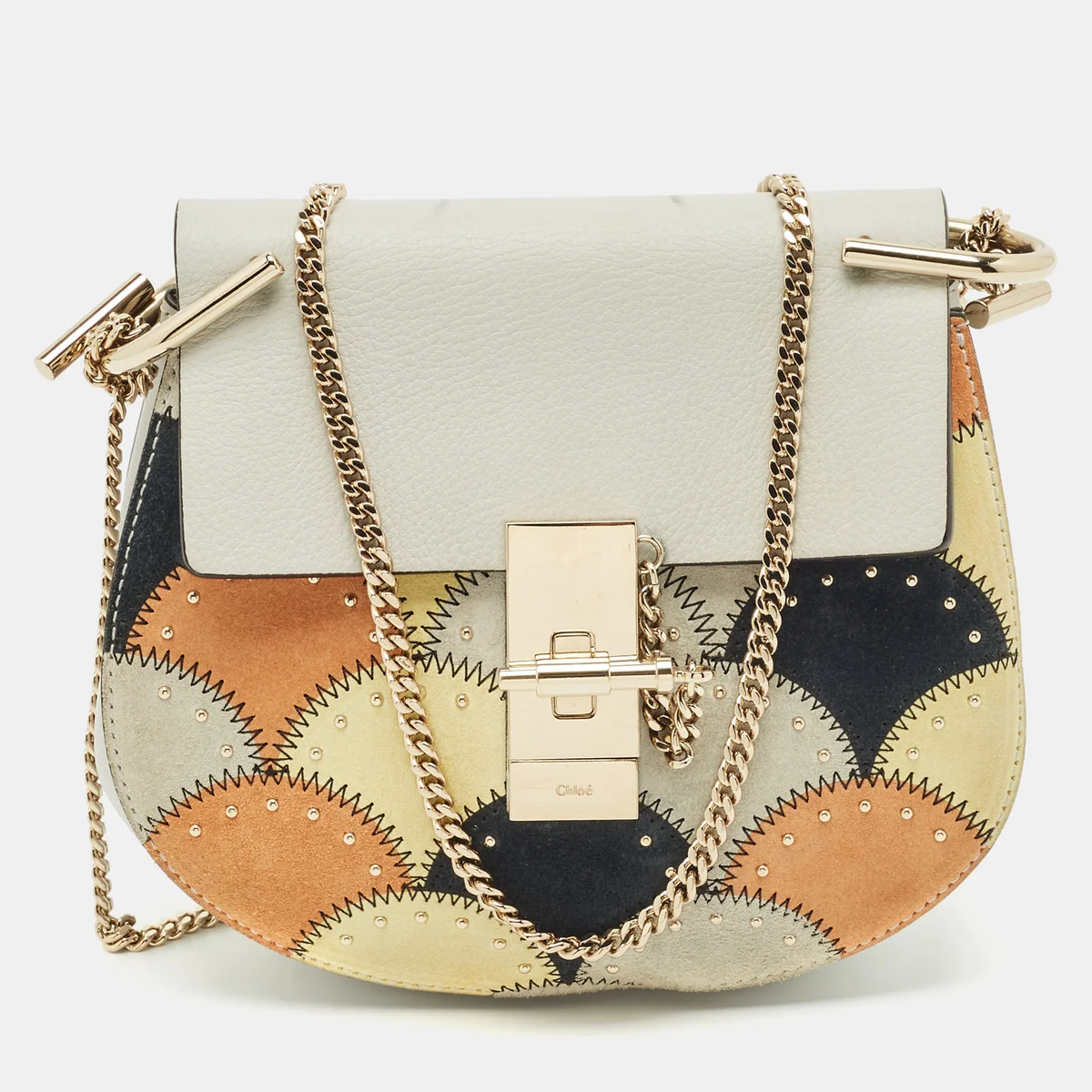
The Chloé Studded Patchwork Drew Bag is the priciest entry here, generally $800-$1000 depending on condition, since Chloé’s resale market runs firmer than Tory Burch or Kate Spade. The pin-lock closure and gold studding give it more visual interest than a plain leather bag, and the rounded silhouette has stayed part of Chloé’s core lineup for years rather than being a one-season design.
Classic totes #
The Michael Kors Mercer Gallery Tote rounds out the list as the most practical option for anyone who needs a real work-and-travel bag — expect $150-$350 pre-owned. It won’t carry the same resale cachet as the others, but it’s the most functional day-to-day carry-all on this list and the lowest-risk purchase for a first designer bag.
How to Choose the Right Budget Designer Bag #
Buying under $1000 doesn’t mean buying blind. A few factors separate a smart purchase from a regretted one.
Match the size to how you actually live #
A crossbody like the Soho Disco works for someone who wants hands-free carry and doesn’t need to fit a laptop. A satchel like the Margaux or Eleanor suits someone commuting with a phone, wallet, and a few essentials. If you’re trying to replace a work tote, none of the crossbody-sized bags here will do that job — go with the Mercer Gallery tote instead. Buying the “prettiest” bag in a size that doesn’t fit your routine is the single most common resale regret.
Consider material against your climate and habits #
Smooth calfskin (common on Chloé and Tory Burch pieces) shows scuffs more readily than pebbled or saffiano leather (common on Kate Spade and Michael Kors). If you’re rough on bags — tossing them on floors, overpacking them — a textured leather will hide daily wear better than a smooth one.
Check hardware condition, not just the leather #
On brands like Gucci and Chloé, gold-tone hardware is a major part of the visual identity, and it tarnishes before the leather shows real wear. Look closely at clasps, zipper pulls, and logo plates in listing photos — brassing or discoloration there is a bigger tell of heavy use than a slightly softened corner.
Understand condition grading before you buy #
Resale sites typically grade bags on a scale that runs roughly:
- New/Unused – Never carried, often with tags or original packaging, priced closest to retail.
- Like-New/Excellent – Carried a handful of times, no visible flaws, full original hardware shine.
- Gently Used/Good – Normal wear consistent with regular use: minor corner rubbing, slight handle darkening, no structural issues.
- Fair – Noticeable wear, possible interior staining or hardware tarnish, priced accordingly lower.
Most of the bags in the $1000-and-under range fall into “gently used” to “like-new,” which is the sweet spot for value — you’re paying for the craftsmanship, not for pristine newness you’ll undo within a month of carrying it anyway.
Never skip the authenticity check #
Even at this price point, counterfeits circulate. Before buying, cross-reference serial numbers or date codes (where applicable), stitching consistency, and font weight on any embossed logos against verified authentic references. This matters more on frequently counterfeited pieces like Gucci than on Tory Burch or Kate Spade, which are counterfeited less often simply because there’s less financial incentive.
Where to Shop [[[[Pre-Owned Designer Bags](/buying-guides/designer-handbags-for-spring-buying-guide/)](/buying-guides/best-time-to-buy-a-luxury-handbag/)](/buying-guides/replica-vs-pre-owned-bags-smarter-buy/)](/buying-guides/replica-vs-pre-owned-bags/) Safely #
Not all resale platforms verify what they sell, and that gap is where most bad purchases happen.
Look for platforms that explicitly state an in-house authentication process — ideally one involving trained specialists who physically inspect hardware, stitching, leather grain, and interior linings against brand archives, rather than relying only on seller-provided photos. Sites that publish their authentication methodology, or that offer a written authenticity guarantee with recourse if a bag is later found to be counterfeit, are worth prioritizing over marketplaces where anyone can list without vetting.
A few practical checks before you buy on any platform:
- Does the listing show close-up photos of serial numbers, stitching, and hardware — not just styled shots?
- Is there a stated return window if the bag doesn’t match the description or fails a second authentication check?
- Is condition grading defined clearly, rather than a vague “used” label?
- Does the seller or platform own the authentication process, or is it peer-to-peer with no oversight?
Buying from a curated resale platform with in-house authentication generally costs a little more than buying peer-to-peer, but it removes the single biggest risk in this category: paying $800 for a bag that turns out to be a well-made fake.
How We Chose These Bags #
Selection came down to three criteria applied consistently across brands: material quality (full-grain or top-grain leather and metal hardware, not coated canvas or plastic-heavy construction), brand reputation for durability (each house included has a track record of bags aging well over 5+ years of normal use), and resale liquidity (each style shows up regularly on the secondary market, meaning pricing reflects real demand rather than a one-off listing). Styles that were discontinued, hard to authenticate, or inconsistently priced across listings were left off, even when they technically fit the budget.
Resale Value: Which of These Bags Hold Up Best #
Not every designer bag holds value the same way, and price-at-purchase doesn’t always predict resale strength.
The Gucci Soho Disco tends to hold value best on this list. Gucci’s brand strength and the bag’s steady demand mean depreciation slows considerably after the first year of ownership — a well-maintained one can resell for 60-70% of its pre-owned purchase price years later.
The Chloé Drew holds up nearly as well, particularly in neutral colorways; the studded patchwork detailing is distinctive enough that demand has stayed fairly stable rather than trend-driven.
Tory Burch and Kate Spade pieces depreciate faster and settle into a lower resale ceiling — they’re excellent value to buy and use, but don’t expect to resell either for much more than 40-50% of what you paid.
The Michael Kors tote holds the least resale value of the group, which is consistent with its position as the most accessible, highest-volume brand here. It’s the right choice if you want a workhorse bag you’ll use until it’s worn out, not the right choice if resale value factors into your decision.
FAQ #
Are pre-owned designer bags under $1000 actually authentic? They can be, but only if the seller or platform authenticates them. Look for an explicit authenticity guarantee and physical inspection process rather than taking a listing’s word for it. Counterfeits do circulate at every price point, and Gucci and Chloé are more frequently faked than Tory Burch or Kate Spade.
What condition should I expect at this price? Most bags under $1000 fall into “gently used” to “like-new” grading — light wear consistent with normal use, full functionality, and no structural damage. True “new” condition on a well-known style is rare below $1000 unless it’s a lower-tier brand like Kate Spade or Michael Kors.
Do pre-owned bags come with a warranty? Rarely from the resale platform itself, though many offer a return or exchange window (commonly 7-14 days) if the item doesn’t match its description or fails authentication. Original manufacturer warranties generally don’t transfer to secondhand buyers, so factor repair costs into your budget if something needs restoration later.
How long does shipping and returns usually take? This varies by platform, but most reputable resale sites ship within a few business days after authentication clears and offer a defined return window rather than final-sale-only policies. Always confirm the return policy before purchase — final-sale listings are a red flag if the platform doesn’t also guarantee authenticity.
Will a budget designer bag actually last? Yes, if it’s genuine and reasonably cared for. The leather and hardware quality on brands like Gucci, Chloé, and Tory Burch are built for years of use, not seasons. Durability drops off with lower-tier materials (coated canvas, plastic hardware), which is one more reason authenticity and material checks matter more than logo recognition.
Is it better to buy new from a lower-tier brand or pre-owned from a top-tier one? For long-term value, pre-owned from a stronger brand usually wins. A pre-owned Gucci at $800 will typically hold value and craftsmanship better over a decade than a new $800 bag from a brand without the same resale demand or material standards.
Related Articles #
- Luxury Fashion Investment: Why Pre-Loved Pays Off
- Handbag Trends 2024: The Bags You’ll Actually Wear
- Hermès Retail vs. Resale: Which Should You Choose?
- Sell Designer Handbags in 2025: Get Paid More, Faster
- Why the Chanel Crossbody Bag Never Goes Out of Style
Related guides
- Online Bag Authentication: What Photos Can and Cannot Prove
- Meet Marwa Azzam Aldabbagh: Kelly Bag Authentication Expert
- Luxury Handbag Authentication Process Explained
- China TikTok Luxury Factory Claims: Fact vs Fiction
- How to Buy an Authentic Luxury Bag from China Safely
- New vs Pre-Owned Luxury Bags: Which Route Is Right for You?
- Chanel Bag Guide: What to Know Before You Buy
- Luxury Bag Houses


Keyword index