Introduction #
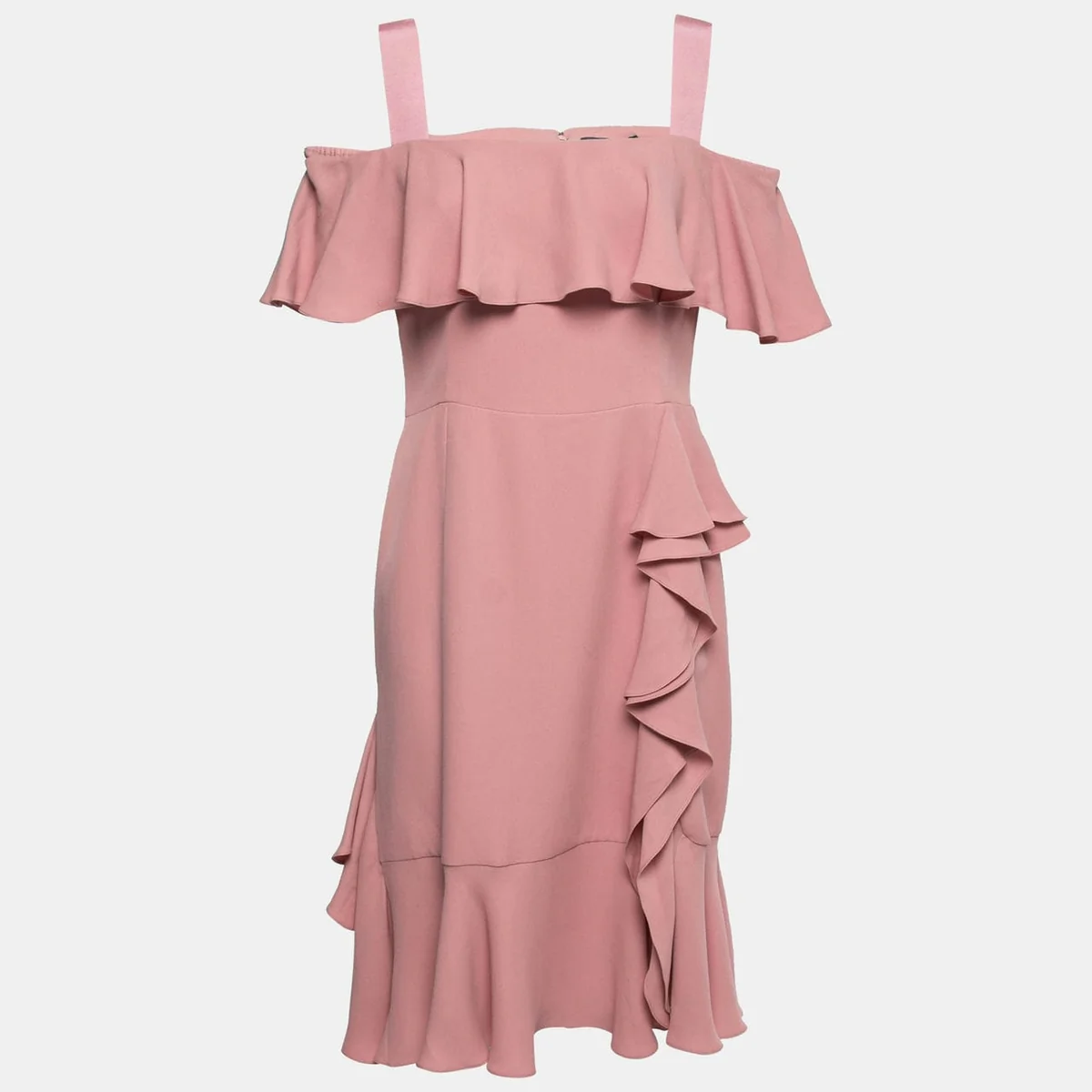
Four seasons in, Emily in Paris has stopped being just a Netflix comfort watch and turned into something closer to a fashion reference library. Every episode drops new outfits that get dissected on TikTok within hours, and the show has quietly become one of the most-searched style inspirations of the streaming era. Part of that is the storyline. But a bigger part is the costume department, which treats Emily Cooper’s closet — and the closets of everyone around her — like a character in its own right.
This guide breaks down what actually makes the show’s fashion work, season by season and character by character, and how to shop it without draining a bank account. We’ll cover the bags and accessories that get the most reader questions, the brands doing the heavy lifting, and where pre-loved and resale pieces fit into recreating the look on a real budget. If you’re the kind of shopper who already knows the difference between a Kelly 25 and a Kelly 28, or who checks hardware stamping before buying secondhand, you’ll recognize a lot of the same instincts apply here — just applied to a wider closet than one brand.
Emily’s Style Evolution Through the Seasons #
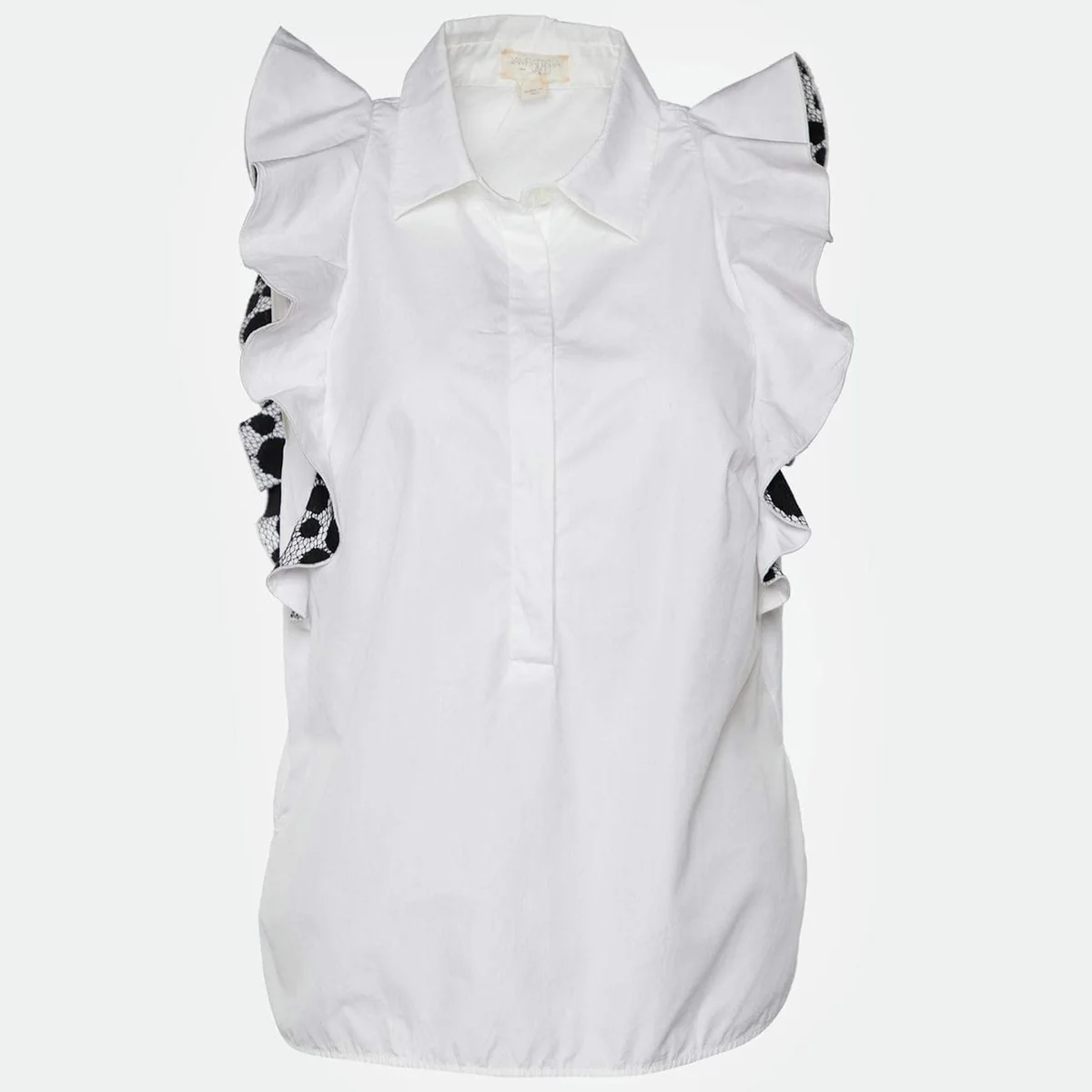
Emily’s wardrobe in season 1 was deliberately loud. Clashing prints, mixed textures, statement berets, and color combinations that shouldn’t work but did — it was costume design built to signal “American in Paris who hasn’t learned the rules yet.” That’s the point. The wardrobe was doing narrative work, showing a character who dressed with enthusiasm rather than restraint.
By season 3, the palette calms down without losing personality. Silhouettes get cleaner, tailoring gets sharper, and the prints that remain are used more sparingly, as accents rather than the whole outfit. Trousers replace some of the mini skirts, coats get more structured, and the accessories start doing more of the talking. It reads as a character who’s absorbed the city’s aesthetic instincts instead of just performing tourist enthusiasm at it. Season 4 leans further into this — more investment-piece energy, fewer costume-y moments, more pieces that could genuinely walk out of the show and into a real closet.
Beyond Emily: Sylvie, Mindy, and Camille #
Emily gets the spotlight, but the supporting cast is arguably where the more wearable style lessons live.
Sylvie Grateau dresses like someone who has never once doubted herself, and the costuming reflects that. Her wardrobe is built on structured blazers, silk blouses left slightly undone, tailored trousers, and a near-constant rotation of monochrome tonal dressing. Sylvie rarely wears a bold print — instead, her impact comes from proportion and fabric quality. It’s the most “old money Parisian” wardrobe on the show, and it translates directly into a workwear capsule.
Mindy Chen gets the maximalist assignment: clashing patterns, sequins, bold color, statement outerwear. Her looks are closer to Emily’s season 1 energy but with more confidence and less randomness — the prints and textures are curated rather than thrown together, which is the difference between “loud” and “chaotic” dressing.
Camille represents the Left Bank, old-family-money aesthetic — soft neutrals, flowing fabrics, minimal jewelry, effortless hair. Her looks are the easiest to recreate on a budget because the formula is simple: quality basics in muted tones, styled with almost no visible effort.
Delicate Details: Signature Accessories and Bags #
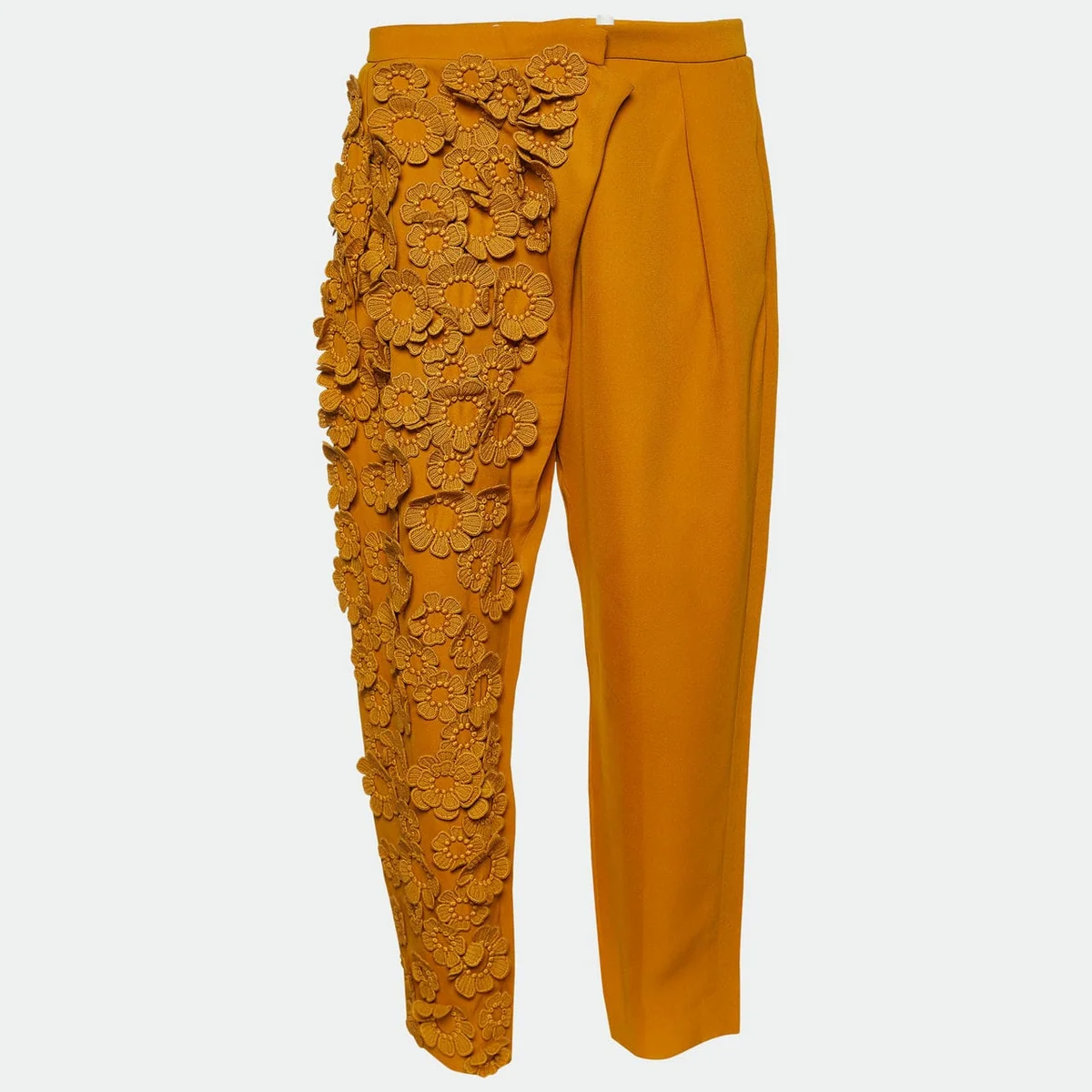
The clothes get the headlines, but the accessories are where the show quietly speaks to handbag people specifically. Emily’s looks are frequently anchored by a single strong accessory — a structured top-handle bag, an oversized bow, a statement beret — rather than layered accessorizing. That restraint is intentional and it’s also the easiest part of the look to copy affordably, since one good bag or one good pair of shoes can carry an otherwise simple outfit.
A few patterns worth noting for anyone shopping the aesthetic:
- Structured top-handle bags appear constantly, echoing the kind of boxy, architectural silhouette that Chanel and Dior have built entire handbag lines around. If you’re already familiar with structured leather goods from following the Hermès Kelly or Birkin market, this is the same design logic scaled down to a more accessible price point.
- Mini bags and belt bags show up heavily in the Mindy and season 1 Emily looks, favoring novelty and color over subtlety.
- Statement heels over sneakers, even in casual scenes, which is a deliberate styling choice to keep every look “elevated” regardless of setting.
For handbag-focused readers, the most useful takeaway isn’t which exact bag appeared in which scene — screen-worn pieces are frequently one-offs, loans, or archive pulls that were never sold at retail. It’s the silhouette logic that’s repeatable: structured over slouchy, one confident color or texture per outfit, hardware that’s visible but not excessive. Buy toward that formula and you’ll get closer to the look than chasing an exact SKU.
The Designer Brands Behind the Show #
The costume department mixes major luxury houses with lesser-known independent labels, which is part of why the show reads as stylish rather than just expensive. Brands that have shown up across seasons include:
- Chanel — tweed jackets, quilted bags, and tonal separates that anchor several of Sylvie’s and Emily’s more polished looks.
- Dolce & Gabbana — used for bold print dresses and going-out looks, leaning into maximalist Italian glamour.
- Kenzo — colorful knitwear and graphic prints that suit the show’s season 1 energy.
- Christian Siriano — red-carpet-adjacent gowns for the show’s more dramatic event scenes.
- Independent and directional labels like Isabel Marant, Chloé, Giambattista Valli, and Just Cavalli appear frequently for texture, print, and silhouette variety without leaning entirely on the biggest houses.
The mix matters for shoppers: not every look requires a five-figure piece. A lot of the show’s visual impact comes from smart pairing — a directional print top with tailored trousers, or a mid-tier statement coat over simple basics — rather than head-to-toe designer.
How to Get the Look #
Recreating this wardrobe on a real budget comes down to three shopping lanes, and most well-built outfits mix all three.
Luxury resale for the anchor piece. One structured bag, one statement coat, or one well-made blazer bought pre-loved does more for an outfit than five fast-fashion pieces combined. Resale pricing on designer bags typically runs 30-50% below original retail depending on condition, demand, and how discontinued the style is. A Chanel medium classic flap that retailed near $10,000 at current pricing can often be found in the $6,500-$8,500 range pre-loved in good condition; a Dior Lady Dior that retails around $6,000-$6,900 frequently resells in the $3,500-$4,500 range. If you’re stepping up to something like a Kelly, expect the opposite pattern — Hermès resale values often sit above retail because of allocation scarcity, so that’s a purchase to make for the bag itself, not as a budget move.
Authentication matters more with resale than with anything else in this closet. Before buying a pre-loved structured bag, check stitching consistency, hardware weight and engraving, interior stamping, and serial or date codes against the brand’s known formatting for that production era. Ask for close-up photos of the interior tag, zipper pulls, and any embossed logos before paying. This is the exact due diligence handbag buyers already apply to Hermès pieces — it applies just as directly to Chanel, Dior, and Celine.
Budget dupes for everything else. High-street pieces do a fine job replicating silhouette and color story for dresses, trousers, and coats — the categories where construction differences are harder to spot at a glance. Save the splurge for the one piece that gets photographed closest: the bag, the shoes, or a standout coat.
Emily in Paris Style Evolution: Season by Season #
Season 1 — Bold, sometimes clashing prints, berets, primary colors, statement tights, and mini skirts. The wardrobe reads as enthusiastic and a little chaotic, mirroring Emily’s fish-out-of-water arc. Accessories tend toward novelty over investment.
Season 2 — Slightly more considered pairing. Prints are still present but less randomly stacked; more use of tailored outerwear and structured bags. This is the transitional season where the wardrobe starts absorbing Parisian influence rather than fighting it.
Season 3 — The most refined chapter to date. Cleaner lines, more monochrome and tonal dressing, sharper tailoring, and accessories doing more of the visual work than print does. Coats get more structured, silhouettes slim down, and the overall vocabulary shifts from “loud” to “confident.”
Season 4 — Builds on season 3’s restraint with more investment-piece styling — pieces that read as genuinely desirable rather than costume-driven. Expect more structured bags, tailored separates, and fewer purely novelty accessories, continuing the trajectory toward a wardrobe you could actually replicate piece by piece.
How to Build a Capsule Wardrobe Inspired by Emily Cooper #
You don’t need the full closet to get the effect. A workable capsule built around the show’s later-season restraint looks like this:
- One structured coat in a strong color — this replaces multiple statement pieces and works over almost everything else in the capsule.
- Two tailored trouser or skirt pieces in neutral or tonal shades, prioritizing fit over trend.
- One printed or textured statement top, used as the “loud” element per outfit instead of stacking prints.
- One structured top-handle bag, bought pre-loved if budget-conscious, chosen for silhouette over logo visibility.
- One pair of statement heels and one elevated flat, so casual days don’t default to sneakers.
- A small rotation of gold-toned jewelry, kept minimal rather than layered.
The formula across every character on the show — not just Emily — is one strong element per outfit, supported by well-fitted basics. That’s a far easier habit to build than trying to recreate any single exact outfit.
FAQ #
What brands does Emily in Paris feature most often? Chanel, Dior, Dolce & Gabbana, and Kenzo appear repeatedly, alongside directional labels like Isabel Marant, Chloé, and Giambattista Valli. The mix of major houses and independent designers is part of the show’s styling strategy.
Can I buy the exact bags and outfits from the show? Rarely as exact matches. Many screen-worn pieces are archive loans, one-off samples, or discontinued styles that were never sold at retail. You can reliably match the silhouette and color story, which gets you most of the visual effect.
Is it worth buying pre-loved designer pieces to recreate the look? Yes, especially for bags and coats, where construction quality is most visible on camera and in real life. Just verify authenticity carefully — check hardware, stitching, and interior stamping before buying any structured leather bag secondhand.
Are there budget dupes that actually work? For dresses, trousers, and simple coats, yes — high-street versions can replicate silhouette convincingly. For structured bags, differences in hardware weight and leather quality are harder to fake convincingly, so that’s the category worth spending real money on, new or resale.
How has Emily’s style changed the most across seasons? The clearest shift is from print-heavy, clashing outfits in season 1 to cleaner, more tailored, tonal looks by season 3 and 4 — the wardrobe matured alongside the character’s confidence.
Do the other characters have distinct style identities? Yes. Sylvie leans structured and monochrome, Mindy leans maximalist and colorful, and Camille leans soft, neutral, and effortless — each offering a different, easier entry point depending on your own closet.
Related Articles #
- Why the Chanel Crossbody Bag Never Goes Out of Style
- Grace Kelly: Style Icon Behind the Hermès Kelly Bag
- Popular Handbag Brands: Which One Is Right for You?
- How to Style a Chanel Classic Flap Bag for Any Outfit
- Designer Handbag Trends 2025: What’s Actually Worth Buying
Related guides
- Online Bag Authentication: What Photos Can and Cannot Prove
- Luxury Handbag Authentication Process Explained
- China TikTok Luxury Factory Claims: Fact vs Fiction
- Chanel 2.55 History, Details & How to Spot a Fake
- How to Buy an Authentic Luxury Bag from China Safely
- New vs Pre-Owned Luxury Bags: Which Route Is Right for You?
- Chanel Bag Guide: What to Know Before You Buy
- Luxury Bag Houses


Keyword index