Introduction: Luxury Doesn’t Always Mean a Luxury Price Tag #
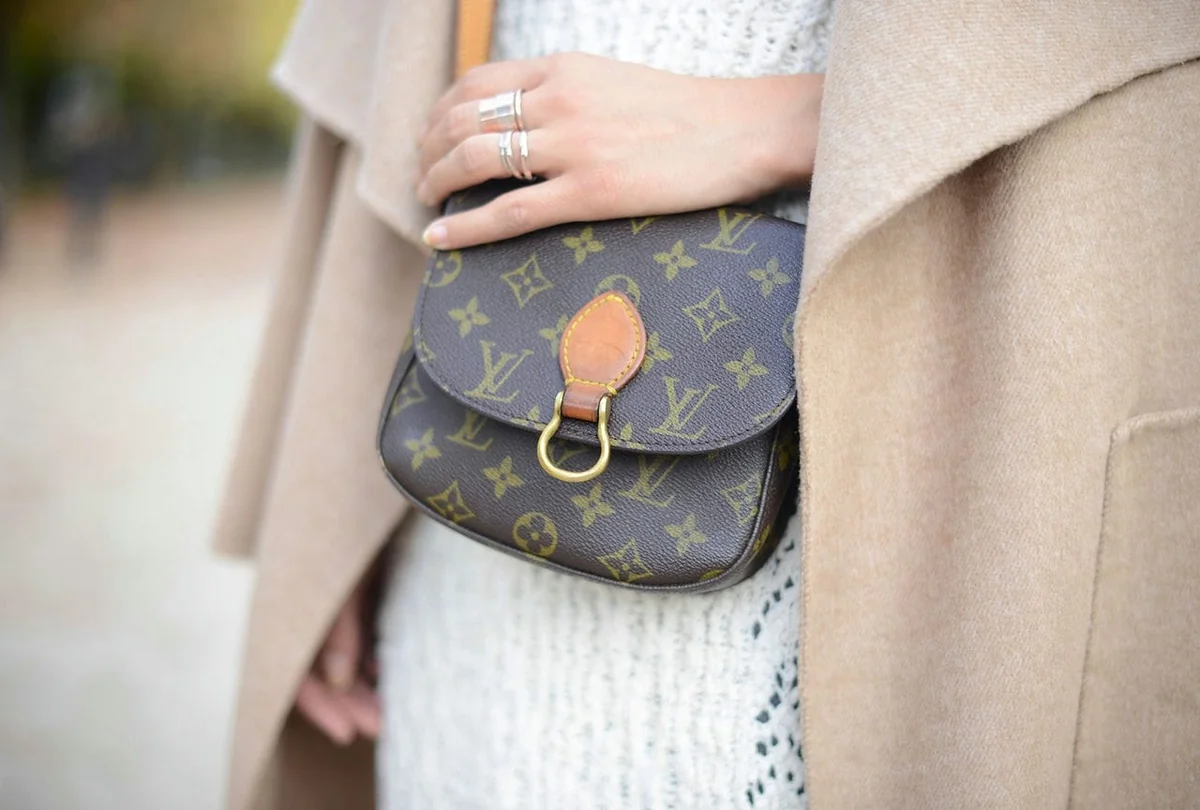
Ask anyone who’s spent time in the resale world and they’ll tell you the same thing: the gap between “designer” and “affordable” is smaller than most shoppers assume. You don’t need a five-figure budget to carry real leather, solid hardware, and a name that holds its value. You need to know where to look, what condition actually means on a listing, and how to tell a genuine bag from a convincing fake.
This guide does both jobs at once. First, a curated countdown of [[[designer handbags](/buying-guides/designer-bucket-bags-buying-guide/)](/buying-guides/chanel-flap-bag-buying-guide/)](/brands/popular-handbag-brands/) under $500 — real models, real materials, real price ranges, pulled from the categories that consistently deliver the best value on the pre-owned market. Second, a working authentication framework, the same checks used by people who inspect bags professionally: hardware weight, stitch density, serial numbers, and the paper trail that should come with any legitimate purchase.
If you’re the kind of buyer who already studies Hermès hardware stampings or knows what a Kelly’s saddle stitching should look like up close, treat this as the entry-level playbook. The habits are identical. Only the price tag changes.
Why Pre-Owned and Discounted Designer Bags Are Worth It #
Fast fashion bags are built to a price point. Designer bags — even the ones sitting at the bottom of a brand’s price ladder — are built to a standard. That difference shows up in full-grain versus bonded leather, in riveted hardware versus glued-on hardware, in a bag that still looks structured after five years instead of collapsing after five months.
Buying pre-owned or discounted is how you access that standard without paying retail. A Coach or Kate Spade bag bought new might run $250 to $400; the same bag a season or two later, in excellent pre-owned condition, often sells for 30 to 50 percent less, with most of the wear invisible unless you’re looking for it. Compare that to a fast-fashion bag, which depreciates to zero the moment you leave the store because there’s no resale market for it at all.
That resale value matters more than shoppers usually give it credit for. A well-cared-for Longchamp Le Pliage or a Louis Vuitton monogram pouch retains enough demand that you can typically resell it later and recover a meaningful chunk of what you paid. It’s the closest thing handbags get to a liquid asset, and it’s the main reason experienced resale buyers treat “discounted designer” as a smarter default than “brand-new mass market.”
The tradeoff is real, though. Pre-owned means someone else’s wear, and discounted often means last season’s colorway or a style that’s been discontinued. Neither is a dealbreaker, but both require the authentication and condition-checking habits covered later in this guide.
Our Top Picks: Designer Bags Under $500 #
We grouped this countdown by category rather than brand alone, because the best value under $500 tends to cluster around specific bag types — the workhorse tote, the packable travel bag, the structured mini. Prices below reflect typical pre-owned/resale ranges, not original retail.
Everyday Leather Totes and Crossbodies #
Coach Gallery Tote, Saddle-colored pebbled leather. This is the bag most resale buyers start with, and for good reason: Coach’s leather-to-price ratio is hard to beat. Look for pre-owned examples in “excellent” condition (light corner wear, clean interior, no odor) running $180 to $260, versus $350+ retail. Good for daily commuting or as a laptop bag — the structured base holds shape even loaded down.
Kate Spade Staci Shoulder Bag, black Saffiano leather. Saffiano’s cross-hatch texture hides scuffs better than smooth leather, which is exactly why it holds resale value well. Expect $150 to $220 pre-owned versus $298 retail. Best for office wear or evenings out where you want structure without bulk.
Canvas and Monogram Classics #
Louis Vuitton Pochette Accessoires, Monogram canvas. The most attainable entry point into LV, and the category where authentication matters most because it’s also the most counterfeited. Genuine pre-owned pieces in good condition (canvas intact, date code legible, vachetta leather trim showing honey patina rather than black mold) sell for $350 to $480. New retail sits well above $600. Works as a crossbody or clutch, and the date code stamped inside is your first authenticity checkpoint.
MCM Mini Visetos Crossbody, cognac coated canvas. A step below LV in prestige but genuinely well-made, with the diamond-monogram pattern that photographs well. Pre-owned range: $180 to $280. Solid weekend or travel bag — the coated canvas resists rain better than most leather at this price point.
Statement Shoulder Bags #
Marc Jacobs Snapshot Bag, saffiano leather in a bold red or two-tone finish. The camera-bag silhouette that defined a whole trend cycle, still holding steady resale demand. Pre-owned condition typically $160 to $240 against a $295+ original retail. Styles well as a going-out bag; the adjustable strap makes it double as a crossbody or top-handle.
Michael Kors Jet Set Travel Tote, saffiano leather, various colors. Practical rather than trendy, which is exactly why it resells consistently. Expect $130 to $190 pre-owned. Best suited to travel days or anything requiring an actual interior — it fits a laptop and then some.
Packable Weekend and Travel Bags #
Longchamp Le Pliage Large Tote, nylon with leather trim. The bag every stylist recommends for its weight-to-capacity ratio. Because it’s nylon, condition assessment is different from leather bags — check zipper function and handle stitching rather than surface wear. Pre-owned: $70 to $120; new retail around $155, so the discount margin here is smaller, but the bag’s practicality justifies buying new if pre-owned stock is thin.
Structured Mini Bags #
Furla Metropolis Mini Crossbody, saffiano leather. The Arch-logo hardware is instantly recognizable and the mini size has stayed in demand for going-out use. Pre-owned range: $120 to $190 versus $298 retail. Good for evenings when you need cards, phone, and keys and nothing else.
Across this list, buyer feedback on resale platforms follows a consistent pattern: people are satisfied when sellers disclose wear honestly and frustrated when “excellent condition” turns out to mean something looser. That’s the single biggest predictor of a good experience — not the brand, the seller’s honesty about condition.
How to Verify Authenticity Before You Buy #
Before you ever open your wallet, run the bag through a physical checklist. This is the same instinct-level inspection that authentication professionals use, scaled down for budget-tier buys where the stakes are lower but the counterfeit risk is often higher, since fakes cluster around popular, attainable styles.
Hardware. Genuine hardware has weight and a cold, dense feel — zinc alloy or brass, not lightweight pot metal. Logos should be crisp with no soft edges, no misspellings, and consistent color across every hardware piece on the bag (zipper pulls, feet, clasps).
Stitching. Count stitches per inch and check for evenness. Authentic bags use consistent stitch length with no loose threads or glue residue peeking out from seams. Crooked or overly wide stitching is one of the most reliable tells on a counterfeit.
Serial numbers and date codes. Most brands stamp a code inside the bag — Louis Vuitton uses a date code format, Coach uses a creed number, Kate Spade often includes a fabric tag with a style number. Cross-reference the format against the brand’s known conventions; a code that doesn’t match the expected structure is an immediate red flag.
Materials and smell. Genuine leather has a specific scent and texture; canvas should feel substantial, not thin or plasticky. A strong chemical smell, especially on a “leather” bag, usually means it isn’t leather at all.
Dust bags and packaging. Not proof on their own — dust bags get faked too — but a legitimate seller who includes original packaging, care cards, and purchase receipts gives you more to verify against.
None of these checks are foolproof individually. Together, they build a picture, and a bag that fails two or more should be walked away from regardless of price.
Where to Shop Safely for Discounted Designer Bags #
Not all discount channels carry the same risk. Curated resale platforms that authenticate inventory before listing — think dedicated luxury resale marketplaces rather than open peer-to-peer apps — are the safest starting point, because someone with training has already inspected the bag before it reaches you. Expect to pay a small premium over raw peer-to-peer pricing for that guarantee, and it’s usually worth it.
In-house authentication services from brands themselves, or third-party authenticators like Entrupy or Real Authentication, are worth using for anything over roughly $150 if you’re buying from an unverified seller. Many of these services will authenticate from photos alone for a flat fee, which is cheap insurance against a $300 mistake.
Peer-to-peer marketplaces and general auction sites carry the highest risk and the lowest prices. If you shop there, watch for these red flags: stock photos instead of the actual item, a seller unwilling to send additional close-up photos of hardware and stitching, prices dramatically below the category’s typical resale range, and listings that avoid stating the brand’s exact model name. A seller who’s confident in what they’re selling will answer detailed questions without hesitation.
Return policies matter as much as authentication claims. Buy from platforms or sellers that offer at least a short return window — it’s the practical backstop for the rare case where something slips through inspection.
Caring for Your Bag to Protect Its Value #
A bag’s resale value is set the day you buy it, but it’s protected — or destroyed — by how you handle it afterward. Store bags upright, stuffed with tissue or a pillow insert to hold shape, inside a breathable dust bag rather than plastic, which traps moisture and encourages mold on leather trim.
Rotate handbags rather than running one into the ground; even light daily use accelerates handle and corner wear far faster than occasional use. Clean leather with a dedicated leather conditioner every few months rather than household cleaners, which strip natural oils. Canvas bags with leather trim, like the LV pieces above, need particular attention to that vachetta leather — keep it away from direct sunlight and moisture to avoid the dark water-staining that tanks resale value.
Address hardware tarnish immediately with a soft polishing cloth rather than letting it sit — tarnish that’s allowed to set in is far harder to reverse and visibly ages a bag in listing photos later.
How to Verify Authenticity When Buying Secondhand #
The physical checklist above covers what to look at on the bag itself. This section covers the process around the purchase, which matters just as much and gets skipped far more often.
Start by requesting documentation before you commit: original receipt, authenticity card, or a prior authentication certificate if the seller has one. A legitimate seller of a genuine bag has no reason to refuse this. Ask for the bag’s full model name and, where applicable, its date code or serial number before you pay — then verify that code independently rather than taking the seller’s word for it.
If you’re buying through a platform, understand exactly what its “authenticated” label actually means. Some platforms have in-house experts physically inspect every item; others rely on automated checks or seller self-reporting. Read the fine print, because “verified seller” and “authenticated item” are not the same guarantee.
For anything above roughly $200, consider paying for independent third-party authentication before finalizing, especially on peer-to-peer platforms. Photograph the item yourself on arrival — hardware stamps, interior tags, stitching close-ups — before use, so you have a documented record if you ever need to dispute authenticity or resell later.
Finally, trust pattern recognition over single details. A counterfeit rarely fails on just one point; it usually fails on several at once — slightly wrong hardware color, slightly wrong stitch count, a serial number format that’s close but not quite right. When multiple small details feel off, that’s the signal to walk away, not to talk yourself into it.
FAQ: Buying Designer Handbags Under $500 #
Can you actually find authentic designer bags under $500? Yes, particularly from brands like Coach, Kate Spade, Marc Jacobs, Michael Kors, Furla, and Longchamp, where original retail pricing already sits in the $150 to $400 range. Higher-tier brands like Louis Vuitton or Gucci are attainable under $500 mainly through smaller accessories and pre-owned pricing, not full-size bags.
Is buying pre-owned designer riskier than buying new? It carries authentication risk that new retail doesn’t, but that risk is manageable with the checks outlined above and largely eliminated by buying through platforms that authenticate inventory before listing.
What’s the biggest red flag when shopping secondhand? A seller who won’t provide additional photos of hardware, stitching, and interior tags, or who pushes for payment methods with no buyer protection. Price alone isn’t the reliable red flag people assume — legitimate discounts do exist.
Do these bags hold resale value if I want to sell later? Reasonably well, provided you maintain condition. Classic, logo-recognizable styles (Le Pliage, LV monogram pieces, Coach leather totes) tend to hold value better than trend-driven pieces, which depreciate faster once the trend passes.
Should I pay for third-party authentication on a budget purchase? For anything under roughly $150, the authentication fee can outweigh the purchase price, so lean on the physical checklist yourself. Above that threshold, especially on peer-to-peer platforms, a paid authentication check is generally worth the cost.
Related Articles #
- Sell Designer Handbags in 2025: Get Paid More, Faster
- Handbag Trends 2024: The Bags You’ll Actually Wear
- How to Buy & Authenticate Pre-Owned Louis Vuitton Bags
- How Pre-Owned Luxury Fashion Is Reshaping the Industry
- Chanel Handbag Prices: Iconic Styles & What They Cost
Related guides
- Online Bag Authentication: What Photos Can and Cannot Prove
- Blue Crocodile Lady Dior Tote: Buying Guide
- Chanel Vintage Flap Bag Buying Guide: Navy Lambskin
- Louis Vuitton Palm Spring Backpack: Complete Buyer's Guide
- How to Buy an Authentic Luxury Bag from China Safely
- New vs Pre-Owned Luxury Bags: Which Route Is Right for You?
- Chanel Bag Guide: What to Know Before You Buy
- Luxury Bag Houses

Keyword index