Introduction #
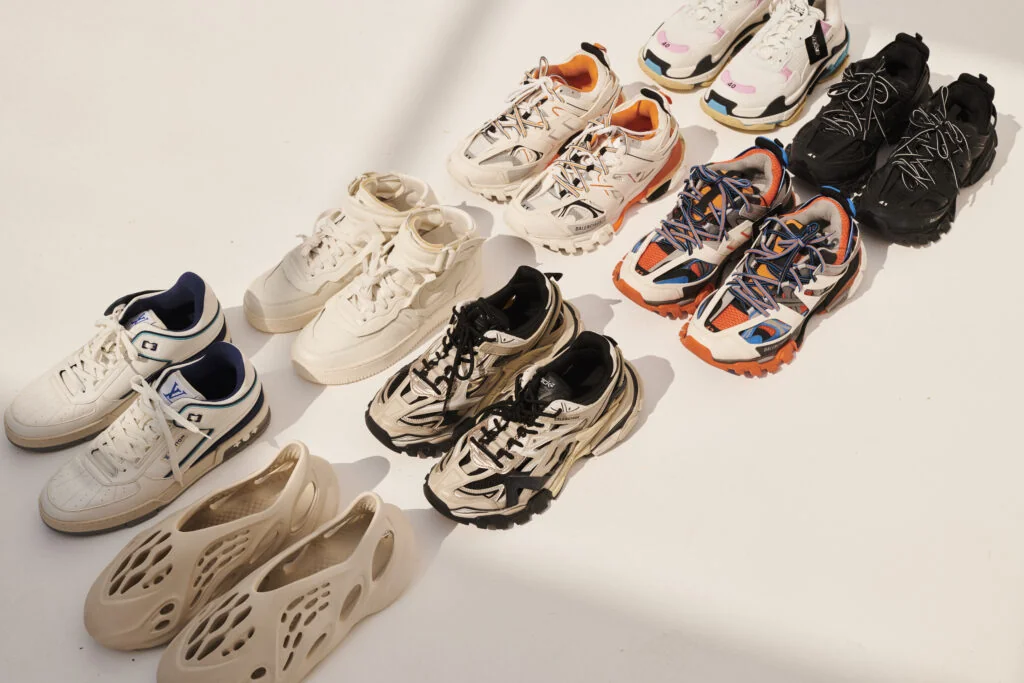
A decade ago, wearing sneakers to a black-tie event would have raised eyebrows. Now it’s just Tuesday. Walk into any gala, boardroom, or wedding reception and you’ll spot a pair of crisp leather low-tops or a chunky designer trainer doing the job a stiletto or oxford used to do.
That shift didn’t happen by accident. Luxury houses spent two decades building sneaker lines with the same materials, craftsmanship, and price logic as their handbags and ready-to-wear, while streetwear brands pushed performance tech into something collectible. The result is a market where a “sneaker” can mean anything from a $70 running shoe to a $1,200 hand-finished Italian trainer, and picking the wrong one wastes money whether you’re spending $70 or $1,200.
This guide breaks down the best sneaker brands for 2026 across both categories, luxury and performance/streetwear, with honest notes on fit, pricing, and where counterfeits tend to slip through. If you’ve ever bought a “great deal” sneaker online and had a nagging feeling about the stitching, the authentication section later in this guide is for you.
From Sports Gear to High Fashion: The Sneaker Revolution #
Built for performance, not for parties #
Sneakers started as tools. Early Converse basketball shoes and Adidas track spikes existed to solve a specific problem: grip, speed, support. Nobody in 1920 was buying a sneaker to make a fashion statement. For most of the century, that stayed true. Sneakers lived in gyms, locker rooms, and PE classes.
Hip-hop and skate culture changed the rules #
The shift started in the 1980s. Basketball culture, hip-hop, and skateboarding turned sneakers into identity markers rather than just gear. Michael Jordan’s rise made a single silhouette, the Air Jordan, into a cultural event with resale lines around the block. Nike, Adidas, and Reebok noticed that sneakers sold better when tied to a personality or a scene, and collaborations became the norm rather than the exception.
Luxury houses moved in #
By the early 2000s, Gucci and Prada started putting sneakers into runway collections, betting that customers who bought $2,000 handbags also wanted comfortable everyday shoes with the same branding. Balenciaga, Louis Vuitton, and Alexander McQueen followed, and the “ugly sneaker” trend of the late 2010s, chunky soles, exaggerated proportions, proved people would pay four figures for a trainer if the house behind it had enough credibility.
From footwear to asset class #
Limited drops, celebrity collaborations, and resale platforms turned certain sneakers into something closer to collectibles than clothing. A pair that retailed at $200 can resell for ten times that within hours. That speculative layer is part of why authentication matters so much now: wherever there’s resale value, there’s a counterfeit market chasing it.
Comfort finally won #
The practical driver behind all of this is simpler than culture commentary suggests: heels and stiff dress shoes are uncomfortable, and once one CEO or one bride wore sneakers to a formal event without consequence, everyone else felt permission to follow. Luxury sneakers exist because people wanted the polish of dress shoes without giving up the comfort of trainers.
How to Choose the Right Sneaker Brand for You #
Before you look at any specific brand, answer four questions honestly. Skipping this step is how people end up with a closet of sneakers they never wear twice.
Match the shoe to how you’ll actually use it #
A gym session, a daily commute, and a dinner reservation need three different shoes. Performance brands (Nike, Adidas, Asics, On, Salomon) are engineered for movement: cushioning, breathability, torsional support. Luxury brands prioritize silhouette and materials, and while some (Balenciaga Track, certain Dior styles) are wearable for light activity, none of them are built to replace a proper running shoe. If you exercise in your $900 designer sneakers, expect the sole to wear unevenly within months.
Set a real budget tier before you shop #
- Budget ($50–$150): Converse, Vans, entry-level Puma and Reebok. Reliable basics, shorter lifespan.
- Mid-range ($120–$220): Nike, Adidas, New Balance, Asics, On Running. Best performance-to-price ratio.
- Premium performance ($200–$350): Salomon, Jordan retro releases, limited collaborations.
- Accessible luxury ($400–$700): Golden Goose, Common Projects, Amiri entry styles.
- True luxury ($700–$1,500+): Louis Vuitton, Gucci, Balenciaga, Dior, Chanel, Fendi, Givenchy.
Knowing which tier you’re shopping in before you browse keeps you from either overpaying for basic tech or underestimating what a genuine luxury pair actually costs (which matters when you’re trying to spot a fake later).
Consider comfort over hype #
A sneaker that looks incredible in photos but pinches at the toe box after twenty minutes isn’t a good purchase regardless of the logo. Try before you buy where possible, and if buying resale or online, check brand-specific return policies. Comfort complaints are the single most common regret buyers report with hyped luxury drops.
Factor in occasion and versatility #
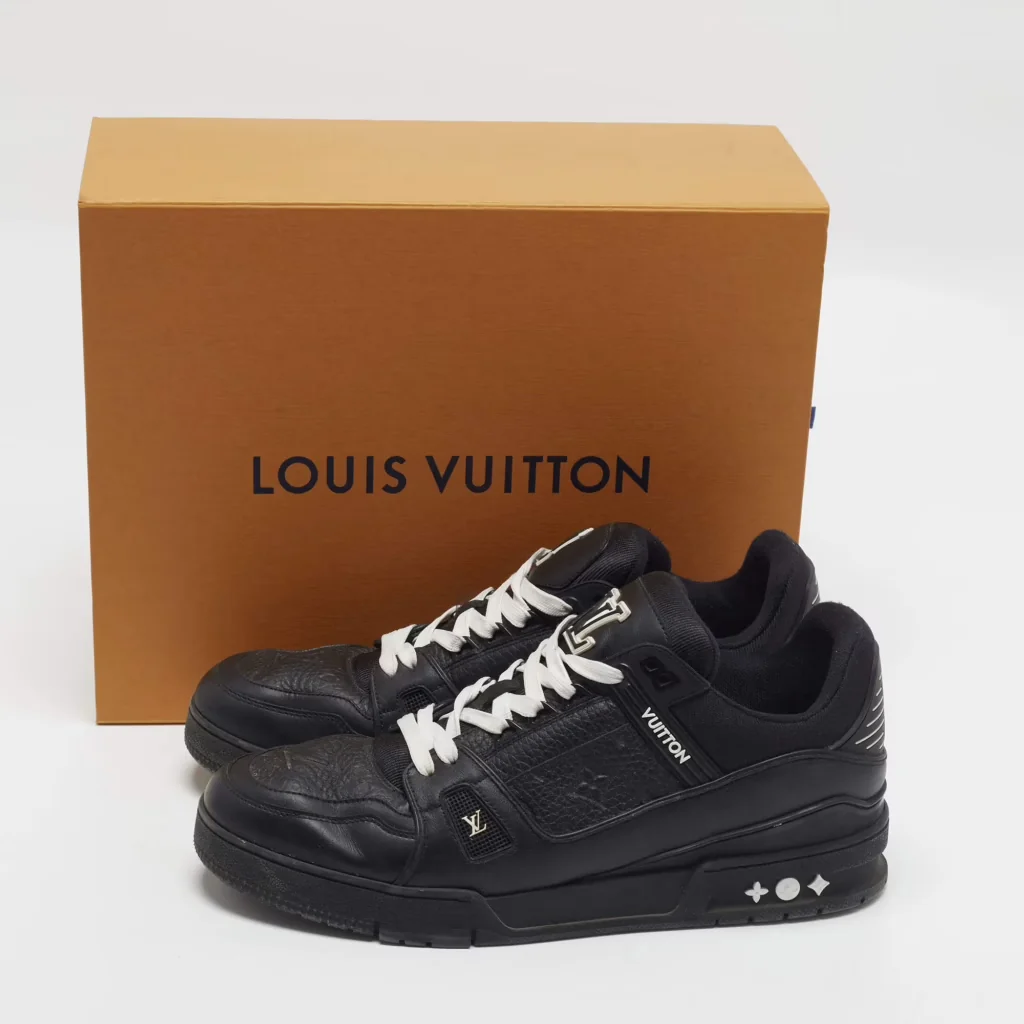
If you want one pair that works with a suit and jeans, stick to low-profile leather sneakers in neutral colors (Common Projects Achilles, Louis Vuitton Trainer in black or white). Chunky, statement styles (Balenciaga Triple S, Dior B22) read as fashion-forward but clash with more formal dressing.
Top Luxury Sneaker Brands to Know in 2026 #
Ranked by overall reputation, craftsmanship, and resale strength. Price tier noted for each.
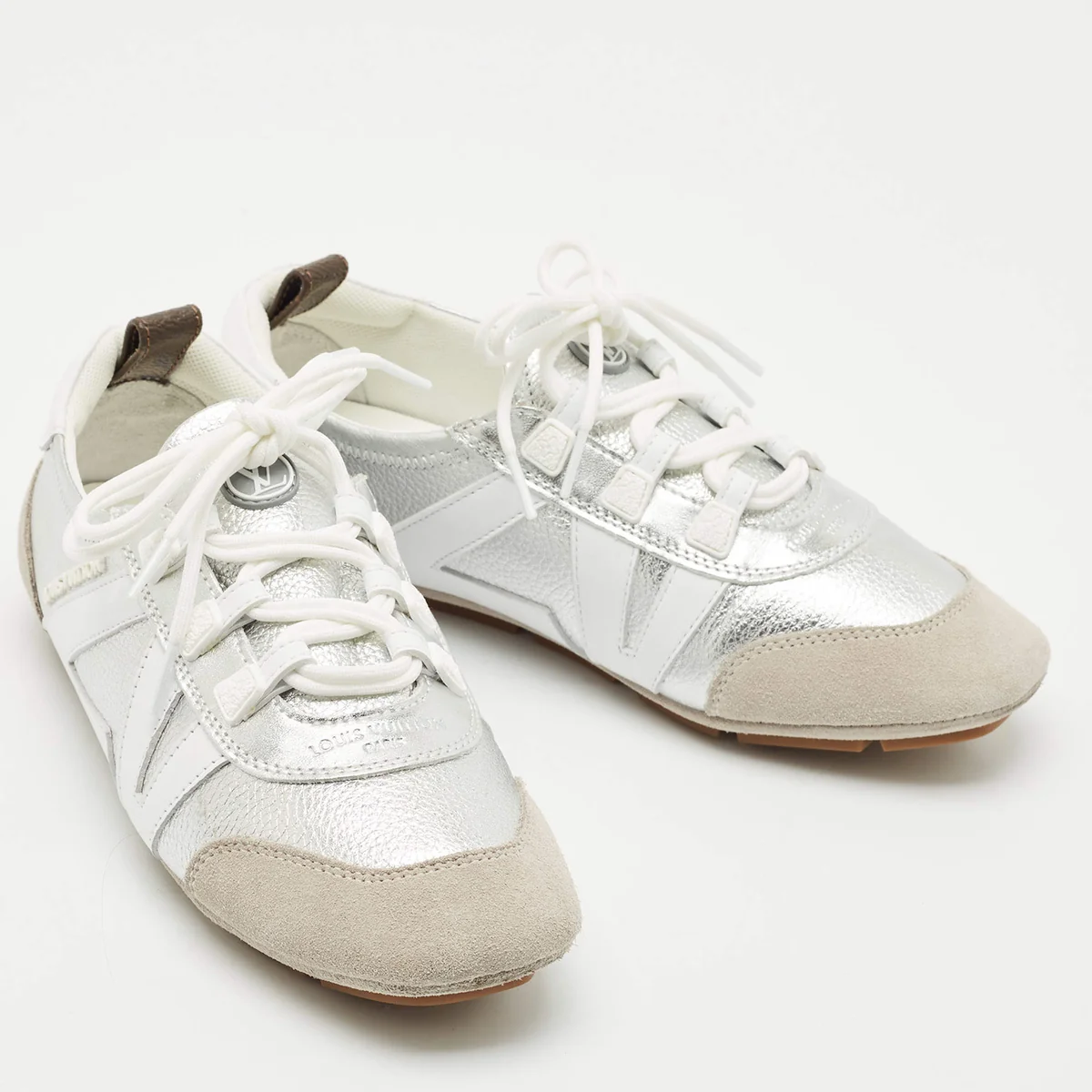
1. Louis Vuitton ($$$$) — The LV Trainer and Run Away lines pair monogram canvas with genuine leather detailing. Exceptional resale value because LV’s branding is instantly recognizable, which also makes it the single most counterfeited name on this list.
2. Gucci ($$$$) — The Ace and Rhyton silhouettes built Gucci’s sneaker reputation. Strong craftsmanship, though the interlocking-G branding on certain styles feels dated compared to newer luxury entrants.
3. Balenciaga ($$$$) — Defined the “ugly sneaker” era with the Triple S and Speed Trainer. Bold, divisive, and runs narrow in the toe box. Durability on the mesh Speed Trainer is a real weak point for the price.
4. Dior ($$$$) — The B22 and B23 combine oblique canvas with technical soles. Excellent construction, but sizing runs noticeably large; most buyers go down half a size.
5. Chanel ($$$$) — Tweed and quilted leather sneakers that lean dressier than sporty. Limited color and material runs mean resale prices hold well, but availability is inconsistent season to season.
6. Alexander McQueen ($$$) — The Oversized Sneaker put McQueen on the sneaker map with its raised rubber sole. Genuinely comfortable for a fashion sneaker, and slightly more accessible pricing than the top-tier houses.
7. Valentino ($$$$) — Known for the Rockstud and VL7N lines. Craftsmanship is excellent, but studs and embellishments are also the first thing to show wear, so resale condition drops faster than plain leather styles.
8. Givenchy ($$$) — The G4 and Runner lines lean toward a technical, urban aesthetic. Comfortable out of the box, solid mid-tier luxury option for buyers not ready for LV or Gucci pricing.
9. Fendi ($$$$) — FF-logo sneakers with strong Italian leather quality. Smaller resale market than LV or Gucci, meaning better entry prices but slower resale if you plan to sell later.
10. Golden Goose ($$$) — Built its entire identity on pre-distressed “worn-in” leather. Divisive: some buyers love the lived-in look, others find it odd to pay premium prices for shoes designed to look used. Sizing runs a half size large.
11. Common Projects ($$$) — The Achilles Low is the industry benchmark for a minimalist leather sneaker. No logos, exceptional materials, and arguably the best value in the true-luxury tier because the design never goes out of style.
12. Amiri ($$$$) — Streetwear-luxury crossover popular with a younger, celebrity-driven audience. Distinctive skeleton and shotgun toe details, but quality control has been inconsistent across production runs according to multiple owner reports.
13. Bottega Veneta ($$$$) — Newer to the sneaker category but leaning on the brand’s signature [intrecciato leather](/buying-guides/bottega-veneta-jodie-bag-review/) weaving. Understated compared to the rest of this list, appealing to buyers who want quality without an obvious logo.
Best Performance & Streetwear Sneaker Brands #
14. Nike ($$) — The default choice for most athletes and casual wearers, and for good reason: broad size range, strong cushioning tech (Air, ZoomX), and the deepest collaboration and colorway library in the industry. Durability varies by line, with Air Max models wearing down faster than running-focused styles.
15. Adidas ($$) — Boost cushioning remains one of the most comfortable midsoles on the market. The Superstar and Stan Smith are the most-copied casual silhouettes after Nike, so check authentication details before buying secondhand.
16. Jordan Brand ($$–$$$$) — Retro releases carry serious resale value, sometimes exceeding luxury sneaker pricing on limited colorways. Comfort on older retro models lags behind current performance shoes since the tech hasn’t been updated.
17. Puma ($$) — The Suede Classic and Speed Cat (worn by Rihanna) give Puma a fashion-forward edge among performance brands. Slightly less cushioning support than Nike or Adidas at the same price point.
18. Converse ($) — Chuck Taylors are the most affordable, most versatile sneaker on this entire list. Zero arch support, so not a shoe for long days on your feet, but unmatched for casual, low-cost styling.
19. Vans ($) — Skate heritage with a flat, durable sole (the Old Skool and Authentic). Fit runs narrow, and the canvas uppers wear out faster than leather alternatives.
20. New Balance ($$–$$$) — The 550 and 9060 lines turned New Balance from a “dad shoe” into a genuine style staple. Best-in-class width options, which makes it one of the better choices for wide feet.
21. Reebok ($$) — The Classic Leather and Club C remain reliable, affordable basics. Reebok’s performance line has lost ground to Nike and Adidas in recent years, but the casual lineup still holds up.
22. Asics ($$–$$$) — The Gel-Kayano and Gel-1130 combine genuine running technology with a current fashion moment. Among the most comfortable options on this list for buyers with foot pain or long standing hours.
23. On Running ($$$) — Swiss-engineered CloudTec sole technology has made On a serious competitor for runners. Premium pricing for a non-luxury brand, but the performance justifies it for regular runners.
24. Salomon ($$$) — Originally a trail and hiking brand, the XT-6 became an unexpected streetwear favorite. Excellent grip and support, though the aggressive tread pattern isn’t ideal for everyday indoor wear.
25. Under Armour ($$) — Strong in training and gym-specific shoes, weaker in lifestyle or casual design. A solid pick if the sneaker’s job is exclusively at the gym rather than everyday wear.
How to Spot Authentic Luxury Sneakers and Avoid Counterfeits #
[Sneaker authentication](/buying-guides/gucci-flashtrek-sneakers-buying-guide/) uses many of the same principles as bag authentication: materials, construction consistency, and documentation. A few checks catch the majority of fakes.
Check the box and labels first #
Genuine luxury sneaker boxes have consistent font weight, correct spacing, and a label that matches the shoe’s size and colorway exactly. Counterfeiters frequently mismatch box labels with the shoes inside, or print size labels in a font slightly different from the brand’s actual typeface. Compare against verified product photos from the brand’s official site.
Inspect stitching and glue lines #
Authentic pairs have even, tight stitching with no visible glue residue along the edges of the upper. Fakes often show glue seepage at the toe cap or heel, and stitching that’s slightly uneven or uses a different thread count than genuine pairs.
Weigh the shoe #
This sounds unusual, but it works. Counterfeit sneakers frequently use cheaper, lighter materials, meaning a fake pair often weighs noticeably less than a verified authentic pair of the same model. If you have access to a legitimate pair for comparison, weigh both.
Verify serial numbers and date codes #
Luxury sneakers (LV, Gucci, Dior) include heat-stamped codes on the insole or tongue that correspond to production batches. Performance brands use SKU codes on the box label that should match what’s printed inside the shoe. Cross-reference these against the brand’s official numbering system, not a third-party seller’s claims.
Be skeptical of price #
If a “brand-new” Balenciaga Triple S or Jordan retro is listed 40% below every other verified reseller, that’s the single strongest red flag on this list. Genuine scarcity keeps resale prices high; sellers offering steep discounts on hyped models are almost always moving counterfeits or damaged goods.
Buy from verified channels #
Stick to the brand’s official site, authorized retailers, or resale platforms with third-party authentication (StockX, GOAT’s verification process, The RealReal). Marketplace listings without any authentication guarantee carry real risk, no matter how convincing the photos look.
Sizing Guide: How Sneaker Brands Fit Differently #
Sneaker sizing is not standardized across brands, and this catches even experienced buyers off guard.
| Brand | Fit Notes |
|---|---|
| Nike | True to size for most models; Air Force 1 runs slightly wide |
| Adidas | Size down half a size; Boost models run large |
| Balenciaga | Runs narrow in the toe box; consider half size up |
| Dior | Runs large; most buyers size down half a size |
| Golden Goose | Runs large; size down half a size |
| Common Projects | True to size but breaks in narrow |
| Converse | Runs narrow; wide-footed buyers should size up |
| Vans | Runs narrow, especially in canvas styles |
| New Balance | True to size with generous width options |
| Asics | True to size; excellent for wide or high-arch feet |
| On Running | True to size; narrower heel fit |
| Salomon | Runs true to size; narrow midfoot |
If you’re buying secondhand or online without trying the shoe first, check the brand’s specific size chart rather than assuming your usual number carries across brands. A half-size mistake is common enough that most resale platforms list it as the top reason for returns.
Final Buying Advice: Choosing Your Best Sneaker Brand #
There’s no single “best” sneaker brand, only the best brand for what you’re actually doing in the shoe. If you want a daily trainer that holds up to real mileage, Nike, Adidas, Asics, and On Running are the strongest performance-to-price options in 2026. If you want a luxury sneaker that reads as polished with tailoring or dressier outfits, Common Projects and Louis Vuitton’s cleaner silhouettes outperform louder, chunkier styles for versatility.
Buy for fit and use case first, brand reputation second, and resale potential third. And whatever tier you’re shopping in, verify before you buy: check the box label, inspect the stitching, confirm the size code, and be honest with yourself about a price that seems too good.
Frequently Asked Questions #
Do luxury sneakers hold resale value? Some do. Limited Jordan retros, Louis Vuitton Trainers in classic colorways, and Common Projects Achilles Lows tend to hold value well. Trend-driven pieces like heavily embellished or logo-specific styles depreciate faster once the trend passes.
What’s the best sneaker brand for running? Asics, On Running, and Nike’s running-specific lines (not lifestyle models like Air Max) are built for actual mileage. Luxury sneakers are not designed for running, regardless of how athletic they look.
How do I clean luxury sneakers without damaging them? Use a soft brush and a leather-specific cleaner for leather uppers, and avoid submerging suede in water entirely. Canvas styles (Converse, Vans) tolerate mild soap and water better than leather or suede luxury pairs.
What’s the best affordable alternative to luxury sneakers? Common Projects and New Balance’s premium lines (like the 990 series) offer comparable material quality to entry-level luxury sneakers at a fraction of the price.
Are wide-fit options available in luxury sneakers? Rarely. Most luxury houses offer a single standard width. New Balance and Asics remain the most reliable choices for wide or high-volume feet.
How can I tell if a sneaker seller is trustworthy online? Look for verified authentication badges, clear return policies, and detailed photos of the box label, insole stamps, and stitching. Sellers unwilling to provide close-up photos on request are a warning sign.
Related Articles #
- Popular Handbag Brands: Which One Is Right for You?
- 7 Iconic Louis Vuitton Bag Styles Every Buyer Should Know
- Why the Chanel Crossbody Bag Never Goes Out of Style
- Affordable Designer Brands: The Real Guide to Luxe for Less
- Which Chanel Bag to Buy? Style Guide by Body & Budget
Related guides
- Online Bag Authentication: What Photos Can and Cannot Prove
- How to Spot a Fake Designer Bag: Authentication Guide
- So Kate Pumps Authentication Guide: Spot Real vs Fake
- Blue Crocodile Lady Dior Tote: Buying Guide
- How to Buy an Authentic Luxury Bag from China Safely
- New vs Pre-Owned Luxury Bags: Which Route Is Right for You?
- Chanel Bag Guide: What to Know Before You Buy
- Luxury Bag Houses


Keyword index