Introduction #
Finding a genuinely discounted Hermès Kelly, a marked-down Chanel flap, or a last-season Gucci loafer at a fair price is harder than it looks. Luxury houses don’t run “40% off everything” sales the way mass-market retailers do — scarcity is the business model, not a bug in it. That’s exactly why the hunt for affordable designer brands rewards people who know where to look, what a real discount actually looks like, and how to spot a fake dressed up in nice packaging.
This guide covers what separates a true luxury brand from a merely expensive one, the legitimate channels where discounts actually exist (outlets, resale platforms, sample sales, consignment), how to authenticate a bag before you hand over money, and the timing and negotiating tactics that actually move price. We’ll also benchmark what “a good deal” really means against current resale value, because a 20% markdown on an overpriced listing isn’t a deal at all — it’s just a smaller version of the same mistake.
What Actually Makes a Brand a Luxury Brand #
Not every expensive label is a luxury brand, and that distinction matters when you’re trying to buy smart. True luxury houses justify their price through three things: craftsmanship, exclusivity, and heritage. Miss any one of these and you’re paying premium-brand prices for what’s really a “premium” product — a different category entirely, and one that won’t hold value the same way.
Craftsmanship means full-grain leather, hand- or saddle-finished stitching, and hardware in solid brass or genuine gold/palladium plating rather than a coated base metal that flakes within a year. Exclusivity means production is deliberately capped — Hermès controls Birkin and Kelly output tightly enough that waitlists, not markdowns, are the norm. Heritage means decades, sometimes over a century, of consistent design language and quality control, which is why archive pieces from these houses still command respect today.
This is also why resale value differs so dramatically between brands. A Goyard tote or a Louis Vuitton monogram piece from a decade ago can still fetch 50-70% of its original retail price on the resale market, simply because the construction hasn’t degraded and the design hasn’t dated. Compare that to a fast-fashion “it bag,” which is often worth a fraction of its original price within two seasons. When you’re sizing up an “affordable designer brand,” check whether you’re buying into actual craftsmanship or just a logo.
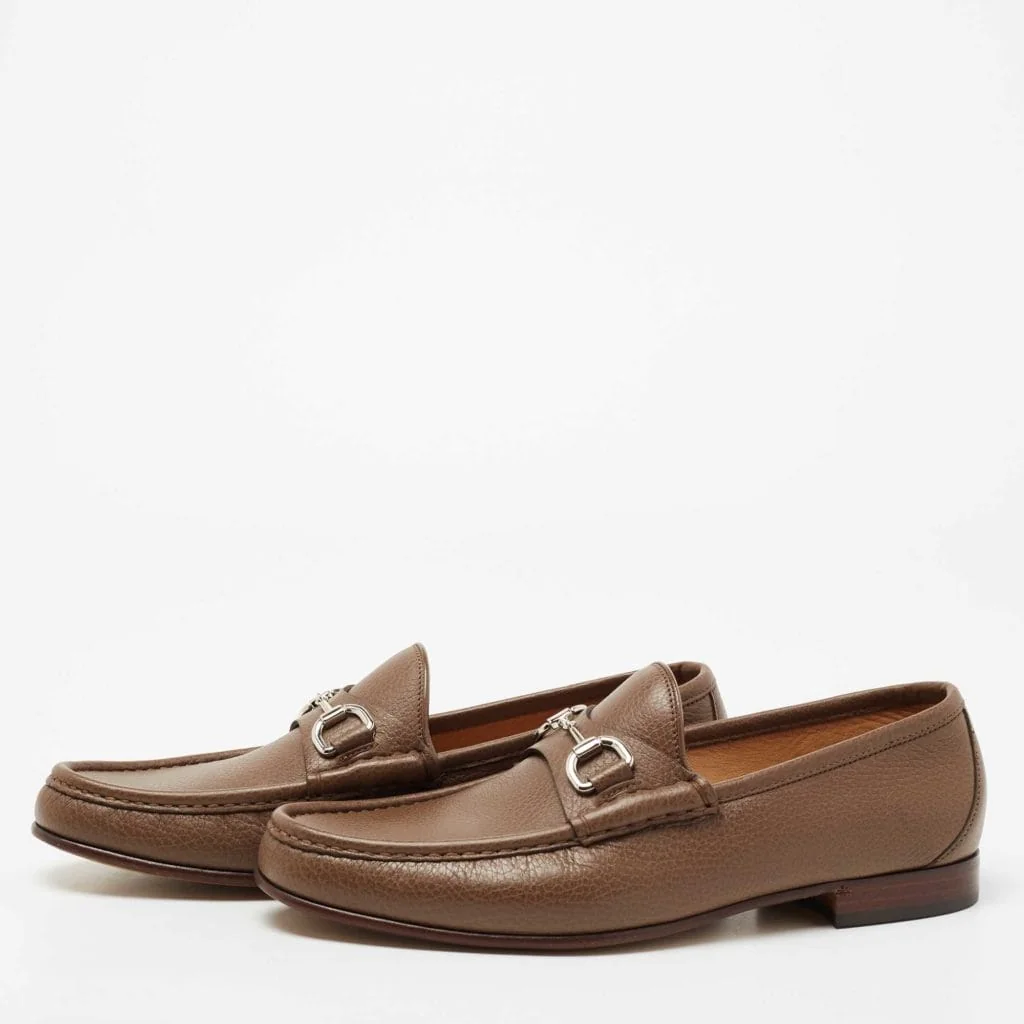
The practical takeaway: original 70-year-old Gucci Horsebit loafers still surface in wearable resale condition, and pristine 1960s Yves Saint Laurent Le Smoking tuxedos occasionally turn up at auction. That kind of longevity is the entire argument for buying quality over quantity, even at a higher upfront cost.
Where to Shop for Discounted Designer Bags #
Legitimate discounts on designer bags come from four main channels, and each carries a different risk-to-reward ratio.
Outlet Stores #
Outlet stores sell current or near-current season stock, discontinued colorways, and sometimes outlet-specific product lines made for that channel. Discounts typically run 20-40% off retail. Authenticity risk is close to zero since these are brand-operated or licensed, but selection is limited, and outlet-only product isn’t always built to the same standard as mainline pieces — check the label rather than assuming it’s simply a cheaper version of the same bag.
Resale and Consignment Platforms #
This is where most real bargain-hunting happens now. Pre-loved platforms carry both current and archive pieces, often 25-60% below retail depending on condition and demand. Because inventory turns over constantly, this channel also absorbs unsold sample-sale and flash-sale stock once the first wave of buyers has moved through it.
Sample Sales and Flash Sales #
Brands clear excess seasonal stock (Spring/Summer and Autumn/Winter cycles) through sample sales, often announced with little notice via brand or outlet mailing lists. Discounts can hit 50-70%, but selection is unpredictable and desirable sizes go fast. Sign up for brand lists directly — third-party “sample sale alert” pages are frequently out of date.
Secondhand and Estate Sources #
Charity shops in affluent neighborhoods, estate sales, and house clearances occasionally surface genuine designer pieces at absurdly low prices, since donors and estates rarely know (or care) what an item is actually worth. This is the highest-effort, lowest-reliability channel — there’s no platform or brand backing the sale, so authentication is entirely on you.
Rental as an Alternative #
For a one-off event, renting a piece you’ll wear once or twice a year often makes more financial sense than buying. A rented Dior gown for a single gala costs a fraction of ownership and skips the resale-value math entirely.
How to Authenticate a Bag Before You Buy #
This is the section that protects your money, so treat it as non-negotiable regardless of how good the price looks.
Start with the Hardware #
Genuine hardware is heavy, evenly plated, and free of visible seams or pitting. On Hermès pieces, check that the blind stamp (the letter and year code inside) matches the era the seller claims, and that zipper pulls, clochette, and turn-locks carry the correct maker’s mark rather than just the brand logo. Loose, lightweight, or unevenly toned hardware is the single most common counterfeit tell.
Check Stitching and Leather #
Authentic bags use consistent stitch length, straight lines, and no visible glue residue at the seams. Saddle-stitching, used by Hermès, should look slightly irregular but intentional; machine stitching on most other houses should be near-perfectly even. Leather grain should match known reference photos for that specific skin — inconsistent grain patterning or a chemical smell instead of a natural leather scent is a red flag.
Verify Serial Numbers and Date Codes #
Cross-reference the date code against the brand’s known format for that production era — these systems have changed over decades, so a code that doesn’t match the claimed manufacture year disqualifies the item. Photograph the code and check it against reputable authentication references, or ask the platform’s in-house authentication team to confirm it before purchase.
Use Platform or Third-Party Authentication #
Reputable resale platforms physically authenticate items before listing, checking receipts, hardware, stitching, and serial numbers against brand archives. If you’re buying privately, use an independent authentication service before finalizing payment. It’s usually a small flat fee and is worth it on anything above a few hundred dollars.
Request Documentation #
Ask for the original receipt, dust bag, box, and care card. Their absence isn’t automatically disqualifying on older pieces, but a seller who can’t produce any provenance on a “rare” high-value bag should raise questions.
Smart Buying Tips for Scoring the Best Deals #
Time Your Purchase to the Calendar #
Real discounts cluster around predictable windows:
- End-of-season sales, roughly late June-July for Spring/Summer and late December-January for Autumn/Winter, when brands and outlets clear remaining stock.
- Black Friday and Cyber Monday, when resale platforms and outlets often run their deepest markdowns of the year, though mainline luxury boutiques rarely participate directly.
- Post-holiday clearance in January, when returned or unsold gifting stock lands on resale platforms.
- Brand anniversary or archive sales, announced with short notice, usually through mailing lists.
Vet the Seller Before the Item #
On resale platforms, check seller ratings, completed sales history, and account age. On private marketplaces, ask for unedited photos of interior stamps and hardware close-ups before committing — stock photos or reused images are a warning sign, not a coincidence.
Know the Real Market Price Before You Negotiate #
Price benchmarking is the step most buyers skip. Before deciding a listing is a deal, check what the same bag, same condition, has actually sold for recently across two or three resale platforms, not just what it’s currently listed for. A discounted price still sitting above current resale value isn’t a deal, it’s a markdown from an inflated starting point.
Negotiate With Leverage, Not Guesswork #
At outlets, prices are usually fixed, though end-of-season floor stock sometimes has room, especially near closing hours or month-end. At consignment stores, ask how long an item has been on the floor — pieces sitting 60+ days are more likely to see a price reduction. With private sellers, come with comparable sold listings as your reference point; a specific number backed by data moves a negotiation further than a vague lowball offer.
Check Return Policy and Condition Grading Before Paying #
Understand the platform’s condition grading system (pristine, excellent, good, fair) and what it actually looks like in photos, not just the label. Confirm the return window and whether authentication disputes are covered. A platform offering no return policy on a four-figure item is a risk, no matter how attractive the price.
Red Flags That Should Stop You #
- Price significantly below every comparable sold listing you can find
- Seller unwilling to provide close-up photos of serial numbers or interior stamps
- Payment requested outside the platform’s protected checkout (wire transfer, direct deposit)
- Listing photos that look like stock images rather than the actual item
Frequently Asked Questions #
Is it possible to find genuinely discounted Hermès or Chanel bags? Rarely through the brand directly. Real discounts come from resale platforms, consignment stores, and occasionally estate sales — mainline boutiques for these two houses almost never mark down current stock.
How much discount is realistic on a pre-loved designer bag? It depends heavily on condition and demand. Popular, well-kept pieces from in-demand houses might only be 20-30% below retail. Less sought-after styles or lower condition grades can run 50%+ below retail.
Are resale apps safe for buying luxury bags? Platforms with in-house authentication and buyer protection (refund windows, authenticity guarantees) are generally safe. Peer-to-peer marketplaces without vetting carry more counterfeit risk and should be paired with independent authentication before you pay.
What’s the difference between an outlet bag and a mainline bag? Some brands manufacture outlet-specific lines with different, often lower, construction standards than mainline retail product. Check the label and material quality rather than assuming it’s just a discounted version of the same bag.
Can I return a bag if authentication turns out to be wrong? Only if the platform or seller explicitly guarantees authenticity in writing. This is why platform-backed purchases are safer than private sales — buyer protection is built into the transaction, not a personal favor from the seller.
Top Affordable Designer Brands by Category (Clothing, Bags, Shoes, Jewelry) #
Clothing #
Heritage ready-to-wear houses with strong resale markets are the safer bet: Max Mara, Burberry, and Céline hold shape and structure well over years, so secondhand pieces even five-plus years old still look current. Heavily embellished or logo-driven pieces date faster and lose resale value regardless of house.
Bags #
Louis Vuitton monogram canvas, Goyard totes, and Fendi Baguettes consistently resell well because construction is durable and design cycles move slowly. Hermès pieces, particularly the Kelly, Birkin, and Evelyne, hold the highest resale percentage in the category, but entry price even secondhand remains high, so budget accordingly.
Shoes #
Gucci Horsebit loafers and Chanel ballet flats function almost like investment pieces, since the classic silhouettes haven’t meaningfully changed in decades, and well-kept secondhand pairs wear and resell well. Trend-driven sneaker collaborations lose value fast once the hype cycle ends, so buy those for wear, not resale.
Jewelry #
Fine jewelry from houses like Cartier and Van Cleef & Arpels holds value close to its precious metal and stone content, so secondhand pieces rarely drop far below retail. Costume and fashion jewelry depreciates faster and should be bought for enjoyment rather than resale expectations.
Price Comparison Table #
| Category | Brand Example | Retail Price (New) | Typical Resale Range | Realistic Discount |
|---|---|---|---|---|
| Bags | [Louis Vuitton Neverfull](/buying-guides/louis-vuitton-neverfull-buying-guide/) | $1,500-$1,700 | $900-$1,300 | 25-40% |
| Bags | Hermès Kelly 25 | $10,000+ | $9,000-$14,000 (can exceed retail) | 0-15% |
| Bags | Goyard St Louis Tote | $1,500-$1,900 | $1,000-$1,400 | 25-35% |
| Shoes | Gucci Horsebit Loafers | $890-$990 | $400-$650 | 30-50% |
| Shoes | Chanel Ballet Flats | $890-$1,050 | $450-$700 | 35-50% |
| Clothing | Burberry Trench Coat | $2,290-$2,690 | $1,200-$1,900 | 30-45% |
| Clothing | Max Mara Wool Coat | $1,800-$2,400 | $900-$1,400 | 40-55% |
| Jewelry | [Cartier Love Bracelet](/buying-guides/luxury-designer-pieces-to-buy-now/) | $6,900-$7,550 | $5,800-$7,200 | 5-20% |
| Jewelry | Van Cleef Alhambra Pendant | $2,600-$3,200 | $2,000-$2,800 | 15-30% |
Resale ranges reflect condition, completeness (box, dust bag, receipt), and current demand at the time of writing. Hermès and fine jewelry pieces frequently trade at or above original retail due to constrained supply, so treat any steep “discount” on these categories as a reason for extra authentication scrutiny, not extra excitement.
Related Articles #
- 7 Iconic Louis Vuitton Bag Styles Every Buyer Should Know
- Luxury Resale Condition Grades: Fair to Pristine
- Chanel Flap Bag Buying Guide: Sizes, Prices & Deals
- Popular Handbag Brands: Which One Is Right for You?
- Chanel Handbag Prices: Iconic Styles & What They Cost
Related guides
- Online Bag Authentication: What Photos Can and Cannot Prove
- So Kate Pumps Authentication Guide: Spot Real vs Fake
- Blue Crocodile Lady Dior Tote: Buying Guide
- Chanel Vintage Flap Bag Buying Guide: Navy Lambskin
- How to Buy an Authentic Luxury Bag from China Safely
- New vs Pre-Owned Luxury Bags: Which Route Is Right for You?
- Chanel Bag Guide: What to Know Before You Buy
- Luxury Bag Houses

Keyword index