Introduction: A New It Bag Takes the Spotlight #
Kendall Jenner walking down a Los Angeles street with a bunch of sunflowers in one hand and a Bottega Veneta Sardine dangling from the other did more for this bag’s profile than any campaign shot could have. It wasn’t styled, it wasn’t posed for a brand deal, and that’s exactly why it worked. The Sardine looked like something she actually reached for on her way out the door, not a bag chosen by a stylist to check a box.
That kind of organic visibility is rare, and it’s part of why the Sardine has moved from “interesting runway piece” to genuine waitlist material in resale and pre-loved circles. Bottega Veneta has a track record of building cult followings around unconventional shapes, the Pouch and the Jodie both did it, and the Sardine is following the same trajectory, just with a lot more personality packed into a much smaller handle.
This piece breaks down where the Sardine came from, what makes the craftsmanship worth the price tag, how the different sizes actually compare in real use, what you should expect to pay on the resale market, and how to tell a genuine piece from the counterfeits that inevitably follow any bag this talked about.
Origins and Design Philosophy of the Sardine #
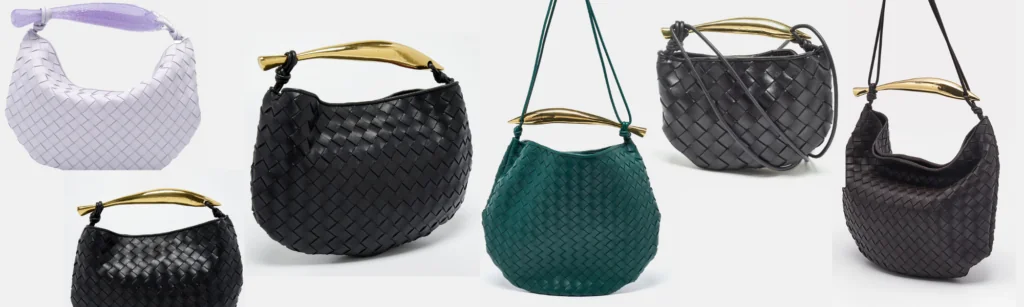
The Sardine made its debut at Matthieu Blazy’s Autumn/Winter 2022 show in Milan, part of his first full seasons steering Bottega Veneta after Daniel Lee’s departure. Blazy’s design language leans into tactile, almost domestic references, things you’d find on a kitchen table or a workshop bench, reimagined in leather and metal. The Sardine’s fish-shaped handle is a direct product of that instinct. Bottega has described the piece less as a bag and more as a piece of jewelry you happen to carry things in, which tells you a lot about where the brand’s head was at when they built it.
That framing matters because it explains why the Sardine doesn’t read as gimmicky the way a lot of novelty accessories do. Bottega Veneta has spent years actively avoiding logomania, the brand famously has no visible logo on most of its leather goods, and the Sardine fits that same philosophy. There’s no branding shouting for attention. The fish handle does the talking, and it does it quietly, through shape and material rather than a stamped emblem.
It’s a useful contrast to how a lot of the industry has operated over the past decade, where monogram canvas and oversized logos have driven sales for other houses. Bottega bet on craftsmanship and silhouette instead, and the Sardine is one of the clearest expressions of that bet paying off.
Craftsmanship and the Intrecciato Detail #
The body of most Sardine bags uses Bottega’s signature Intrecciato weave, the woven leather technique the house has been refining since the 1970s. On the Sardine, the weave is typically worked in a softer lambskin, which gives the bag a slouchier, more relaxed drape than you’d get on a structured Intrecciato tote. The curved base is a deliberate nod to the Jodie, another Blazy-era favorite, but the resemblance stops at the silhouette. Where the Jodie is defined by its hobo slouch, the Sardine is defined by that handle.
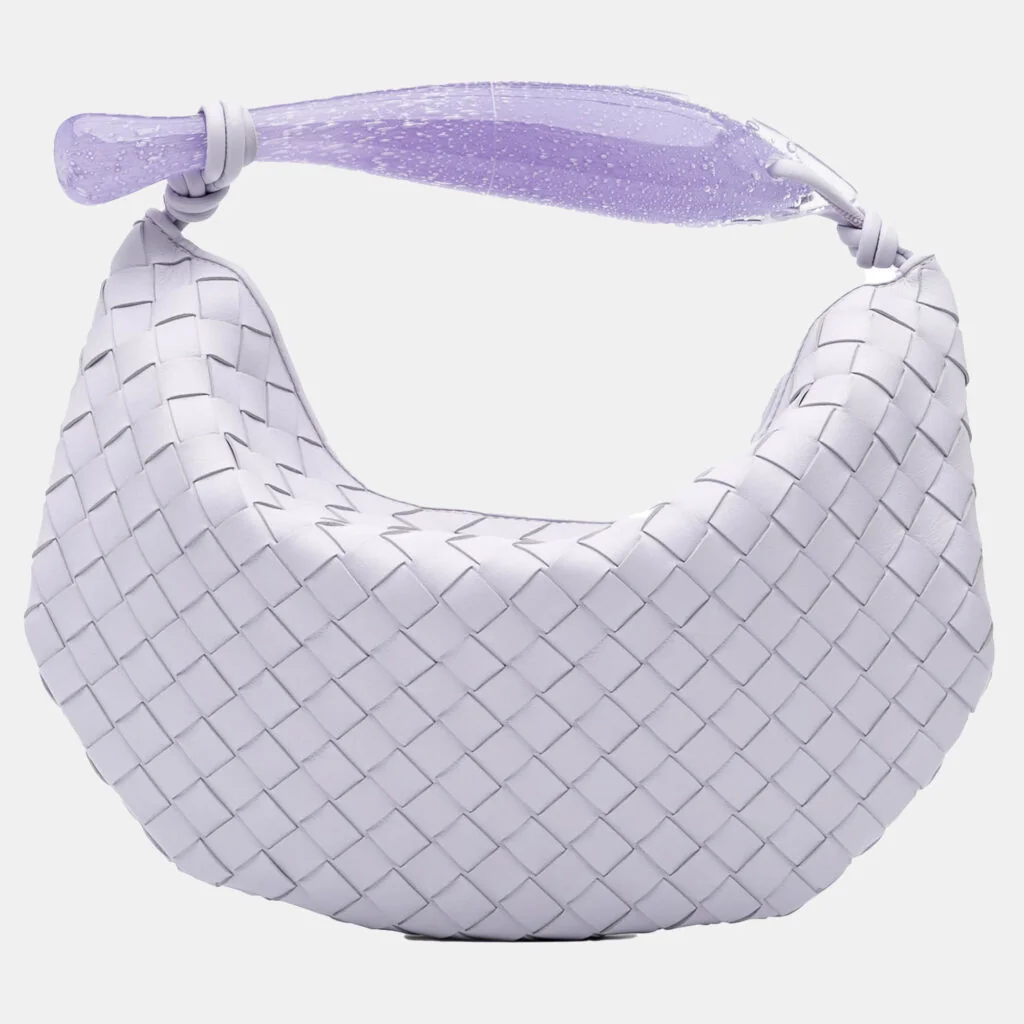
The knot motif worked into the top handle is the detail worth paying attention to when you’re evaluating a piece in person. It’s not molded or cast as a single uniform shape, it’s assembled and finished by hand, which means genuine variation exists from piece to piece. Some versions use a Murano glass handle instead of leather, and those pieces in particular show individual character in the glass, slight variations in color depth, tiny air bubbles, subtle asymmetry, because Murano glass is hand-blown, not machine-poured.
[[[Authentication Tips](/buying-guides/luxury-handbag-trends-2024/)](/buying-guides/celine-triomphe-bag-guide-sizes-price-real-vs-fake/)](/buying-guides/hermes-retail-vs-resale/): How to Spot a Real Sardine #
This is where buyers researching the resale market need to slow down. A few things to check before you trust a listing:
- Weave consistency. Genuine Intrecciato is woven with even tension throughout. Loose, sagging strips or visibly glued edges are a red flag.
- The handle join. On authentic pieces, the fish-shaped handle attaches to the body with clean, reinforced stitching and no visible adhesive residue. Counterfeits often have a slightly bulky or crooked join because the shape is harder to replicate at scale.
- Murano glass quality. Real Murano glass has weight and a faint internal glow when held to light, with natural micro-imperfections. Cheap resin substitutes look flatter and often have a slightly plasticky sheen.
- Interior stamping and date stamp. Bottega Veneta uses a heat-stamped logo and a coded date stamp inside the bag. Blurry, off-center, or misspelled stamps are an immediate disqualifier.
- Hardware weight. Zipper pulls and any metal fittings should feel substantial, not light or hollow.
If you’re buying pre-loved, working with a platform that authenticates inventory before listing, rather than relying on seller photos alone, removes most of this risk.
Caring for Intrecciato Leather and Murano Glass #
Woven leather traps dirt in the seams between strips, so avoid scrubbing and instead use a soft, slightly damp cloth for spot cleaning, followed by a leather conditioner made for woven or napped finishes. Keep the bag away from direct sun for long stretches, since lambskin fades and dries out faster than the more common calfskin used on structured BV bags. If your Sardine has a Murano glass handle, treat it like you would fine glassware: no drops, no swinging it into hard surfaces, and store it wrapped rather than resting on the handle when the bag is off your shoulder for long periods.
Sizes, Styles, and Variations #
The current Sardine lineup covers more ground than most people expect from what looks like a single design. Here’s how the main variants break down:
- Baby Sardine – The smallest version, closer to a clutch or micro shoulder bag. Fits a phone, cards, and lip product. Best as an evening piece rather than daily carry.
- Sardine (standard) – The size most people picture when they hear the name. Comfortably holds a phone, wallet, sunglasses case, and small pouch. This is the most versatile size for everyday use.
- Large Sardine – Meaningfully roomier, built to function as a genuine daily bag rather than a going-out piece. Fits a compact tablet or small notebook alongside the usual essentials.
- Sardine Chain – A smaller silhouette finished with a chain strap instead of the standard leather one, aimed at cross-body styling for evening or dressed-up daytime looks.
- Sardine Bermuda – A wider, shorter proportion with more of a boxy base, trading the elongated hobo curve for a squarer shape that stands upright more easily when set down.
- Sardine Hobo – The slouchiest option, closest in spirit to the original Jodie silhouette, with the fish handle as the standout feature rather than the overall shape.
If you’re choosing between sizes for everyday use, the standard Sardine and the Large are the two worth comparing side by side. The Baby and the Chain versions are genuinely better suited to occasion dressing than daily rotation, no matter how much you love the color.
Why the Sardine Stands Out from Other Novelty Bags #
Novelty and animal-shaped bags have a mixed reputation for a reason. Loewe’s Elephant bag and JW Anderson’s Pigeon Clutch both got plenty of press attention, but they’re conversation pieces first and functional bags second. They photograph well and struggle in daily rotation. Thom Browne’s Hector bag, shaped like the house’s mascot dog, sits in the same category, memorable, but not something most owners reach for on a Tuesday.
The Sardine avoids that trap because Bottega didn’t build an entire bag around the fish shape, they built one detail around it. The body of the bag remains a genuinely wearable Intrecciato silhouette, the fish only shows up in the handle. That’s the difference between a costume piece and a design detail. You get the personality and the conversation-starter effect without sacrificing the bag’s actual usability, which is a much harder balance to strike than it looks.
Price and Value: Is the Sardine Worth It? #
Retail pricing for the Sardine varies significantly by size and material, with leather Intrecciato versions sitting in the low-to-mid four figures and Murano glass handle editions pricing noticeably higher due to the labor involved in hand-blown glass production. Limited color releases and seasonal drops also carry premiums over core colorways.
On the resale market, the Sardine has held value better than a lot of seasonal Bottega releases, largely because supply has stayed relatively tight since its 2022 debut and demand has kept climbing thanks to celebrity visibility. That said, resale performance isn’t uniform across the lineup. Standard leather colorways in black, chocolate, and other core neutrals tend to depreciate the least and resell fastest. Murano glass pieces command higher resale prices in absolute terms but can take longer to sell simply because the buyer pool for a higher price point is smaller.
Buyers treating this as an investment piece should be realistic: the Sardine is a strong hold, not a guaranteed appreciator. Condition matters enormously given the woven leather and glass components, a Sardine with weave damage or a chipped handle loses value fast, faster than a comparable Jodie or Pouch would for similar wear.
How the Sardine Compares to Other Bottega Veneta Bags #
The comparison people search for most is Sardine vs Jodie, and it’s a fair one given the shared curved base. The Jodie is the more relaxed, everyday hobo, built for volume and slouch, with no standout hardware detail to speak of. The Sardine is smaller in most configurations and trades some of that carrying capacity for the fish handle as a focal point. If you want one bag to disappear into a casual outfit, the Jodie wins. If you want a piece that reads as more considered and slightly dressier without going formal, the Sardine takes it.
Against the Pouch, the comparison shifts entirely. The Pouch is a clutch-first design with no handle at all, built around the ruched leather silhouette rather than any hardware feature. The Sardine, even in its smallest Baby size, offers a carry option the Pouch simply doesn’t. Against the brand’s more structured pieces like the Andiamo, the Sardine feels distinctly more casual and less corporate, better suited to off-duty styling than the boardroom.
Real-World Usability and Capacity Test #
In daily use, the standard Sardine size handles the essentials without strain: phone, cardholder, a compact sunglasses case, lip balm, and a small pouch for odds and ends fit with room to spare. Keys clipped to an interior loop, if your specific bag has one, keep them from scratching the interior lining. What it doesn’t do well is double as a work bag. There’s no dedicated laptop or tablet sleeve on any size short of the Large, and even then, it’s a squeeze.
The fish handle itself is where opinions split. It’s shorter than a standard top handle, which means it sits comfortably in the crook of your elbow but isn’t built for a full shoulder carry the way a strap bag is. Anyone who prefers hands-free carrying most of the day should look at the Sardine Chain or budget for an aftermarket strap, since none of the core Sardine styles ship with a long cross-body option as standard.
Weight is worth mentioning too, particularly with the Murano glass handle versions. The glass adds noticeable heft compared to an all-leather Sardine, which is fine for a night out but adds up over a full day of carrying.
Frequently Asked Questions #
Is the Bottega Veneta Sardine bag discontinued? No, the Sardine remains part of Bottega Veneta’s ongoing collection, with new colorways and material updates released across seasons rather than being a one-off limited drop.
Does the Sardine come with a dust bag and authenticity card? Yes, new pieces ship with a Bottega Veneta dust bag and care card. When buying pre-loved, missing accessories aren’t automatically a red flag, but their presence adds confidence and resale value.
Can the Murano glass handle crack? It can, if dropped or knocked hard enough. It’s durable for normal handling but isn’t shatterproof, so treat it with the same care you would any glass object.
Which Sardine size is best for a first-time buyer? The standard Sardine or the Large are the safest starting points if you want daily usability. The Baby and Chain versions are better as a second, occasion-focused piece once you know you like the design.
Related Articles #
- Bottega Veneta Jodie Bag Review: Is It Worth It?
- Replica vs. Pre-Owned Bags: The Smarter Buy?
- How to Spot a Fake Bottega Veneta Bag: 6 Expert Tips
- Bottega Veneta Cassette Bag: Complete Buyer’s Guide
- Gucci Dionysus Bag Review: Is It Worth Buying Resale?
Related guides
- Online Bag Authentication: What Photos Can and Cannot Prove
- Inside a Million-Dollar Closet: Pre-Loved Hermès & More
- Meet Marwa Azzam Aldabbagh: Kelly Bag Authentication Expert
- Luxury Handbag Authentication Process Explained
- How to Buy an Authentic Luxury Bag from China Safely
- New vs Pre-Owned Luxury Bags: Which Route Is Right for You?
- Chanel Bag Guide: What to Know Before You Buy
- Luxury Bag Houses


Keyword index