Introduction: Why Accessories Are the Smartest Luxury Investment Right Now #
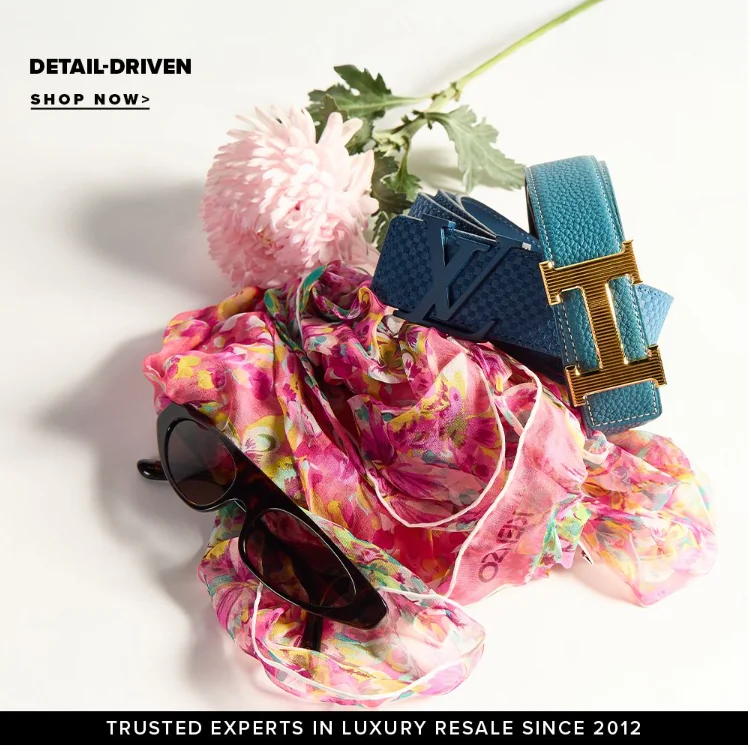
A logo bag will always get noticed. But ask anyone who’s spent real time around collectors and stylists, and they’ll tell you the accessories are doing the heavy lifting: the chain belt that nips in a plain trench, the signet ring that makes a bare hand look finished, the sunglasses that turn a basic outfit into a “wait, where did you get those” moment. Handbags get the headlines. Accessories are what actually shape how put-together you look day to day, and increasingly, they’re holding their value just as well.
That shift matters because it changes how people shop. A £3,000 handbag purchase gets researched for weeks. A £600 pair of Dior sunglasses or a Chanel belt often gets bought on impulse, in-store, at full retail, with zero comparison shopping. That’s backwards. Smaller pieces from the right houses hold their resale value surprisingly well, sometimes better than the bags that get all the attention, and the price gap between platforms can be enormous for the exact same item.
This guide exists because “just buy it online” isn’t advice, it’s a starting point. There are dozens of places selling designer accessories right now, and they are not interchangeable. Some guarantee authenticity through direct brand relationships. Some rely on in-house authentication teams inspecting pre-owned goods. Some are neither, and that’s where people get burned. I’ve bought and researched across all three categories, so let’s actually break down what separates them.
Why Shopping for Luxury Accessories Online Has Changed the Game #
The boutique experience hasn’t gotten worse, exactly. It’s just stopped being the only option worth taking seriously.
Pricing transparency. Walk into a flagship store and you pay the sticker price, full stop. Online, you can watch the same [[[[Louis Vuitton](/buying-guides/best-white-designer-dresses-2025/)](/authentication/how-to-spot-a-fake-louis-vuitton-bag/)](/buying-guides/most-popular-louis-vuitton-bags-2026/)](/brands/louis-vuitton-neverfull-insider-retail-story/) wallet or Hermès bracelet across five retailers and resale platforms, see the actual price spread, and time a purchase around a sale window. That kind of comparison shopping simply didn’t exist a decade ago for luxury goods.
Access to discontinued pieces. Boutiques carry current season, maybe a bit of prior season on markdown. Online resale and specialist marketplaces are where you actually find the belt from three collections ago or the jewellery piece a brand quietly retired. If you’re chasing something specific rather than whatever’s on the shelf, the internet is the only place that inventory still exists.
No waitlists, no “building a relationship.” Certain flagship boutiques still gatekeep hero handbags behind purchase history with the brand, meaning you’re expected to buy accessories and shoes first just to prove loyalty. Buying accessories online sidesteps that entirely. You want the belt, you buy the belt.
Wider global inventory. A single online retailer can list stock pulled from warehouses across multiple countries. That’s a far deeper well than any individual boutique location.
Now, the trust concern, because it’s real and worth naming directly: online luxury shopping only works if the platform is legitimate. Buying a Chanel bag from a random Instagram seller and buying it from a retailer with brand partnerships or a professional authentication team are not remotely the same risk profile. The rest of this guide is about knowing which is which.
Related Articles #
- Designer Handbag Trends 2025: What’s Actually Worth Buying
- Best It Bags to Buy This Year: A Definitive Guide
- 10 Best Designer Handbags Worth the Investment (2026)
- 10 Designer Handbags That Hold Their Value (2026)
- 6 Best Pre-Owned Luxury Watch Brands to Buy in 2026

Keyword index