Introduction: What It Actually Means for a Handbag to Hold Its Value#
Not every expensive handbag is an investment handbag. That distinction matters enormously if you’re about to spend five—or six—figures on a single accessory.
A bag that holds its value broadly means one where a well-maintained, authenticated example on the secondary market fetches close to or above its original retail price. A bag that appreciates does something rarer: it commands meaningfully more than you paid, year after year, independent of broader fashion cycles. The gap between these two outcomes is where the real editorial work of this guide lives.
Over the following sections, this guide evaluates ten designer bags—covering Hermès, Chanel, Louis Vuitton, Gucci, Fendi, Dior, Bottega Veneta, and Celine—against five concrete criteria drawn from resale market data, auction records, and direct observation of secondary market pricing. Each entry includes a brief resale performance summary, an honest assessment of the downsides (because there are always downsides), and actionable guidance on which specific variants are worth pursuing.
The framework is consistent throughout: heritage, scarcity mechanics, authentication complexity, the condition premium, and sustained global demand. A bag that scores strongly across all five has earned its place on this list. Several bags here score strongly on three or four, and that distinction is called out plainly.
One further clarification: this guide does not recommend any single bag as a guaranteed financial instrument. Luxury handbag markets can be illiquid, trend-sensitive, and sometimes manipulated by brand pricing strategy. What this guide offers is an honest, evidence-based map of where the resale market has historically been most reliable—and where it has disappointed buyers who didn’t look carefully enough before purchasing.
The ten bags evaluated: Hermès Birkin, Hermès Kelly, [Chanel Classic Flap](/vintage-chanel-finds-top-picks/), Chanel Boy Bag, Louis Vuitton Neverfull, Louis Vuitton Speedy, Gucci Dionysus, Fendi Baguette, Dior Saddle, Bottega Veneta Cassette, and Celine Luggage.
Why a Handbag Can Outperform Your Stock Portfolio#
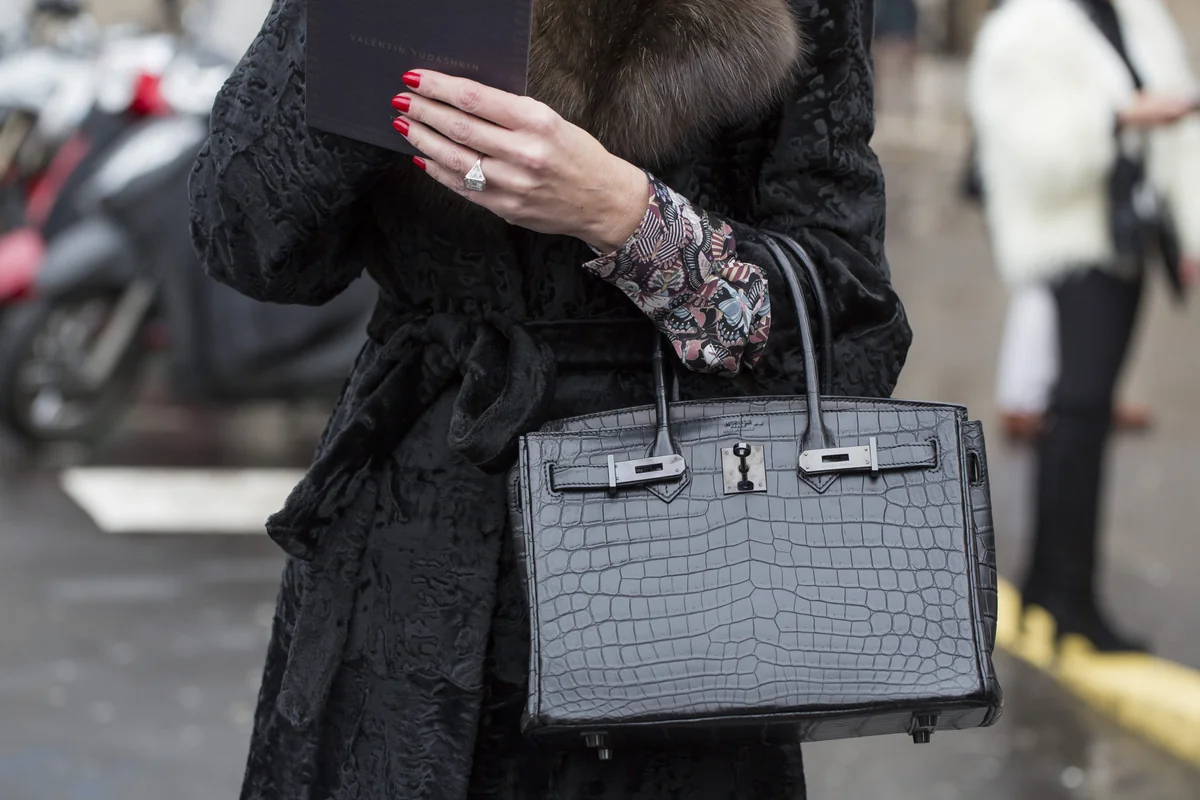
The headline figure gets cited frequently enough that it risks losing its impact, but it remains remarkable: according to a research study published by Baghunter, Hermès Birkin bags achieved an average annual appreciation rate of 14.2% between 1980 and 2015, compared to 11.66% for the S&P 500 and 1.9% for gold over the same period. Sotheby’s has documented that Birkin values increased by over 500% between 1981 and 2016, with individual auction results extending well beyond that average—a Himalaya Niloticus Crocodile Birkin 35 with diamond hardware sold at Christie’s Hong Kong for over $377,000, and prices for the most exceptional examples have since climbed higher.
The Knight Frank Luxury Investment Index, which tracks a basket of collectable assets including classic cars, fine wine, watches, and handbags, has consistently shown luxury handbags as one of the stronger-performing alternative asset categories over rolling ten-year periods. The 2023 edition placed handbags among the top-five performing collectables globally.
Why does this happen? Several structural factors converge. First, Hermès in particular has engineered genuine supply scarcity—not artificial scarcity, but a genuine constraint based on artisan production time and leather allocation. Second, luxury handbags have become genuinely global assets, with demand anchored in Europe, North America, Southeast Asia, and the Gulf simultaneously. Third, the top-tier pieces carry a cultural cachet that functions as an additional demand driver unrelated to utility.
The honest qualifier is this: these figures describe the best-performing bags in the market, not an average across all designer handbags. A mid-tier contemporary bag from a fashion-forward brand will not behave like a Birkin. Several of the bags assessed in this guide have posted resale losses when buyers chose the wrong variant, the wrong condition, or the wrong purchase channel. The investment case is real; it is not automatic.
The Five Factors That Separate Investment Bags from Expensive Mistakes#
Before evaluating individual bags, it’s worth being explicit about the criteria applied throughout. These five factors function as a reusable framework for any future purchasing decision, not just the ten bags covered here.
1. Heritage and House Authority The brands with the strongest resale performance share a common attribute: a decades-long track record of consistent pricing, consistent design language, and consistent craft standards. Hermès and Chanel have maintained this across ownership changes, creative director transitions, and economic cycles. Newer houses can build heritage, but they have not yet demonstrated the same durability under pressure.
2. Scarcity Mechanics There are two kinds of scarcity that matter. Structural scarcity—where supply is genuinely limited by craft time, material availability, or production capacity—is more valuable than manufactured scarcity through limited drops, which can be reversed by the brand at will. A Hermès Birkin’s supply limitation is structural. A brand releasing a “limited edition” colorway is not the same thing.
3. Authentication Complexity and Market Integrity The more counterfeited a bag, the more important—and expensive—authentication becomes. High authentication complexity suppresses spontaneous resale, drives buyers toward authenticated platforms, and creates a slight premium for examples with documented provenance. This is a two-sided coin: it protects buyers who do their homework and punishes those who don’t.
4. Condition Retention Some leathers and hardware combinations hold up under use; others degrade visibly within months. The delta between a bag in pristine condition and one in merely good condition can represent30–50% of resale value at the top of the market. Understanding which materials age gracefully and which don’t is material to the investment case.
5. Sustained Global Demand A bag with a devoted following in a single market is more vulnerable than one with genuinely distributed global demand. The most resilient performers—Birkin, Kelly, Classic Flap—have documented resale markets across North America, Europe, Japan, mainland China, and the Gulf simultaneously. This distributed demand acts as a floor against regional economic downturns.
Hermès Birkin and Kelly: The Benchmark Every Other Bag Is Measured Against#
No honest guide to designer handbags that hold their value can avoid spending real time on Hermès. The Birkin and Kelly are not simply strong performers—they are the structural ceiling against which every other bag’s investment case is measured.
The Scarcity Model Hermès operates a waiting list and salon purchase model that is, by design, non-transactional. You cannot simply walk into a boutique and buy a Birkin. The acquisition process—building a purchase history with a single sales associate, demonstrating consistent buying behavior across categories, and eventually being offered the opportunity to purchase—is itself a mechanism that restricts supply to buyers who are both willing and well-resourced. This model has remained structurally intact for over four decades, which is remarkable.
Hardware and Leather Variables Not all Birkins or Kellys are equally investable. The secondary market prices these bags with precision based on four variables: size, leather, color, and hardware.
For the Birkin, the 30cm has historically been the strongest resale performer—practical enough for regular use, recognizable enough for immediate identification. The 25cm commands a premium among certain buyers but has a narrower market; the 35cm and 40cm have softer secondary demand outside of exotic leathers.
For leather, Togo and Clemence are the most forgiving daily wearers but show scratches more readily than Epsom, which holds its structure and appearance exceptionally well. Barenia Faubourg has become among the most coveted smooth leathers on the secondary market. Exotic skins—crocodile, ostrich, lizard—command the highest prices at auction but require significantly more buyer expertise and are subject to import restrictions in some markets.
For color, Noir (black), Gold, and Etoupe represent the most consistently liquid colorways—deep buyer pools, no trend risk, near-universal appeal. Bleu Nuit, Vert Cypress, and certain seasonal blues have commanded strong premiums, but liquidity is narrower. Avoid highly directional seasonal colors unless you have strong intelligence on demand.
Hardware is binary for most buyers: gold or palladium (silver). Gold hardware tends to command a modest premium on the Birkin; on the Kelly, the combination depends heavily on the leather color.
The Kelly deserves its own analysis. The Kelly25 and 28 are currently the strongest performers on the secondary market—the25 particularly so, driven by demand from buyers in East and Southeast Asia. The Kelly 35, while iconic, is more niche. Kelly Sellier (rigid) versus Kelly Retourné (supple) is largely a matter of buyer preference, though Sellier tends to achieve slightly higher auction results.
Resale Performance Summary
| Bag | Typical Retail (current) | Average Secondary Market (good–excellent condition) |
|---|---|---|
| Birkin 25 (Togo/Epsom, neutral color) | $10,000–$12,000 | $14,000–$22,000+ |
| Birkin 30 (Togo/Epsom, neutral color) | $11,000–$13,000 | $15,000–$25,000+ |
| Kelly 25 Sellier (Epsom, neutral) | $10,000–$12,000 | $14,000–$24,000+ |
| Himalaya Birkin (exotic, diamond hw) | $60,000+ (if available) | $150,000–$400,000+ |
Note: Retail prices quoted are approximate and vary by market. Secondary market pricing sourced from aggregated auction and authenticated resale platform data.
The Downside The barriers to retail acquisition are real and often opaque, with no formal published rules about what qualifies a client for an offer. Buyers who cannot or will not build a purchase history at Hermès boutiques—which requires consistent spending across all categories—are effectively priced out of the retail channel and must pay secondary market premiums from day one. Additionally, the “investment” framing has driven some buyers toward colors and hardware combinations they personally dislike, purely for perceived resale upside—which is a reasonable strategy only if you have the market intelligence to back it up.
For the full brand breakdown, see our Hermès brand spotlight.
Chanel Classic Flap and Boy Bag: Three Decades of Documented Appreciation#
Chanel occupies a unique position in the resale market: the house has raised the retail price of its Classic Flap bag with such consistency and aggression—prices have increased approximately 70% between 2019 and 2024 according to tracked retail pricing—that even buyers who purchased at recent retail highs have often found secondary market values tracking closely to what they paid. This is not appreciation in the way the Birkin appreciates; it is more accurately described as retail price inflation that the resale market has so far absorbed.
The Classic Flap The double-C lock, quilted lambskin or caviar leather, and woven chainstrap are arguably the most recognized handbag motifs in the world. For investment purposes, the Classic Flap in black caviar leather with gold hardware is the canonical choice: maximum liquidity, no trend exposure, the deepest buyer pool globally. The medium and jumbo sizes are the most traded; the mini has strong demand among specific demographics but a narrower secondary market overall.
Caviar leather—a pebbled cowhide—outperforms lambskin for resale because it is demonstrably more durable and shows wear significantly less readily. A caviar Classic Flap in excellent condition after five years of regular use looks far better than a lambskin equivalent, which is a meaningful factor when the condition premium at resale can represent $2,000–$5,000 of value.
The Chanel 2.55 (the original 1955 reissue with the Mademoiselle lock, as distinct from the Classic Flap with its CC turn-lock) commands strong collector interest and slightly different pricing dynamics—worth tracking separately if this is your target.
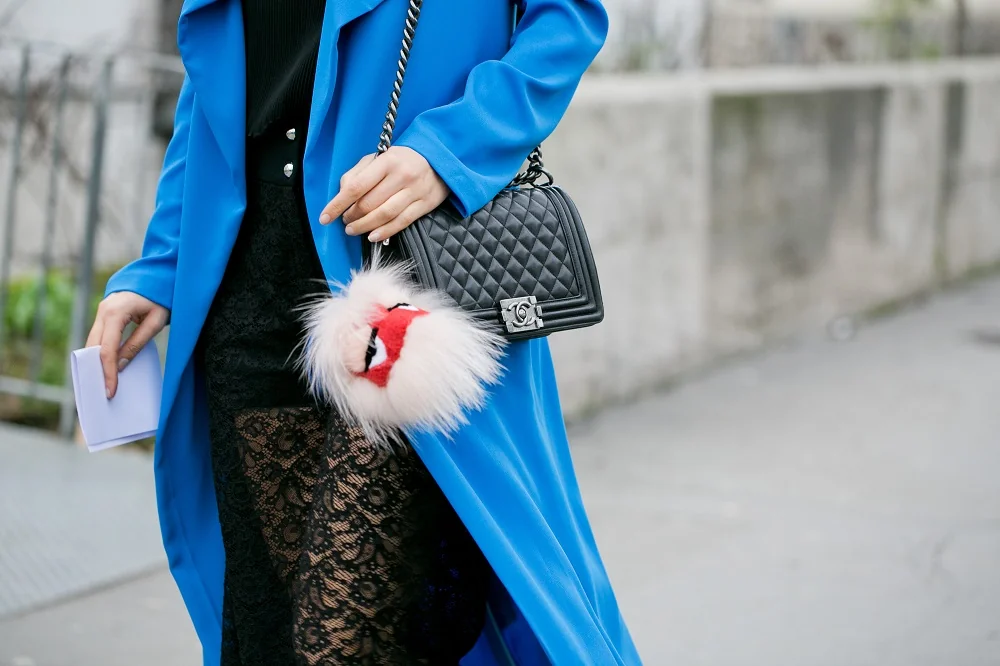
The Boy Bag Created under Karl Lagerfeld’s direction and introduced in 2011, the Boy Bag has its own following and its own resale trajectory, which is meaningfully different from the Classic Flap’s. The Boy Bag appreciated strongly through the early-to-mid 2010s, when it was the defining status bag of a particular moment. Its resale performance since then has been more uneven—strong for large sizes in black lambskin with aged-gold hardware, weaker for smaller sizes and seasonal materials.
The Boy Bag is not a poor investment; it is simply a more volatile one. Buyers who prioritize predictability over potential upside are better served by the Classic Flap.
Resale Performance Summary
| Bag | Typical Retail (current) | Average Secondary Market (good–excellent condition) |
|---|---|---|
| Classic Flap Medium, caviar, gold hw | ~$9,500–$10,800 | $8,500–$11,000 |
| Classic Flap Jumbo, caviar, gold hw | ~$11,000–$12,500 | $9,500–$13,500 |
| Boy Bag Large, black lambskin | ~$6,500–$8,000 | $4,500–$7,000 |
The Downside The most important honest observation about Chanel’s investment case is that the brand’s own pricing strategy is doing most of the heavy lifting here. Price increases of this magnitude—70% in five years—cannot continue indefinitely without eventually creating a ceiling where resale values stall or compress. There are early signs of softening in certain segments of the Chanel secondary market, particularly for non-classic styles. The Classic Flap in black caviar is the most resilient; do not extrapolate its performance to the broader Chanel range.
See our Chanel authentication guide and Chanel brand spotlight for deeper coverage.
Louis Vuitton Neverfull and Speedy: High-Volume Icons That Still Deliver#
The counterintuitive entry in any investment handbag guide is Louis Vuitton’s most-produced, most-copied, most-visible bags. The Neverfull and the Speedy are not scarce. They are not waitlist items. They are genuinely ubiquitous—and yet they maintain a remarkably consistent resale floor that many less-produced bags from more fashionable houses cannot match.
The Case for Ubiquity The investment argument for LV’s monogram canvas icons rests not on appreciation but on value retention. A Neverfull MM purchased at retail today for approximately $1,760 will typically resell in very good condition for $900–$1,300 on authenticated platforms—representing roughly50–75% value retention, which is significantly stronger than the average luxury accessory. The Speedy 30 in monogram canvas follows a similar pattern.
The reason is the same as the risk: global recognition. Every buyer knows what a Neverfull is. The market is deep, liquid, and active. You will not wait months to sell one. You will also not find a buyer paying a premium above retail for a standard-issue example.
Where LV becomes more interesting from an investment perspective is in limited collaboration pieces and special order variations. The Louis Vuitton x Supreme collaboration bags, Virgil Abloh-era limited editions, and vintage pre-2000 monogram pieces in strong condition have posted meaningful appreciation. The standard production bags are floor bets, not appreciation plays.
Monogram Canvas vs. Empreinte Leather Monogram canvas is the stronger resale material for the Speedy specifically. The coated canvas is highly durable, age-resistant, and immediately recognizable. Empreinte leather (embossed, monogram-debossed cowhide) is a more refined product but actually delivers softer resale returns than the canvas equivalent—partly because the brand has expanded the Empreinte range significantly, diluting its scarcity appeal.
Resale Performance Summary
| Bag | Typical Retail (current) | Average Secondary Market (good–excellent condition) |
|---|---|---|
| Neverfull MM, monogram canvas | ~$1,760 | $900–$1,300 |
| Speedy 30, monogram canvas | ~$1,340 | $700–$1,050 |
| Speedy Bandoulière 30 | ~$1,870 | $1,000–$1,400 |
| Limited edition/collab variations | Varies significantly | Varies; often 150–300%+ of retail |
The Downside Louis Vuitton’s monogram canvas is the most counterfeited material in the luxury handbag market by volume. This creates a meaningful authentication overhead—buyers in the resale market are appropriately cautious, which can slow liquidity and require additional documentation. The ubiquity ceiling is real: a standard Neverfull will essentially never appreciate in the way a Birkin does. If your goal is value preservation, these bags deliver. If your goal is meaningful appreciation, they are the wrong instrument.
Gucci Dionysus and Fendi Baguette: The Collector’s Case for Era-Defining Bags#
Some bags are not defined primarily by their house’s multi-decade heritage but by a specific creative moment—a particular director’s vision, a cultural instant, a fashion cycle that crystallized a certain aesthetic. These bags carry a different investment logic: they are bets on cultural memory, on the collector’s market for creative-directoreras, and on nostalgia cycles that recur with reasonable predictability in the fashion industry.
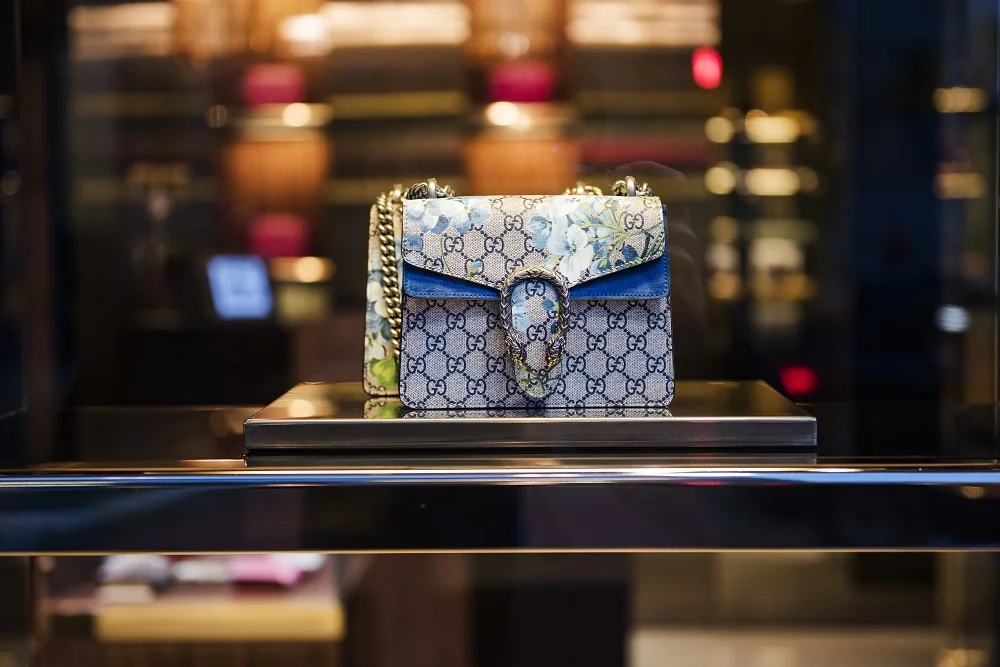
The Gucci Dionysus (Alessandro Michele Era) Alessandro Michele’s appointment at Gucci in 2015 triggered one of the more dramatic brand reinventions in recent fashion history, and the Dionysus became one of the defining objects of that transformation. The tiger-head closure, drawn from Greco-Roman iconography, the GG Supreme canvas construction, and the deliberately referential eclecticism of the overall design were both divisive and compelling—exactly the combination that tends to produce strong collector demand with time.
The bags worth tracking are Michele-era Dionysus pieces in GG Supreme canvas (most durable, most recognizable, most documented), particularly the small and medium shoulder bag in neutral colorways. Special edition Dionysus bags—the Ace embroidered variants, the tiger-print iterations—are the highest-risk/highest-reward sub-segment: exceptional examples in documented condition have sold well above retail on the collector market, but the floor is lower and the buyer pool narrower.
Post-Michele Gucci (under Sabato De Sarno) has taken a markedly different aesthetic direction. This has the paradoxical effect of clarifying the Michele era as a discrete collector category, much as the departure of Phoebe Philo from Celine elevated the value of her designs retrospectively.
The Fendi Baguette The Baguette occupies rare territory: a bag that was genuinely era-defining in its original late-1990s moment (designed by Silvia Venturini Fendi in 1997), declined in cultural relevance, and then experienced a documented revival so substantial that it entered a new phase of appreciation. The HBO series And Just Like That in 2021 explicitly referenced the Baguette’s cultural history—and secondary market prices moved measurably within weeks of broadcast.
The vintage Baguette market is compelling for authenticated examples in limited materials and hardware. The re-release and current production pieces perform well but have not shown the same appreciation trajectory as genuine vintage examples with documented provenance.
Resale Performance Summary
| Bag | Typical Retail | Average Secondary Market |
|---|---|---|
| Gucci Dionysus Small, GG Supreme | ~$2,200–$2,800 | $800–$1,600 (Michele era commands premium) |
| Fendi Baguette (current production) | ~$3,200–$4,500 | $1,800–$3,000 |
| Fendi Baguette (1997–2004vintage, documented) | N/A | $1,500–$6,000+ depending on material |
The Downside Both bags are significantly more cyclical than Hermès or Chanel. The Dionysus’s value is materially tied to the collector market’s sustained interest in Michele’s Gucci era, which has not yet been definitively proven over a sufficient time horizon. The Baguette’s revival is real, but revivals can also fade. These are not floor bets; they are informed speculation on cultural memory, and they should be sized accordingly within a broader collection.
For more on collectible bags by era, see our brand spotlights section.
Dior Saddle, Bottega Veneta Cassette, and Celine Luggage: New Guard Contenders#
These three bags share a common profile: they have posted strong secondary market performance over a shorter track record than the Hermès and Chanel stalwarts, they have benefited from specific creative-director moments, and they carry meaningfully higher uncertainty as a result. They belong on this list because ignoring them would be dishonest about where collector demand has actually moved—but they require a clearer risk disclaimer than the entries above.
Dior Saddle The Saddle bag has an unusual resale biography. Designed by John Galliano for Dior’s Spring 2000 collection—a maximalist, Y2K-excess piece that was immediately recognizable and immediately divisive—it went dormant after Galliano’s departure and then was revived dramatically by Maria Grazia Chiuri in 2018, complete with a conspicuous social media campaign. The revival drove secondary market prices for original Galliano-era Saddles sharply upward before stabilizing.
The investment question for the Saddle is: which era, which condition, which construction? Original Galliano pieces in documented excellent condition hold genuine collector value. Current production Saddles have strong secondary market presence but have not demonstrated the same appreciation trajectory. The honest read is that the Saddle is subject to cyclical demand in a way the Birkin simply is not—and buyers should price that risk into their expectations.
Bottega Veneta Cassette Daniel Lee’s tenure at Bottega Veneta (2018–2021) produced a comprehensive brand relaunch anchored in a reinterpretation of the house’s signature Intrecciato weave. The Cassette—a structured, quilted woven leather shoulder bag—became one of the definitive luxury accessories of its moment, with secondary market premiums above retail during the peak of Lee’s tenure.
Since Lee’s departure and Matthieu Blazy’s arrival, Bottega’s aesthetic has evolved while maintaining the Intrecciato DNA. The key investment question is whether Lee-era pieces appreciate as a discrete creative-director category, as Philo-era Celine has. The early indicators are positive—documented Lee-era Cassettes in excellent condition are selling at or above original retail—but the track record is too short to draw firm conclusions.
Celine Luggage The Celine Luggage Tote, designed under Phoebe Philo beginning around 2010, was the bag that defined a particular moment in minimalist, intellectual luxury. Post-Philo (Hedi Slimane took over in 2018), the brand pivoted so dramatically that Philo’s entire design era has effectively become a collector category. Authenticated Philo-era Luggage Totes in excellent condition have posted consistent appreciation on the collector market.
The complication: the Celine secondary market has a pronounced authentication and dating problem, given how radically the brand changed under Slimane. Buyers who cannot confidently date and authenticate a Luggage Tote to the Philo era should exercise significant caution.
Resale Performance Summary
| Bag | Typical Retail | Average Secondary Market |
|---|---|---|
| Dior Saddle (current, medium, canvas) | ~$3,500–$4,200 | $1,800–$2,800 |
| Dior Saddle (Galliano era, excellent condition) | N/A | $2,500–$5,000+ |
| Bottega Veneta Cassette (Lee era) | ~$3,500–$4,800 (original retail) | $2,500–$4,500 |
| Celine Luggage (Philo era, authenticated) | N/A | $1,200–$3,500 depending on size/condition |
The Downside All three bags carry the same core risk: they are partially or heavily dependent on a single creative director’s legacy for their collector value. That legacy can strengthen or weaken over time based on fashion’s ongoing rehabilitation or reassessment of thoseeras. None of these bags offer the structural, brand-level demand floor that Hermès and Chanel do.
Authentication Is Non-Negotiable: How to Verify Before You Invest#
At the price points we are discussing—often $3,000 to $30,000 and above—counterfeit exposure is a material financial risk, not an abstract concern. The authentication question should be resolved before purchase, not after.
Authentication Checklist: What to Verify Before Any Pre-Owned Purchase
Hardware
- Engravings should be deep, precise, and correctly spelled. Hermès hardware is stamped with the full brand name; counterfeit stampings are often shallow or slightly misaligned.
- On Chanel, the CC turn-lock should rotate smoothly with resistance; counterfeits often feel loose or gritty.
- Zipper pulls should carry the correct brand name and the zipper’s manufacturer name (Hermès uses ECLAIR; Chanel often uses LAMPO on vintage pieces).
Date Codes and Stamps
- Hermès bags carry a craftsman’s stamp, a leather code letter, and a date letter within a shape (square, circle, triangle) indicating year of production.
- Chanel uses a hologram sticker (introduced 1984) with a serial number that should match the authenticity card.
- Louis Vuitton embossed date codes on canvas indicate the production factory and month/year of manufacture.
Stitching
Related Articles#
- Hermès Birkin Prices 2025: Where to Buy for Less
- Best Time to Buy a Luxury Handbag: Insider Tips
- Y2K Fashion 2026: 15 Iconic Pre-Owned Luxury Looks
- 5 Rare Chanel Bags Every Collector Should Know


Keyword index