Top 6 [[[[Pre-Owned Luxury](/unique-chanel-bags-rare-novelty-designs/)](/best-luxury-clutches-2026-pre-owned-uae/)](/luxury-resale-condition-guide-fair-to-pristine/)](/best-luxury-casualwear-brands-effortless-style-2025/) Watch Brands That Stand the Test of Time in 2026#
Introduction#
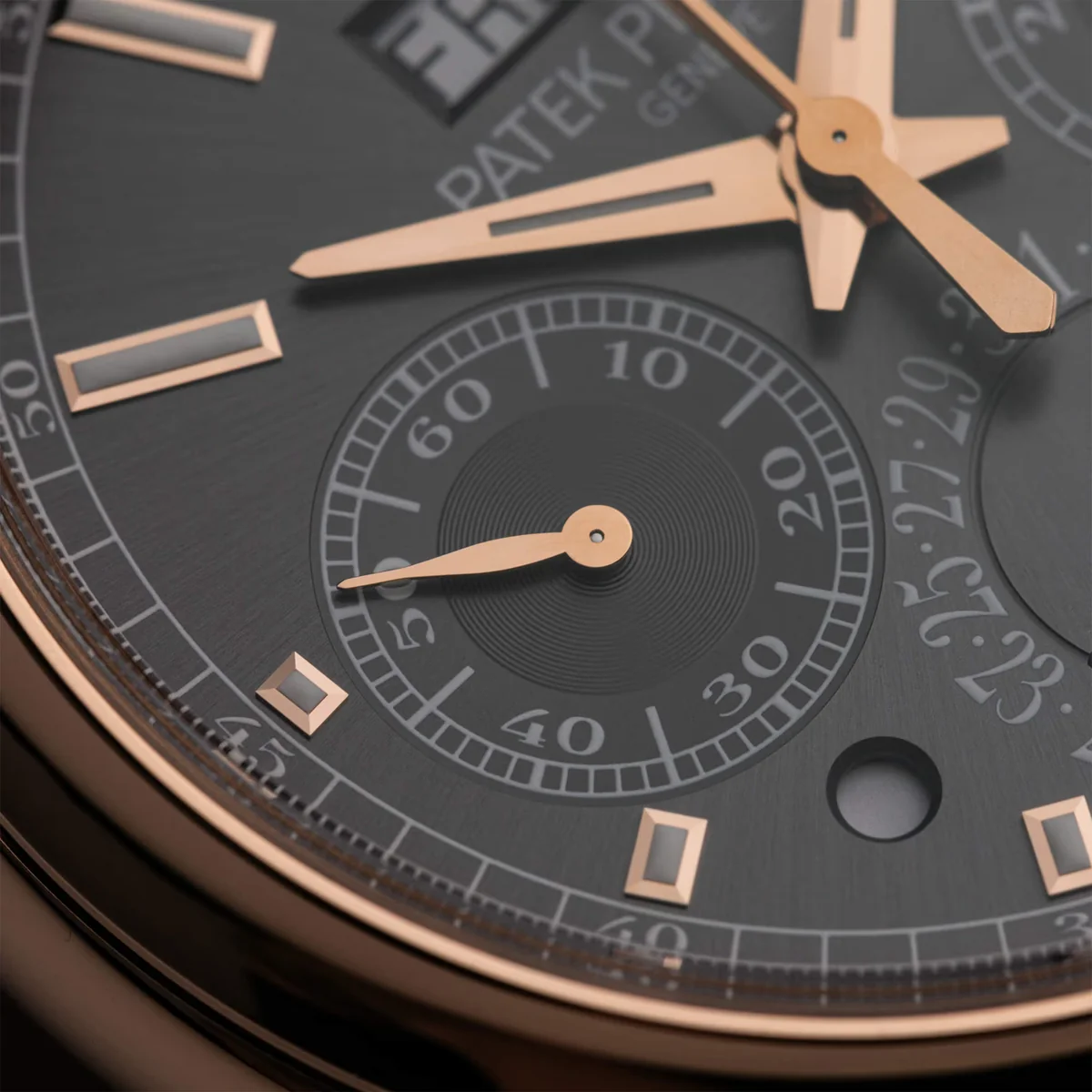
Walk into any authorised Rolex boutique today and ask to buy a stainless steel Daytona. The answer, almost certainly, will be a polite apology and an invitation to join a list with no guaranteed timeline. Walk out, open a reputable pre-owned platform, and you can own one by the end of the week — sometimes at a price that makes the retail tag look almost quaint.
That gap between what luxury watch brands charge at the counter and what actually circulates in the real world is where this guide lives. It is not a gap born of dysfunction; it is the natural consequence of constrained supply meeting genuinely durable demand. Understanding it is the foundation of buying intelligently.
This is a guide to the six pre-owned luxury watch brands that have consistently demonstrated the strongest value retention across market cycles — not just in bullish years, but through corrections, inflation, and shifting tastes. It is also an honest account of the risks: grey-market inflation, condition sensitivity, forgeries sophisticated enough to fool casual buyers, and the speculative volatility that can turn a “safe” purchase into an expensive lesson.
Whether you are buying as an investment, a daily companion, or simply because you have always wanted a Patek on your wrist, the decisions that follow will serve you better with a clear framework than with enthusiasm alone.
Why Pre-Owned Is the Smartest Entry Point Into Luxury Watches#
The pre-owned luxury watch market is no longer a secondary consideration. It is the primary market for the most desirable references. In2025, the global segment was valued at approximately $24–26 billion; analysts at Deloitte and the Federation of the Swiss Watch Industry project it will exceed $40 billion by the early 2030s. This is not speculation driven by hype cycles — it reflects a structural shift in how collectors, investors, and first-time buyers interact with fine horology.
Several converging forces explain the trajectory. Authorised dealer waitlists for high-demand references remain, in many cases, multi-year commitments with no guarantee of allocation. New collector demographics in Southeast Asia, the Gulf, and Latin America are entering the market at pace, and they are predominantly entering through pre-owned channels. Meanwhile, ESG-conscious buyers increasingly prefer the circular economy logic of pre-owned over extractive new production.
There is also a purely financial argument. New luxury watches, with a handful of notable exceptions, depreciate the moment they leave the boutique. A pre-owned watch has already absorbed that initial loss. In many cases, the buyer of a two-year-old example in excellent condition acquires an asset that has proven it can hold or grow its value — with documented evidence, not projections.
The caveat worth stating plainly: not all pre-owned luxury watches appreciate. The vast majority depreciate, some steeply. Brand equity, reference scarcity, movement complexity, and collector consensus separate the watches that reward patience from the ones that drain wallets. That distinction is what the next section addresses.
What Separates a Value-Holding Watch from a Depreciating One#
The question is not simply whether a watch is “luxury.” Price at retail correlates poorly with long-term value retention. A $20,000 watch from a prestigious name can lose 40% of its value within two years; a $12,000 watch from the right brand in the right reference can double over the same period. The differentiating factors are consistent and learnable.
Brand equity and cultural penetration. Watches that have achieved crossover recognition — worn by heads of state, athletes, architects, and collectors in equal measure — command demand that transcends any single demographic. Rolex is the canonical example. Patek Philippe is the connoisseur’s corollary. Both benefit from name recognition that functions as intrinsic collateral.
Production scarcity, real and structural. Some brands deliberately limit output. Others are simply incapable of scaling beyond their artisanal capacity. Either way, watches that cannot be readily produced on demand maintain price floors that mass-produced luxury cannot. Waitlists are not marketing theatre for the brands in this guide — they are genuine supply constraints.
Movement complexity and horological credibility. Watches housing in-house movements, particularly complications (perpetual calendar, tourbillon, minute repeater, split-seconds chronograph) command a premium that tool watches and three-hand dress watches generally do not. Complications made in small quantities, with components finished to museum standards, are inherently scarce.
Condition sensitivity and reference specificity. Even within a single brand, resale performance varies dramatically by reference. The Rolex GMT-Master II “Pepsi” in steel commands a premium that the same case in gold does not, because collector consensus is not always rational or predictable. Condition compounds this: an unpolished case with original bracelet can command 20–40% more than the same reference with heavy polishing marks, because original finishing is irreplaceable.
Documented provenance. Original box, papers, service records, and purchase receipts are not just nice to have — they are verifiable signals of authenticity and care. On any platform where buyers cannot physically inspect before purchasing, provenance documentation functions as a risk premium that sellers with clean documentation capture and sellers without it absorb.
The Tier-One Icons: Rolex, Patek Philippe, and Audemars Piguet#
These three brands occupy a category with no close competition in the secondary market. Their demand is not cyclical; it is structural. Supply constraints are genuine. Their cultural dominance spans geography and generation. For buyers seeking the closest thing to a guaranteed floor, this is the tier.
Rolex#
The numbers first. In the pre-owned market in 2026, a stainless steel Submariner Date (ref. 126610LN) trades between approximately $9,500 and $14,000depending on condition and box-and-papers status — against a retail price of roughly $10,500 that most buyers cannot access at the counter without a prior purchasing history. The stainless steel Daytona (ref. 126500LN) sits at $16,000–$30,000 pre-owned, against an official retail of approximately $15,400. The GMT-Master II “Pepsi” (ref. 126710BLRO) regularly trades at $14,000–$22,000 pre-owned.
What sustains this premium above retail on steel sports models is supply management at the authorised dealer level, not artificial rarity in production. Rolex makes more watches per year than Patek, AP, and Lange combined — but its most desirable references are systematically allocated away from open purchase. The pre-owned market is, for many buyers, the only functional market.
The honest caveats: Rolex values corrected significantly in 2022–2023 from pandemic-era peaks. The Submariner, which touched $16,000+ in 2021, retreated meaningfully. Values have since stabilised and, for specific references, recovered — but buyers paying a significant grey-market premium should be clear-eyed that they are accepting some speculative exposure. Also worth knowing: Rolex watches that have been heavily polished by previous owners trade at a genuine discount among serious collectors. An original brushed case finish is worth preserving.
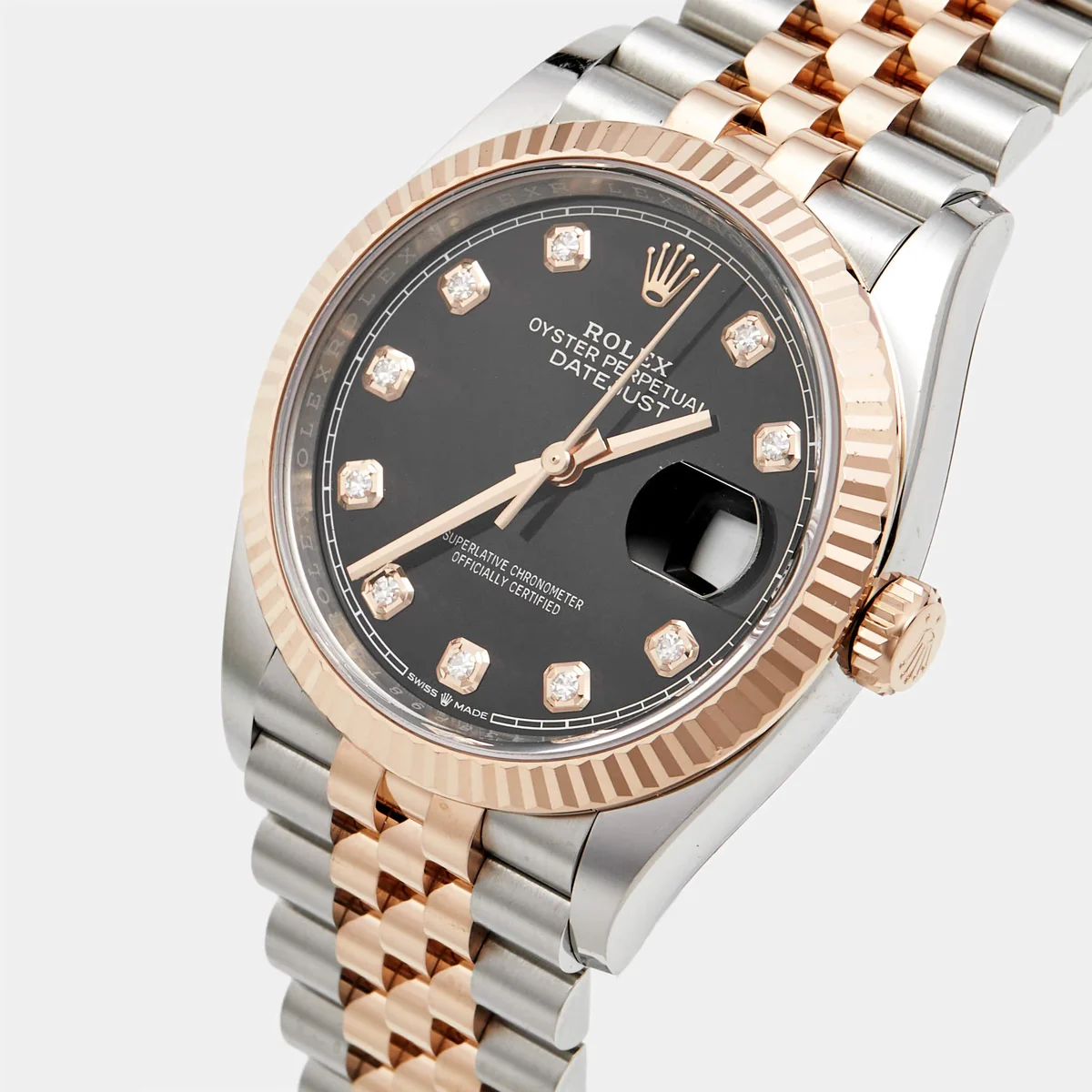
Recommended references for value retention: Submariner (steel, black dial), Daytona (steel, any dial), GMT-Master II “Batman” or “Pepsi.” The Day-Date and Datejust in precious metals are beautiful watches but significantly weaker value propositions pre-owned.
Patek Philippe#
Patek Philippe occupies a position in horology that no other brand has successfully replicated: the maker whose watches are described, not entirely as a cliché, as heirlooms rather than purchases. The brand’s output is small, its complications are genuinely extraordinary, and its collector base includes some of the most sophisticated buyers in the world.
The Nautilus reference5711/1A, discontinued in 2021, is the most dramatic value story in modern watchmaking. At its retail price of approximately $35,000 before discontinuation, pre-owned examples now trade between $70,000 and $130,000. This is not a healthy or easily repeatable story — it reflects a specific combination of discontinuation, icon status, and speculative demand that cannot be reliably projected forward.
The Aquanaut (ref. 5168G in white gold) and the annual calendar Nautilus (ref. 5726A) offer strong value retention at more measured premiums. Pre-owned Calatrava references trade between $15,000 and $40,000 depending on complication level and case material — and for buyers interested in horological substance over status symbol, they represent genuine value.
The honest caveat: Patek Philippe’s entry-level pre-owned prices are high, service intervals are long, and servicing by non-authorised centres can void any residual warranty and affect resale value. Condition is exceptionally sensitive at this level. A single deep scratch on a Nautilus bracelet link can shift pre-owned value by several thousand dollars.
Audemars Piguet#
The Royal Oak, designed by Gérald Genta in 1972, effectively invented the category of the luxury sports watch. The stainless steel reference 15500ST with white dial currently trades pre-owned between $25,000 and $38,000 against a retail of approximately $27,000 — tight margins, but consistent. The Royal Oak Chronograph and offshore variants command higher premiums for specific configurations. The Royal Oak Concept pieces and limited editions in titanium or ceramic occupy a more speculative tier.
Audemars Piguet’s decision to exit third-party retailer relationships in recent years — moving exclusively to authorised AP Houses — has sharpened both brand control and secondary market dynamics. Pre-owned supply of newer references is naturally constrained by the reduced retail channel, which has supported values.
The honest caveat: AP’s after-sales pricing is significant. A complete service on a Royal Oak can run $1,500–$3,500 depending on complication level, and the brand requires all service work to be performed through its own network. Buyers of pre-owned AP pieces should factor service history into their assessment carefully — a watch that has been neglected and requires immediate service has a higher true cost than its pre-owned price suggests.
The Intelligent Alternatives: Cartier, A. Lange & Söhne, and Richard Mille#
The brands below each serve a different buyer profile. None of them replicate the Rolex playbook — nor should they. Their case for inclusion rests on different strengths: design permanence, horological legitimacy, and speculative upside respectively.
Cartier#
Cartier occupies a singular position: a jeweller that became a watchmaker and achieved something most competitors never have — design that transcends era entirely. The Tank, first created in 1917, remains one of the most recognisable watch silhouettes in the world. The Santos, which predates the modern wristwatch era, invented the category. These are not sentimental observations; they are value drivers.
Pre-owned Cartier watches are notably accessible relative to the tier-one names. A pre-owned Santos de Cartier in steel (current ref. WSSA0010) trades between $4,000 and $6,500. A Tank Louis Cartier in yellow gold sits at $5,000–$12,000 depending on vintage and condition. A Ballon Bleu in steel trades at $3,500–$6,000. None of these will double. All of them hold reasonably well, absorb wear gracefully, and are, frankly, among the most wearable luxury watches available.
For buyers whose primary concern is day-to-day satisfaction with a watch that will not embarrass itself at a dinner or on a desk, Cartier pre-owned is one of the most rational entry points in the secondary market.
The honest caveat: Cartier’s quartz variants hold value poorly, and the leather straps on many models require regular replacement. The brand’s association with fashion as much as horology means it lacks the hardcore collector conviction that drives Patek or AP premiums. Think of it as a holding asset, not an appreciating one.
A. Lange & Söhne#
A. Lange & Söhne is the maker that serious collectors mention when they want to demonstrate they are serious. Based in Glashütte, Germany, the brand produces around 5,000 watches per year with finishing standards that rival anything made in Geneva — arguably surpass it on movement decoration alone. The three-quarter plate, the outsize date, the hand-engraved balance cock: these are not marketing language. They are genuinely extraordinary.
Pre-owned Lange 1 references (ref. 101.039in yellow gold) trade between $18,000 and $30,000. The Saxonia Annual Calendar runs $20,000–$40,000. The Datograph, widely regarded as among the finest manual-wind chronographs made, sits at $45,000–$90,000 pre-owned depending on precious metal and reference.
The value case for Lange is relative scarcity meeting genuine horological credibility. It is not a Rolex — demand is narrower, liquidity is lower — but pre-owned values have proven resilient and the downside risk on well-maintained examples is limited.
The honest caveat: liquidity matters. If you need to sell a Lange quickly, you will find fewer buyers than you would for a Rolex or Patek. The collector base is sophisticated but not large. Service costs are also meaningful, and parts availability can be slower than for Swiss counterparts.
Richard Mille#
Richard Mille is the brand that generates the most disagreement among serious collectors, and that disagreement is itself worth noting. The watches — ultra-lightweight, architecturally disruptive, priced at retail between $80,000 and several million dollars — occupy a position unlike anything else in contemporary horology.
The value case is speculative but documented. The RM 011 Felipe Massa in titanium has traded pre-owned between $80,000 and $200,000 depending on condition and vintage. Limited collaboration pieces (RM 67-02, certain racing editions) have traded at multiples of retail. The brand’s celebrity association and genuine technical innovation sustain demand.
The honest caveats are significant here. Richard Mille values are more volatile than Rolex or Patek. The brand’s strategy has included aggressive limited edition releases that dilute the premium on standard references. Serviceability is expensive and strictly brand-controlled. Fakes are an increasing problem at the lower end of the pre-owned market. And for buyers who want a watch that will function flawlessly for a decade with minimal intervention, the design priorities of an RM — lightness, visual complexity, formula-one inspiration — are more demanding in daily wear than they appear in marketing photography.
Approach Richard Mille pre-owned as you would a speculative asset: with a defined position size, an exit strategy, and no dependency on a specific exit price.
How to Authenticate and Assess Condition Before You Buy#
The pre-owned luxury watch market rewards prepared buyers and punishes impulsive ones. Forgeries have become sophisticated enough that superficial inspection is no longer sufficient for high-value references — a fake Rolex Daytona or Patek Nautilus can now look, at a glance, convincingly genuine. The following checklist addresses the practical due diligence that should precede any significant purchase.
1. Serial and reference number verification. Every Swiss luxury watch has a case serial number and a reference number engraved on the case — typically between the lugs (accessible only when the bracelet is removed) or on the caseback. These numbers should match the accompanying papers exactly. For Rolex, cross-reference the serial against known production date databases. Discrepancies are an immediate red flag.
2. Box and papers. “Full set” — meaning original box, inner box, warranty card (chrono card for Rolex), and hang tags — commands a premium for a reason. A warranty card with matching serial and an original retail stamp is a significant authenticating document. Beware of reproductions: original warranty cards have specific paper quality, print characteristics, and sometimes retailer-specific stamps that are difficult to replicate convincingly at scale.
3. Case and bracelet condition assessment. This requires physical inspection or very high-resolution photography. Look for: polishing of brushed surfaces (which softens lugs and reduces value); deep scratches on sapphire crystals; stretch in the bracelet (normal with age, but measurable and a signal of wear); and refinishing of the dial, which is occasionally performed on vintage pieces and significantly affects collector value.
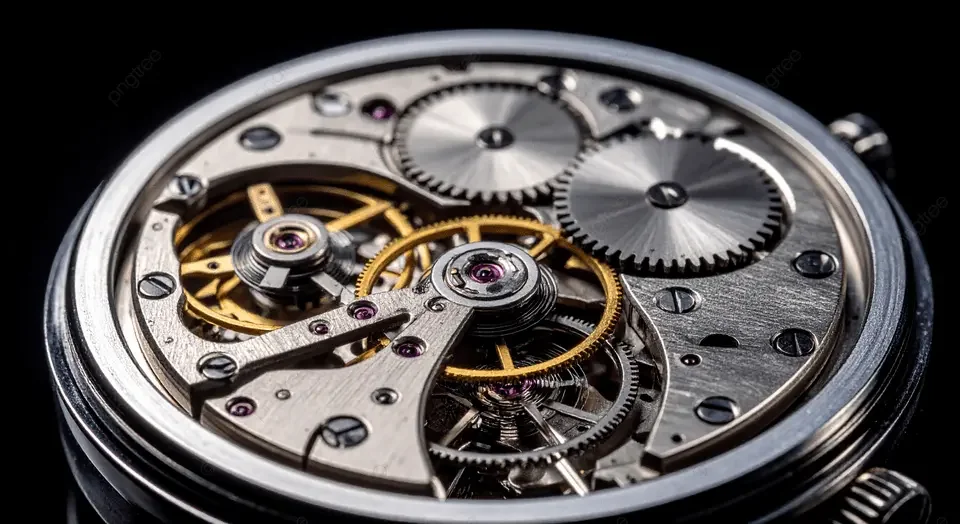
4. Movement inspection. For watches above $10,000, a watchmaker’s inspection is not optional — it is standard practice. A qualified independent horologist can examine the movement for aftermarket parts, tampering, service quality, and condition. Budget approximately $100–$250 for a pre-purchase inspection; it is among the highest-return expenditures you will make.
5. Third-party authentication services. For high-value references, established platforms including Watchfinder, Chrono24’s authentication service, and independent specialists provide documented authentication. For Rolex specifically, Rolex-authorised service centres can verify a watch’s authenticity and service history. Some auction houses (Christie’s, Phillips, Sotheby’s) offer watches with authenticated provenance documentation that provides meaningful reassurance.
6. Red flags that warrant walking away. Price significantly below market for the reference (over 20% under current secondary market value is a reliable danger signal). Reluctance from the seller to provide close-up photographs of serial numbers. Missing or non-matching papers on a watch presented as full-set. Aftermarket dials, bezels, or bracelet end links. Any claim of a “factory defect” to explain an unusual feature.
7. Seller due diligence. On peer-to-peer platforms, review transaction history and feedback volume. For dealer transactions, verify physical premises, company registration, and return policy in writing. Reputable dealers offer return windows and authentication guarantees; private sellers generally do not.
Buying Advice: How to Choose the Right Pre-Owned Watch for Your Goals#
The single most common error in pre-owned watch buying is confusing personal desire with investment thesis. They can align, but they are not the same question. The following framework separates them.
If Your Primary Goal Is Value Retention or Appreciation#
Prioritise: stainless steel sports references from Rolex (Submariner, GMT-Master II, Daytona); Patek Philippe with full original documentation; Audemars Piguet Royal Oak in steel or specific precious metal limited references.
Discipline required: condition is non-negotiable; full set documentation is essential; patience to source the right example rather than the available one. Budget approximately 10–15% above the base pre-owned price for authentication, inspection, and safe storage if holding long-term.
Avoid: gold dress watches from any brand except Patek at significant discount; any reference with incomplete papers at a premium price; Richard Mille unless you have deep familiarity with the specific reference and current market.
If Your Primary Goal Is Daily Wearability#
Prioritise: Cartier Santos or Tank in steel; Rolex Datejust (value-neutral but practically excellent); A. Lange & Söhne Saxonia (understated, exceptional quality, appropriate for most contexts).
Key considerations: service history is critical for a daily wearer — a watch without recent service documentation may need immediate work. Bracelet condition matters more for daily wear than for investment holding. Avoid references with complications you will not use; complexity raises service cost without adding utility.
If This Is Your First Luxury Watch Purchase#
Start at a price point that represents a genuine stretch, not a gamble. A pre-owned Cartier Ballon Bleu in steel at $4,500–$5,500, or a pre-owned Rolex Datejust 36 at $6,000–$9,000, delivers the experience of owning a genuine luxury timepiece with manageable risk and strong secondary liquidity if you choose to sell.
Avoid entering the secondary market at the top: a first-time buyer paying $70,000 for a pre-owned Patek Nautilus is unlikely to have the market knowledge to assess condition, authenticity, and fair pricing with sufficient confidence. Build familiarity before building position size.
Frequently Asked Questions#
Which pre-owned luxury watch brand holds value best? Rolex holds value most consistently across the broadest range of references, because its combination of brand recognition, supply constraints, and global demand is unmatched. Within Rolex, stainless steel sports references (Submariner, Daytona, GMT-Master II) perform best. Patek Philippe holds value equally well but demands higher entry prices and is less liquid. For buyers in the sub-$15,000 range, Rolex is the clearer answer.
Do pre-owned luxury watches come with a warranty? Not automatically. A watch purchased through an authorised dealer’s certified pre-owned programme will typically carry a limited warranty — often 12to 24 months. Peer-to-peer transactions carry no warranty unless the seller explicitly and contractually provides one. Some manufacturers (including Rolex and Audemars Piguet) will service a watch and provide a new manufacturer’s warranty after a complete service, regardless of prior ownership history.
Is buying a pre-owned luxury watch risky? Buying through a reputable dealer with authentication guarantees carries limited risk. Buying from private sellers without documentation, inspection, or a verified transaction history carries significant risk — both for authenticity and for undisclosed condition issues. The risk is manageable with due diligence; it is not inherently high for informed buyers.
How much cheaper is pre-owned versus retail for luxury watches? It depends entirely on the reference. Rolex stainless sports models frequently trade above retail due to waitlists. Rolex gold dress models trade well below retail. Cartier typically offers20–35% savings versus new. A. Lange & Söhne can offer 30–50% below retail on less speculative references. The assumption that pre-owned automatically means cheaper does not apply uniformly in this market.
How do I know if a pre-owned luxury watch is authentic? Serial number verification, movement inspection by an independent watchmaker, and matching box-and-papers documentation are the core tools. For high-value purchases (above $10,000), a professional authentication service is strongly recommended. Visual guides specific to each reference are widely available from collector communities, but they are not a substitute for hands-on expert inspection.
What is the best pre-owned luxury watch to buy for investment in 2026? No watch purchase should be made purely as an investment without accepting the risks involved: illiquidity, condition deterioration, shifting collector taste, and speculative volatility. With that caveat clearly stated: stainless Rolex sports references and Patek Philippe complications with full documentation have demonstrated the most consistent track records. Richard Mille offers higher potential upside with materially higher risk. A. Lange & Söhne represents the strongest value proposition for buyers who prioritise horological quality over speculative return.
Should I buy from an online platform or a physical dealer? Both can be appropriate depending on the reference and price point. Physical dealers allow in-person inspection and establish a direct relationship for after-sale support. Established online platforms with authentication guarantees (Chrono24, Watchfinder, Bob’s Watches) offer broader selection and often competitive pricing, but remove the ability to inspect before committing. For purchases above $15,000, the option to physically inspect — or commission an independent pre-purchase inspection — is worth pursuing regardless of channel.
Related Articles#

Keyword index