Introduction #
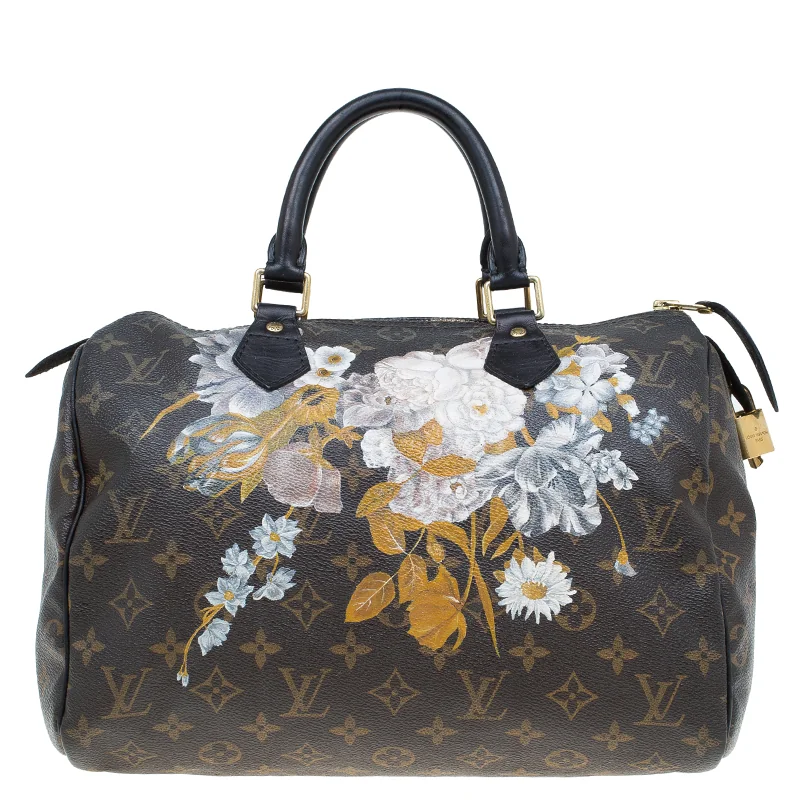
Louis Vuitton doesn’t need an introduction, but its price tags certainly do. What started as a trunk-making atelier for Napoleon III’s wife in 1854 has become the benchmark against which every other “investment bag” gets measured. That heritage is real, and it’s a big part of why LV prices keep climbing rather than settling. But heritage alone doesn’t tell you what you’ll actually pay for a Speedy versus a Capucines, or whether a pre-owned Neverfull is a smart buy or a gamble.
I’ve bought, sold, and handled enough Louis Vuitton pieces (mine and clients’) to know that the brand’s pricing isn’t random. There’s a clear tier structure: canvas everyday bags at the bottom, structured leather pieces in the middle, and exotic skins or limited collaborations at the top. Each tier behaves differently on resale, too. This guide breaks down real price ranges across LV’s most iconic styles, tells you honestly where the value actually is, and walks through how to buy smart whether you’re going brand-new or pre-loved.
One caveat before we dive in: Louis Vuitton raises prices several times a year, sometimes with little notice. The ranges below reflect where current retail generally sits, but treat them as a directional guide, not a locked-in quote. Always check current pricing directly with the brand before you commit.
Everyday Icons: Speedy, Neverfull and Keepall Prices #
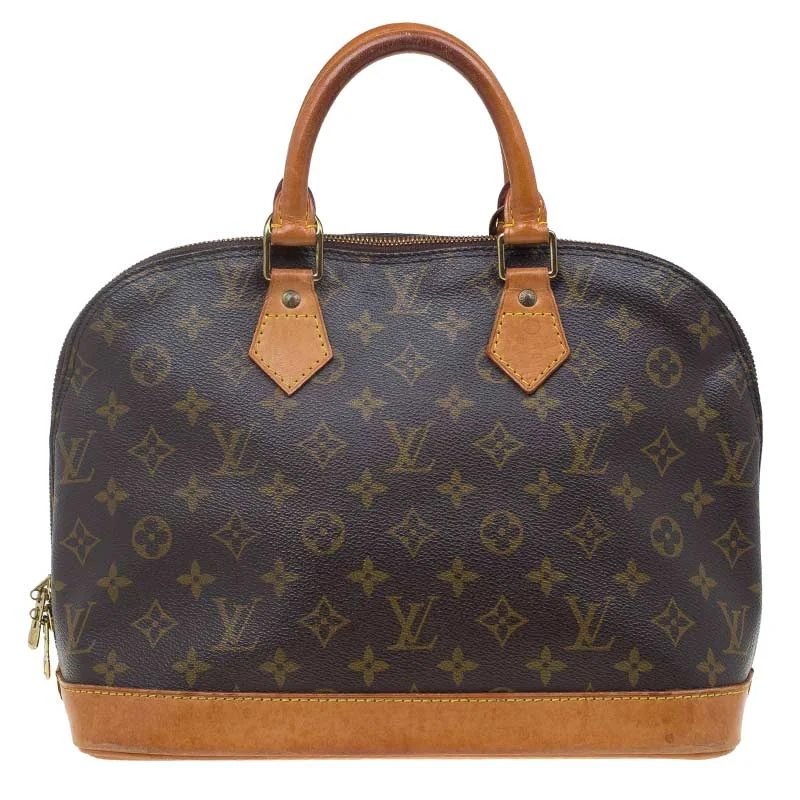
These three are the gateway drugs of Louis Vuitton ownership, and for good reason. They’re the most photographed, most gifted, and most resold LV bags on the planet.
LV Speedy — roughly $1,500 to $1,900 depending on size (25, 30, 35) and material. The Speedy started life in the 1930s as a smaller take on the Keepall, and it’s aged into the brand’s most recognizable silhouette. Monogram canvas remains the go-to, though Damier Ebène and Epi leather versions run a bit higher. Honest take: it’s a genuinely great daily bag, structured enough to hold its shape, light enough not to punish your shoulder, and the canvas shrugs off everyday wear better than most leather bags twice the price. The downside is that it’s everywhere. If you want something that doesn’t scream “starter LV bag,” this isn’t it.
LV Neverfull — around $1,700 to $2,100 for the standard MM size in monogram canvas, more for Damier Azur or leather trims. This is the tote I recommend most often to people who want one do-everything LV bag. It’s open-top, which means no fumbling with a lock, and the sides cinch in or out depending on how much you’re hauling. The tradeoff is exactly that open top — no zipper closure means no real security, and the canvas base can eventually show sag on heavily used bags. Still one of the best value-per-wear pieces in the lineup.
LV Keepall — from about $1,900 for the 40cm canvas version up to $2,700+ for leather or larger sizes. Originally a travel bag, and it still performs best as one rather than as a daily carryall. Soft-sided, lightweight, and genuinely holds up to being checked or gate-checked, which is more than I can say for some “luggage” that costs three times as much. If you’re buying it to use as a handbag rather than a duffel, it’s an awkward, floppy fit for that job.
Verdict on this tier: excellent entry point, genuinely useful, but don’t expect these to feel exclusive. You’re paying for craftsmanship and brand recognition, not rarity.
Structured Statement Bags: Alma, Capucines and Twist Prices #
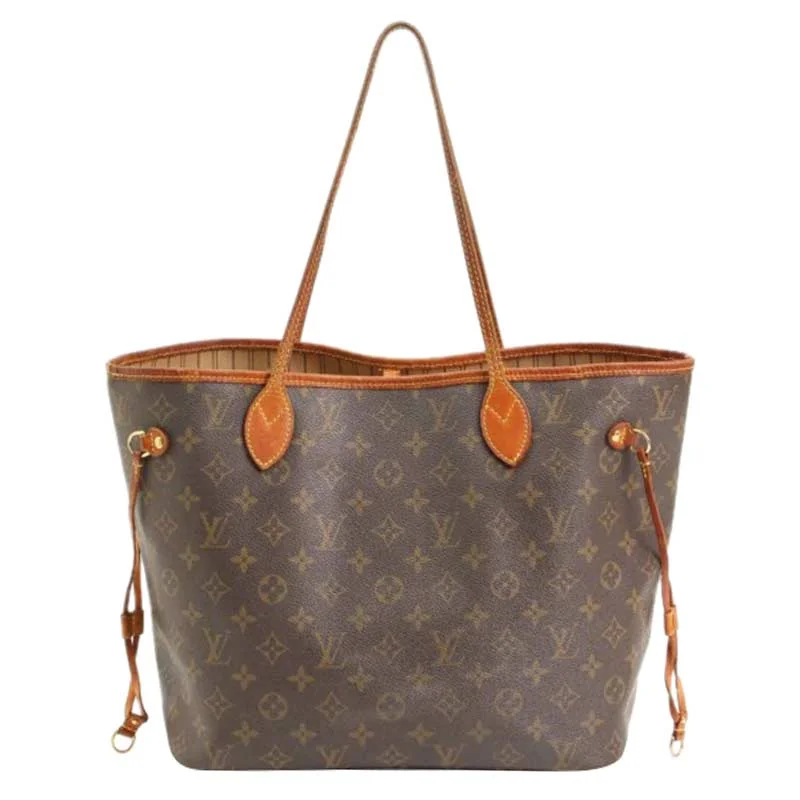
Step up a tier and the bags get more formal, more structured, and considerably more expensive.
LV Alma — roughly $2,300 to $2,900 for the BB size, depending on material (monogram canvas, Epi leather, or Vernis patent). Originally created in the 1930s and long rumored to have been designed with Coco Chanel’s input, the Alma’s boxy, symmetrical silhouette reads more “evening” than “errands.” I like it for dressier occasions, but the structured base means it holds its shape rigidly, which some people find less forgiving to pack than a soft tote.
LV Capucines — this is where things jump significantly, typically $5,300 to $7,600 depending on size (Mini, BB, MM) and leather. Named after the Rue des Capucines where LV opened its first store, this is the brand’s answer to the quiet-luxury structured bag category that Hermès and Dior also play in. The craftsmanship is genuinely a step up — supple calfskin, clean hardware, no visible branding if you choose the plain leather colorways. Honest downside: at this price, you’re competing directly with a Dior Lady Dior or Chanel flap, and those arguably carry more resale cachet.
LV Twist — around $3,650 to $4,600 for the MM in Epi leather. The turn-lock closure with the LV monogram twist is the standout design detail here, and it’s a genuinely eye-catching bag on the shelf. It photographs beautifully but I’ve found the twist-lock clasp can feel a little fussy in daily use compared to a simple zip or magnetic snap.
This tier makes sense if you want a bag for client meetings, dinners, or events, but I wouldn’t recommend it as a first LV purchase. You’re paying a real premium for formality that an everyday canvas bag simply doesn’t need to deliver.
Exotic and Limited-Edition Louis Vuitton Prices #
At the top of the pyramid sit the pieces that turn Louis Vuitton from “accessible luxury” into genuine high-end territory.
Exotic skins — crocodile, alligator, ostrich — routinely push versions of the Capucines, Alma, or special-order pieces into the $15,000 to $50,000+ range, depending on skin quality and bag size. These aren’t stocked at every boutique; many require a client relationship with a store or a special order through LV’s exotic skin program.
Collaborations and limited runs (think artist collaborations, anniversary pieces, or runway-exclusive capsule drops) can range anywhere from $3,000 for a special-edition Speedy to well into five figures for statement pieces. Pricing here is driven less by materials and more by scarcity and hype, which is a different value equation entirely.
My honest take: exotic skins are stunning in person, and the craftsmanship justifies a real premium. But limited-edition collaborations are a mixed bag (pun intended). Some appreciate quickly because collectors chase them the moment they’re discontinued. Others quietly become the pieces you see sitting on resale sites for years because the design was more “moment” than “classic.” Buy these because you love them, not because you assume they’ll appreciate.
Resale Value: Which Louis Vuitton Bags Hold Up as Investments #
This is the question I get asked most, and the honest answer is: it depends heavily on the style, not just the brand.
The Neverfull and Speedy hold value remarkably well as percentages of retail, generally landing in the 55-70% range for well-maintained pieces, because demand is constant and supply is never scarce enough to tank prices. They’re not going to double in value, but they’re liquid. You can sell one quickly.
The Capucines and exotic-skin pieces tend to hold or occasionally exceed retail on resale, especially in rare colorways or skins, because production is more limited and the buyer pool for pieces at that price point is more deliberate and patient.
Where LV genuinely underperforms compared to Hermès or Chanel is at the very top. A Birkin or a [[[[Chanel Classic Flap](/buying-guides/chanel-flap-bag-buying-guide/)](/prices-and-value/chanel-classic-flap-bag-luxury-investment/)](/buying-guides/vintage-chanel-finds-top-picks/)](/buying-guides/designer-must-have-bags/) in good condition can appreciate meaningfully over years. Louis Vuitton’s structured bags, including the Alma and Twist, are more likely to depreciate steadily like the rest of the designer handbag market rather than defy it. If you’re buying purely for investment upside rather than use and enjoyment, LV isn’t the strongest play in the luxury handbag category, canvas Speedys and Neverfulls aside.
Condition matters enormously across the board. Canvas that’s been overexposed to sun or humidity, cracked leather trim (vachetta especially), and worn hardware will tank resale value on any style, sometimes by 30% or more compared to a well-cared-for equivalent.
Buying Advice: New vs Pre-Owned Louis Vuitton #
Buying new gets you a warranty, the ability to have the bag repaired or refurbished through LV directly, and total certainty on authenticity. The tradeoff is you’re paying full retail with zero flexibility, and popular styles or sizes are frequently out of stock or waitlisted at boutiques.
Buying pre-owned can save you anywhere from 20% to 50% off retail, particularly on discontinued colorways, older hardware styles, or vachetta-trim bags that have already developed their patina (which, frankly, some buyers prefer over stiff new leather). The risk is authenticity and condition, so due diligence matters here more than almost anywhere else in fashion resale.
A few things I always check or recommend before buying pre-owned:
- Date codes and stamping. Louis Vuitton’s date codes have a consistent format and placement depending on era, and mismatched fonts, spacing, or placement are red flags.
- Stitching quality. LV’s stitching is precise and even. Uneven stitch length or loose threads are one of the fastest tells on a counterfeit.
- Hardware weight and finish. Genuine LV hardware feels substantial and doesn’t tarnish or flake quickly.
- Buy from platforms with in-house authentication, or from resellers who offer third-party authentication certificates and clear return policies. Skip anything that seems too good to be priced, especially on marketplaces with no verification process.
- Ask for interior date code close-ups and receipts if buying from an individual seller rather than a curated reseller.
My honest recommendation: for entry-tier canvas bags like the Speedy or Neverfull, pre-owned is a smart move since these bags are built to last and the savings are meaningful. For exotic skins or high-value pieces, I lean toward buying new or from a reseller with airtight authentication, since the financial risk of a fake at that price point is simply too high.
FAQ: Louis Vuitton Handbag Prices #
Why do Louis Vuitton prices keep going up? LV raises prices multiple times a year, generally citing rising material and production costs, but it’s also a deliberate brand strategy. Frequent, incremental increases keep the brand positioned above mass-market competitors and, historically, have made previously purchased bags worth more, reinforcing the “investment” narrative.
What is the cheapest Louis Vuitton bag you can buy new? Small leather goods and card holders start under $500, but for an actual handbag, canvas mini styles and small pouches in the $1,000 to $1,500 range are typically the entry point.
Do Louis Vuitton bags actually appreciate in value? Some do, particularly discontinued colorways, exotic skins, and select limited editions. Most standard canvas styles depreciate slowly rather than appreciate, but they hold value better than the vast majority of designer handbags on the market.
Is the Speedy or the Neverfull the better first Louis Vuitton bag? It depends on how you carry. The Neverfull suits people who overpack and want an open, flexible tote. The Speedy suits people who want a more structured, compact bag with better security thanks to its zip closure.
Are Louis Vuitton bags a good investment compared to Chanel or Hermès? Generally no, not in the strict appreciation sense. Chanel flap bags and Hermès Birkins and Kellys have shown stronger long-term appreciation due to tighter production and waitlists. LV’s strength is liquidity and stable resale value across a wide range of everyday styles, not dramatic upside.
Related Articles #
- Louis Vuitton Alma Bag: The Ultimate Buying Guide
- Louis Vuitton Neverfull Guide: Worth the Investment?
- Popular Handbag Brands: Which One Is Right for You?

Keyword index