Introduction: A New Category Joins The Luxury Closet #
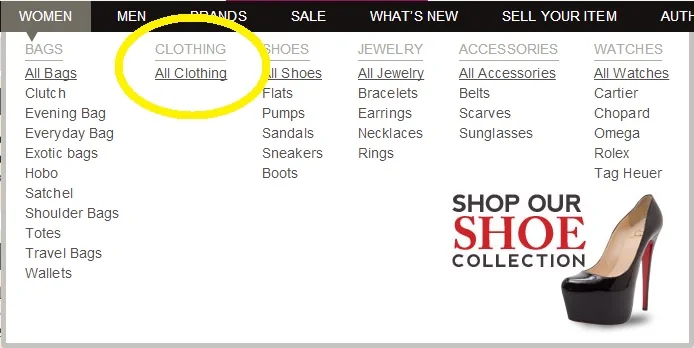
If you’ve shopped The Luxury Closet before, you probably went straight for the handbags or scrolled through pre-owned watches. Last week, quietly and without much fanfare, a new tab appeared on the menu: Clothing. No press release fireworks, just a new link sitting between Accessories and the rest of the lineup, pointing to a growing selection of designer dresses, jackets, and separates.
I’ve spent enough time combing through resale platforms to know that a launch like this deserves more than a passing mention. Clothing is a notoriously harder category to get right in the pre-owned luxury space than bags or jewelry, because fit, fabric condition, and construction details vary piece to piece in ways a handbag simply doesn’t. So the real question isn’t just “what’s new,” it’s whether The Luxury Closet can pull off authenticity and quality vetting for clothing the way it has for its other categories. Based on what’s currently listed, they’re off to a solid start.
From Five Categories to Six: What’s Changed #
The Luxury Closet has built its reputation on five core categories: handbags, shoes, watches, jewelry, and accessories. Clothing now makes six, and it’s not a token add-on tucked away as a subcategory. It sits as its own destination, which tells me the site is treating it as a genuine growth area rather than an experiment.
Practically, this matters for a few reasons. Shoppers who already buy [[[designer clothing](/brands/rosecore-fashion-trend-2024/)](/brands/kenzo-disney-jungle-book-collection/)](/brands/best-luxury-designer-clothing-brands/) online through other resale sites now have another destination to compare inventory and pricing against. Collectors who’ve been selling handbags or jewelry through The Luxury Closet can now consolidate their pre-owned designer clothing sales in one place instead of splitting listings across multiple platforms. And for anyone building a full designer wardrobe rather than just an accessories collection, that’s a meaningful convenience.
I’ll be honest about the current limitation: the clothing selection is still noticeably smaller than the handbag or watch categories, which have years of inventory behind them. That’s expected for a category this young. Anyone expecting Vestiaire Collective or The RealReal-level volume on day one will be a little disappointed. What’s there, though, is genuinely interesting.
Where the Pieces Come From: Sourcing and Authenticity #

Here’s the part that actually determines whether this category is worth your attention: where the clothes come from and how they’re checked before listing.
The Luxury Closet is sourcing its clothing inventory the same way it built its other categories, primarily from private sellers. That means designer collectors looking to rotate out pieces they no longer wear, alongside individual women selling items that have sat in their closets, sometimes with tags still on, sometimes worn once for an event. This is a meaningfully different sourcing model than buying wholesale deadstock, and it’s worth understanding because it directly affects what you’ll find: fewer duplicates, more one-off or limited pieces, and inventory that shifts constantly.
The trade-off with private-seller sourcing is that authentication becomes the whole ballgame. A handbag has serial numbers, hardware stamps, and known construction tells that make counterfeits easier to flag. Clothing is trickier: couture labels, stitching techniques, and fabric composition require someone who actually knows what a real Givenchy interior lining or Herve Leger power-mesh panel looks and feels like versus a convincing fake. The Luxury Closet’s existing authentication process, built over years of handling handbags and jewelry, is being extended to clothing, with the same emphasis on physical inspection before anything goes live.
My honest take: this is the category to watch closely as it scales. Authentication processes that work well for structured leather goods don’t always translate cleanly to soft goods and couture construction. So far the pieces I’ve reviewed show the kind of detail-level documentation (label photography, condition notes, construction close-ups) that suggests the team is taking this seriously rather than treating clothing as an afterthought.
Standout Pieces to Know: Givenchy and Herve Leger #
Two pieces from the initial drop are worth calling out, not because they’re the only good items, but because they illustrate the range this category is aiming for.
The first is a Givenchy Spring 2011 Couture dress, size 36, featuring feather detailing. Couture pieces rarely surface on resale platforms because they’re produced in tiny runs and often stay within a small circle of clients or archives. Finding one listed with clear label documentation and condition photography is a genuine point of interest for collectors, not just casual shoppers. If you’re someone who tracks designer clothing as an investment category the way you might a rare handbag, couture-level pieces like this are the ones actually worth watching for resale value over time, far more than ready-to-wear.
The second is a Herve Leger black and grey one-shoulder bandage dress. This is a much more wearable, occasion-ready piece, and it’s a good example of the kind of cocktail and event wear that tends to move quickly in pre-owned markets because bandage dresses hold their shape and structure well even after previous wear. If you’ve shopped Herve Leger before, you know sizing runs notoriously tight and consistent across seasons, which actually works in favor of pre-owned buyers, since a well-documented size on a listing is more reliable than with brands that have shifted their fit over the years.
Between these two, you get a decent snapshot of what this category is aiming to serve: rare, collector-grade pieces on one end, and versatile, event-ready designer clothing on the other.
Buying or Selling: How to Get Started #
If you’re buying:
Treat clothing purchases here the way you would any pre-owned designer purchase, with a bit more scrutiny than you’d apply to a bag or a watch. A few things I’d check before buying designer clothing online from any resale platform, including this one:
- Confirm the size is listed in actual measurements, not just the tag size, since vintage and European sizing especially can run inconsistently across brands and decades.
- Look closely at condition notes for fabric-specific issues like pilling, discoloration under arms, or stretched-out elastic in structured pieces like bandage dresses.
- Ask for additional photos of interior labels, seams, and any visible repairs if they’re not already included. A seller or platform that hesitates to provide these is a red flag.
- Factor in alterations. Couture and designer ready-to-wear are often tailored to the original owner, so a “size 36” may fit differently than the label suggests.
If you’re selling:
If you’ve got designer clothing sitting unworn, this new category gives you a real reason to consider selling through The Luxury Closet rather than letting pieces depreciate in a closet. The general path mirrors how the site handles handbags and jewelry:
- Submit your item details (brand, condition, any original tags or receipts) through their sell page.
- Expect a vetting step where the team reviews photos or requests the physical item for inspection and authentication.
- Once approved, pricing is typically set based on brand, condition, rarity, and current demand, so a couture or limited piece will be evaluated differently than a mainstream ready-to-wear item.
My honest advice for sellers: have original tags, receipts, or purchase documentation ready if you have them. It won’t just speed up authentication, it also tends to support a stronger resale price, particularly for couture or limited-production pieces like the Givenchy dress mentioned above.
FAQ #
Is the clothing on The Luxury Closet authentic? Items are sourced from private sellers and collectors, then run through the site’s existing authentication process before listing. As with any pre-owned designer clothing marketplace, no system is infallible, so buyers should still review label photography and condition notes closely, especially for couture or vintage pieces where authentication is inherently harder than with handbags or watches.
How does sizing work for pre-owned designer clothing? Sizing varies by brand, era, and country of origin, so tag size alone isn’t reliable. Look for actual body measurements in the listing, and when in doubt, contact the seller or platform for specifics before buying, particularly with structured pieces like bandage dresses or tailored couture.
What condition should I expect on pre-owned pieces? Condition ranges from unworn with tags to gently used with visible wear. Listings should specify this clearly. If a listing doesn’t disclose condition details, that’s worth asking about directly rather than assuming.
How do I sell designer clothing on The Luxury Closet? Submit your item through the site’s sell page with brand, condition, and any documentation you have. The team reviews and authenticates the piece before it goes live, with pricing based on brand, rarity, and condition.
Will the clothing category keep growing? Based on how the site’s other categories have scaled since launch, yes, this one appears likely to expand steadily rather than stay a niche add-on. Current inventory is still smaller than handbags or watches, so it’s worth checking back regularly if you’re hunting for something specific.
Related Articles #
- How to Sell Luxury Items Online: The Luxury Closet Guide
- Selling With The Luxury Closet: How It Really Works
- 4 Reasons Bally Bags Are Worth Buying: A Buying Guide
- Sell Designer Handbags in 2025: Get Paid More, Faster
- 10 Best Designer Handbags Worth the Investment (2026)

Keyword index