Introduction#
There is a particular kind of satisfaction in finding a Givenchy couture dress — the kind that was shown on a Paris runway, worn once, and then carefully stored — for a fraction of its original retail price. It requires patience, the right platform, and a degree of trust that the piece is exactly what it claims to be.
For the past several years, The Luxury Closet (TLC) has built that trust in categories where authentication is well-established: Chanel flap bags, Rolex watches, Cartier bracelets. The platform earned its credibility piece by piece, literally. So when a new clothing category appeared in the site’s navigation menu, it was worth paying attention — not with blind enthusiasm, but with the measured curiosity of someone who has been shopping pre-owned designer goods long enough to know that a new category launch is only as good as the inventory behind it.
Here is an honest look at what TLC’s clothing section offers right now, who it serves, and whether it deserves a place in your luxury resale strategy.
The Luxury Closet Just Got a New Wardrobe Department#
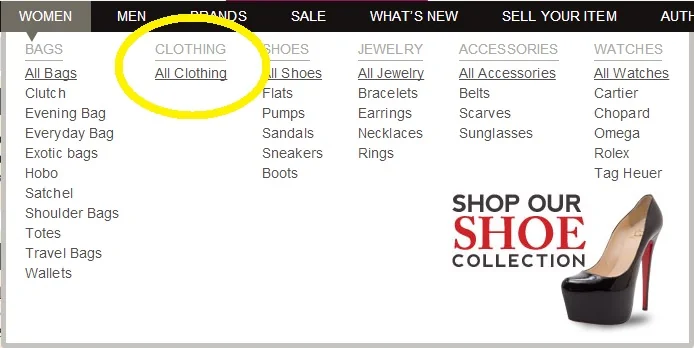
The Luxury Closet quietly added a sixth category to its platform: women’s [[designer clothing](/brands/victoria-beckham-clothing-buying-guide/)](/brands/best-luxury-designer-clothing-brands/). If you blinked, you may have missed the update — there was no fanfare, no press release timed to fashion week. The clothing tab simply appeared in the navigation menu alongside the platform’s established categories: Handbags, Shoes, Watches, Jewelry, and Accessories.
That understated rollout is, in a way, consistent with how TLC operates. The platform has never been loud. It built its reputation in the Gulf region and beyond by doing the unsexy work well — rigorous authentication, consistent condition grading, competitive pricing on the secondary market — rather than by generating hype.
The addition of clothing is a logical next step. A shopper who trusts TLC with a €3,000 Chanel bag purchase has little reason not to trust the same platform with a €600 cocktail dress, provided the authentication standards transfer. That is the core question this category launch needs to answer over time.
For buyers, the new section means access to pre-owned designer clothing online — couture pieces, designer occasionwear, luxury outerwear — from a platform with an existing authentication infrastructure. For sellers, it opens a new route for clearing designer wardrobe pieces that have nowhere obvious to go. A Hervé Léger bandage dress is not the kind of item most people think to list on a general resale app, but it has a buyer. TLC is now trying to connect the two.
What’s Actually Available: Brands, Styles and Condition#

Let’s be direct about this: the clothing category is early-stage. If you are expecting the depth of inventory you would find in TLC’s handbag or watch sections — hundreds of listings, multiple sizes per style, a range of price points — you will need to adjust your expectations. This is a category that is being built in real time, and the current selection reflects that.
What is there, however, is genuinely interesting.
Givenchy Spring 2011 Couture Dress, Size 36. This is the kind of piece that makes a category worth having. A runway couture dress from Givenchy’s Spring 2011 collection, complete with the house label and feather detailing, in a European size 36. Couture on the secondary market is rare regardless of platform. The condition, the label authentication, and the provenance documentation matter enormously for a piece like this — and this is where TLC’s hands-on authentication process earns its keep.
Hervé Léger Black and Grey One Shoulder Bandage Dress. Bandage dresses occupy an interesting corner of the resale market. The brand’s construction is distinctive enough that a trained eye can identify a fake quickly, which actually makes authentication more reliable. The one-shoulder silhouette is a classic Léger format, and black-and-grey colourways have enduring demand. If you missed this style at retail, the pre-owned market is genuinely your best option.
Emporio Armani Black Cashmere Wool and Fur Fringe Jacket. High-quality outerwear is chronically undervalued on the secondary market. A cashmere-wool jacket with fur fringe detailing from Emporio Armani is the kind of piece that holds up for decades with proper care, and buying pre-owned allows you to access that quality at a significantly reduced price without the environmental cost of new production.
The range is currently weighted toward occasionwear and outerwear, which makes sense — these are the pieces that are most likely to be languishing unworn in collectors’ wardrobes, and they are the categories where authenticity and condition matter enough to justify a specialist platform. Expect the inventory to grow as sellers become aware of the category.
A note on condition grading: TLC uses a standardised condition scale across all categories. For clothing, this matters more than for hard goods, because fabric wear, alterations, and structural integrity are harder to convey in photographs. Read the condition notes carefully, and if a listing’s description is thin on detail, reach out before purchasing.
How Buying Pre-Owned Designer Clothing Works on TLC#
The buying process on TLC follows the same structure as its other categories, with a few clothing-specific considerations worth understanding before you commit.
Authentication. Every item listed on TLC is authenticated by the platform’s in-house team before it goes live. For clothing, this means verifying labels, stitching, hardware (on jackets and outerwear), fabric composition markings, and — where possible — cross-referencing against archival imagery for confirmed runway or collection pieces. It is not a perfect system for every category, but for couture and well-documented designer pieces, it is substantially more reliable than peer-to-peer resale platforms.
Condition grading. Items are graded on a scale that ranges from unworn (with or without tags) through excellent, very good, and good. For clothing, pay particular attention to the distinction between “excellent” and “very good” — on a structured jacket or a bandage dress, that difference can be visible. The platform provides detailed photographs; zoom in on seams, closures, and any areas likely to show wear.
Sizing. This is the category’s most significant practical challenge. Luxury designer sizing is inconsistent across houses and across decades. A Givenchy couture piece from2011 labelled Size 36 will fit differently than a contemporary Givenchy ready-to-wear Size 36. The original retail sizing on the label is listed, but TLC does not currently provide standardised measurements for clothing the way that specialist vintage platforms do. Before purchasing anything fitted — particularly couture, bandage dresses, or structured tailoring — request the actual measurements (bust, waist, hip, length) from the platform directly.
Returns. TLC’s return policy applies to clothing as to other categories. If an item arrives and does not match its description, the platform’s buyer protection process is available. However, sizing and fit are not grounds for return if the size was accurately stated in the listing. This makes the pre-purchase measurement request not just advisable but essential for anything other than loose outerwear.
Quick FAQ: Pre-Owned Designer Clothing on TLC#
How does TLC authenticate clothing? The team verifies labels, construction, fabric markings, and hardware against known authentic references. For couture and archival pieces, this includes cross-referencing runway documentation.
What sizing information is provided? The original label size is listed. For fitted pieces, contact TLC directly to request measurements before purchasing.
Can I return an item if it doesn’t fit? Fit and sizing are not typically grounds for return. Items that are significantly misdescribed are covered by buyer protection. Request measurements beforehand to avoid this situation.
What condition grades should I look for? For investment or archival pieces, target “Excellent” or “Unworn.” For wearable occasionwear, “Very Good” is a practical choice. Read condition notes carefully for any mention of alterations, which affect both wearability and resale value.
What payment methods and regions does TLC serve? TLC operates internationally, accepting major credit cards and various regional payment methods. Delivery times and import duties vary by destination — factor this into your total cost for high-value pieces.
Buying Advice: The strongest targets in TLC’s clothing category right now are couture and archival pieces (which are scarce everywhere and authentication-dependent), Hervé Léger bandage dresses (reliable authentication markers, consistent resale demand), and high-quality outerwear in natural fibres (cashmere, wool, fur). Avoid buying fitted eveningwear without confirmed measurements. Pass on anything with alterations unless you are buying purely to wear and not to resell.
Selling Your Designer Pieces: Is It Worth It?#
If you have designer clothing sitting unworn — and most people who own luxury fashion do — the question is whether TLC is the right channel, and whether clothing resells as effectively as the platform’s other categories.
How to submit. The submission process mirrors TLC’s standard consignment model. You submit details and photographs of your piece through the platform’s sell portal. The team assesses condition and authenticity before accepting the item. Once accepted, the item is photographed, listed, and sold, with proceeds (minus the platform’s commission) remitted to you.
What TLC accepts for clothing. The platform is selective. They are looking for recognisable designer names, good condition, and pieces with genuine secondary market appeal. A Chanel tweed jacket from the 1990s is an obvious candidate. A generic occasion dress with a minor designer label from ten years ago is much less likely to be accepted. Focus your submissions on brand names with strong resale recognition: Givenchy, Chanel, Dior, Valentino, Hermès, Versace, Hervé Léger, and comparable houses.
Seller fees. TLC operates on a commission basis. The exact percentage varies and is confirmed at the time of submission, but as a general principle, expect a higher commission rate than you would pay selling a handbag of equivalent value — clothing has higher handling, authentication, and photography costs relative to price point. Do the maths before submitting: if the expected sale price minus commission does not clear what you could realistically get selling privately, weigh your options.
Clothing vs. handbags and watches for resale value. This is worth being honest about. Clothing, with rare exceptions, does not retain or appreciate in value the way that iconic handbags or vintage watches do. The resale market for designer clothing is narrower, more size-dependent, and more trend-sensitive. A Hermès Birkin holds value regardless of the year it was made. A designer cocktail dress from five years ago might resell for 20–30% of its original retail price on a good day.
The exceptions are meaningful, though. Archival couture, unworn pieces with tags, and pieces tied to specific culturally significant collections can significantly outperform that average. Know which category your piece falls into before deciding your channel.
How Designer Clothing Fits Into a Luxury Resale Strategy#
For collectors who think about their wardrobe as a portfolio — and more people do than would openly admit it — clothing occupies a distinct and often overlooked position on the asset spectrum.
What holds value in designer clothing. The clearest candidates are: Chanel tweed jackets and suits (particularly from the Lagerfeld era), Hermès ready-to-wear in documented seasons, couture pieces from significant collections, and Hervé Léger bandage dresses in core colourways and sizes. These categories share a common trait: scarcity, strong brand recognition, and a collector base that actively seeks them out.
What does not hold value well. Eveningwear from mid-tier designer labels, fast-fashion adjacents from luxury brand diffusion lines, and heavily worn pieces from any house. The resale market for clothing is brutally honest about what people actually want versus what felt like a worthwhile purchase at the time.
Clothing vs. bags and jewellery as assets. There is no clean competition here — they serve different functions in a resale strategy. Handbags (particularly Chanel, Hermès, and Louis Vuitton) have demonstrated more consistent value retention and appreciation than most clothing. Fine jewellery benefits from intrinsic material value. Clothing is more volatile, more size-dependent, and more trend-exposed.
That said, the case for including select clothing pieces in a collection is not purely financial. A Givenchy couture dress from 2011 is a document of fashion history. The value proposition is partly cultural, partly wearability, partly the simple pleasure of ownership. For investment-first collectors, bags and watches remain the stronger vehicle. For enthusiasts who want to wear what they own and benefit from the secondary market when they eventually decide to move pieces on, curated pre-owned designer clothing — purchased at significant discount to retail — makes genuine sense.
| Pre-Owned Designer Clothing | Pre-Owned Designer Handbags | |
|---|---|---|
| Value retention | Low to moderate (exceptions apply) | Moderate to high (key brands) |
| Wearability | High | High |
| Size dependency | Significant | Minimal |
| Authentication complexity | Moderate | High |
| Resale market depth | Growing, but limited | Established and liquid |
| Best-case scenario | Archival couture, Léger, Chanel suits | Birkin, [Chanel Classic Flap](/buying-guides/vintage-chanel-finds-top-picks/), LV Neverfull |
Verdict: Should You Shop TLC’s New Clothing Section?#
The honest answer is: it depends on what you are looking for, and when you are reading this.
For buyers, TLC’s clothing category is worth bookmarking and checking regularly, rather than treating as a destination you can rely on for a specific need right now. The authentication infrastructure is sound — it is the same team that handles the platform’s established categories — but the inventory depth is not there yet. If you find a couture piece or an archival item in your size, buy it. Those opportunities are genuinely rare regardless of platform. For more general designer wardrobe shopping, you may need to be patient as the category builds.
The platform’s strength in clothing is authentication credibility. Its current weakness is inventory breadth, absence of detailed measurements in listings, and the sizing complexity inherent in buying pre-owned designer clothing from multiple houses and eras. These are solvable problems as the category matures.
For sellers, TLC is a credible option for high-value, recognisable designer pieces — particularly if you would rather not manage the process yourself. The commission structure means it is not the highest-return option, but it offers ease, professional presentation, and access to a buyer base that is specifically looking for this level of product. If your pieces are mid-market or condition is a concern, the return after commission may not justify the channel.
What to watch. The most important development to track is whether TLC introduces standardised measurements for clothing listings. That single change would significantly increase buyer confidence and conversion for fitted pieces. If and when that happens, the category becomes substantially more useful for serious shoppers.
For now: follow the category, set an alert for the brands you care about, and approach individual listings with the same due diligence you would apply to any significant pre-owned purchase. The foundation is there. The inventory just needs time to catch up.
Related Articles#
- 10 Best Designer Handbags Worth the Investment (2026)
- Best It Bags to Buy This Year: A Definitive Guide
- 10 Designer Handbags That Hold Their Value (2026)
- 6 Best Pre-Owned Luxury Watch Brands to Buy in 2026
- Designer Handbag Trends 2025: What’s Actually Worth Buying


Keyword index