Introduction #
I’ve handled a lot of Hermès bags over the years, professionally and personally, and here’s the thing nobody tells you in the boutique: buying the bag is the easy part. Keeping it in the kind of condition that holds value five or ten years down the line takes actual discipline. Not obsessive bubble-wrap-it-and-never-touch-it discipline, but the kind of everyday attentiveness that separates a Birkin that still commands a premium at resale from one that’s visibly tired.
This guide is the care routine I actually use and recommend, covering leather-specific rituals, seasonal adjustments, storage, and the point at which you should stop DIY-ing and call in a professional. If you’re wondering how to care for a Hermès bag properly, whether it’s a Birkin, Kelly, Constance, or Picotin, the principles below apply across the board, with some material-specific tweaks that matter more than most owners realize.
Why Caring for Your Hermès Bag Matters #
Hermès leather goods are made almost entirely by hand, by artisans who train for years before they’re allowed to stitch a single Birkin. That craftsmanship is part of what you’re paying for, and it’s also exactly why these bags reward good care and punish neglect more visibly than mass-produced alternatives. A slight color transfer, a dry patch on Epsom, or a stretched handle isn’t just cosmetic on a bag like this. It shows.
There’s also the money conversation, which I’ll be direct about because most editorial content dances around it. Hermès bags are one of the few luxury accessories that reliably hold or appreciate in value, but that’s contingent on condition. A Birkin 25 in Togo leather with visible corner wear, dry patches, or a stretched handle can lose a meaningful percentage of its [[[[resale value](/brands/saint-laurent-opyum-pumps-style-fit-resale-value/)](/buying-guides/luxury-resale-condition-grades-explained/)](/brands/celine-luggage-tote-guide-sizes-history-resale-value/)](/buying-guides/sneaker-trends-2025-styles-worth-the-hype/) compared to one that’s been properly maintained. Dealers and collectors inspect corners, handles, base, and hardware first. Care isn’t precious behavior here, it’s the thing standing between you and a much smaller resale check.
None of this requires a maid’s level of vigilance. It requires knowing what your specific leather needs and building a few habits that take minutes, not hours.
Material-Specific Care: Leather, Exotic Skins & Canvas #
Hermès uses a genuinely wide range of leathers, and treating them all the same is one of the most common mistakes I see. Each has a different tolerance for moisture, light, and pressure.
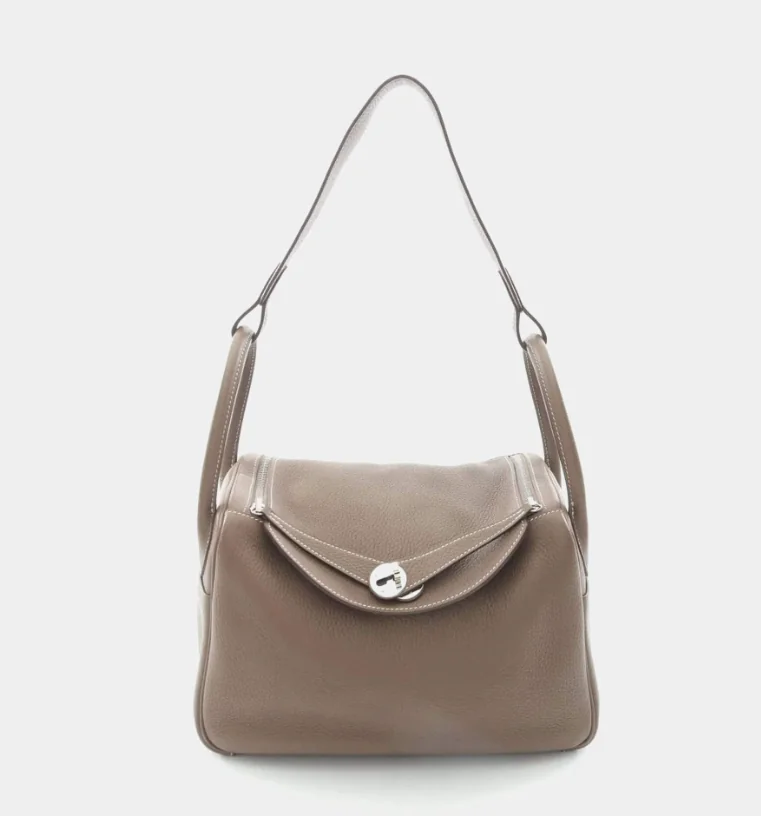
Togo and Clemence are the most forgiving leathers in the lineup. Their pebbled grain hides minor scuffs well and both are naturally water-resistant to light moisture, which is part of why they’re so popular for everyday bags. That said, they slouch, and slouch unevenly if you don’t stuff them consistently. Store them upright with soft, acid-free filling and rotate the stuffing position occasionally so the leather doesn’t develop a permanent lean to one side.
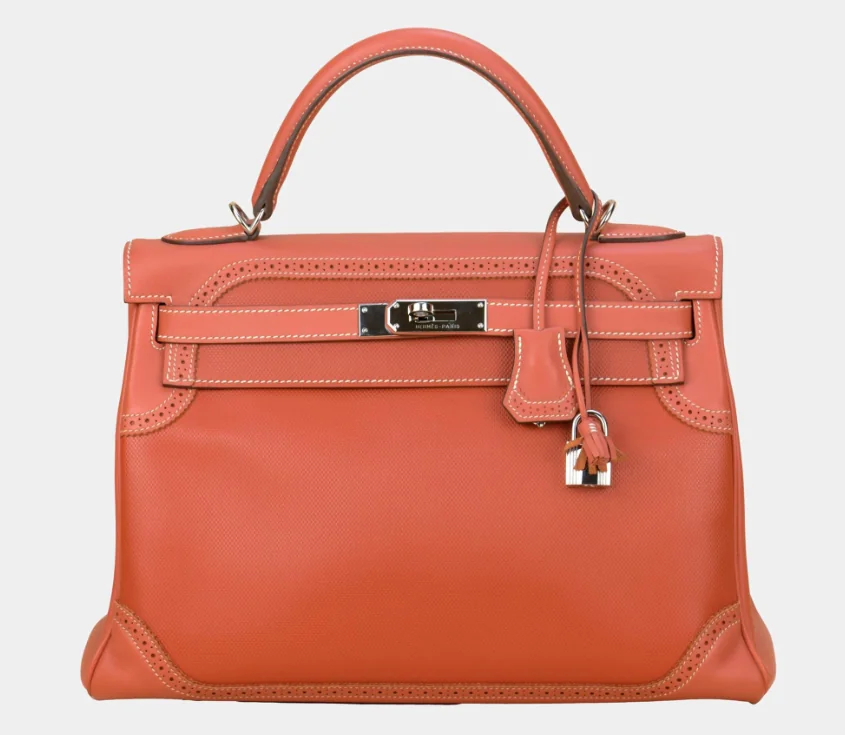
Swift and Box calf are the glamorous, high-maintenance end of the classic leather range. Swift is thin and glossy with a beautiful drape, but it marks easily and shows color transfer from dark denim faster than almost any other leather Hermès uses. Box calf has that old-world, glazed finish that’s stunning but genuinely fragile, prone to cracking if it dries out or scuffing if it’s pressed against something rigid. Never stack anything on top of these bags, and keep them away from car seats in summer, where heat and dye transfer are both a risk.
Epsom is embossed rather than naturally grained, which makes it more scratch-resistant and structured, ideal if you want a bag that holds its shape without daily babying. Its weakness is dryness. It’s a coated leather, and in very arid climates or centrally heated rooms it can develop a slightly stiff, papery feel over time. A light conditioning every year or two, done by a professional rather than a drugstore product, keeps it supple.
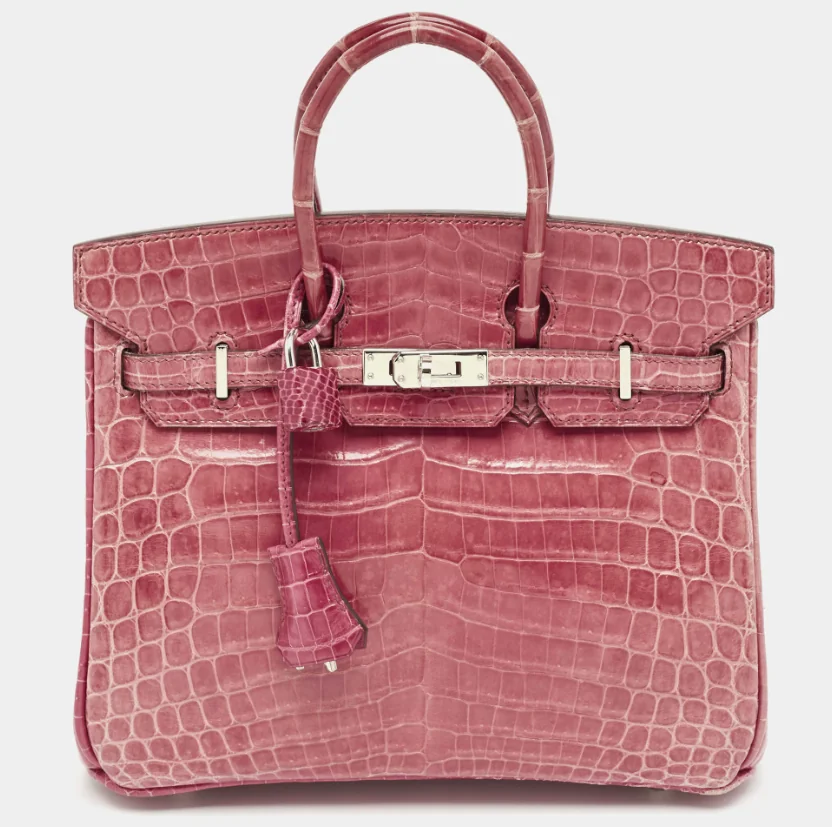
Exotic skins (crocodile, alligator, lizard) are where I tell people to slow down and take this seriously, because mistakes here are expensive and often irreversible. Crocodile and alligator need consistent humidity, ideally 40 to 50 percent, and they do not tolerate temperature swings well. Scales can lift or dry out if the skin is stored somewhere too arid, and over-humid conditions invite mold, which is far more common on exotics than owners expect. Lizard is thinner and more delicate still, prone to flaking at the edges if handled roughly. If you own an exotic Hermès bag, a hygrometer isn’t optional, it’s basic ownership.
Toile canvas, used on bags like the Herbag and some Garden Party styles, is the most low-maintenance material here but not stain-proof. Canvas absorbs liquids and oils quickly, so a spilled coffee or makeup transfer sets in fast. Treat spills immediately with a dry cloth, never rub, and avoid fabric protectant sprays unless you know they’re safe for the canvas blend, since some can discolor the trim leather.
Seasonal Care Calendar #
Hermès bags, exotics especially, do best in a stable environment, and the seasons work against that stability in different ways.
In spring and summer, humidity is the main enemy for exotics and the main friend for classic leathers, which can dry out less in these months. Keep bags out of direct sunlight even for short periods, since UV exposure fades dyed leather noticeably faster than people expect, sometimes within a single season of regular use. Let bags air out in a shaded, ventilated spot rather than sealing them straight back into a dust bag after a humid day out.
In fall and winter, the risk flips. Indoor heating dries the air dramatically, and leather stored near radiators or fireplaces can crack within months. This is when I recommend re-stuffing bags with soft filling to help them hold shape through the drier stretch, and for older bags, this is the season to consider a professional conditioning treatment rather than store-bought leather balm, which can sit unevenly on Hermès finishes.
Rain deserves its own note. Hermès used to include a fitted clear plastic raincoat with many bags, including the Birkin, Kelly, and Bolide, but phased these out starting in 2024 as part of a broader move away from single-use plastic packaging. If you bought your bag before then, check the accessory pouch, it may still be tucked inside and unused. If you don’t have one, a well-made third-party rain cover is worth the investment; a soaked Togo bag can develop water spotting that’s genuinely difficult to correct even with professional cleaning.
Daily Handling and Preventive Habits #
Most damage doesn’t happen in dramatic moments, it happens in small daily habits that compound over months.
Set the bag down gently rather than dropping it, and be mindful of where it lands. Rough flooring, wet café tables, and car floors are all common sources of base wear and staining that owners don’t notice until it’s already set in. Avoid hanging the bag on chair backs or door hooks by the handle for extended periods, since this stretches the handle leather and stresses the stitching at the attachment points.
Be deliberate about what touches the bag. Dark denim, new leather jackets, and printed fabrics can transfer dye onto lighter leathers, and it’s often not removable. If you’re wearing dark colors, a slightly more cautious carry position (against the body rather than swinging) reduces friction transfer.
Hardware needs attention too. Palladium and gold-plated hardware can dull from skin oils, perfume, and hairspray. Wipe hardware gently with a soft, dry cloth after wear rather than letting residue build up, and avoid spraying perfume or hairspray anywhere near the bag, full stop. This is one of the most overlooked causes of hardware discoloration I see in resale evaluations.
Inside the bag, use a lining or organizer if you carry pens, keys, or anything with sharp edges. Interior scuffing and ink marks are common and quietly tank [[[[resale value](/brands/saint-laurent-opyum-pumps-style-fit-resale-value/)](/buying-guides/luxury-resale-condition-grades-explained/)](/brands/celine-luggage-tote-guide-sizes-history-resale-value/)](/buying-guides/sneaker-trends-2025-styles-worth-the-hype/) because buyers check the interior almost as carefully as the exterior.
Proper Storage Between Uses #
Storage between uses matters more than people assume, because bags spend far more time sitting than they do being carried.
Always store the bag stuffed with its original tissue or a soft, acid-free filling, enough to hold shape without over-stretching the leather or seams. Overstuffing is a real risk, especially with structured leathers like Epsom, where excessive filling can distort the silhouette over time.
Use the dust bag every time, even for short storage periods, to protect against dust and light exposure. If the bag came with its original box, storing it upright inside the box on a closet shelf is ideal, away from direct light and heating vents. Avoid stacking bags on top of each other, even briefly, since the weight can crease or dent softer leathers.
Orientation matters too. Store bags upright rather than lying flat when possible, particularly structured styles like the Kelly and Constance, to prevent the base from developing a permanent flattened lean. For exotic skins, keep silica gel packets nearby but never in direct contact with the skin, and check on stored exotics every few months rather than leaving them untouched for a year, since problems like mold or dryness are much easier to catch early.
When to Call in the Professionals #
There’s a point where home care stops being enough, and pushing past it usually causes more damage than it prevents.
Hermès offers an official Spa service through its boutiques, which handles cleaning, minor repairs, hardware refinishing, and restoration for bags that qualify. It’s the safest option for valuable or exotic pieces because the artisans are trained specifically on Hermès materials and construction, though turnaround time can run several weeks to months, and pricing isn’t published upfront, so ask before committing.
For owners outside easy boutique access, or for repairs Hermès won’t take on (heavily worn vintage pieces, for instance), reputable third-party leather restoration specialists with specific luxury handbag experience are a legitimate option. Vet them carefully. Ask for examples of past Hermès restorations specifically, not general leather work, since techniques that are fine on generic leather can permanently alter Hermès finishes.
Signs it’s time to call someone rather than treat it yourself: color transfer that doesn’t lift with a gentle dry wipe, any cracking or flaking on exotic skins, hardware that’s tarnished beyond a soft-cloth polish, or handle stitching that’s loosening. Attempting DIY fixes on any of these, especially with generic leather conditioners or cleaning wipes, is one of the most common ways I’ve seen owners accidentally devalue a bag that was otherwise in excellent shape.
Care Tips That Protect Resale and Investment Value #
Everything above ties back to one thing: condition is the single biggest lever on what a Hermès bag is worth when you decide to sell or trade it. Corners, base, handles, and hardware get inspected first and hardest, so prioritizing care in those areas pays off disproportionately.
Keep receipts, boxes, dust bags, and any original accessories like the raincoat or clochette, since full sets consistently command better resale offers than bags alone. If you’re not using the bag for a stretch, don’t just shelve it and forget it; a quick check every few months catches small issues (a slightly dry patch, a loose thread) before they become expensive ones.
Quick-reference habits worth building:
- Match your care routine to the specific leather or skin, not a one-size-fits-all approach
- Keep a hygrometer near any exotic-skin bags and aim for 40 to 50 percent humidity
- Wipe hardware after every wear and keep perfume and hairspray away from the bag entirely
- Store upright, stuffed appropriately, in the dust bag and box, away from heat and light
- Address any color transfer, dryness, or hardware tarnish immediately rather than waiting
- Use Hermès Spa or a vetted specialist for anything beyond light surface cleaning
- Keep the full set (box, dust bag, accessories, receipt) together for resale
None of this is glamorous work, and honestly, exotic skins in particular ask for more attention than most people expect going in. But the payoff, both in how the bag looks after years of use and what it’s worth if you decide to part with it, makes the routine worth keeping up.
Frequently Asked Questions #
How often should I condition my Hermès leather bag? Most classic leathers like Togo, Clemence, and Epsom don’t need conditioning more than once every one to two years under normal use, and it should be done by a professional familiar with Hermès finishes. Over-conditioning is a real risk and can leave leather looking greasy or unevenly toned.
Can I clean my Hermès bag myself? Light surface dust and dry marks can be wiped with a soft, dry microfiber cloth. Anything beyond that, stains, dye transfer, hardware tarnish, should go to Hermès Spa or a trusted leather specialist rather than a home remedy or generic leather cleaner.
What’s the biggest mistake owners make with Birkin bag maintenance? Inconsistent storage. A Birkin that’s sometimes stuffed and stored properly and sometimes tossed on a shelf unstuffed for months will develop uneven slouching and shape distortion faster than one kept to a consistent routine.
Does humidity really matter that much for Hermès bag storage? Yes, especially for exotic skins. Crocodile and alligator are living materials in the sense that they respond to ambient moisture, and both too dry and too humid environments cause real, sometimes irreversible damage. Classic calfskins are more forgiving but still benefit from stable conditions.
Does regular use damage a Hermès bag, or is it better to keep it stored? Use itself isn’t the problem, neglectful use is. Bags that are carried regularly with mindful handling often age better than bags left untouched in storage for years, since leather can dry out or develop static creasing from prolonged stillness. The goal is attentive use, not avoidance.
Related Articles #
- Hermès Leathers Guide: Togo, Epsom, Exotic Skins Explained
- How to Care for Your Hermès Handbag: Expert Tips
- Exotic Skin Handbags: What You’re Really Paying For


Keyword index