Introduction #
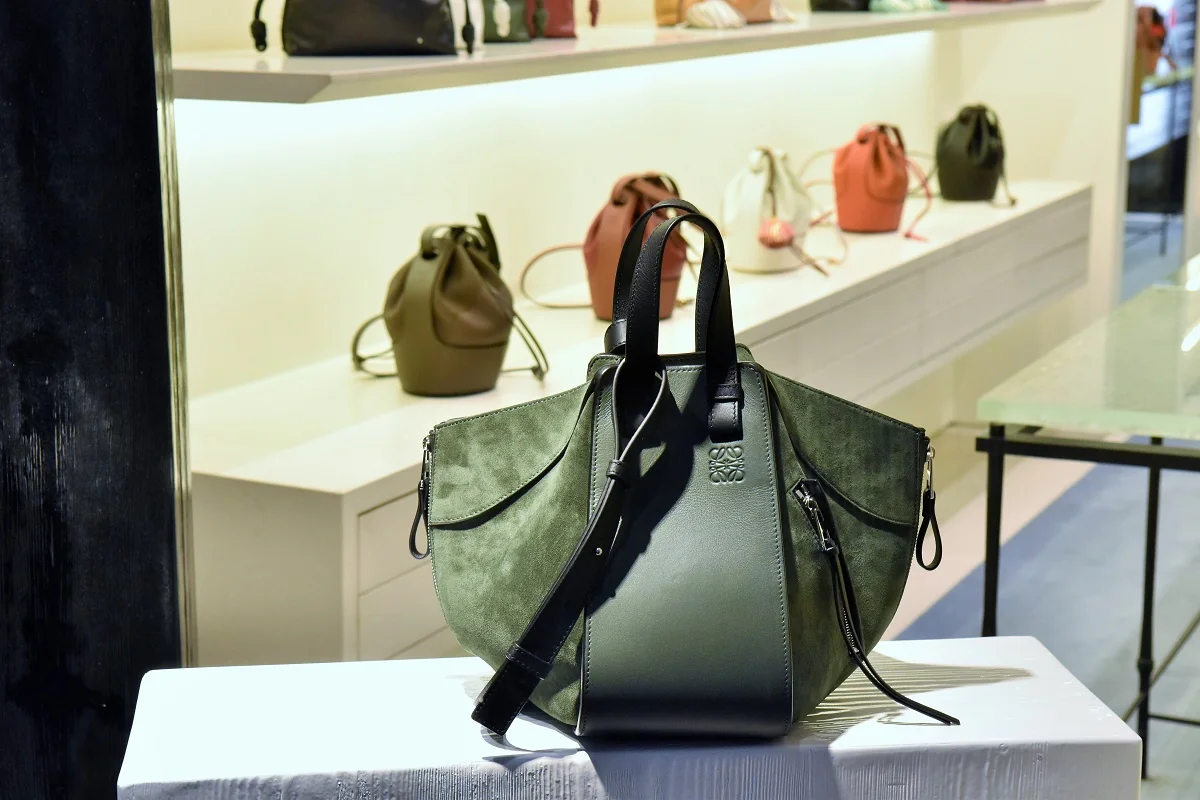
Loewe has spent nearly two centuries proving that leather goods don’t need to shout to be noticed. The Spanish house, now under LVMH and steered creatively by Jonathan Anderson since 2013, built its reputation on tanning and construction techniques that put it in the same conversation as Hermès when it comes to raw material quality. Its handbag lineup reads like a study in restrained confidence: the Puzzle, the Amazona, the Flamenco, the Basket. Each one solves a different problem for a different kind of woman.
This week, we’re putting the Hammock bag under the microscope. It’s arguably the design that best captures what Anderson did to Loewe when he arrived: he took a house known for quiet craftsmanship and gave it a conceptual edge without sacrificing the leatherworking pedigree that made Loewe worth caring about in the first place. If you’re deciding whether to spend four figures on one, here’s what you actually need to know before you do.
Design Analysis #
The Hammock debuted in Loewe’s Spring/Summer 2016 ready-to-wear collection, one of Anderson’s earlier statements as creative director, and it’s held its place in the permanent collection ever since, which in fashion terms counts as a genuine classic rather than a passing trend piece.
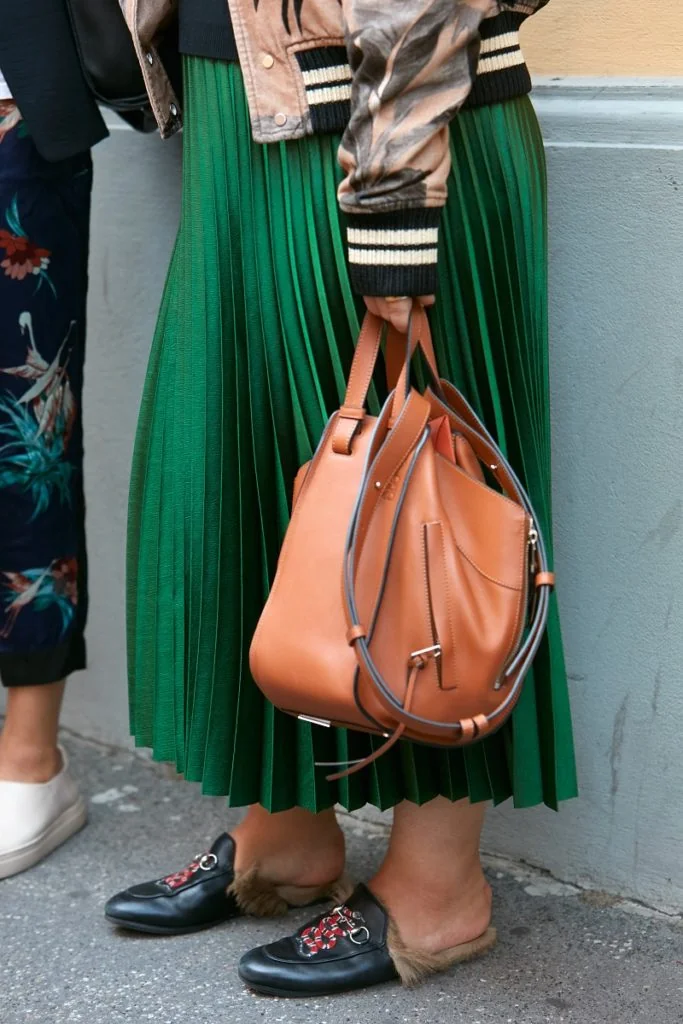
The concept is deceptively simple: a bag that references the sag and give of a hammock strung between two trees. In practice, that translates into a four-panel silhouette where two sides are structured and two are left soft, so the bag’s shape shifts depending on how much you put in it and how you carry it. Side zips let you expand or compress the volume, which means the same bag can look sharp and boxy half-empty or slouchy and relaxed when it’s full. That’s a real functional feature, not just a design flourish. I’ve found the shape changes noticeably between a half-full and stuffed-to-capacity day, and both versions still look intentional.
Structurally, it’s more interesting than most bags at this price point. Most luxury totes and shoulder bags are built to hold one shape. The Hammock is built to move, which is the whole point of Anderson’s approach here: he treated a handbag like a piece of soft sculpture rather than a fixed object.
Two flat top handles and a separate, adjustable strap that loops through them give you the option to carry it by hand, on the shoulder, or crossbody depending on the size. The exterior features a zip pocket, and the interior holds slip pockets for smaller items. The embossed Anagram logo sits front and center, understated compared to houses that plaster monograms everywhere, but still unmistakably Loewe once you know what you’re looking at.
Craftsmanship and Materials #
This is where Loewe earns its price tag, and where the Hammock separates itself from bags that are chasing the same silhouette without the same rigor. The core leathers used are calfskin, pebbled leather, and embossed nubuck, all worked in Spain, where Loewe still runs its own tanneries and controls the leather process from hide to finished bag. That vertical control matters. It’s the reason Loewe leather tends to age better and resist scuffing more than comparably priced competitors.
Hand-finished edges are a giveaway of quality on any leather good, and the Hammock’s edges are hand-painted and burnished rather than raw-cut, which keeps them from fraying or peeling with wear, something I’ve seen fail on far more expensive bags from less disciplined workshops. The hardware is polished and substantial without feeling heavy, and the stitching on the structured panels is dense and even, which is what actually holds the folded-and-expanded construction together over years of use rather than months.
On the functional side, the two flat handles are stiff enough to keep their shape even when the bag is fully loaded, and the looping strap mechanism is genuinely clever. It’s just a length of leather threaded through both handles, but it lets you convert the bag from handheld to shoulder to crossbody without any extra hardware or buckles. The interior layout is minimal by design: a couple of slip pockets and enough room to move things around, rather than the rigid compartments you’d get in a more structured tote. That’s a deliberate trade-off, and whether it works for you depends on how you like to organize your bag.
Sizes, Colors and Price Range #
Loewe offers the Hammock in three primary sizes, and the size you choose changes the bag’s personality more than the color does.
Mini Hammock is the smallest version, closed with drawstring fasteners and fitted with the longest strap of the three, making it the most natural crossbody option. It fits a phone, cardholder, and the basics, and it’s the version I’d recommend if you want the design language without committing to a daily workhorse. Expect retail pricing in the range of roughly $2,200 to $2,600 depending on leather and season.
Small Hammock is the true everyday size and the one most people mean when they say “the Hammock bag.” It transitions from desk to dinner without looking like it’s trying too hard, and it’s the version with the best balance of capacity and shape retention. Retail generally lands between $2,600 and $3,000 for calfskin, with exotic or specialty materials pushing higher.
Medium Hammock Tote trades the hobo-adjacent silhouette of the smaller sizes for a roomier, more structured tote profile, better suited to work days when you’re carrying a tablet, a folder, and the usual essentials. Pricing typically runs from $3,000 to $3,500, though limited editions and special leathers can exceed that.
These figures move with currency shifts, leather choice, and Loewe’s periodic price increases, so treat them as a planning range rather than a fixed number, and check current Loewe boutique pricing before you buy.
On color, the Hammock has always been a canvas for Loewe’s willingness to experiment. Beyond the expected neutrals (black, tan, grey, white), the house regularly releases the bag in saturated yellows, blues, and oranges, plus jacquard canvas, suede, and woven fabric combinations that swap out the leather entirely for a more textural look. If resale value matters to you, this is worth flagging now and revisiting below: neutral leather versions hold up better on the secondary market than the seasonal color and fabric editions.
Styling the Hammock Bag #
The Hammock’s asymmetry is what makes it work across a surprising range of outfits, but it also means it doesn’t disappear into the background the way a simple tote does. It’s a bag that reads as a considered choice, so I’d lean into that rather than fight it.
For office or daytime wear, the Small or Medium in a neutral calfskin pairs well with tailoring: a blazer, straight-leg trousers, a simple watch. The bag’s structured panels give it enough polish to sit next to sharp clothing without competing with it. For weekend or off-duty dressing, the softer, slouchier read of the bag suits denim, knitwear, and flat boots, letting the hammock silhouette do the visual work instead of your outfit.
Evenings are where the Mini earns its keep. Worn crossbody over a slip dress or tailored separates, it adds shape and a bit of architectural interest without the bulk of a full-size bag. I’d avoid over-matching it to an outfit’s color story. Part of what makes Anderson’s design interesting is the contrast between a structured object and the person carrying it, and a bag in a bold, unexpected color often reads better against simple, monochrome clothing than a color-matched outfit does.
Investment Value and Resale Outlook #
This is the part where I’ll be direct: the Hammock is a genuinely well-made bag, but it isn’t in the same resale tier as Loewe’s more iconic pieces, and it’s certainly not competing with the resale performance of Chanel Classic Flaps or Hermès Birkins.
On the resale platforms and consignment sites I track regularly, Hammock bags in classic neutral leathers (black, tan, grey) in the Small size tend to retain somewhere around 45% to 60% of original retail, depending on condition and color. That’s respectable for a non-monogram, non-waitlisted bag, but it’s a step below what you’d see from Loewe’s Puzzle in similar condition, and well below hard-to-get [[[exotic leather](/brands/versace-jeans-handbags-guide/)](/buying-guides/hermes-leather-types-complete-buying-guide/)](/buying-guides/exotic-skins-luxury-handbags-guide/) pieces from other houses.
Seasonal colorways and fabric combinations depreciate faster. Bright yellows, oranges, and printed versions were fun when they launched, but they date visibly once the season passes, and buyers on the secondary market are noticeably more cautious about paying up for them. If resale value is part of your decision-making, buy the bag in a neutral leather, in the Small size, and skip the limited-edition prints regardless of how tempting they look in store.
The Hammock also isn’t a bag that’s been discontinued or made artificially scarce, which keeps prices sane but also keeps it from becoming the kind of grail piece that appreciates over time. It’s a strong buy for someone who wants to wear and enjoy the bag, not for someone chasing appreciation.
Pros, Cons and Final Verdict #
Pros:
- Genuinely versatile shape that shifts between structured and relaxed depending on how it’s packed and worn
- Excellent leather quality and hand-finished detailing consistent with Loewe’s tanning heritage
- Three carry options (hand, shoulder, crossbody) built into one strap system
- A design with real creative-director pedigree that’s stayed in the permanent collection since 2016, not a fast-fashion flash
- Interior is simple and functional rather than over-engineered
Cons:
- Interior organization is minimal; if you like structured compartments, you’ll want to add pouches
- Seasonal colors and fabric versions age visually faster and resell for noticeably less than core leathers
- Resale value trails Loewe’s Puzzle and is well below Chanel or Hermès benchmarks
- Price has crept up steadily over the past few years, which is worth factoring in if you’re buying for long-term value rather than pure enjoyment
My honest take: the Hammock is one of the more thoughtfully designed bags in Loewe’s current lineup, and it’s a fair representation of what makes Anderson’s work at the house worth paying attention to. If you’re buying it to wear for years and appreciate the construction, buy it in the Small size, in black, tan, or grey calfskin, and you’ll get a bag that ages well and still looks considered a decade from now. If you’re buying primarily with resale or investment in mind, this isn’t the strongest pick in Loewe’s own catalog, let alone against the true blue-chip handbags on the market. Buy it because you like carrying it, not because you expect it to pay you back.
Related Articles #
- Best It Bags to Buy This Year: A Definitive Guide
- Top ‘It’ Bags Worth Buying in 2024: Investment Guide
- Chanel Flap Bag Buying Guide: Sizes, Prices & Deals
- How to Style a Grey Outfit This Season | Guide


Keyword index