Introduction: A Rare Look Inside a Luxury Buyer’s Closet #
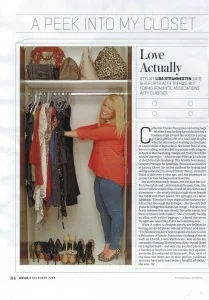
Back on 8 November, Khaleej Times Weekend ran a profile that’s stayed in our bookmarks longer than most fashion press does: a walkthrough of the personal closet belonging to Catherine Travers, a Dubai-based handbag and shoe buyer whose job is to source designer pieces for a living. Profiles like this rarely get written, because buyers are usually the ones telling other people what to buy, not opening their own wardrobe doors.
That’s exactly why it’s worth revisiting. Most advice on designer handbags at a discount comes from resellers with something to sell you, or from generic “top 10 tips” listicles that never mention what actually goes wrong at the point of purchase. Travers’ account is different because it comes from someone who has handled thousands of bags, negotiated prices on the floor, and lived with the consequences of a bad call. We’re pulling the useful, transferable parts of that story apart here, and pairing them with the kind of authentication and care detail our readers actually need before they hand over money for a pre-loved Kelly, a Chanel flap, or a pair of Louboutins.
Meet the Insider: Catherine Travers’ Path to the World of Designer Handbags #
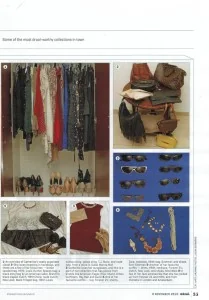
Travers didn’t start out chasing handbags. Her path into luxury retail followed a fairly conventional route through fashion and business education before she moved to the Gulf, where Dubai’s mix of duty-free retail, resale demand, and a genuinely international clientele made it fertile ground for someone with an eye for accessories. She landed a buying role focused specifically on handbags and shoes, a niche that sits apart from ready-to-wear because it lives and dies on hardware, stitching, and leather quality rather than seasonal trends.
That specificity matters. A buyer who covers an entire collection has to think broadly. A buyer who only handles bags and shoes develops a much sharper, narrower expertise: how a Birkin’s saddle stitching should sit, why a heel’s finish tells you about a shoe’s age, what a genuine box calfskin feels like against a bonded leather imitation. It’s the kind of pattern recognition that only comes from repetition, and it’s the same skill set we lean on when we walk readers through our own authentication guides.
How Insiders Source Designer Handbags and Shoes for Less #
The most practical part of the original feature was Travers’ explanation of how she finds quality pieces without paying full retail. Her approach boiled down to a few repeatable habits rather than one secret hack:
- Building relationships with consignment networks and private sellers, not just walking into boutiques
- Buying end-of-season or discontinued colourways, where the leather and construction are identical but the price drops because the shade fell out of favour
- Treating condition grading as a negotiation tool, since a bag with light corner wear or a scuffed hardware plate can often be talked down significantly from a “pristine” listing
- Timing purchases around resale market dips, which happen more often than people assume, especially outside of gifting seasons
None of this is exotic. It’s the same discipline any experienced pre-owned buyer applies, and it’s exactly the mindset we push in our own buying guide for pre-owned luxury handbags: the discount usually isn’t hidden, it’s earned through patience and a willingness to buy something slightly imperfect on the surface.
The Classic Pieces Worth Building a Collection Around #
Ask any long-term buyer which pieces hold their value and you’ll get a short, unsurprising list, and Travers’ picks lined up with what resale data has consistently shown. The Hermès Kelly sits at the top for a reason: limited production, consistent craftsmanship, and a design that hasn’t meaningfully changed since the 1930s. A well-kept Kelly in a neutral colourway like étoupe or gold can retain 80-100% of its retail price on the resale market, and rare leathers or hardware finishes push well past that.
Below the Kelly, the pieces worth prioritising share three traits: a recognisable silhouette, hardware that’s expensive to fake convincingly, and a brand with tight production controls. That’s why the [[[Chanel Classic Flap](/buying-guides/vintage-chanel-finds-top-picks/)](/buying-guides/chanel-flap-bag-buying-guide/)](/buying-guides/classic-and-chic-handbags-style-icons/), the Louis Vuitton Speedy in monogram canvas, and structured Louboutin pumps show up again and again in buyers’ personal collections rather than trend-driven pieces. For a closer breakdown of how these compare on long-term value, our classic handbags price and resale value guide tracks this across brands.
What to Check Before Buying Pre-Loved or Discounted Designer Pieces #
This is where an insider’s instincts become a checklist anyone can use. Before Travers or any experienced buyer commits to a discounted piece, a few things get inspected in a specific order:
- Hardware weight and finish. Genuine Hermès and Chanel hardware has real heft and a finish that doesn’t flake or discolour with light wear. Fakes often use lighter alloys that feel hollow.
- Stitching consistency. Authentic saddle stitching is slightly irregular by hand, while machine-stitched counterfeits look suspiciously uniform.
- Leather smell and grain. Genuine calfskin or box leather has a distinct smell and a grain pattern that doesn’t repeat; bonded or PU leather often has a chemical scent and a printed, repetitive texture.
- Serial numbers and date stamps. These should match the brand’s known format for that production era, not just be present.
- Interior lining and craftsmanship at the seams. Cheap fakes cut corners exactly where buyers don’t usually look.
We go deeper into brand-specific markers in our Hermès authentication guide and our Chanel hardware and stitching checklist, which cover the details a quick visual scan won’t catch.
Buying Advice: Smart Ways to Shop for Designer Handbags Today #
Translating an insider’s habits into something a regular buyer can use comes down to sequencing. Start with the brand and style you actually want to own for years, not the one currently trending. Set a price ceiling based on real resale comparables, not the original retail price, since retail is often a poor anchor for what a piece should cost second-hand. Buy from platforms or sellers who provide authentication documentation and return windows, and treat the absence of either as a red flag regardless of how good the price looks.
It’s also worth resisting the urge to buy the first “deal” you see. Travers’ own sourcing relied on patience across months, not impulse decisions. If you’re comparing multiple listings, our step-by-step guide to buying pre-owned luxury safely walks through vetting sellers, reading listing photos critically, and knowing when a discount is a genuine find versus a warning sign.
How to Spot Authentic vs. Fake: Lessons From Catherine’s Shopping Mistakes #
The most useful admission in the original feature wasn’t a success story, it was an acknowledgment that even a professional buyer has been fooled or nearly fooled before. That’s the honest part most guides skip. Experienced buyers get caught out in specific, recurring ways:
- Trusting a seller’s reputation over the item itself. A trusted consignment source can still unknowingly list a well-made fake.
- Underestimating “superfake” quality. The top tier of counterfeits now replicates stitching and hardware closely enough that photos alone aren’t reliable proof.
- Skipping the smell and weight test in person. Online listings hide texture and heft, which are often the fastest tells in real life.
- Assuming a low price rules out authenticity issues. Counterfeiters price aggressively precisely to bypass scepticism.
The fix isn’t paranoia, it’s consistency: apply the same checklist every time, regardless of how credible the seller seems or how good the price is. That discipline is what separates a buyer who’s been doing this for years from someone who got lucky once.
FAQ: Buying and Authenticating Designer Handbags at a Discount #
Is it actually possible to find designer handbags at a discount without buying a fake? Yes, but it usually means buying pre-owned, off-season colourways, or slightly worn condition grades rather than expecting new-in-box pricing below retail.
What’s the single fastest authenticity check for a first-time buyer? Hardware weight and finish. It’s hard for counterfeiters to replicate cheaply, and it’s the first thing an experienced eye checks.
Do Hermès Kelly bags really hold their value that well? In neutral colourways and common leathers, yes, often near or at original retail on resale. Rare leathers and hardware finishes can exceed retail.
Should I buy pre-owned luxury from marketplaces or dedicated resale platforms? Dedicated resale platforms with in-house authentication and return policies carry less risk than open marketplaces, especially for high-value pieces.
How often should leather goods be cleaned or conditioned to protect resale value? Light conditioning every few months and professional cleaning once a year is a reasonable baseline for bags in regular rotation; over-conditioning can actually soften structure and lower value.
Related Articles #
- Handbag Trends 2024: The Bags You’ll Actually Wear
- Why the Chanel Crossbody Bag Never Goes Out of Style
- Designer Handbag Trends 2025: What’s Actually Worth Buying
- Buying Pre-Loved Designer Purses: Smart Buyer’s Guide
- Inside a Million-Dollar Closet: Pre-Loved Hermès & More
Related guides
- Online Bag Authentication: What Photos Can and Cannot Prove
- Inside a Million-Dollar Closet: Pre-Loved Hermès & More
- Meet Marwa Azzam Aldabbagh: Kelly Bag Authentication Expert
- Luxury Handbag Authentication Process Explained
- How to Buy an Authentic Luxury Bag from China Safely
- New vs Pre-Owned Luxury Bags: Which Route Is Right for You?
- Chanel Bag Guide: What to Know Before You Buy
- Luxury Bag Houses


Keyword index