Introduction #

Goyard doesn’t sell online. It doesn’t run seasonal campaigns, doesn’t collaborate with celebrities for hype drops, and doesn’t operate more than a handful of boutiques worldwide. In an industry built on visibility, that restraint is exactly what makes the house so compelling to collectors and so resistant to the market swings that hit more accessible luxury brands.
Founded in 1853, Goyard has stayed a family-run maison for most of its history, and it treats retail almost like a private club. You walk into one of its boutiques, you speak to a sales associate, and you buy what’s on the shelf that day. There’s no waitlist algorithm, no influencer seeding, no outlet stores quietly clearing inventory. That scarcity is deliberate, and it’s the single biggest reason Goyard bags have developed a reputation as genuine investment pieces rather than just expensive accessories.
I’ve bought, sold, and handled a fair number of Goyard pieces over the years, and what strikes me every time is how little the brand seems to care about being liked by everyone. That’s unusual in luxury, where most houses are chasing broader recognition. Goyard’s indifference to mass appeal is precisely what keeps demand concentrated and resale values stable. This guide walks through why the Goyardine canvas itself matters, which bags are actually worth the money if you’re buying with resale in mind, and what to check before you commit real capital to a Goyard piece.
The Iconic Goyardine Canvas: Craftsmanship Behind the Value #
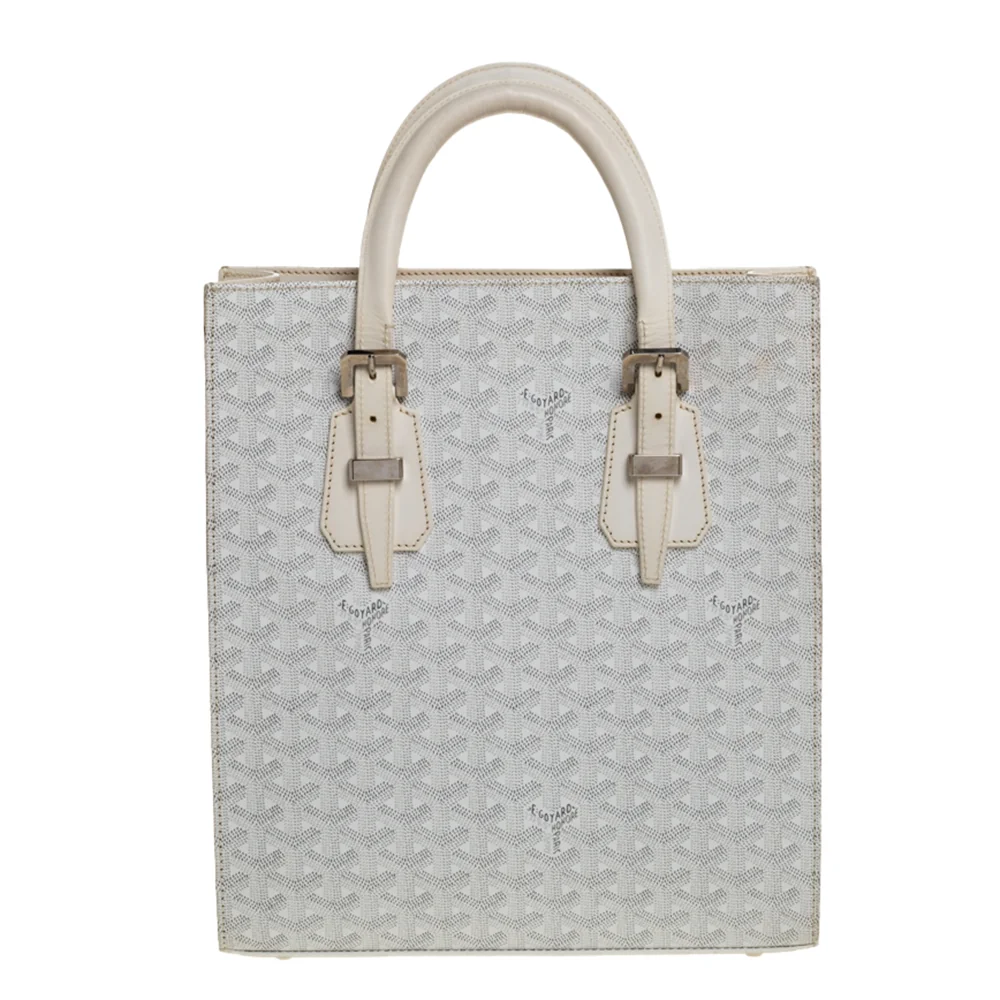
Edmond Goyard developed the Goyardine canvas in 1892, drawing on his family’s history as log drivers on the rivers near Clamecy. The chevron motif you see on every bag is a nod to that heritage rather than a decorative afterthought, which is part of why it has aged so well. Unlike logo-heavy patterns that feel dated after a decade, the chevron reads as understated even to people who don’t recognize the brand.
The canvas itself is a blend of linen, cotton, and hemp, coated rather than printed. That distinction matters more than most buyers realize. Genuine Goyardine is built up in layers: a ground color is applied first, followed by three separate passes of etching color that create the raised, slightly textured chevron pattern. It’s a hand-finished process, which is why you’ll notice minor irregularities in the pattern alignment on real pieces. This isn’t a flaw, it’s a fingerprint of the manufacturing method, and it’s one of the things counterfeiters consistently fail to replicate convincingly.
For decades the canvas only came in black. Jean-Michel Signoles expanded the palette in 1998, introducing everything from deep, moody tones to brighter shades. The 2008 limited-edition pink Goyardine remains one of the most sought-after colorways among collectors precisely because it was never a permanent offering, and Goyard has never fully repeated it since.
Practically speaking, the coating makes the canvas water-resistant and genuinely durable in a way that many “coated canvas” competitors aren’t. I’ve seen decade-old Goyard totes with heavy daily use where the canvas still looks structurally sound, even if it’s developed a patina. That durability is a real factor in long-term value. A bag that survives regular use without falling apart is a bag people are still willing to pay for secondhand.
Five Investment-Worthy Goyard Bags to Own #
Not every Goyard bag holds value equally. Some styles are produced more consistently and in higher volumes, which softens their resale appeal. The five below are the ones I’d point a serious buyer toward, based on design longevity, material rarity, and how they’ve actually performed on the pre-owned market.
1. Goyard Comores PM Tote
The Comores strikes a balance between structure and everyday usability that’s harder to find than it sounds. The side gussets keep the tote from collapsing in on itself, a common complaint with soft totes generally, and the dual leather handles adjust via buckles rather than fixed drops. Inside, the mustard-yellow lining is distinctive enough that it’s become something of a signature detail among Goyard totes. It’s a genuinely useful bag, not just a display piece, which is part of why it holds demand. The tradeoff is that as an open tote, it offers minimal security, so it’s not the pick if you’re carrying valuables in a crowded environment.
2. Goyard Belvedere MM
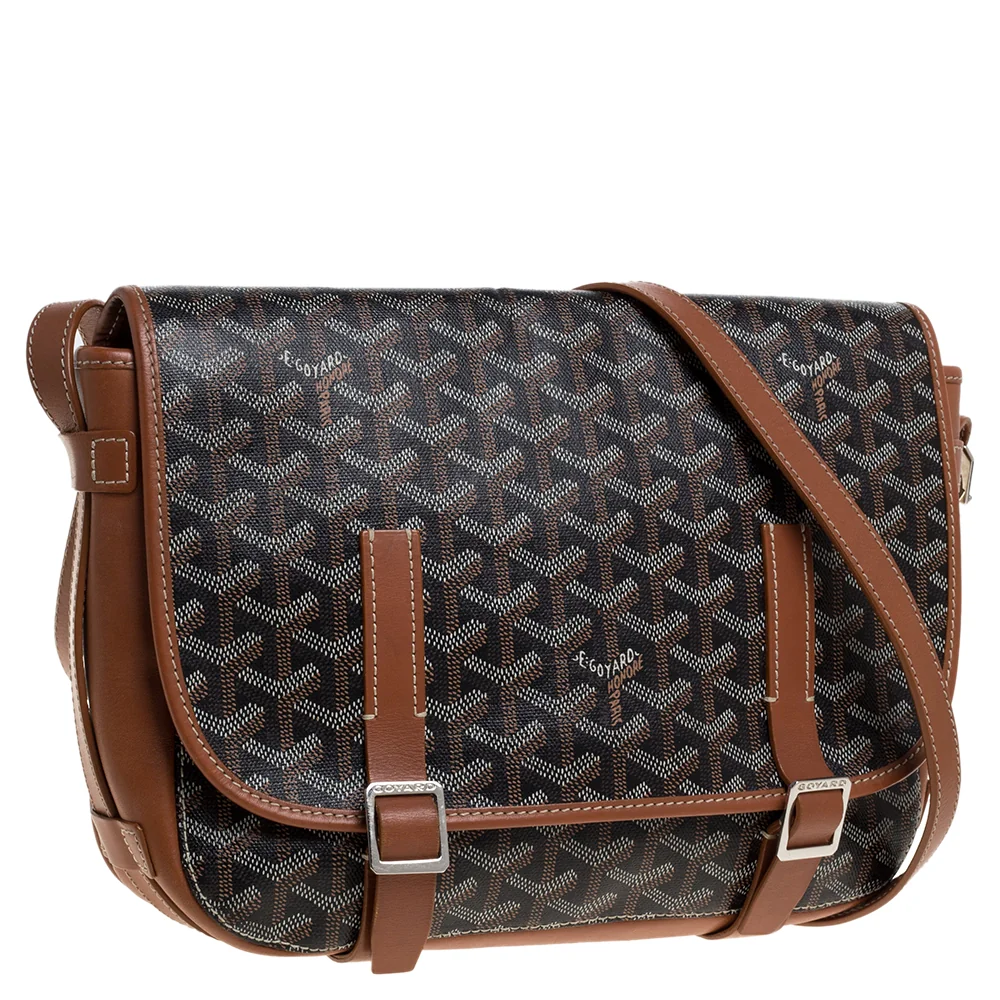
The Belvedere is named after the hills surrounding Clamecy, tying it directly to the brand’s origin story, and it’s one of the few Goyard bags designed to be genuinely gender-neutral. The saddle-bag silhouette in Goyardine canvas and brown leather, secured by twin engraved buckles, gives it a slightly rugged character that differentiates it from the brand’s more overtly feminine totes. Inside you get a canvas-lined main compartment plus three slip pockets and a zipped pocket, and the strap adjusts enough to move between shoulder and crossbody wear. It’s a smart buy for buyers who want something distinctive rather than an obvious “It bag.” The flip side is that the saddle shape has a smaller capacity than it looks, so don’t expect it to function as a daily workhorse.
3. Goyard Saigon PM in Tri-Color Crocodile
This is Goyard operating at the top of its material range, and it shows. Crocodile is one of the exotic skins Goyard sources and finishes carefully, and the Saigon’s structure, pyramid side gussets, carved wood top handle, wooden trims studded with metal, exists almost as a sculptural reference to the family’s log-driving history. The leather-lined interior, detachable strap, and protective metal feet are functional touches, but let’s be honest: this is a collector’s piece first and an everyday bag second. Exotic-skin Goyard pieces are produced in very limited numbers and rarely appear on the pre-owned market in excellent condition, which is exactly why this one commands a premium when it does surface. If you’re buying for pure investment upside rather than daily use, this is the strongest candidate on this list.
4. Goyard 223 PM in Red Goyardine
The 223 PM is a good example of how Goyard uses color strategically rather than constantly. Red isn’t a permanent fixture in the lineup, and pieces in strong, saturated Goyardine colorways tend to attract collectors who already own the classic black or tan and want something bolder to round out a collection. The bag is built on the same chevron canvas with leather trims stitched in tight, even lines, finished with the brand’s gold-tone hardware. It’s a smaller, more casual silhouette than the Comores or Saigon, which makes it approachable for buyers newer to the brand, but it’s precisely because of its color rarity that it tends to resell above what a comparable black piece would.
5. Goyard Saint Louis Tote
No list of investment-worthy Goyard pieces is complete without the Saint Louis, and honestly, it’s the bag I’d point most first-time buyers toward. It’s Goyard’s most recognizable silhouette, available in a range of sizes, and it’s the piece most likely to be immediately identifiable by other collectors, which matters for resale. The construction is simple: a canvas tote with a leather-trimmed pouch that clips inside. That simplicity is the point. It hasn’t changed meaningfully in decades, which means a Saint Louis bought today will still look current in fifteen years. The downside is that because it’s Goyard’s most widely produced bag, it doesn’t carry the same rarity premium as something like the Saigon in exotic skin. It’s a safer, more liquid investment rather than a high-upside one.
What Makes These Bags Hold Their Value #
A few consistent factors separate Goyard bags that hold value from the ones that just sit in a closet depreciating.
Rarity is the first and most obvious one. Goyard doesn’t mass-produce, doesn’t sell wholesale, and doesn’t distribute through department stores or online marketplaces. That single-channel retail model keeps supply artificially tight, which is unusual in an era when most luxury houses are trying to maximize reach.
Limited production runs on certain colors and materials compound that scarcity. A black Goyardine Saint Louis will always be available in some form, but a pink Goyardine piece from 2008 or an exotic-skin Saigon simply isn’t being remade. Once those pieces are gone from circulation, demand has nowhere else to go but toward the existing secondhand supply.
Timeless design matters more than people give it credit for. The chevron pattern doesn’t scream logo the way some competitors’ monogram canvases do, which means Goyard bags haven’t gone through the same boom-and-bust cycles tied to logo fatigue. That’s a real risk factor for brands that lean heavily on visible branding; it’s less of a risk for Goyard.
Finally, demand from a genuinely global collector base, rather than a single regional market, keeps prices more stable. Goyard’s clientele spans old-money European buyers, Middle Eastern collectors, and increasingly Asian markets, and that diversification cushions the brand against demand dips in any one region.
Buying Advice: What to Check Before You Invest #
If you’re buying a Goyard bag with resale in mind, condition and authenticity checks aren’t optional extras, they’re the whole ballgame.
Start with the canvas. Genuine Goyardine has a slightly raised, hand-applied texture to the chevron pattern, and you’ll often notice small irregularities in how the pattern lines up at seams. That’s normal. A printed pattern that looks too perfectly aligned, or that sits flat rather than slightly textured, is a red flag.
Check the stitching and hardware next. Goyard’s stitching is tight, even, and doesn’t fray at stress points like handle attachments. Hardware should feel substantial, not light or hollow, and any engraved logos should be crisp rather than shallow or blurry.
Smell the leather trim if you can. Genuine leather has a distinct, natural smell; a strong chemical odor is a warning sign, particularly on bags claiming to be older stock.
On pricing, know that Goyard raises retail prices periodically, and pre-owned prices generally track those increases with a lag. If a listing seems significantly below current market benchmarks for that specific style and condition, treat it as a signal to dig deeper rather than a lucky find.
For where to buy pre-owned, stick to platforms that authenticate every piece before listing, like [[[The Luxury Closet](/news/the-luxury-closet-essa-walla-sale/)](/news/the-luxury-closet-adds-designer-clothing/)](/news/farfetch-second-life-middle-east-luxury-closet/), rather than unmoderated marketplaces or private sellers with no verification process. Ask for close-up photos of the interior tag, stitching, and hardware, and don’t be shy about requesting a physical authentication certificate if one isn’t already provided. A seller unwilling to provide detailed photos or documentation isn’t worth the risk, regardless of how good the price looks.
FAQ #
Is Goyard actually a good investment, or is that just marketing? It’s a fair question, and the honest answer is: it depends on the piece. Rare colorways, exotic skins, and discontinued sizes have shown genuine resale strength. Common black canvas totes in standard sizes hold value reasonably well but won’t appreciate dramatically. Treat Goyard as a stable store of value with selective upside, not a guaranteed high-return asset.
Does Goyard’s resale value beat Chanel or Hermès? Not generally. Hermès, particularly the Birkin and Kelly, still leads the pack for resale appreciation due to even tighter production controls. Goyard sits in a strong second tier, more stable than most Louis Vuitton or Dior pieces, but typically not appreciating at Hermès rates.
How do I spot a fake Goyard bag? Look closely at the canvas texture, stitching precision, and hardware weight, as covered above. Also check the interior tag placement and font, which counterfeiters frequently get slightly wrong. When in doubt, buy from an authenticated platform rather than relying on your own judgment alone.
How should I care for Goyardine canvas? Avoid harsh cleaning products; a lightly damp cloth is usually enough for surface dirt. The coating is water-resistant but not waterproof, so don’t submerge it or leave it in heavy rain for extended periods. Store bags stuffed lightly to maintain shape, away from direct sunlight, which can fade colored canvases over time.
Does personalization or monogramming hurt resale value? It can, depending on how visible and personal the customization is. Discreet initials in a corner tend not to deter buyers much, but heavily customized or painted pieces with someone else’s initials front and center will narrow your buyer pool considerably. If resale is a priority, keep customization minimal.
Related Articles #
- How Pre-Owned Luxury Fashion Is Reshaping the Industry
- Louis Vuitton Bags Quiz: How Much Do You Really Know?
- Why the Chanel Crossbody Bag Never Goes Out of Style
- Classic and Chic Handbags: Timeless Style Icons
- Louis Vuitton Alma Bag: The Ultimate Buying Guide


Keyword index