Introduction: Why Animal Print Never Goes Out of Style #
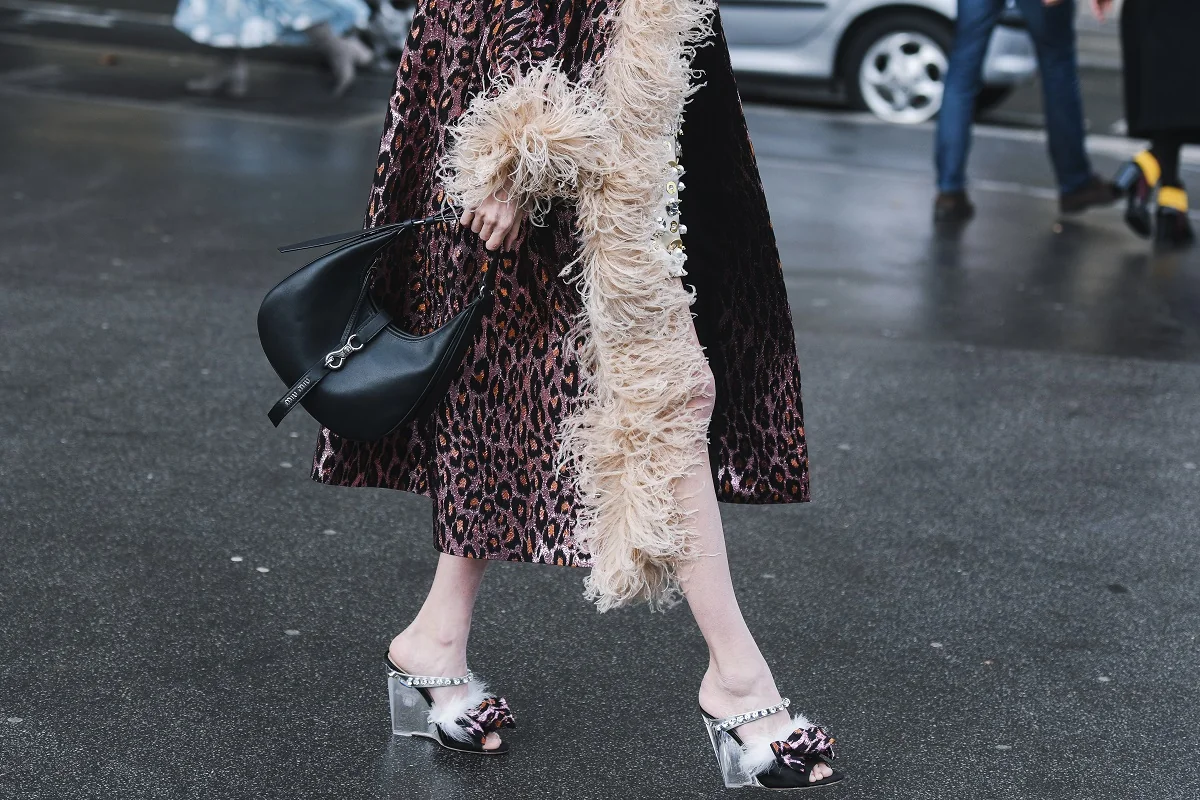
Animal print has never actually left fashion. It just cycles back into focus every few seasons, usually right when the industry needs a jolt of confidence. Christian Dior worked leopard into eveningwear as far back as the 1940s, treating it as a signal of glamour rather than rebellion. Gianni Versace built an entire house identity around it in the ’90s, pairing python and tiger motifs with body-conscious tailoring that made the print feel powerful instead of loud. Dolce&Gabbana went further, turning leopard into something close to a house signature, appearing season after season across ready-to-wear, accessories, and even eyewear.
The print has always split opinion. Some read it as bold and directional, others as excessive. That tension is exactly why it keeps resurfacing instead of fading out. Jackie Kennedy wore leopard fur in the early ’60s and made it aspirational; decades later, Michelle Obama’s more restrained take on animal print proved the motif could read as polished rather than flashy, depending entirely on execution.
The Spring/Summer 2019 runways brought the clearest recent proof of this cycle. Animal print showed up across multiple houses simultaneously, and Louis Vuitton’s Monogram Jungle capsule was a standout example of how a heritage house reinterprets the trend on its own terms, layering leopard and zebra motifs directly onto the brand’s signature [[Monogram canvas](/authentication/how-to-spot-a-fake-louis-vuitton-bag/)](/buying-guides/louis-vuitton-neverfull-buying-guide/) rather than treating it as a separate print story.
For anyone shopping pre-loved or resale designer pieces, animal print seasons like this one matter for a practical reason: they flood the resale market with pieces worth knowing how to evaluate, both for style and for authenticity. That’s the lens we’re using here.
Animal Print Clothing Worth Adding to Your Wardrobe #
The strongest animal print clothing works because of the fabric it’s printed on, not just the pattern itself. Leopard on silk crepe drapes and moves in a way that reads as elevated, while the same print on stiff cotton can feel closer to costume. That distinction matters when you’re evaluating whether a piece is worth its price tag.
A few categories consistently perform well:
- Silk slip dresses and blouses — leopard or snake print on silk has a fluidity that makes the pattern feel intentional rather than overwhelming. These pieces layer easily under blazers for daytime and stand alone for evening.
- Wrap coats and duster jackets — a longline silhouette in animal print works as a statement outer layer over an otherwise plain outfit, which is the easiest way to wear the trend without it taking over.
- Tailored trousers and midi skirts — smaller-scale prints like snake or leopard translate well into structured bottoms, giving you the trend in a piece you can dress up or down.
The versatility comes down to scale and contrast. A high-contrast print (true black-and-tan leopard, bold zebra stripes) reads as a statement piece and works best as the sole printed item in an outfit. A muted, tonal print — grey-on-grey leopard, for instance — behaves almost like a neutral and can be mixed more freely.
Animal Print Shoes That Make a Statement #
Footwear is where animal print tends to feel the most wearable, since the print stays lower-impact and easier to build an outfit around. Tod’s has built a strong reputation for leopard-print pony hair loafers and driving shoes, where the calf hair texture does most of the visual work and the print itself stays understated. It’s a smart entry point if you’re testing the trend without committing to a bold silhouette.
Manolo Blahnik takes the opposite approach with pieces like leopard-print pumps in satin or calf hair, where the shoe’s clean, pointed silhouette lets the print carry real drama without competing with an elaborate shape. [Christian Louboutin](/brands/christian-louboutin-brand-history/)’s animal print heels typically combine the house’s signature red sole with high-contrast leopard or snake-embossed leather, which means the print gets amplified rather than toned down — these read as occasion shoes rather than everyday pieces.
The honest trade-off across all three: pony hair and calf hair styles look exceptional but require more careful storage and cleaning than smooth leather, since the texture can flatten or shed with heavy wear. If you’re buying secondhand, check the hair density closely at the toe and heel, the highest-friction points, before assuming the print looks as rich as it did new.
Animal Print Handbags: The Season’s Standout Accessory #
Handbags are where animal print does the most for an outfit with the least effort, and it’s also where the authenticity stakes are highest given how much counterfeiters lean on print-heavy designs to distract from construction flaws.
A few standout approaches across the market:
- Dolce&Gabbana’s Sicily and Devotion bags in leopard-print calf hair or embossed leather lean into the house’s maximalist identity — expect bold scale and high contrast, which reads as a strong style statement but limits everyday versatility.
- Louis Vuitton’s Monogram Jungle pieces reinterpret the house’s Monogram canvas with animal motifs rather than replacing the material entirely, which makes them easier to integrate with existing LV pieces and gives the print a more subtle, textural presence.
- Exotic-skin pieces from houses like Hermès — think python or lizard treatments on structured silhouettes — sit at the top of the market both in price and craftsmanship, and the print here comes from the material itself rather than a printed pattern, which is a meaningful distinction for anyone comparing value.
That last point is worth dwelling on. A genuine exotic-skin bag and a printed-leather bag mimicking that skin are priced, constructed, and cared for completely differently. Scale-pattern consistency, skin grain, and weight are the first things to check when trying to tell them apart, and it’s a common point of confusion for buyers new to exotic leathers.
How to Style and Buy Animal Print Designer Pieces #
Styling with neutrals. Animal print behaves best when treated as the loudest element in an outfit, not one of several. Pair a leopard blouse with black trousers and a plain blazer, or let a snake-print bag be the only patterned piece against a monochrome outfit. Beige, black, camel, and white are the most reliable neutrals because they don’t compete with the print’s own color variation.
Subtle vs. bold. Tonal or smaller-scale prints (muted leopard, fine snake embossing) work for office settings and everyday wear. High-contrast, larger-scale prints (bold zebra stripes, saturated tiger motifs) read as evening or occasion pieces. If you’re only buying one animal print piece, a subtle version gets more wear.
Verifying authenticity on pre-loved pieces. This is where animal print requires extra diligence compared to solid-color designer bags:
- Check print placement and symmetry against the brand’s official pattern — most houses have consistent print alignment across seams, and misaligned or randomly repeating patterns are a common counterfeit tell.
- Inspect hardware separately from the print. Zippers, clasps, and feet should match the brand’s weight, finish, and stamping regardless of the exterior pattern, and this is often easier for counterfeiters to get wrong than the print itself.
- For exotic-skin pieces specifically, look at scale size consistency and skin grain under close light. Real python or lizard skin has natural irregularity; printed imitations tend to repeat too perfectly.
- Request close-up photos of interior stamping, date codes, and stitching from any seller before purchase, and compare them against verified reference images rather than relying on the print pattern alone to judge legitimacy.
Frequently Asked Questions About Animal Print Fashion #
Is animal print still in style, or is it dated? It’s cyclical rather than dated. It resurfaces on runways every few seasons — SS2019 being a recent clear example — because it photographs well and reads as confident when styled with restraint.
How do I wear animal print without it looking costume-y? Keep it to one item per outfit and pair with neutral, solid pieces. Fabric matters too: silk, fine leather, and calf hair read as elevated, while stiff synthetic prints tend to look cheaper regardless of styling.
Are animal print designer bags a good investment? It depends on the print and house. Classic, tonal interpretations from established houses tend to hold resale value better than trend-driven, high-contrast capsule pieces, which can feel dated once the specific moment passes.
How can I tell if a secondhand animal print bag is authentic? Cross-check hardware, stitching, and interior stamping against verified references rather than judging by the print alone, since print quality varies even among authentic pieces from different production runs.
How to Choose the Right Animal Print for Your Style #
Not all animal prints behave the same way, and choosing between them is really about contrast, scale, and how much attention you want a piece to draw.
- Leopard is the most versatile and closest to a neutral. Its irregular rosette pattern works across skin tones and body types, and it mixes well with both warm and cool color palettes.
- Snake and python have a smoother, more linear texture that reads as sleek and modern. It tends to suit fitted, structured pieces better than loose, flowing ones, since the print’s fine detail can get lost in draped fabric.
- Zebra is the boldest and most graphic option, best worn as a single statement piece rather than layered with other patterns. It suits confident, minimalist outfits where the stripe pattern is clearly the focal point.
- Tiger is the least common in ready-to-wear and tends to appear in richer, warmer colorways. It pairs naturally with camel, rust, and deep green rather than black, and works well for anyone who wants animal print without the leopard association.
If you’re new to the trend, leopard is the safest starting point precisely because it’s the most forgiving across styling choices. Save zebra and tiger for pieces you’re genuinely excited about, since they’re harder to wear casually and easier to tire of.
Designer Picks by Price Tier (Splurge, Mid-Range, Entry-Level) #
Splurge (roughly $3,000+): Exotic-skin pieces from houses like Hermès, along with fully embellished Dolce&Gabbana leather goods, sit here. You’re paying for the material itself as much as the design, and these pieces tend to hold value well if condition and documentation are strong.
Mid-range (roughly $800–$3,000): Louis Vuitton Monogram Jungle pieces, Tod’s calf hair footwear, and Christian Louboutin animal print heels typically fall in this range. This is where craftsmanship and brand recognition are both high, making it the sweet spot for most first-time animal print buyers on the resale market.
Entry-level (roughly $200–$800): Manolo Blahnik satin pumps in smaller sizes, printed silk blouses, and accessories like scarves or small leather goods from mainline collections sit here. It’s the lowest-risk way to test whether a specific print or house’s take on animal print actually suits your wardrobe before committing to a larger purchase.
Across all three tiers, condition affects resale value more than price tier alone. A well-cared-for entry-level piece often retains more of its value proportionally than a splurge piece with visible print fading or hardware wear, since animal print pieces show wear differently than solid-color leather goods.
Related Articles #
- How to Spot Fake Christian Louboutin Shoes: Guide
- Dolce & Gabbana Devotion Bag: Style, Story & Value
- Exotic Skin Handbags: What You’re Really Paying For
- Popular Handbag Brands: Which One Is Right for You?
- Exotic Skin Handbags: What You’re Really Paying For
Related guides
- Online Bag Authentication: What Photos Can and Cannot Prove
- Blue Crocodile Lady Dior Tote: Buying Guide
- Chanel Vintage Flap Bag Buying Guide: Navy Lambskin
- Louis Vuitton Palm Spring Backpack: Complete Buyer's Guide
- How to Buy an Authentic Luxury Bag from China Safely
- New vs Pre-Owned Luxury Bags: Which Route Is Right for You?
- Chanel Bag Guide: What to Know Before You Buy
- Luxury Bag Houses


Keyword index