Introduction: Meet the Chloe Jade Python Clutch #
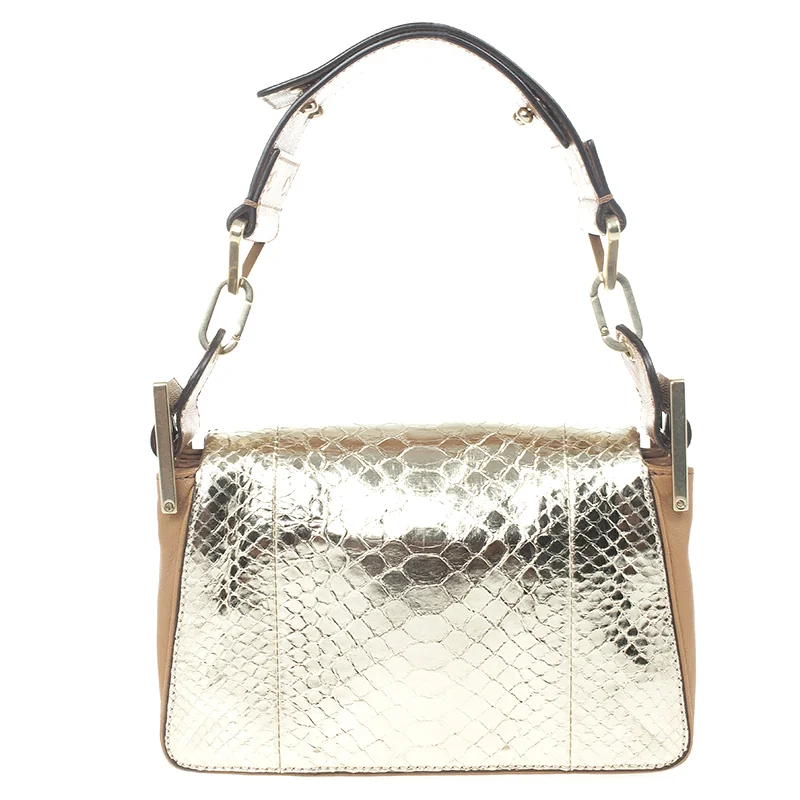
Chloé’s catalog is stacked with bags built for everyday rotation — the Marcie, the Drew, the Faye — soft, structured, easy to carry. The Jade doesn’t fit that mold, and that’s exactly the point. It’s the outlier in the lineup: a small-format, exotic-skin piece built for the nights when a logo-forward It-bag would look try-hard.
For readers who track [[[Hermès Kelly](/buying-guides/why-buy-pre-loved-hermes-kelly-bag/)](/buying-guides/luxury-handbag-trends-2024/)](/buying-guides/how-to-buy-your-first-hermes-birkin/) resale, python and lizard authentication, and hardware details the way others track stock prices, the Jade is worth knowing for a different reason. It sits at the intersection of exotic-skin collecting and secondhand luxury buying — smaller stakes than a Kelly, but the same due-diligence questions apply: is the skin genuine, is the leather trim correctly matched, and does the price reflect real market demand or just seller optimism. This guide walks through the design, the craftsmanship, how to wear it, and — most importantly if you’re shopping resale — how to vet one before you pay for it.
Design Details: The Signature Strap-Handle Silhouette #
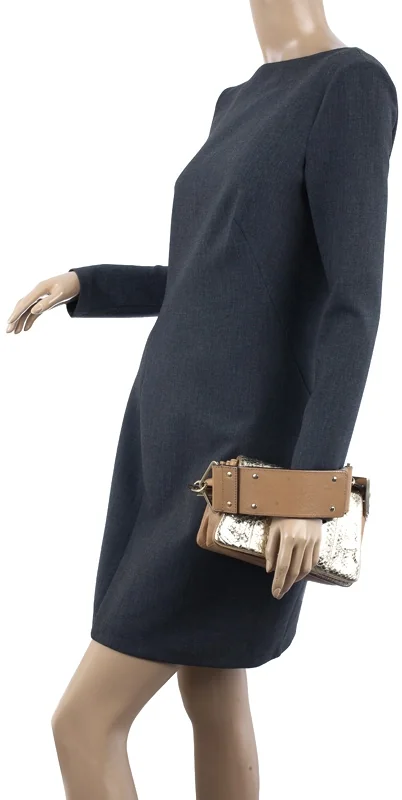
The detail that separates the Jade from nearly every other Chloé bag is the handle construction. Instead of a rigid top handle or a drop-in shoulder strap, the Jade uses a flattened strap that threads through the body of the bag, letting your hand slide directly through the loop to grip the bag against your palm. It reads more like a design experiment than a standard hardware fitting, and it’s the reason the bag photographs differently in every shot — held as a clutch, it looks architectural; slung over the shoulder, the same strap goes slack and casual.
That dual function is the bag’s real value proposition. Most exotic-skin evening bags commit to one carry mode. The Jade doesn’t. You get a clutch for a seated dinner and a shoulder bag for the walk between venues, without switching bags. It’s a small-format piece — this is not a work tote or a daily-carry bag — sized for essentials: phone, card case, lipstick, keys. If you’re used to a Kelly 25 or 28’s structured compartments, expect the Jade to hold noticeably less and to be entirely unstructured inside, with no center divider or zip compartment in most versions.
Materials and Craftsmanship: Metallic Gold Python and Leather Trim #
The version worth chasing on resale is the metallic gold python with beige leather trim — a combination that does a lot of work with very little embellishment. Python skin naturally has a scale pattern with varying panel width and sheen, and the metallic gold treatment sits on top of that texture rather than flattening it, so the bag catches light unevenly across the surface. That’s a feature, not a flaw: it’s one of the tells of genuine python versus a printed leather imitation, which we’ll get to in the authentication section.
The beige leather trim frames the python panels along the edges and handle strap, and it’s where you’ll want to look closely on any used piece — python is more resistant to surface wear than the calfskin trim, so the leather binding is usually the first thing to show scuffing, discoloration, or fraying at stitch points. Chloé’s construction on this bag uses fairly minimal hardware, which keeps the focus on the skin itself, but it also means there’s less metal detailing to hide seam work. Panel matching and stitch consistency around the strap opening are where you can judge whether a piece was made with care — python is genuinely harder to work with than smooth leather because the skins are irregular, and rushed construction shows up as puckering at the seams.
How to Style the Jade Python: From Day to Evening #
Metallic gold python isn’t a bag you build an outfit around subtly — it’s a statement piece, so the rest of the styling should stay relatively quiet.
Evening #
Pair it with a simple slip dress or tailored jumpsuit in a solid neutral — black, ivory, or a deep jewel tone — and let the bag be the only metallic in the mix. Strappy gold sandals are the obvious pairing and they work because they echo the tone without competing with the python texture. Keep jewelry minimal: one statement earring or a cuff, not both.
Day-to-evening transition #
Worn on the shoulder, the Jade shifts into daytime territory more easily than most exotic clutches. It works over a tailored blazer and trousers for a client lunch that runs into evening drinks, or over a slip skirt and simple top for daytime errands that end at a dinner reservation. The strap-through handle is genuinely comfortable slung crossbody-short over a jacket, which is more than you can say for most hard-frame exotic clutches.
What to avoid #
Skip pairing it with other exotic skins or heavy metallic hardware elsewhere in the outfit — python plus snake-embossed shoes plus a chain-heavy belt reads costume-y rather than elevated. Let the bag carry the “statement” role alone.
Authenticating Exotic-Skin Chloe Bags: What to Check #
Exotic-skin Chloé pieces get counterfeited less often than the brand’s canvas or logo bags simply because faking convincing python at scale is expensive — but that doesn’t mean fakes don’t exist, and it doesn’t mean every “genuine python” listing is telling the truth. Here’s what to actually check before buying.
Skin authenticity #
- Scale pattern irregularity. Real python has inconsistent scale size and spacing across the surface — no two panels look identical. Printed or embossed faux-python leather has a repeating, too-regular pattern.
- Edge transitions. On real python, you can usually see where the skin was cut and pieced, with panels running in slightly different directions to work around the skin’s natural taper. A single continuous “python” panel with no piecing is a red flag.
- Texture under light. Genuine python scales have a subtle three-dimensional ridge you can feel with a fingernail run against the grain. Printed leather feels flat regardless of the visual pattern.
Hardware and stamping #
- Chloé’s interior stamp should have clean, evenly spaced lettering — no wobble, no uneven depth, no font that looks slightly condensed or stretched compared to verified authentic reference photos.
- Zipper pulls and any metal hardware should carry the correct brand marking where applicable, with hardware that feels weighted rather than hollow or light.
- Serial or date-code stamping conventions vary by production year, so cross-reference the specific format against the era the bag was likely made rather than assuming one universal template — Chloé’s internal stamping changed over different production periods.
Construction tells #
- Stitch density and spacing should be consistent along every seam. Hand-finished python work still holds to tight, even stitching — sloppy or widely spaced stitching is a warning sign regardless of the skin’s authenticity.
- Interior lining material and color should match documented examples for the specific colorway; mismatched lining is a common giveaway on pieces that have been re-lined after damage or are outright counterfeit.
If you can’t get hands-on with the bag, ask the seller for macro photos of the interior stamp, the base seams, and a raking-light shot across the python surface. A seller unwilling to provide those is a signal on its own.
Price and Resale Value: Is the Jade Python Worth It #
Pricing on the Jade python is harder to pin down than on Chloé’s core leather bags, mainly because this was a limited, exotic-skin piece rather than a mainline style, and it’s no longer in current production. A few things to know before you shop:
- Original retail for exotic-skin Chloé clutches of this size and era generally landed in the low-to-mid four figures — python and other exotics command a premium over the brand’s standard calfskin equivalents, often 40-60% higher than a comparable leather bag.
- Resale pricing for python-skin bags typically runs at a steeper discount to retail than smooth-leather bags from the same house, often landing in the range of a third to half of original retail for pieces in good condition — exotic skins are a narrower buyer pool, and that suppresses resale prices even when the piece is in excellent shape.
- Condition drives value more than for calfskin bags. Python doesn’t crease or dry out the way calfskin does, but scales can lift, discolor, or crack if the skin was stored poorly or exposed to heat. A python bag with visible scale damage loses value fast, more so than a leather bag with comparable surface wear.
- Documentation matters. Because python is a regulated exotic material under CITES in many jurisdictions, cross-border resale and shipping can require additional paperwork. A bag with original CITES tags or documentation intact is worth more and easier to resell internationally than one without.
- It’s a discontinued, lower-recognition style. Unlike a Kelly or a Birkin, the Jade doesn’t carry brand-recognition-driven demand. Its resale value tracks condition and skin quality much more than name recognition, which means it’s a reasonable buy for someone who wants the exotic-skin look at a lower price point than Hermès — but a weaker long-term value hold than the exotic pieces from houses with deeper waitlist culture.
If your interest is speculative resale value, this isn’t the bag for that strategy. If your interest is wearing genuine exotic skin at a fraction of Hermès pricing, it’s a legitimately good entry point — just buy it to wear, not to flip.
How to Authenticate a Chloe Jade Python Bag #
This is the step-by-step version of the checklist above, specific to the Jade model, for anyone about to commit to a purchase.
- Request full exterior and interior photos before payment. At minimum: front, back, base, interior stamp, zipper pull close-up, and a shot of the strap-through handle mechanism where it passes through the bag body.
- Verify the strap-handle construction matches the model. The Jade’s signature detail is the hand-through strap slot — check that the opening is clean-edged and reinforced, not a loosely cut modification. A poorly finished handle slot suggests either damage repair or a non-authentic piece.
- Inspect the python-to-leather trim transition. The beige leather trim should be evenly stitched to the python panels with no visible glue residue or uneven overlap. This seam is one of the hardest details to fake convincingly.
- Check the interior stamp against the correct production era. Chloé’s stamping format isn’t identical across every production year, so match the font, spacing, and placement to verified examples from the same general period rather than assuming a single universal reference.
- Ask for provenance. Original receipt, dust bag, or box adds confidence but isn’t required — more important is a clear ownership history and, ideally, any CITES documentation if the seller has it.
- When in doubt, use a third-party authentication service. For a bag in this price range, a paid authentication check (through a consignment platform’s in-house service or an independent authenticator) is cheap insurance relative to the purchase price, especially since python-specific fakes are less common but the resale market for this model is thinner and harder to cross-check against.
FAQ #
How big is the Chloé Jade python bag? The Jade is a small-format bag, sized for a clutch — expect it to comfortably fit a phone, cards, and small essentials rather than a full daily-carry load. Exact dimensions vary slightly by listing and era, so always request measurements directly from the seller (length, height, depth) rather than relying on category size labels like “small” or “mini,” which aren’t standardized across resale platforms.
Is python leather hard to maintain? It’s lower-maintenance than people expect but not maintenance-free. Python doesn’t crease like calfskin, but the scales can dry out, lift, or discolor with heat or direct sun exposure. Store it stuffed with acid-free tissue in its dust bag, away from direct light, and avoid stacking other bags on top of it, which can flatten or crack scales over time. Never use standard leather conditioner on the python panels — use a product specifically formulated for exotic skins, and only after testing on a hidden area.
Is the Chloé Jade a good alternative to an Hermès exotic bag? It’s a reasonable way to own genuine python skin at a lower price point, but it’s not a substitute in terms of resale demand or brand recognition. Hermès exotics hold value on waitlist scarcity and house reputation; the Jade’s value is driven almost entirely by condition and skin quality. Buy it because you like the design, not as a value-hold strategy.
Where should I buy a secondhand Chloé Jade python bag? Stick to consignment platforms and resellers with authentication guarantees or in-house verification, rather than unmoderated marketplaces. Given how much resale value hinges on condition and genuine skin, a platform that stands behind authenticity is worth the added cost or slightly higher price versus a peer-to-peer listing with no recourse.
How can I tell if the python skin is real without seeing the bag in person? Ask for close-up, well-lit photos of the scale pattern, the panel seams, and the interior stamp. Genuine python has irregular scale spacing and visible piecing at panel transitions; a seller who can’t or won’t provide those specific shots is a reason to walk away, regardless of how good the price looks.
Related Articles #
- Why the Chanel Crossbody Bag Never Goes Out of Style
- Fendi By The Way Bag Review: Style, Cost & Resale Value
- Hermès Kelly Clutch: Smartest Entry Into Luxury Bags
- 5 Luxury Handbag Accessories Every Collector Should Know
- Hermès In and Out Birkin: Inside the Limited Edition
Related guides
- Online Bag Authentication: What Photos Can and Cannot Prove
- Blue Crocodile Lady Dior Tote: Buying Guide
- Chanel Vintage Flap Bag Buying Guide: Navy Lambskin
- Louis Vuitton Palm Spring Backpack: Complete Buyer's Guide
- How to Buy an Authentic Luxury Bag from China Safely
- New vs Pre-Owned Luxury Bags: Which Route Is Right for You?
- Chanel Bag Guide: What to Know Before You Buy
- Luxury Bag Houses


Keyword index