Introduction #
A great everyday bag has always had to do two jobs at once: carry your life, and look like it belongs on your arm at a dinner, a client meeting, or a school run. What’s changed is how many of us now expect a third job from it too — holding, or even growing, its value.
That expectation isn’t hype. Resale platforms and auction houses have spent the last decade building actual data around what used to be word-of-mouth. The Hermès Birkin is the case study everyone cites, and for good reason: independent research covering 1980 to 2015 put its average annual value increase at 14.2%, a run that outpaced gold and, in several stretches, the S&P 500. That’s not a guarantee it will keep happening at that rate — art-market-style assets go through cycles too — but it explains why “investment bag” stopped being a marketing phrase and became a genuine shopping category.
This guide isn’t a ranked “best bags” list pulled from a spreadsheet. It’s built the way I’d actually advise a friend shopping with real money on the table: which everyday bags have a track record worth trusting, what actually drives resale value versus what’s just brand mythology, and how to protect the investment once it’s in your closet.
Why Invest in Designer Everyday Bags? #
Not every logo bag is an asset. The ones that behave like one share a few traits, and it’s worth understanding why before you start comparing individual models.
Value retention is real, but it’s brand- and model-specific. Chanel and Hermès dominate this conversation because scarcity is engineered into how they sell. Hermès famously doesn’t let you simply buy a Birkin off the shelf, and Chanel has raised prices on its Classic Flap repeatedly over the past several years — both dynamics push resale prices up rather than down. Analyses from Deloitte and Credit Suisse on the handbag resale market have pointed to returns as high as 38% on certain Birkin references over specific holding periods. Treat that figure as a ceiling for exceptional pieces in exceptional condition, not a baseline you should expect from every bag with a designer label.
Authentication is the quiet risk most first-time buyers underestimate. The counterfeit market for Chanel, LV, and Hermès is sophisticated enough that even experienced collectors get fooled by photos alone. Buying through platforms that authenticate pre-owned pieces — and keeping your own paperwork, receipts, and dust bags — isn’t optional if resale value matters to you. An unauthenticated bag, however genuine, is worth less the moment you try to sell it because the buyer has to take your word for it.
Appraisal access changes how you shop. Once you can check a model’s current resale range before buying, you stop overpaying for hype and start buying pieces with a documented track record. This is the single biggest shift from how handbags were bought a generation ago — purely on desire — to how serious buyers shop today.
Handbags didn’t start as collectibles. They were functional accessories that became status objects as houses like Chanel and Louis Vuitton turned craftsmanship and scarcity into brand identity, especially from the 1920s onward. What’s different now is that the resale market has matured enough to put numbers behind what used to be pure taste.
Top Investment-Worthy Designer Bags for Everyday Use #
I’ve grouped these by what they actually are — heritage icons, structured statement pieces, and newer contenders — rather than ranking them, because they serve different budgets and different risk appetites.
The Legacy Tier: Chanel, Hermès, Louis Vuitton #
These three brands lead almost every serious resale report, and it’s not sentimental. Chanel’s price increases have directly inflated secondary-market values on older bags bought before each hike. Hermès controls supply so tightly that demand almost never catches up. Louis Vuitton’s canvas pieces are the most recognizable handbags on earth, which keeps demand broad even when trends shift.
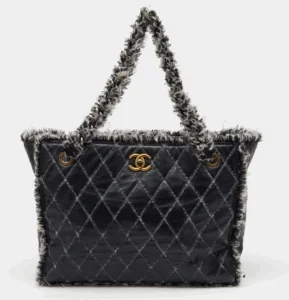
- Chanel Quilted Shopper Tote — The diamond quilting and interlocking CC hardware are Chanel’s most copied, most recognized details, which is exactly why authenticated vintage pieces hold value well. The trade-off: lambskin totes show wear faster than caviar leather, and a tired-looking exterior tanks resale price fast, so condition matters more here than on almost any other bag on this list.
- Hermès Evelyne — The perforated H on the front is functional (it’s meant to ventilate riding gear) and instantly recognizable. It’s a smart entry point into the Hermès ecosystem because it’s far easier to actually purchase than a Birkin or Kelly, but that accessibility is also its ceiling — it doesn’t carry the same waitlist-driven appreciation.
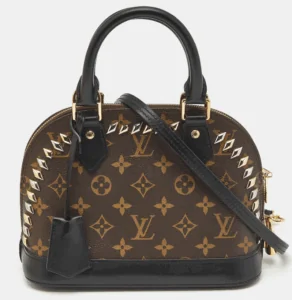
- Louis Vuitton Alma (Monogram Canvas) — Structured, durable, and one of the most photographed silhouettes in the brand’s history. Canvas resists staining better than leather, which helps long-term value, but corner wear and hardware tarnish are the two things that quietly knock resale offers down, so this is a bag that rewards careful handling.
The Structured Statement Tier: Valentino, Dior, Givenchy #
These houses don’t have Hermès-level scarcity engineering, but they’ve built genuinely iconic silhouettes that collectors chase specifically because they’re distinctive rather than ubiquitous.
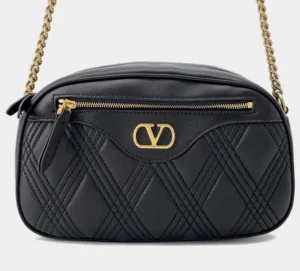
- Valentino Black Leather Crossbody (Rockstud) — The gold Rockstud detailing is Valentino’s signature the way quilting is Chanel’s, and resale reporting consistently shows strong demand for pieces built around that motif. It’s a genuinely versatile day-to-night bag, though it’s worth being honest that Valentino’s resale ceiling sits below the “legacy tier” brands — it holds value well, it doesn’t appreciate the way a Birkin can.
- Dior Lady Dior — Cannage stitching and the dangling charms make this one of the most recognizable bags of the 1990s revival, and its connection to Princess Diana gives it a story that keeps collector interest alive decades later. Structured leather bags like this age well if kept in shape, but they lose that shape permanently if stored flat or overstuffed — a real risk with this silhouette specifically.
- Givenchy Antigona — Structured, geometric, and available in colors that read as fashion-forward rather than classic. It’s popular with collectors precisely because of that structure, but the same rigidity means it’s a less forgiving everyday bag if you’re used to something softer — comfort and investment appeal aren’t always aligned here.
The Modern Contenders: Fendi, Bottega Veneta, Gucci #
These aren’t blue-chip in the Hermès sense, but each has built a genuinely strong resale story through cultural relevance rather than scarcity alone.
- Fendi Spy Bag — Its early-2000s celebrity association gave it a second life on resale platforms, and the roomy, slouchy silhouette still reads as distinctive rather than dated. The trade-off is weight: the structured double-handle design isn’t the most comfortable for daily carry, which is worth testing in person before buying.
- Bottega Veneta Intrecciato Crossbody — The woven leather is Bottega’s entire identity, and it’s genuinely well-made — current-collection Intrecciato pieces are holding value better than most of the brand’s older logo-driven output ever did. Watch older, non-current weave patterns specifically, since demand (and resale price) skews heavily toward newer silhouettes.
- Gucci Soho Chain Crossbody — Fun, colorful, and useful as an everyday bag, with a decent resale record for a mid-tier logo piece. It’s honest to say this one is closer to “good value retention” than “investment asset” — buy it because you’ll use it constantly, not because you expect it to appreciate.
What Makes a Bag Worth the Investment #
Once you look past the brand name, the same handful of factors decide whether a bag holds value or just holds your things.
Material. Leather type matters more than most buyers realize. Hermès Togo and Clemence leather, Chanel caviar leather, and Louis Vuitton’s coated canvas all resist wear better than smooth calfskin or lambskin, which directly protects resale value over years of use. Exotic skins (crocodile, ostrich) can command a premium but also come with stricter care requirements and a narrower buyer pool when it’s time to sell.
Hardware. Gold-tone hardware generally resells better than silver in most markets, and hardware condition — tarnish, scratching, peeling plating — is one of the first things a buyer or authenticator inspects. Bags with hardware that’s integrated into the design (Chanel’s CC turnlock, Valentino’s Rockstuds) tend to hold value better than bags where hardware is purely decorative.
Scarcity. Limited editions, discontinued colorways, and brand-controlled waitlists (Hermès being the extreme example) all push resale prices above retail. This is also the riskiest factor to bet on as a buyer, since scarcity you don’t control can disappear the moment a brand reissues a style.
Condition. This is the factor buyers underestimate most. A bag in excellent condition with original dust bag, box, and receipt can sell for significantly more than the same model showing corner wear or hardware tarnish — sometimes the gap is 20-30% of resale value. If you’re buying with resale in mind, that changes how you should actually use the bag day to day.
Brand demand. Ultimately, resale value tracks cultural relevance as much as craftsmanship. A brand having a genuine “moment” — through celebrity visibility, runway buzz, or a viral style — can lift resale prices on specific models faster than any factor above. It’s also the least predictable, which is exactly why I’d weight it last, not first, when deciding what to buy.
Caring for Your Investment Piece #
Store it properly. Keep bags stuffed with the dust bag or acid-free tissue to help them hold shape, away from direct sunlight, which fades leather and canvas unevenly. Structured bags (Antigona, Lady Dior) lose their silhouette permanently if left flat or crushed under other items — this is the single most common damage I see on resale listings.
Clean and condition regularly, but don’t overdo it. Leather conditioner every few months keeps material supple; too much product buildup actually attracts dirt and can darken lighter leathers unevenly. Canvas pieces (Louis Vuitton monogram) should be wiped, not scrubbed, and kept away from moisture that can seep into the coating.
Rotate use. A bag you carry every single day will show handle wear, corner scuffing, and hardware tarnish faster than one used a few times a week. If resale value matters to you, owning two or three bags in rotation protects each one’s condition far better than relying on one workhorse.
Keep the paperwork. Original receipts, authenticity cards, box, and dust bag all directly affect resale price and buyer confidence — a bag sold with full documentation typically commands a meaningfully higher price than the same bag sold “bare.”
Buy and sell through authentication-verified channels. Whether you’re purchasing pre-owned or eventually reselling, working with platforms that authenticate each piece protects you from counterfeits on the buy side and from lowball offers based on doubt about authenticity on the sell side.
FAQ #
Do designer bags actually appreciate, or do they just hold value better than other purchases? Some do genuinely appreciate — the Birkin’s documented performance is the clearest example — but most designer bags are better described as holding value exceptionally well compared to fashion items generally. Treat appreciation as a possible upside on scarce, high-demand pieces, not a guaranteed outcome across the category.
What’s the best entry point if I can’t afford a Birkin or a Classic Flap? The Hermès Evelyne, Louis Vuitton Alma, and [[[[Valentino Rockstud](/buying-guides/valentino-alcove-bag-review/)](/brands/valentino-garavani-milestones-legacy/)](/buying-guides/best-valentino-bags-worth-the-investment/)](/brands/valentino-roman-stud-shoulder-bag/) crossbody are realistic entry points that carry genuine brand recognition and solid (if not spectacular) resale demand, without the waitlists or six-figure price tags.
Does color affect resale value? Yes, significantly. Black, neutral, and classic Hermès colors like Gold or Etoupe tend to resell faster and closer to retail than bold seasonal colors, which appeal to a narrower buyer pool even when the bag itself is in excellent condition.
Is buying pre-owned a smarter investment than buying new? Often, yes — buying an authenticated pre-owned bag below retail and reselling it later can produce a better return percentage than buying new, since you skip the initial retail markup. The trade-off is that you need to trust the authentication process completely, which makes reputable sellers non-negotiable.
How much does condition actually matter to resale price? More than most new buyers expect. Corner wear, hardware tarnish, and interior staining can each shave meaningful value off a resale price, sometimes the difference between a bag selling quickly at a strong price and sitting unsold for months.
Should I buy a bag purely for investment if I don’t love carrying it? I’d advise against it. The bags with the best long-term outcomes in my experience are the ones people actually use and take care of — daily handling encourages the kind of attentive care that protects resale value, while a bag bought purely to sit in a closet often gets neglected instead.
Related Articles #
- Why the Chanel Crossbody Bag Never Goes Out of Style
- Hermès Leathers Guide: Togo, Epsom, Exotic Skins Explained
- Classic and Chic Handbags: Timeless Style Icons
- How Pre-Owned Luxury Fashion Is Reshaping the Industry
- Designer Handbag Trends 2025: What’s Actually Worth Buying


Keyword index