Introduction: From MBA Grad to [[[[Louis Vuitton](/authentication/how-to-spot-a-fake-louis-vuitton-bag/)](/buying-guides/most-popular-louis-vuitton-bags-2026/)](/buying-guides/louis-vuitton-twist-bag-guide/) Retail](/brands/louis-vuitton-neverfull-insider-retail-story/) Floor #

I took the job expecting a soft landing. I had just finished my MBA, I’d spent years helping run a family business with over 130 employees, and a Retail Sales Manager role at Louis Vuitton’s Mall of the Emirates boutique in Dubai sounded, frankly, like a step down in complexity. I had managed budgets, negotiated with suppliers, sat in on hiring decisions. How hard could it be to sell handbags?
That assumption lasted about a week.
Working at Louis Vuitton turned out to be one of the most demanding jobs I’ve had, and one of the most instructive. What I expected to be a glamorous, low-stakes detour into fashion retail was actually a masterclass in operations, psychology and brand discipline, run at a scale most shoppers never see from the customer side of the counter. This is what that year taught me, and why I think it matters to anyone trying to understand what you’re actually paying for when you buy into a house like Louis Vuitton.
Behind the Glass Doors: My First Night at the Boutique #
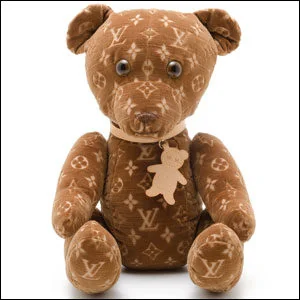
My first night on the job wasn’t during business hours. I arrived past 10pm, well after the store had officially closed, and knocked on the glass door where a security guard stood posted at the entrance. Through the glass, the boutique was fully lit and fully staffed. It was inventory night, and the sales team was running scanner counts across the floor.
I was walked through a door at the rear of the shop that most customers never notice, into a back-of-house space that genuinely surprised me. There was a manager’s office, a conference room, staff changing areas, a kitchen, and racks upon racks of shoes, handbags and ready-to-wear stretching well beyond what was on display up front. The retail floor, it turned out, was just the visible fraction of the operation.
I was introduced that night to the store manager, an LV veteran with more than 12 years at the company. He would be the one training me, and it was immediately clear he’d seen every kind of customer, every kind of crisis, and every version of a new hire underestimating the job.
Inside Vuitton’s Sales Machine: Staff, Security and Scale #
The numbers behind a flagship boutique are not what most shoppers picture when they imagine a “store.” The Mall of the Emirates location ran 12 to 14 hours a day, seven days a week, with more than 30 employees on staff and thousands of walk-ins daily. It had 16 video cameras and two full-time security guards. It maintained its own dedicated warehouse space within the mall, separate from the back-of-house stock room.
This is the part of the Louis Vuitton retail experience that customers rarely think about: the boutique isn’t a standalone shop, it’s a logistics and security operation dressed up as one. The staffing alone told me something about brand economics. Thirty-plus employees for a single store means the payroll, training investment and physical infrastructure per location are enormous, and that cost structure has to be baked into everything the brand sells. When people ask why a canvas tote costs what it does, the answer isn’t just materials and craftsmanship, it’s also this: the scale of the machine required to sell it properly, every single day, in every flagship city.
The Vuitton Sales Ceremony: Three Days of Immersive Training #
Before I sold a single item, I went through the induction program, three full days of training that covered product knowledge and, more memorably, Vuitton’s internal “sales ceremony.” This wasn’t a script for ringing up purchases. It was a structured approach to the entire client interaction: greeting the customer, building a genuine connection, understanding their actual need, and only then guiding them toward a product, all while weaving in the history and craftsmanship behind it.
It was rigorous, and at times it felt excessive. We heard stories of a sales associate in another country who was known for spending close to an hour “Vuittonizing” a single client. Every associate came out of training with a signature product story they leaned on. Mine was the Neverfull, a bag engineered to carry roughly 200 kilos on a single strap without snapping, a detail that never failed to get a reaction. I also liked telling the story of the Alma, originally designed as a custom commission for Coco Chanel.
Here’s my honest take: the training was genuinely effective at creating a consistent brand experience, and it’s a large part of why Louis Vuitton retail feels different from a typical designer store. But it was also, by design, slower than most customers expect. It worked beautifully when the store was calm. It broke down completely once the floor got busy, and that gap is where I learned the most.
During peak season, with 15 sales associates on the floor, we still couldn’t keep pace with the volume of customers streaming in. The unhurried, near hour-long “Vuittonizing” experience compressed into a few rushed minutes per client, with associates juggling two or three customers at once. Eventually I made the call to close the door and have people wait outside rather than let service quality collapse further. Most people had no idea Louis Vuitton has never run a sale, so a closed door and a line outside read, to a lot of passersby, as exactly that. Some waited patiently. Others were visibly annoyed. But once a queue formed, everyone fell in line behind it, and the irony of a queue forming for a store that will never discount anything was not lost on me.
What This Reveals About Luxury Retail and Brand Value #
Stepping back from the day-to-day, what struck me most was how deliberately every layer of the operation was designed to protect the brand’s value, not just move inventory. The three-day training, the scripted sales ceremony, the security infrastructure, the sheer headcount, none of it is accidental. It’s a controlled system built to ensure that a customer in Dubai and a customer in Paris get a comparable experience, and that the story behind a bag is delivered as carefully as the bag itself.
This is a big part of why heritage houses like Louis Vuitton, Chanel and Hermès command the prices and resale confidence they do. The investment isn’t only in leather and hardware, it’s in the infrastructure that surrounds the product: trained staff who can speak to construction and history, security that protects both merchandise and the perception of exclusivity, and a retail environment engineered to feel consistent no matter where in the world you’re standing.
The honest downside is that this system doesn’t scale gracefully. The moment volume outpaces staffing, and it does, especially during peak season and in flagship locations, the promised experience gets compressed or lost entirely. Customers who’ve read about the famous white-glove treatment often walk in during a busy Saturday and get something far more transactional. That gap between brand mythology and lived experience is real, and it’s worth knowing about before you build up expectations around any single shopping trip.
Key Takeaways for Luxury Shoppers and Collectors #
- The retail experience you get at a flagship boutique varies enormously by time and season. Visiting during off-peak hours will get you closer to the “ceremony” the brand actually trains for; visiting during a holiday rush will not.
- Extensive staff training is a real cost center that factors into pricing, but it’s not a guarantee of service quality in the moment. Even well-trained associates can only give you a few minutes when the floor is overwhelmed.
- Security measures like door control, camera coverage and controlled entry aren’t signals of a sale or a problem, they’re standard flagship operations, and a closed door almost never means a discount at a house that famously never marks down.
- The scale of a flagship store, warehouse space, dozens of staff, round-the-clock security, is a reasonable proxy for how seriously a brand protects its retail presentation, which is worth factoring into how much weight you put on “boutique authenticated” versus other verification when buying secondhand.
- Product stories told on the floor (provenance details like the Neverfull’s load capacity or the Alma’s Chanel connection) are usually accurate and genuinely useful for understanding craftsmanship, but they’re also part of a trained sales narrative, so it’s worth verifying details independently if you’re buying for investment purposes rather than just enjoying the story.
Related Articles #
- Louis Vuitton Alma Bag: The Ultimate Buying Guide
- 10 Best Designer Handbags Worth the Investment (2026)
- Louis Vuitton Alma Bag: Complete Buyer’s Guide 2026
- Best It Bags to Buy This Year: A Definitive Guide
- Why the Chanel Crossbody Bag Never Goes Out of Style
Frequently Asked Questions #
Who is this guide for? #
This guide is for readers researching working at Louis Vuitton and comparing options before buying.
What should I check first? #
Start with authenticity signals, condition, pricing context, and whether the piece fits your needs.
How do I choose confidently? #
Compare similar models, review recent market pricing, and prioritize trusted sellers.

Keyword index