Introduction#
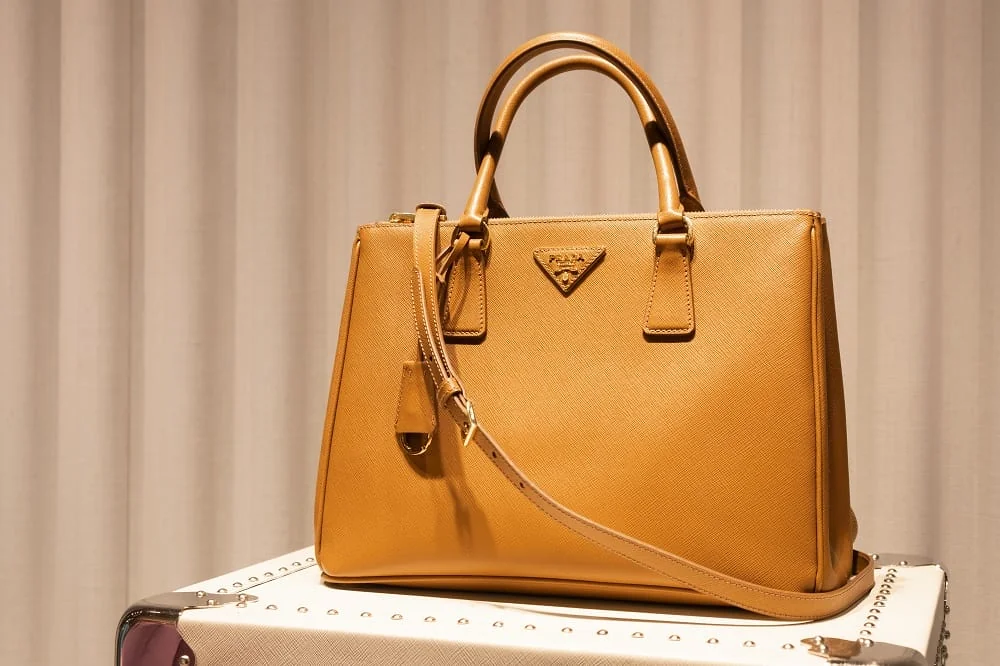
Ask any handbag collector to name the one Prada style that belongs in a well-curated closet, and the answer is almost always the same: the Prada Galleria. It’s the bag that bridges Prada’s Milanese heritage with the kind of everyday practicality that makes a designer bag actually earn its price tag. I’ve handled dozens of Galleria bags over the years, both brand new and pre-owned, and it remains one of the few “It bags” that genuinely holds up to daily use rather than living in a dust bag.
This guide is built for readers doing real due diligence before spending real money, whether that’s a first Prada purchase or an addition to a growing collection. We’ll cover where the Galleria came from, what makes the construction worth the premium, and then get into the part most of you are here for: five specific Galleria variations worth shopping right now, chosen for how they wear, how they style, and how they hold value on the resale market.
Origin: The Story Behind the Galleria#
The Galleria’s name isn’t a marketing invention, it’s a direct nod to Prada’s roots. In 1913, Mario Prada opened the house’s first store inside the Galleria Vittorio Emanuele II, the grand glass-domed shopping arcade in the heart of Milan that’s still considered one of the most beautiful retail spaces in the world. Naming the bag after that address was Prada’s way of tying its most commercially important handbag directly to the brand’s origin story, rather than to a celebrity or a season.
The design itself, though, doesn’t borrow from 1913. Prada looked to the structured “doctor’s bag” silhouettes popular in the 1950s: boxy, rigid, and built to carry things properly rather than just look good on an arm. That combination, a heritage name paired with a mid-century design cue, is part of why the Galleria feels timeless instead of trend-driven.
The bag launched in 2007, which makes it a relatively young addition next to houses like Hermès or Chanel, but it moved fast into icon status. Each one is assembled from 83 individual pieces at Prada’s Scandicci facility near Florence, a factory dedicated specifically to leather goods production. That level of construction detail is worth knowing before you buy, because it’s part of what separates a Galleria from a mass-produced tote, and it’s also why replicating the bag convincingly is genuinely difficult, which matters when you get to the authentication section below.
Design & Craftsmanship#
The Galleria’s signature material is Saffiano leather, and if you’ve never handled it in person, it’s worth understanding why Prada leans on it so heavily. Saffiano is calf leather that’s been hot-stamped with a fine crosshatch pattern, which does two practical things: it resists scratching far better than smooth calfskin, and it sheds water instead of absorbing it. For a bag meant to be used, not preserved in tissue paper, that’s a real advantage. In my experience, even well-loved Saffiano Galleria bags from years ago show remarkably little surface wear compared to smooth-leather totes from the same era.
The design leans structured rather than slouchy. The inverted triangle logo plaque sits front and center, understated compared to a monogram-heavy LV or Dior Oblique, which is part of the Galleria’s appeal to buyers who want recognizable quality without shouting it. The silhouette is boxy with a flat base, dual rolled top handles, and a detachable, adjustable shoulder strap that converts it from hand-carry to crossbody. The interior is genuinely well organized, with a zip compartment and slip pockets that make it function more like a small organizer than a bottomless tote, which I’d count as a real point in its favor for daily use.
The honest downside: that structure comes at a cost. The bag doesn’t compress or flex, so it’s not forgiving if you overpack it, and the corners, while Saffiano-treated, can show bruising or slight leather stress on well-used pieces over many years. It’s also heavier than a soft-leather equivalent because of the rigid internal support. None of this makes the Galleria a bad bag, but it’s worth knowing before you buy one expecting a slouchy, tuck-anywhere shoulder bag.
Sizing runs from Micro and Mini up through Small, Medium, and Large, and Prada rotates colorways and material finishes (Saffiano, Saffiano Lux, Spazzolato patent) every season, which is exactly why the resale market for this bag is so deep and so active.
Top 5 Prada Galleria Bags to Shop Now#
These five picks span size, color, and material, and I’ve included the honest trade-offs for each rather than just the highlights. Think of this less as a definitive ranking and more as a map of which Galleria fits which kind of buyer.
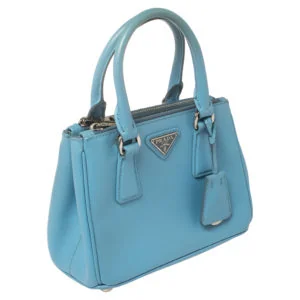
1. Prada Galleria Mini in Blue (Saffiano leather) This is the pick for someone who wants the Galleria’s design language without committing to its bulk. The mini size is genuinely cute on the arm and works well crossbody thanks to the detachable strap, but be realistic about capacity: it fits a phone, cardholder, and lipstick comfortably, and not much else. If you’re buying your first Prada bag to actually use daily with a full kit of essentials, size up. If you want a going-out bag or a everyday-light option, this is one of the more versatile mini designer bags on the market.
2. Printed Prada Galleria Small (Lily print, Saffiano leather) Prada’s seasonal prints on the Galleria are where the bag stops being quiet and starts making a statement, and this lily print small is one of the better executions I’ve seen. It photographs beautifully and pairs well against solid, neutral outfits, which lets the bag do the talking. The trade-off with printed pieces on the resale market: they’re harder to date and match to a specific season, and print pieces generally see softer resale demand than solid Saffiano staples, since the buyer pool is narrower. Buy this one because you love it, not primarily as a value play.
3. Prada Galleria Large in Brown (Spazzolato leather) Spazzolato is a different beast from Saffiano: it’s buffed and polished to a glossy, almost patent-like sheen, and paired with gold-toned hardware, it reads noticeably dressier than the standard crosshatch finish. The large size makes this a genuine workhorse for travel or office use. The honest caveat is that Spazzolato shows scuffs and scratches more visibly than Saffiano, since it lacks that scratch-resistant texture, so this is a better fit for a careful owner than a daily-grind commuter bag.
4. Prada Galleria Large in Lavender (Saffiano Lux leather) Lavender had a real moment in recent seasonal collections, and on the Galleria’s clean silhouette, it reads elegant rather than novelty. Saffiano Lux has a slightly softer hand and glossier finish than standard Saffiano, which some buyers prefer aesthetically, though it can show a touch more surface sheen wear over years of heavy use than the matte original. Colorways like this tend to be a mixed bag for resale: strong initial demand while the trend is current, softer long-term demand once the color cycles out of fashion. Buy it if you’re wearing it, not banking on it.
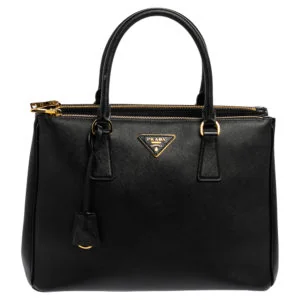
5. Bicolored Prada Galleria Medium in Black/White (Saffiano Lux leather) This is the one I’d point most collectors toward if resale value is genuinely part of the decision. Neutral, two-tone Saffiano Galleria bags in a medium size are the most consistently in-demand configuration on the pre-owned market, because they’re the easiest to style, the easiest to authenticate confidently, and the least tied to a specific fashion moment. It’s not the flashiest pick on this list, but it’s the one most likely to hold its resale price relative to what you pay.
How to Style the Galleria Bag#
The Galleria’s structured shape and clean logo make it more flexible across dress codes than people assume. For office and business settings, a medium or large neutral Saffiano version (black, brown, or the bicolor) reads polished next to tailoring without competing with it, and the top handles keep it looking intentional rather than casual. For everyday weekend wear, the mini or small sizes work well crossbody over jeans and a simple top, especially in a color or print that adds personality since the rest of the outfit is doing less work.
For evening or dressier occasions, the Spazzolato or Saffiano Lux finishes in richer colors elevate more naturally than the standard matte Saffiano, thanks to their glossier surface. One practical note from handling these in person: because the Galleria is structurally rigid, it doesn’t do well crushed into an overhead bin or squeezed into an already-full tote for travel. If you’re using it as a travel bag, treat it as its own carry item rather than a bag-within-a-bag.
Investment Value & Resale Potential#
The Galleria has genuinely earned its reputation as one of the stronger resale performers among Prada’s handbag lineup, though it’s worth being precise about why. It’s not an investment piece in the way a Hermès Birkin or Kelly is, where scarcity and waitlists drive appreciation. The Galleria is more available at retail, which caps how much resale value can climb above original price. What it does offer is unusually strong price retention: well-maintained Saffiano Galleria bags in neutral colorways regularly resell at 50-70% of original retail on the pre-owned market, which is a meaningfully better retention rate than most non-Hermès, non-Chanel designer handbags.
Demand is consistently highest for classic Saffiano leather in black, brown, or the bicolor combinations, in medium and large sizes, since these are the configurations buyers recognize instantly and feel confident authenticating. Limited prints, seasonal colors, and micro/mini sizes tend to see more price volatility, stronger while the trend is hot, softer once it’s not. If resale performance is a real factor in your decision, prioritize classic Saffiano over Spazzolato or exotic finishes, since Spazzolato’s visible wear pattern tends to depress resale condition grading faster.
Buying Advice: What to Check Before You Buy#
If you’re buying pre-owned, condition assessment matters more than the listing photos suggest. Check the base and corners closely, since these areas take the most stress and are the first place Saffiano shows creasing or the leather coating lifting. Examine the handles for discoloration or stiffening, which happens with age and handling oils, and open the interior fully to check the lining for staining or tearing, especially in the zip compartment.
Authentication is non-negotiable at this price point. Genuine Galleria bags have a serial number tag inside, precise and even stitching around the logo plaque and handle attachments, and hardware with real weight and a consistent finish. Saffiano’s crosshatch pattern should be uniform and crisp, not shallow or inconsistently pressed, which is a common tell on counterfeits. If you’re not confident assessing this yourself, buy only from resellers who offer in-house authentication and a clear return policy if authenticity is ever disputed, rather than relying on a seller’s word alone.
On where to buy: established [[[[pre-owned luxury](/buying-guides/luxury-valentines-day-gifts-pre-owned-guide/)](/buying-guides/designer-beachwear-buying-guide/)](/buying-guides/best-pre-owned-luxury-watch-brands/)](/buying-guides/best-luxury-casualwear-brands-effortless-style-2025/) platforms with authentication guarantees, buyer protection, and detailed condition photography are worth the modest premium over marketplace listings from unverified individual sellers. Ask specifically about the production year or season if it’s not listed, since this affects both styling relevance and resale expectations down the line, and always confirm what’s included (dust bag, authenticity card, original strap) since missing accessories affect both price and future resale value.
FAQs#
Is the Prada Galleria bag worth buying? For buyers who want a structured, well-made daily bag with genuine brand recognition and above-average resale retention, yes. It’s less compelling if you want a soft, slouchy shoulder bag or if resale appreciation (rather than retention) is your primary goal, since it doesn’t function like a scarcity-driven investment piece.
What leather is the Prada Galleria bag made of? The classic version uses Saffiano leather, a hot-pressed calfskin with a signature crosshatch texture that resists scratches and water. Prada also produces Galleria bags in Saffiano Lux (a glossier finish) and Spazzolato patent leather, which has a polished, buffed sheen but shows wear more visibly than standard Saffiano.
How can I tell if a Prada Galleria bag is authentic? Check the interior serial number tag, the evenness of the Saffiano crosshatch pattern, stitching precision around the logo and handles, and hardware weight and finish. If in doubt, buy from a reseller offering professional authentication rather than assessing it entirely on your own.
Which Prada Galleria size and color hold value best on resale? Medium and large sizes in classic, neutral Saffiano colorways, black, brown, and bicolor combinations, consistently perform best on the pre-owned market. Seasonal prints, bold trend colors, and micro sizes tend to see more resale volatility.
Is the Prada Galleria a good everyday bag? Yes, particularly the medium and large Saffiano versions. The structured shape and organized interior handle daily essentials well, though the rigidity means it doesn’t compress for overpacking or tight travel spaces.
Related Articles#
- Best It Bags to Buy This Year: A Definitive Guide
- How Pre-Owned Luxury Fashion Is Reshaping the Industry
- Luxury Fashion Investment: Why Pre-Loved Pays Off
- Best Designer Handbag Brands Worth the Investment 2025
- Replica vs Pre-Owned Bags: Which Is the Smarter Buy?


Keyword index