Introduction#
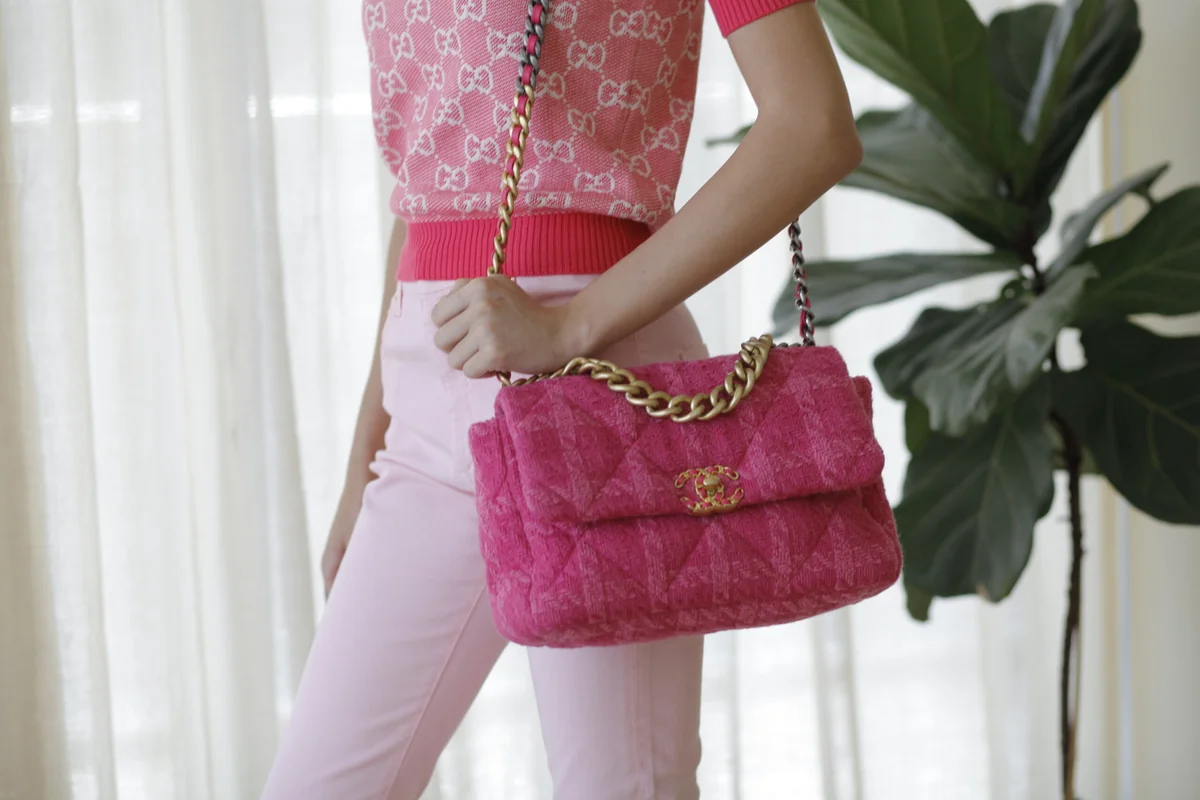
Ask most financial advisors about diversifying a portfolio and you’ll hear the usual suspects: equities, property, maybe a slice of gold. Rarely will “a stainless steel Rolex Daytona” or “a black caviar Chanel flap from the 90s” come up. That’s starting to change, and honestly, it should have changed years ago.
Having spent years watching auction results, tracking resale platforms, and handling these pieces in person, I can tell you the pattern is real: certain designer handbags, watches, and jewelry don’t just hold their value, they climb steadily while trading houses like Sotheby’s and Christie’s post six and seven-figure hammer prices for the rarest examples. That’s not marketing spin. It’s documented sales data.
This isn’t a case for dumping your retirement fund into handbags. Fashion investing is a different animal from stocks or bonds, with its own risks, illiquidity, and learning curve. But treated with the same discipline you’d apply to any asset class, pre-loved luxury can be a genuinely smart, and genuinely enjoyable, way to preserve and grow value. This guide breaks down what actually appreciates, why, and how to buy in without getting burned.
The Rise of Fashion as an Asset Class#
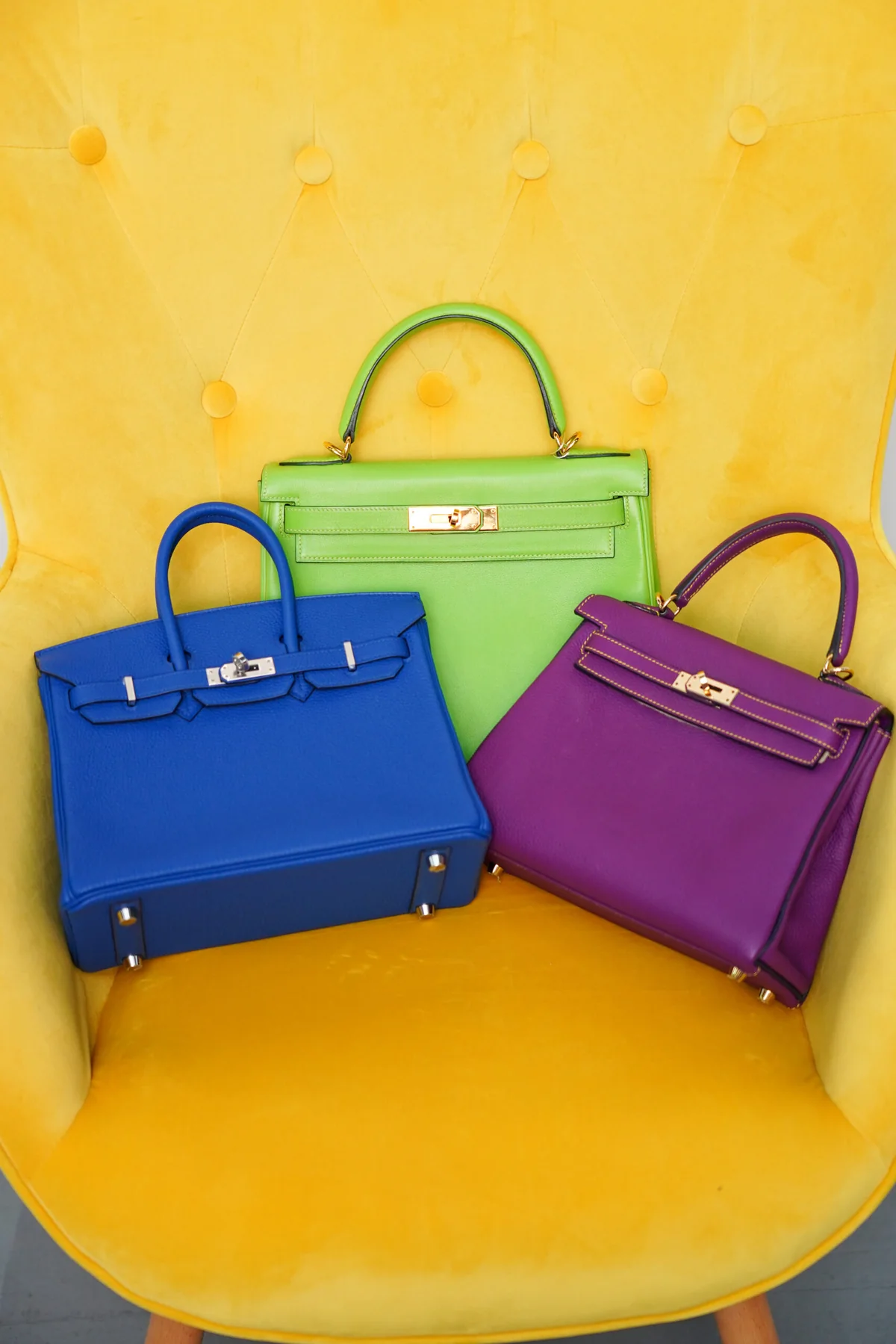
Luxury resale stopped being a niche corner of the fashion world a while back. ThredUp’s 2023 Resale Report put the global secondhand market on track to hit $350 billion by 2027, and the segment driving the most excitement within that number isn’t fast fashion turnover, it’s high-end pieces that behave more like collectibles than clothing.
What makes a designer item behave like an asset rather than a depreciating good comes down to a fairly simple formula: scarcity, brand control over supply, and demand that outpaces what the brand is willing to produce. Hermès deliberately limits Birkin production. Rolex maintains waitlists that stretch for years. Chanel raises prices on its Classic Flap almost annually. Every one of those decisions, intentional or not, feeds resale value.
Compare that to a typical designer bag from a brand that produces freely and discounts during sales season. Supply meets demand too easily, and resale value collapses the moment it leaves the boutique. The lesson here is one investors learn quickly: it’s not the logo that creates value, it’s the imbalance between how many people want the item and how many the brand will let them have.
Handbags Worth Investing In#
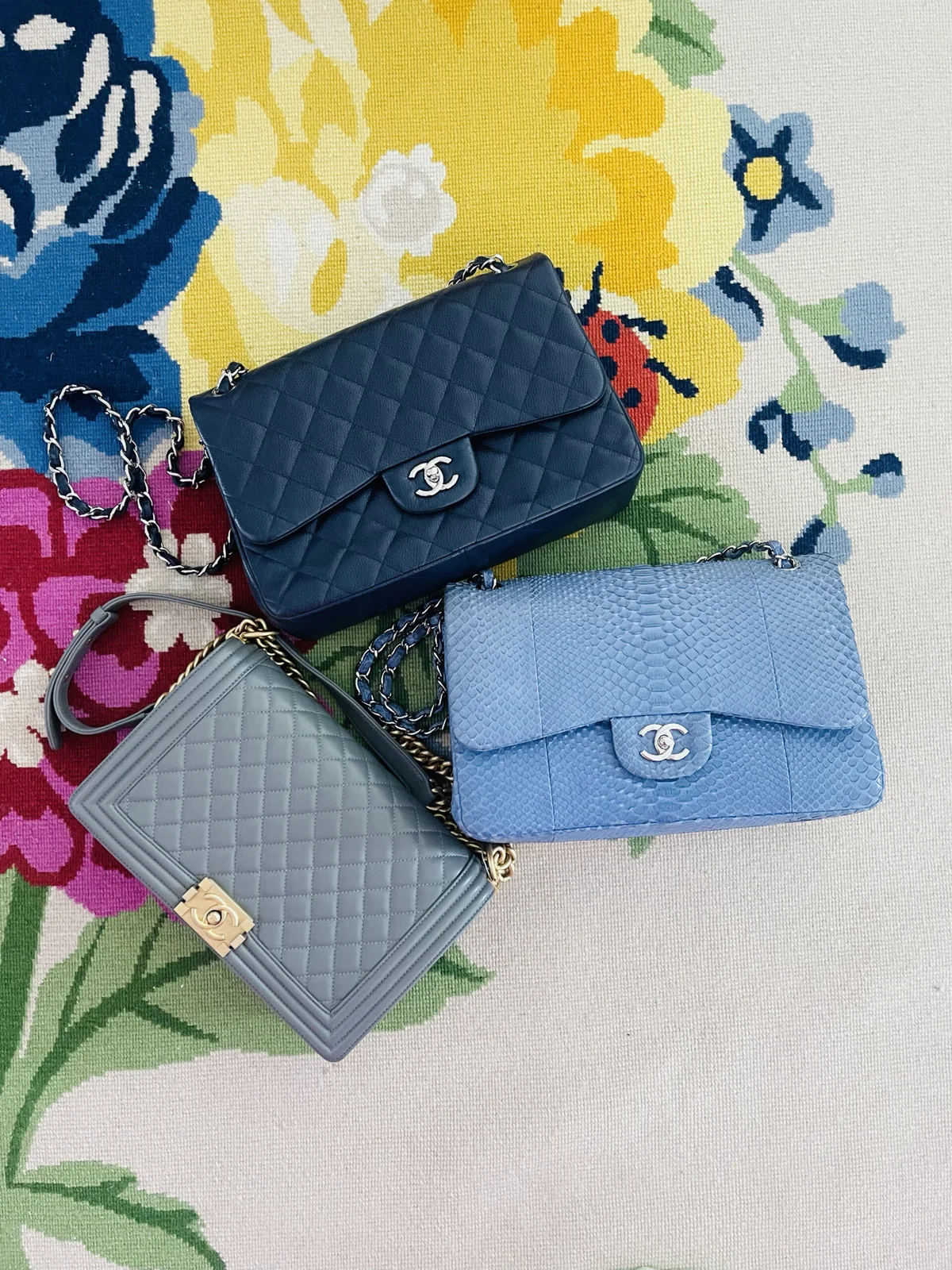
Not every “It bag” is an investment. Most aren’t. But a handful of names have proven, repeatedly, that they hold or grow in value over long periods.
Hermès Birkin and Kelly
These remain the benchmark. Hermès controls production so tightly that even loyal clients often can’t buy one outright in-store, which is exactly why the resale market exists in the first place. Resale prices on Birkins and Kelly bags routinely run 20% to 120% above original retail, with the spread driven by leather type, hardware, size, and color. Exotic skins in rare colorways, Vert Cypress or Rose Scheherazade among them, sit at the top of that range and have, at points, outperformed gold on a value-retention basis.
The extreme end of the market is instructive even if it’s not where most collectors will ever transact: a 25cm Himalayan Birkin with diamond hardware sold for more than $300,000 at Sotheby’s 2022 Hong Kong auction. Most Birkins will never touch that number, but it shows the ceiling exists and that serious money treats these bags as genuine collectibles, not accessories.
[Chanel Classic Flap](/buying-guides/vintage-chanel-finds-top-picks/)
The Chanel flap bag tells a different but equally compelling story. Chanel resale value has been propped up by a combination of scarcity engineering and consistent price increases, particularly on caviar leather Classic Flaps. Vintage pieces from the 1990s with 24k gold-plated hardware have nearly doubled in resale price over the past five years. Newer seasonal releases in tweed or velvet often sell out at retail and immediately command a premium on the secondary market.
What I’d flag for anyone new to this: not every Chanel bag is equal here. Trend-driven or heavily embellished limited editions can lose appeal fast once the season passes. It’s the Classic Flap and a small number of other archetypes, not the entire catalog, doing the heavy lifting on resale strength.
Select Louis Vuitton
Louis Vuitton is a more mixed bag, quite literally. [Monogram canvas](/brands/louis-vuitton-neverfull-insider-retail-story/) pieces produced in enormous volume, think entry-level totes and speedy bags, rarely appreciate and often sell for a fraction of retail secondhand. Where Louis Vuitton earns a spot on an investment list is with limited collaborations (Supreme, Yayoi Kusama, Murakami-era pieces) and discontinued exotic leather styles. Those hold value because the brand genuinely will not make more of them. Everything else should be bought for love of the bag, not for the resale spreadsheet.
Watches and Jewelry That Hold Their Value#
Handbags get most of the attention in fashion-investment conversations, but watches arguably have the longer, more data-rich track record.
Rolex
The Rolex Daytona and Submariner are the clearest examples of manufactured scarcity meeting real demand. Both carry multi-year waitlists at authorized dealers, and both routinely resell for 50% to 100% above retail in good condition. A stainless steel Daytona bought at boutique price can, in the right market conditions, be resold for close to double. The 2025 Geneva spring auctions underscored just how far this goes at the top end: a Rolex Daytona “Paul Newman John Player Special” sold for approximately $1.2 million.
Patek Philippe, Audemars Piguet, and Vacheron Constantin
The Patek Philippe Nautilus, Audemars Piguet Royal Oak, and Vacheron Constantin Overseas occupy a tier above Rolex in both price and exclusivity. Waitlists stretch for years, production numbers are tightly controlled, and horological pedigree adds a layer of collector demand that steel sports watches from newer brands simply can’t replicate. These are less liquid than Rolex, meaning fewer buyers at the ready, but the ceiling on appreciation is considerably higher.
Cartier and vintage revival pieces
Vintage Cartier Tank watches have seen a real resurgence, helped along by renewed interest in classic, understated design and a steady stream of celebrity attention. It’s a good reminder that watch investing isn’t only about waitlisted new releases, discontinued vintage models can quietly appreciate for years before the broader market catches on.
Jewelry: Van Cleef & Arpels and Cartier
Fine jewelry plays a different role in a collection than bags or watches. Precious metals and stones carry intrinsic material value that doesn’t disappear even if a design falls out of favor, which gives jewelry a natural floor that fashion accessories don’t have. Van Cleef & Arpels’ Alhambra collection and Cartier’s Love bracelet and Trinity lines are the standout examples of jewelry that behaves like a genuine asset: instantly recognizable, consistently in demand, and rarely discounted on the resale market. They won’t necessarily deliver the dramatic multiples a rare Birkin can, but they’re steadier, and that stability is exactly the point for a lot of collectors.
What Actually Drives Resale Value#
After watching enough of these markets move, the same handful of factors show up every time a piece appreciates:
- Rarity. Limited production runs, discontinued colors or materials, and brand-imposed scarcity (waitlists, quotas, invitation-only purchasing) are the single biggest driver.
- Condition. Corners, hardware, and leather integrity matter enormously on bags. A well-loved Birkin with visible corner wear can lose 20-30% of its resale potential compared to one in excellent condition.
- Materials. Exotic skins (crocodile, alligator, ostrich), precious metals, and gemstones hold value better than canvas, coated fabrics, or costume materials, because they carry worth independent of the brand.
- Waitlists and brand-imposed scarcity. If you can walk into a boutique and buy something on the spot, it’s far less likely to appreciate. The items that resell above retail are, almost without exception, the ones the brand makes deliberately hard to get.
- Provenance and documentation. Original receipts, boxes, dust bags, and authentication certificates measurably increase resale value and buyer confidence, particularly for watches and Hermès bags.
- Cultural relevance. Celebrity association, runway visibility, and social media moments can spike demand for a specific model, though this driver is the least reliable of the group since attention fades.
How to Buy Smart: Tips for New Collectors#
If you’re coming to this fresh, here’s the advice I’d give a friend before they spend real money on a “investment” piece:
Buy the icon, not the trend. A Birkin, a Chanel Classic Flap, a Rolex Submariner, these have decades of resale data behind them. A logo-heavy bag from last season’s runway does not, and probably never will.
Prioritize condition over discount. A heavily used bag at a steep markdown often costs more in the long run once you factor in refurbishment or the lower resale ceiling. Buy the best condition you can afford.
Get everything authenticated. Use reputable resale platforms or third-party authentication services before any high-value purchase. This is non-negotiable, especially with Hermès and Chanel, which are among the most counterfeited brands on earth.
Understand the premium you’re paying. Rare colors and exotic skins cost more upfront and can appreciate faster, but they’re also harder to resell quickly since the buyer pool is smaller. Decide whether you’re optimizing for maximum appreciation or for a piece you can liquidate easily if needed.
Keep the paperwork. Original boxes, receipts, dust bags, and warranty cards genuinely affect resale price. Don’t toss them.
Diversify across categories. A single rare handbag concentrates risk. Spreading a collection across a watch, a piece of fine jewelry, and a bag or two mirrors how you’d diversify any other portfolio.
Buy what you’d actually carry or wear. If the market shifts and resale value stalls, you should still be happy owning the piece. That’s the real hedge here.
The Risks and Downsides of Fashion Investing#
I’d be doing you a disservice if I only told you the upside, because there’s a meaningful downside to this market that doesn’t get enough attention.
Authentication risk is real and expensive. Counterfeits in the Hermès and Chanel resale market are sophisticated enough to fool inexperienced buyers, and even some sellers who don’t realize what they’ve been sold. A failed authentication after purchase can mean a total loss.
Liquidity is poor compared to traditional assets. Selling a stock takes seconds. Selling a Birkin at a fair price can take weeks or months, and you’ll typically need to go through a consignment platform or dealer that takes a commission, sometimes 15-25% of the sale price.
Trends shift, and not every “investment bag” ages well. Plenty of pieces that were hyped as future classics ten years ago now sell for a fraction of their original retail. Cultural relevance is fickle, and betting on the next big thing is speculation, not investment.
Condition-dependent value loss is steep. Unlike a stock certificate, a handbag or watch physically degrades with use. Scratches, patina, and wear can erase a significant chunk of resale value, and restoration isn’t always possible or advisable.
The market is largely unregulated. There’s no equivalent of audited financial statements here. Pricing is driven by platform data, auction results, and dealer sentiment, which means it can be manipulated or simply wrong, particularly on newer or thinner markets like emerging jewelry brands.
Storage and insurance carry real costs. Protecting a collection properly, climate control, security, insurance premiums, isn’t free, and those costs eat into any theoretical gains.
None of this means the category isn’t worth pursuing. It means it deserves the same scrutiny you’d apply to any illiquid, physically vulnerable asset, and a healthy dose of skepticism toward anyone selling the idea that every luxury purchase is an investment.
FAQ#
Is buying pre-loved luxury actually a good investment, or just a nice way to save money? Both, depending on what you buy. A small number of pieces (specific Birkin and Kelly configurations, Chanel Classic Flaps, certain Rolex and Patek Philippe models) have strong, documented histories of appreciation. Most designer items, even expensive ones, simply depreciate more slowly than average rather than gaining value. Go in with realistic expectations.
What’s the safest entry point for a first-time collector? A Chanel Classic Flap in caviar leather or an entry-level Rolex (Datejust or Submariner) tend to be the most liquid, well-documented starting points. They’re easier to authenticate, easier to resell, and the resale data is well established.
Do Hermès Birkin bags always appreciate? No. Common colors in standard leathers (Togo, Epsom) generally hold value well but don’t necessarily beat retail by much. It’s the rare skins, discontinued colors, and special hardware that see the dramatic appreciation you read about in auction headlines.
How much does condition really affect resale value? Significantly. Corner wear, hardware tarnish, and interior staining on bags, or scratches and box/paper completeness on watches, can shift resale value by 20% or more. Buy in the best condition your budget allows.
Where should I buy pre-loved luxury safely? Reputable consignment platforms with in-house authentication, established auction houses, or specialist resellers with a verifiable track record. Avoid unauthenticated marketplace listings for anything above a few hundred dollars unless you have the expertise to authenticate it yourself.
Is jewelry a better investment than handbags or watches? It’s a different kind of investment. Fine jewelry from houses like Van Cleef & Arpels or Cartier has a value floor thanks to precious metal and gemstone content, so it’s generally more stable, though it rarely delivers the dramatic upside of a rare handbag or watch.
How long should I plan to hold a piece before expecting a return? Think in years, not months. Most appreciation in this market happens gradually, driven by discontinuation, rising retail prices, and growing scarcity over time. Treat anything you buy as a multi-year hold, not a quick flip.
Related Articles#
- Sell Designer Handbags in 2025: Maximize Your Payout
- How Pre-Owned Luxury Fashion Is Reshaping the Industry
- How to Sell Luxury Items Online: The Luxury Closet Guide
- Designer Handbag Trends 2025: What’s Actually Worth Buying
- Best It Bags to Buy This Year: A Definitive Guide

Keyword index