Introduction: When Fashion Meets the Kitchen#
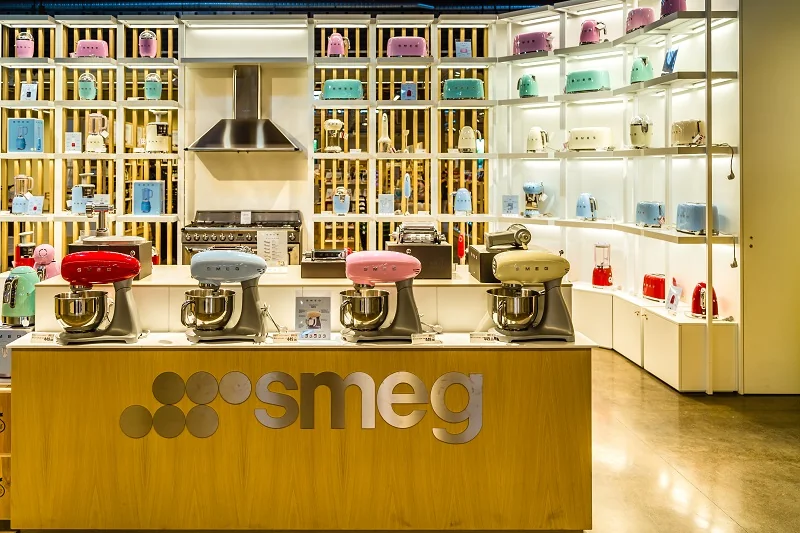
Smeg has spent over seven decades proving that a kitchen appliance doesn’t have to disappear into the background. Founded in 1948 by Vittorio Bertazzoni Sr., the Italian brand built its reputation on retro-inflected design, glossy colorways, and a refusal to treat functionality and beauty as competing priorities. Long before “kitchen as showpiece” became a design trend, Smeg was already making refrigerators that looked more like furniture than utilities.
That design philosophy is exactly why its partnership with Dolce & Gabbana works as well as it does. This isn’t a case of a fashion house slapping a logo on a household object. The Smeg Dolce Gabbana collection is a genuine collaboration between two Italian houses that both trade in craftsmanship, heritage, and a certain theatrical excess. For collectors and design enthusiasts, that combination has turned a handful of kitchen appliances into some of the more unusual entries in the world of collectible luxury objects, sitting somewhere between home decor and fine art.
Sicily Is My Love: The Collaboration Begins#
The partnership didn’t start with toasters and blenders. It started in 2016 with something far more ambitious: 100 hand-painted refrigerators, each one produced as a limited run and treated as a canvas rather than an appliance. That release set the tone for everything that followed and established the collaboration as a serious design project rather than a marketing exercise.
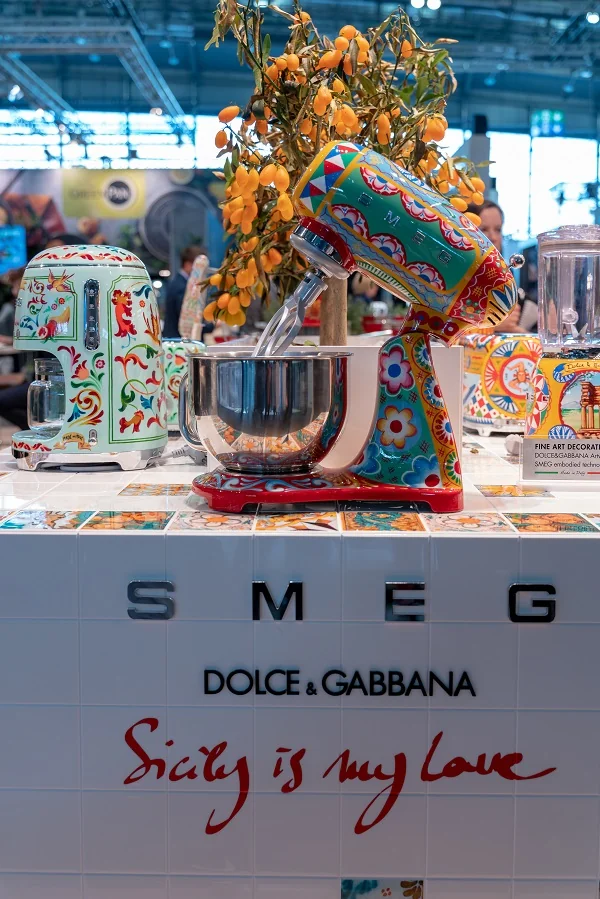
A year later, in 2017, Smeg and Dolce & Gabbana expanded the idea into a full collection called Sicily Is My Love. The name is literal. Domenico Dolce and Stefano Gabbana have long treated Sicily as their primary well of inspiration, and this collection translated that devotion into small household appliances: toasters, blenders, juicers, and kettles decorated with lemons, pears, cherries, citrus branches, and other motifs pulled straight from Sicilian folk art and produce markets.
What separates this from typical co-branded merchandise is the production method. Each piece in the Sicily Is My Love Smeg range was decorated by hand by Sicilian artisans, which means no two pieces are ever perfectly identical and output was naturally limited. That’s a meaningful detail for anyone evaluating these as collectible items later on, since hand-finishing is one of the clearest markers separating this collaboration from a printed or transferred design.
Divina Cucina: A Deeper Homage to Sicily#
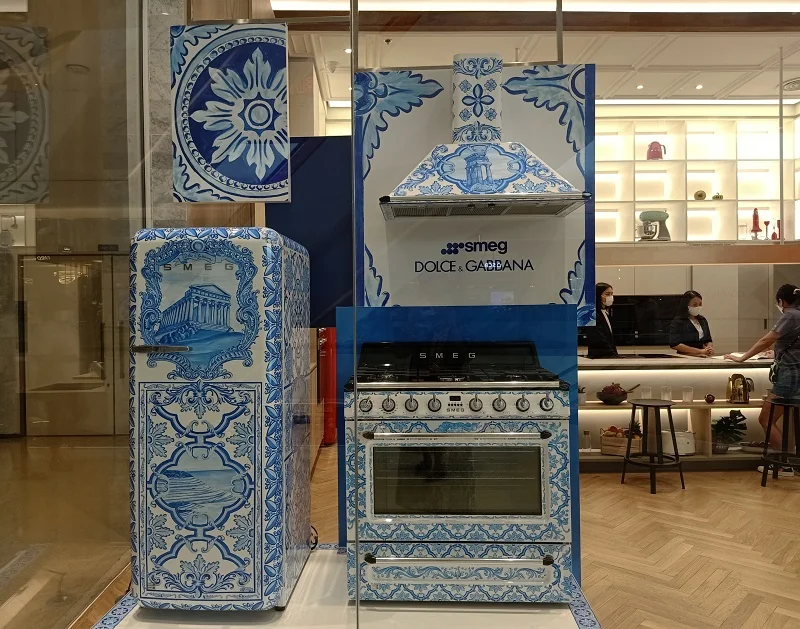
The follow-up collection, Divina Cucina, translates to “divine kitchen,” and it pushed the collaboration further in scope and ambition rather than simply repeating the formula. Divina Cucina Smeg pieces split into two distinct design lines, each pulling from a different corner of Sicilian visual culture:
- A line inspired by Sicilian puppet theatre and traditional Sicilian carts, built around a red and orange palette
- A Mediterranean Maiolica ceramics line, rendered in blue and white and closer in feeling to traditional Sicilian pottery
Beyond the new color stories, Divina Cucina also expanded the product range into categories the first collection never touched: a cooker hood, a dedicated FAB28 fridge, and a freestanding kitchen set. That expansion matters for two reasons. First, it signaled that Smeg and Dolce & Gabbana saw enough demand to justify tooling for entirely new categories rather than just decorating existing product lines. Second, it means the pool of Dolce Gabbana kitchen appliances worth tracking as a collector has grown wider and more varied over time, which affects both availability and pricing depending on which piece you’re after.
Craftsmanship and Cultural Symbolism#
What holds this entire collaboration together isn’t the Smeg name or the D&G branding, it’s the artisanal process behind each piece. These appliances are hand-painted by Sicilian craftspeople using techniques and motifs drawn from centuries of regional folk art: carretto siciliano imagery, puppet theatre figures, Maiolica ceramic patterning, and the citrus and produce iconography that shows up throughout Dolce & Gabbana’s runway work as well.
That’s the detail worth sitting with if you’re considering one of these pieces as more than a novelty. A printed pattern applied at scale is a very different object than a design built by hand, brushstroke by brushstroke, on a curved metal surface. It’s also why condition matters so much with these pieces in a way it simply doesn’t with a standard stainless steel appliance — more on that below.
I’ll also be honest about where the symbolism outpaces the object. These are still, at the end of the day, functioning kitchen appliances. The toaster toasts, the blender blends, the fridge cools. Buyers expecting museum-piece treatment or gallery-level presentation should recalibrate: this is decorative maximalism applied to household hardware, not fine art in the traditional sense. That’s part of the charm, but it’s worth naming plainly rather than overselling it.
Collectability and Investment Value#
This is where I’ll give you the honest version rather than the marketing version. The Smeg Dolce Gabbana collection has real collectible merit, but it’s a narrower, more specific kind of investment than, say, a Hermès Birkin or a Rolex.
What works in its favor:
- Limited production, especially the original 100 hand-painted refrigerators and early Sicily Is My Love pieces, which are no longer in production and increasingly hard to source in good condition
- Hand-applied decoration, which makes every piece slightly unique and impossible to reproduce identically at scale
- Two culturally distinct, well-documented design eras (Sicily Is My Love and Divina Cucina), which gives collectors a clear timeline and taxonomy to collect around, similar to how watch or handbag collectors track reference numbers and production years
- Crossover appeal between fashion collectors and design/home enthusiasts, which widens the buyer pool
What tempers that enthusiasm:
- These are still appliances, not jewelry or handbags, and the secondary market is thinner and less liquid. You won’t find the same depth of resale infrastructure, authentication services, or price transparency that exists for designer bags or watches
- Functional wear matters. A scratched or chipped hand-painted surface loses value fast, and these objects get handled and used, unlike a piece kept in a display case
- Shipping and storage are genuinely harder with a refrigerator or cooker hood than with a handbag, which limits the buyer pool to those with the space and logistics tolerance for it
My honest take: treat these as collectible design objects with genuine scarcity value, not as a guaranteed appreciating asset. The rarest, best-condition, earliest pieces (particularly the hand-painted fridges and early Sicily Is My Love appliances) are the ones most likely to hold or grow in value. Later or more widely produced Divina Cucina pieces are lovely design objects but shouldn’t be bought purely with resale math in mind.
Where to Find and Buy These Pieces Today#
Because both collections are discontinued, sourcing an authentic piece today means working almost entirely through the resale and [[[pre-owned luxury](/buying-guides/designer-beachwear-buying-guide/)](/buying-guides/best-pre-owned-luxury-watch-brands/)](/buying-guides/best-luxury-casualwear-brands-effortless-style-2025/) market rather than retail. A few things I’d tell any collector before buying:
Verify the artisanal detail, not just the branding. Hand-painted pieces will show slight brushstroke variation and texture up close. A design that looks perfectly uniform, overly flat, or printed rather than layered is worth questioning, especially on pieces claiming to be from the original Sicily Is My Love run or the 100-piece hand-painted fridge release.
Check condition on functional parts, not just cosmetic ones. Ask specifically about the compressor and cooling function on any refrigerator, the motor and blade assembly on blenders, and heating elements on toasters and kettles. A beautiful exterior on a non-functioning appliance is a decorative object at best, and should be priced accordingly.
Confirm which collection and line you’re actually buying. Sicily Is My Love, and the two Divina Cucina lines (puppet theatre/cart versus Maiolica ceramics), have different visual signatures, different production years, and different rarity levels. Sellers don’t always label this correctly, so cross-reference the motifs and colorway against the collection’s known design language before paying a premium for rarity that may not apply.
Ask for provenance and original packaging where possible. Original boxes, certificates, or documentation help both with authentication and with any future resale, the same way box and papers matter in the watch and handbag market.
Buy from platforms with authentication standards for pre-owned luxury home goods, such as The Luxury Closet, rather than unverified marketplace listings, particularly for higher-value pieces like the FAB28 fridge or the artist-collaboration refrigerators.
If you’re weighing this purchase primarily as an investment, focus your budget on the earliest, rarest, best-documented pieces rather than the most decorative one in front of you. If you’re buying because you genuinely want a striking, hand-painted piece of Sicilian craft doing double duty as kitchen hardware, either collection will deliver on that promise, just go in with realistic expectations about resale liquidity and the practical demands of owning a hand-painted appliance day to day.
Related Articles#
- How to Sell Luxury Items Online: The Luxury Closet Guide
- How Pre-Owned Luxury Fashion Is Reshaping the Industry
- Best It Bags to Buy This Year: A Definitive Guide
- Best Designer Handbag Brands Worth the Investment 2025
- Luxury Fashion Investment: Why Pre-Loved Pays Off


Keyword index