Introduction #
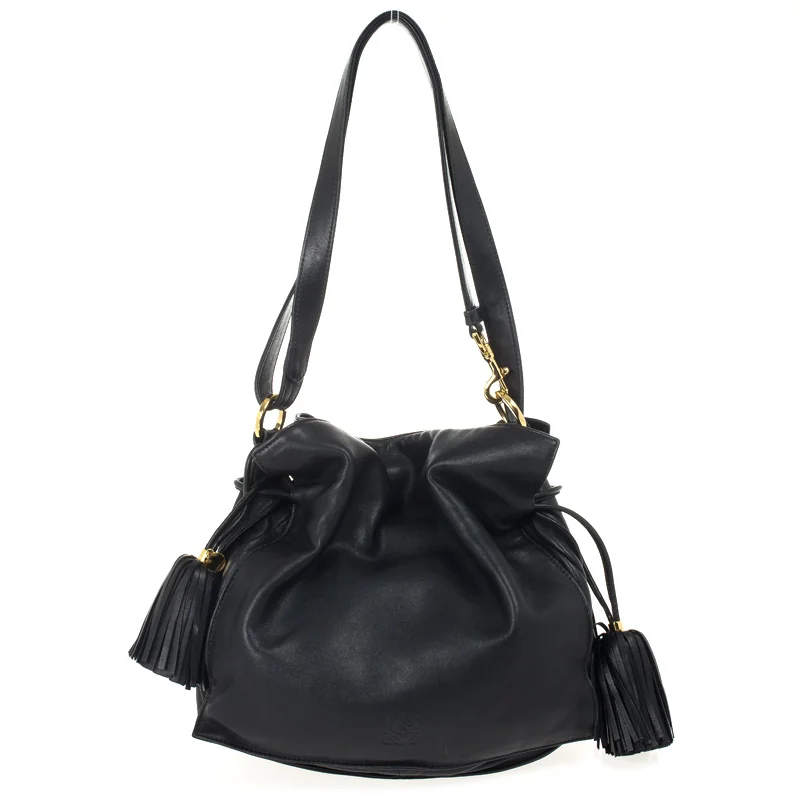
Ask ten handbag collectors to name their favorite Spanish leather house and most will draw a blank past Loewe’s logo. That’s a shame, because Loewe has been quietly perfecting calfskin for longer than most “It girl” brands have existed. The house doesn’t chase hype the way some contemporaries do, which is exactly why its bags tend to fly under the radar of counterfeiters, resale flippers, and casual shoppers alike. That obscurity is part of the appeal.
The bag putting Loewe back on more radars lately is the Flamenco 30. It’s a soft, slouchy hobo with a tassel-and-knot closure that reads more “well-traveled art collector” than “logo chaser.” If you’re weighing it against a Kelly, a Birkin, or a Bottega pouch, this guide covers what actually matters: the house’s craft heritage, the Flamenco’s construction, how to spot a fake, and whether the price tag holds up over time.
The House of Loewe: Heritage and Craftsmanship #
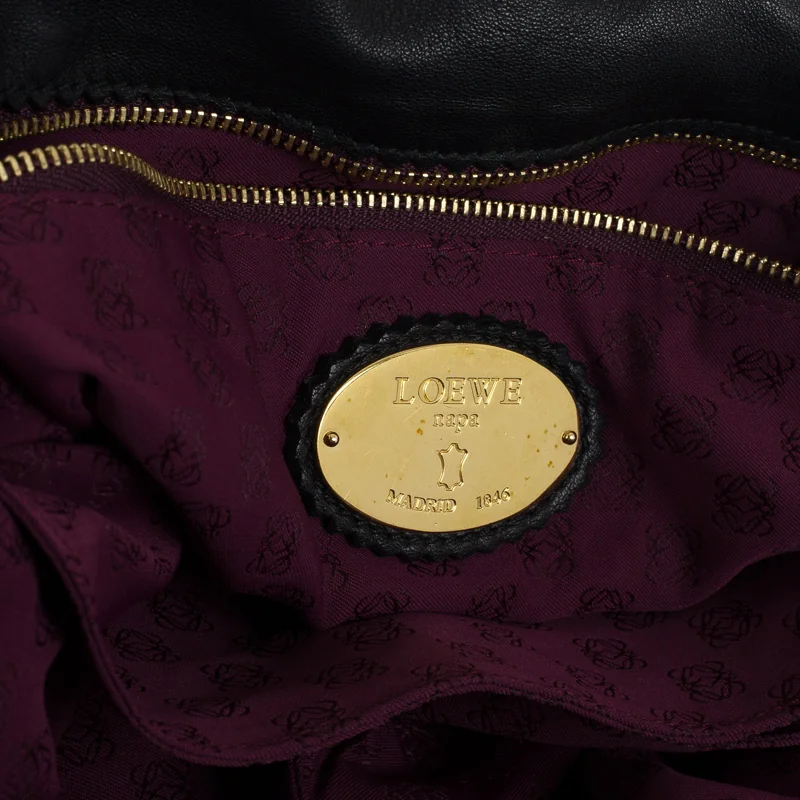
Loewe’s story starts in Madrid in 1846, when a collective of Spanish leather artisans banded together in a small workshop. Enrique Loewe Roessberg, a German craftsman, joined the group in the 1870s and eventually put his name on the door. By the early 20th century, the house had earned an official warrant as leather supplier to the Spanish royal court, a title that still shapes how the brand talks about itself today.
That royal contract wasn’t a marketing footnote, it was a technical bar. Supplying court clients meant Loewe’s tanneries and workshops had to produce leather goods that held up to daily wear at the highest social register, which pushed the house toward the tight, hand-finished stitching and vegetable-tanned calfskin it’s still known for. When LVMH acquired Loewe in 1996, the group largely preserved the Spanish leather-working DNA rather than flattening it into a generic house style, and under creative director [Jonathan Anderson](/brands/jw-anderson-pierce-bag-dark-green-suede-sold-out/) (2013–2025) the brand leaned into that heritage rather than away from it, pairing traditional leatherwork with sculptural, art-adjacent silhouettes.
The upshot for buyers: Loewe’s craftsmanship reputation is earned in the tannery, not just the ad campaign. That matters when you’re deciding whether a $3,000 hobo bag is actually worth the leather it’s cut from.
Spotlight: The Loewe Flamenco 30 #
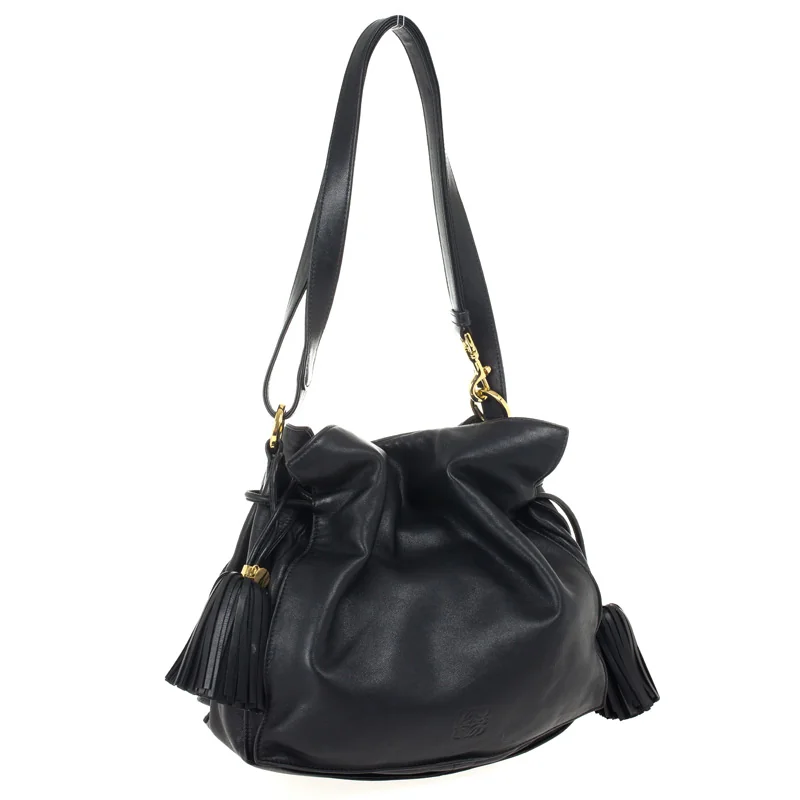
The Flamenco is Loewe’s answer to the slouchy, no-structure hobo, and the 30 designation refers to its width in centimeters, roughly 30cm across, with a depth and height that keep it compact enough for daily carry without feeling like a mini bag. It sits comfortably as a shoulder or crossbody piece depending on how you adjust the strap.
The defining material is Loewe’s satin or grained calfskin, which has a soft, almost buttery hand-feel straight out of the box, a noticeably different texture from the stiffer, structured leathers used on brands like Hermès or Chanel. That softness is intentional: the Flamenco is built to slouch and drape, not hold a rigid shape. The signature closure is a leather knot-and-tassel that cinches the top opening, which is both the bag’s most photographed detail and its main functional quirk (more on that below).
Inside, Loewe lines the Flamenco in a canvas fabric rather than the smooth microfiber or suede linings you’ll find in some competitor houses. It’s a practical choice, canvas resists scuffing from keys and cosmetics better than suede, and it makes the interior easier to spot-clean. The bag typically comes with a single interior slip pocket, sometimes a zip pocket, and no elaborate compartmentalization, which is consistent with its hobo-bag identity. This isn’t an organized-interior bag; it’s a toss-your-essentials-in bag.
Available leather finishes have included smooth calfskin, grained calfskin, and occasional suede or exotic-adjacent textures in limited runs, with colorways rotating seasonally, classic neutrals like tan, black, and cognac stay in near-permanent rotation, while brighter greens, blues, and reds tend to be seasonal drops that resell at a premium once discontinued.
Styling and Everyday Versatility #
The Flamenco’s slouch is its biggest styling asset. Structured bags like a Kelly or a Lady Dior tend to dress an outfit up whether you want them to or not; the Flamenco does the opposite; it dials things down. Worn crossbody with jeans and a blazer, it reads effortless rather than “trying.” Worn on the shoulder with tailoring, it still looks put-together without competing with a sharper outfit.
Where it earns its keep is transitional dressing, the days where you’re going from a coffee meeting to errands to dinner without a bag change. The 30cm size holds a phone, wallet, sunglasses case, and a light layer, comfortably, without bulking out. I’ve found it’s the bag I reach for on travel days specifically because the soft leather forgives being stuffed into an overhead bin or shoved under a train seat in a way a boxier bag doesn’t.
The one styling caveat: because there’s no rigid frame, the Flamenco can look a little deflated when it’s underfilled. It photographs and wears best with enough inside it to hold a gentle round shape, not stuffed flat.
How to Authenticate a Loewe Flamenco #
Loewe counterfeits are less common than Hermès or Chanel fakes, but they exist, and the Flamenco’s simple silhouette actually makes it an easier target for sloppy replicas since there’s less hardware complexity to get wrong. A few checkpoints worth knowing:
Stitching. Authentic Loewe stitching is dense, even, and slightly recessed into the leather rather than sitting on top of it. Count stitches per inch if you can, authentic pieces run tighter and more consistent than most superfakes bother to replicate, especially around the knot closure and strap tabs.
Hardware stamps. Check the interior stamp or engraved plate for font weight and spacing. Loewe’s logo stamping should be crisp with no blurring, uneven depth, or letters that lean. A shallow, inconsistent stamp is one of the most common tells on fakes.
Leather grain. Genuine calfskin has a natural, slightly irregular grain pattern that varies subtly across the panel. Fakes often use a uniform, machine-embossed texture that repeats in an obvious pattern if you look closely at a wider surface like the front panel.
Interior lining. The canvas lining should feel like a tightly woven cotton-blend fabric, not a flimsy polyester. Loose threads, a plasticky sheen, or a printed-on texture instead of woven fabric are red flags.
Knot closure hardware and proportion. The tassel and knot should hang with real weight and drape, not stiffly. Cheap replicas use lighter, hollow-feeling leather cord for the tassel that doesn’t move the same way.
Buy from vetted sources. Because Loewe doesn’t have Hermès-level resale documentation culture, always buy from authenticated resellers (The RealReal, Vestiaire with authentication guarantee, Fashionphile) or Loewe boutiques directly rather than marketplace listings with stock photos.
Price and Value: Is the Flamenco Worth It? #
At retail, the Flamenco 30 generally sits in the $2,700–$3,300 range depending on leather and colorway, with exotic or limited finishes running higher. That places it below entry Chanel flap pricing and well below a Kelly 25, but above most contemporary designer hobos. It’s available through Loewe boutiques and Loewe.com, as well as at Net-a-Porter, Neiman Marcus, and Nordstrom for domestic buyers who want a return policy safety net.
Resale is where the honest downside shows up. The Flamenco doesn’t hold value the way an Hermès bag does. Depending on colorway and condition, expect resale offers in the 40-55% of retail range for classic neutrals in excellent condition, with seasonal colorways sometimes dipping lower unless they’ve become genuinely sought-after. Compare that to a Kelly, which frequently resells at or above retail, and the Flamenco is clearly a “buy to use” bag rather than a “buy to invest” one.
Where the value case holds up is cost-per-wear. If you’re using it two or three times a week across several years, the buttery calfskin ages well with basic care, and the understated design doesn’t date the way logo-driven bags can. It’s a rational buy for someone who wants genuine leather quality and craftsmanship pedigree without spending Hermès or Chanel money, but it’s not the pick if resale value is your primary decision factor.
Design Details: The Iconic Knot Closure #
The knot-and-tassel closure is the Flamenco’s signature, and it’s a double-edged design choice worth understanding before you buy. Aesthetically, it’s the detail that makes the bag instantly recognizable, a leather cord threads through the top opening and cinches with a tasseled knot, giving the bag its name (a nod to the fluid movement of flamenco dance).
Functionally, it’s less convenient than a zipper. Tying and untying the knot multiple times a day gets old fast if you’re someone who’s constantly in and out of your bag, and the top isn’t fully secure the way a zip-top would be, so it’s not the ideal choice for crowded transit or festival use where security matters. Over time, repeated tying can also cause slight wear at the knot’s pressure points, so it’s worth inspecting that area on any pre-owned Flamenco for cracking or thinning leather before buying secondhand.
It’s a design that rewards people who value the ritual and look of it over pure convenience. If you want grab-and-go security, this isn’t that bag.
FAQ #
What sizes does the Flamenco come in? The Flamenco is most commonly found in a 30 and a smaller size sometimes labeled 26 or “clutch.” The 30 is the everyday-practical option; smaller sizes trade capacity for a more evening-appropriate scale.
How much does the Loewe Flamenco weigh? Empty, the Flamenco 30 is light for its size, thanks to the soft, unstructured leather and minimal hardware, generally lighter on the shoulder than comparably sized structured bags like a Kelly or a Chanel flap.
How do I clean and care for the leather? Stick to a leather-specific cleaner and conditioner, avoid saturating the calfskin, and store the bag stuffed lightly to hold its shape when not in use, since unstructured leather is more prone to permanent creasing than boxier styles. Keep it away from prolonged direct sun, which can shift lighter colorways.
How does the Flamenco compare to an [Hermès Kelly](/buying-guides/iconic-bags-named-after-famous-women/)? They’re not really competitors. The Kelly is structured, iconic, and resale-strong; the Flamenco is soft, understated, and depreciates like most designer bags. Buy the Kelly for investment and legacy, buy the Flamenco for a genuinely well-made, less conspicuous daily bag at a lower entry price.
Is the Flamenco discontinued or still in production? It has stayed in Loewe’s core lineup for years with rotating seasonal colorways, though specific leather finishes and limited colors do get discontinued, which is part of why certain pre-owned colorways command a premium.
Where’s the safest place to buy one, new or used? New, buy direct from Loewe or an authorized retailer. Used, stick to platforms with in-house authentication services rather than open marketplaces, and ask for close-up photos of the interior stamp, stitching, and lining before purchasing.
Related Articles #
- Hermès Kelly Clutch: Smartest Entry Into Luxury Bags
- Why the Chanel Crossbody Bag Never Goes Out of Style
- How to Style a Chanel Classic Flap Bag for Any Outfit
- Gucci Ophidia Shoulder Bag Review: Bag of the Week
- Chanel Handbag Prices: Iconic Styles & What They Cost
Related guides
- Online Bag Authentication: What Photos Can and Cannot Prove
- Blue Crocodile Lady Dior Tote: Buying Guide
- Chanel Vintage Flap Bag Buying Guide: Navy Lambskin
- Louis Vuitton Palm Spring Backpack: Complete Buyer's Guide
- How to Buy an Authentic Luxury Bag from China Safely
- New vs Pre-Owned Luxury Bags: Which Route Is Right for You?
- Chanel Bag Guide: What to Know Before You Buy
- Luxury Bag Houses


Keyword index