Introduction #
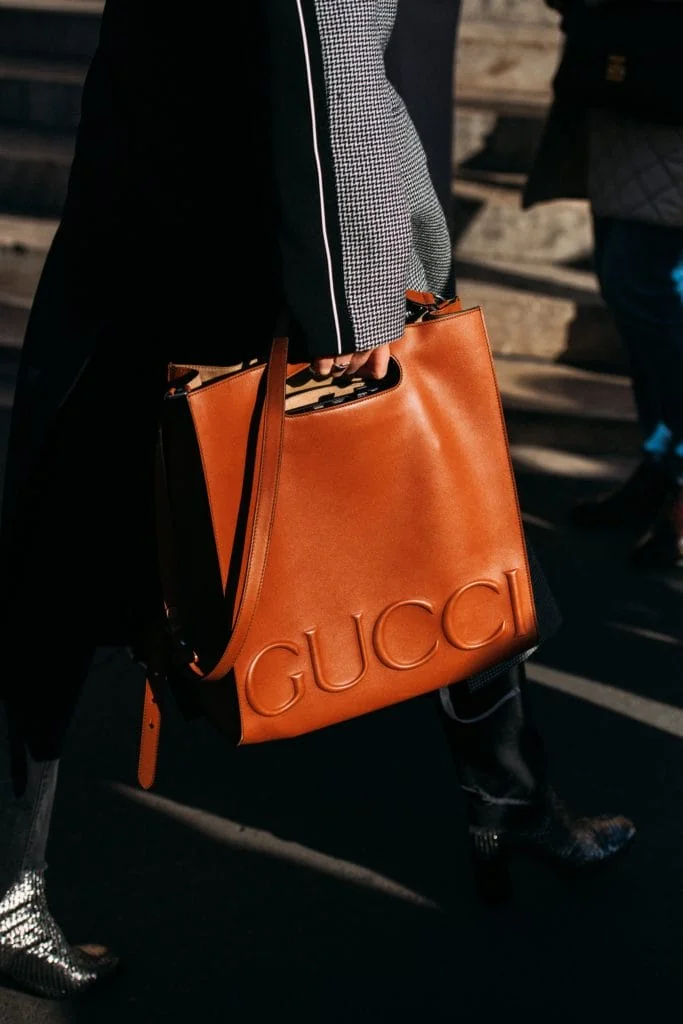
Farfetch is bringing its Second Life trade-in service to the Middle East, and it’s doing so through a partnership with The Luxury Closet, the region’s largest [pre-owned luxury marketplace](/services/sell-luxury-items-online-luxury-closet-guide/). Announced in Dubai on October 6, 2021, the tie-up gives shoppers in the UAE, Kuwait, and Saudi Arabia a formal channel to hand over [designer handbags](/brands/top-tory-burch-handbags/) they no longer wear in exchange for credit toward future Farfetch orders.
This isn’t a minor regional experiment. Farfetch (NYSE: FTCH) has been rolling out Second Life across Europe and the US for a few years now, and the Middle East launch signals that the company sees enough demand here to justify a dedicated local partner rather than a bolt-on service. For The Luxury Closet, it’s a validation of the authentication and logistics infrastructure it has spent years building in a market that still leans heavily on informal resale channels.
How Farfetch Second Life Works #
The mechanics are straightforward, at least on paper. A customer submits a designer handbag, The Luxury Closet’s authentication team inspects and grades it, and the customer receives credit that can be applied to a future purchase on Farfetch. No cash changes hands, and there’s no option to simply sell the bag for money outside the Farfetch ecosystem.
That distinction matters. Trade-in credit programs like this one are built to keep spending inside the platform, which is a fair trade for convenience but not necessarily the best deal if you’re purely trying to maximize resale value. Consignment through a marketplace, where you sell directly to another buyer, will typically net more than a trade-in credit, because credit-based programs price in the retailer’s margin and the risk of the item not moving quickly. What you’re paying for here is simplicity: no listing photos, no negotiating with strangers, no waiting on a buyer to commit.
The authentication step is where The Luxury Closet’s scale actually shows up. Every bag that arrives goes through a dedicated processing center in Dubai staffed by a team of authentication specialists before it’s approved for credit or resale. For a region where counterfeit volume has historically been a real problem, that vetting layer is arguably the most valuable part of the program, more than the credit itself.
Where the Program Is Rolling Out #
The initial Middle East markets are the UAE, Kuwait, and Saudi Arabia, the three countries where luxury spending in the region is most concentrated and where Farfetch already has an established customer base. This follows the same playbook Farfetch used when it first launched Second Life in Europe and later expanded to the United States, testing the model in mature luxury markets before extending it further.
It’s worth noting the sequencing here. Farfetch didn’t launch Second Life simultaneously worldwide, it built out the service market by market, which suggests the company is treating trade-in infrastructure as something that needs local partners who understand regional buying habits, shipping logistics, and authentication standards, rather than a one-size-fits-all global rollout. Partnering with The Luxury Closet, which already operates at scale across five countries with a team of more than 200 people and close to a million monthly site visitors, gives Farfetch a shortcut into a market it likely couldn’t have entered as smoothly on its own.
Why Resale Is Reshaping Luxury Retail #
The sustainability argument behind this launch isn’t just marketing language, even if it can sound that way in a press release. Kunal Kapoor, CEO and Founder of The Luxury Closet, framed the shift in fairly stark terms: “Resale is the future of shopping. We expect one in six transactions to be pre-owned by the end of the decade. This marks a paradigm shift in consumer choice and the value chain of the fashion and retail industry. What we are excited about most is leading the industry to a more sustainable and environmentally friendly future.”
That one-in-six projection is aggressive, but it’s not detached from what’s actually happening in consumer behavior. Post-pandemic shoppers have become noticeably more comfortable with the idea that owning something new isn’t the only, or even the best, way to acquire it. Environmental impact has moved from a niche concern to a factor that actively shows up in purchase decisions, especially among younger luxury buyers who grew up with resale platforms as a normal part of shopping rather than a discount-bin afterthought.
What’s changing is the definition of ownership itself. A handbag is increasingly treated less like a permanent possession and more like an asset that gets used, then recirculated, whether that’s through a program like this one or a straightforward resale marketplace.
The Bigger Industry Picture #
Farfetch and The Luxury Closet are far from alone in making this move, and that’s the more telling part of the story. Gucci partnered with The RealReal to formalize its own resale channel. Richemont acquired Watchfinder, a UK-based watch reseller generating more than $150 million in revenue. Neiman Marcus took a minority stake in Fashionphile, the handbag resale platform doing roughly $200 million in revenue. Burberry struck its own partnership with The RealReal, and Ralph Lauren linked up with Depop to reach a younger resale-native audience. Even Lululemon has been testing store-credit trade-ins for gently used items, which shows the model isn’t confined to leather goods and watches.
Read together, these moves aren’t isolated PR plays, they’re a coordinated bet by major fashion groups that pre-owned is becoming a permanent, profitable segment of the business rather than a threat to full-price sales. The brands that got ahead of it early, Gucci and Richemont in particular, are now positioned as the ones defining how resale integrates with primary retail, instead of reacting to third-party platforms doing it without them.
What This Means for Consumers and Collectors #
If you’re in the UAE, Kuwait, or Saudi Arabia and have handbags sitting unused, this program is worth considering, but go in with realistic expectations. The credit you receive will almost certainly be lower than what you’d get selling the same bag through a straight consignment listing, because you’re trading value for convenience and a guaranteed authentication process. If maximizing what you get back matters more than speed, it’s worth comparing what The Luxury Closet would offer on outright consignment versus what Second Life credit comes out to before deciding.
For collectors, the more interesting signal is what this launch says about liquidity in the regional market. A functioning trade-in and resale infrastructure, backed by a platform with Farfetch’s reach, makes it easier to treat certain handbags, the ones with genuinely strong resale histories like Hermès Birkins or Chanel classic flaps, as assets you can actually exit when you want to, not just accumulate. That’s a meaningful shift for a region where formal resale channels have lagged behind Europe and the US.
And for anyone buying pre-owned rather than trading in, the authentication layer this partnership brings is the real value-add. A trade-in program is only as trustworthy as the vetting behind it, and The Luxury Closet’s scale in the region is a stronger guarantee than most informal resale channels can offer.
Related Articles #
- Farfetch Second Life Middle East: Luxury Resale Arrives
- How Pre-Owned Luxury Fashion Is Reshaping the Industry
- Why the Chanel Crossbody Bag Never Goes Out of Style
- Selling With The Luxury Closet: How It Really Works


Keyword index