Introduction: What Makes a Sneaker Truly Comfortable in 2026 #
Comfort used to mean one thing: a soft, forgiving sole you could wear to the gym and, at a stretch, to brunch. That definition doesn’t hold up anymore. The women shopping for sneakers in 2026 are juggling client meetings, transatlantic flights, 15,000-step days, and a wardrobe that still needs to look considered. Comfort now has to coexist with fit engineered for a woman’s foot, materials that hold up to daily wear, and, increasingly, a design worth photographing.
This shift is also why the old “just buy Hoka” advice falls short. Comfort isn’t one shoe, it’s a category problem. A nurse standing for twelve hours needs something structurally different from a frequent flyer managing swelling on a long-haul, and both need something different again from someone shopping a designer sneaker as a long-term wardrobe investment. So rather than ranking fifteen individual sneakers, this guide is organized by why you’re buying: all-day wear and travel, medical-adjacent foot health, luxury investment pieces, and the trend everyone’s suddenly wearing, the sneakerina. Find your category first, then the shoe.
What’s New in Women’s Sneakers in 2026 #
Two things have genuinely changed the comfort conversation this year, and neither is a gimmick.
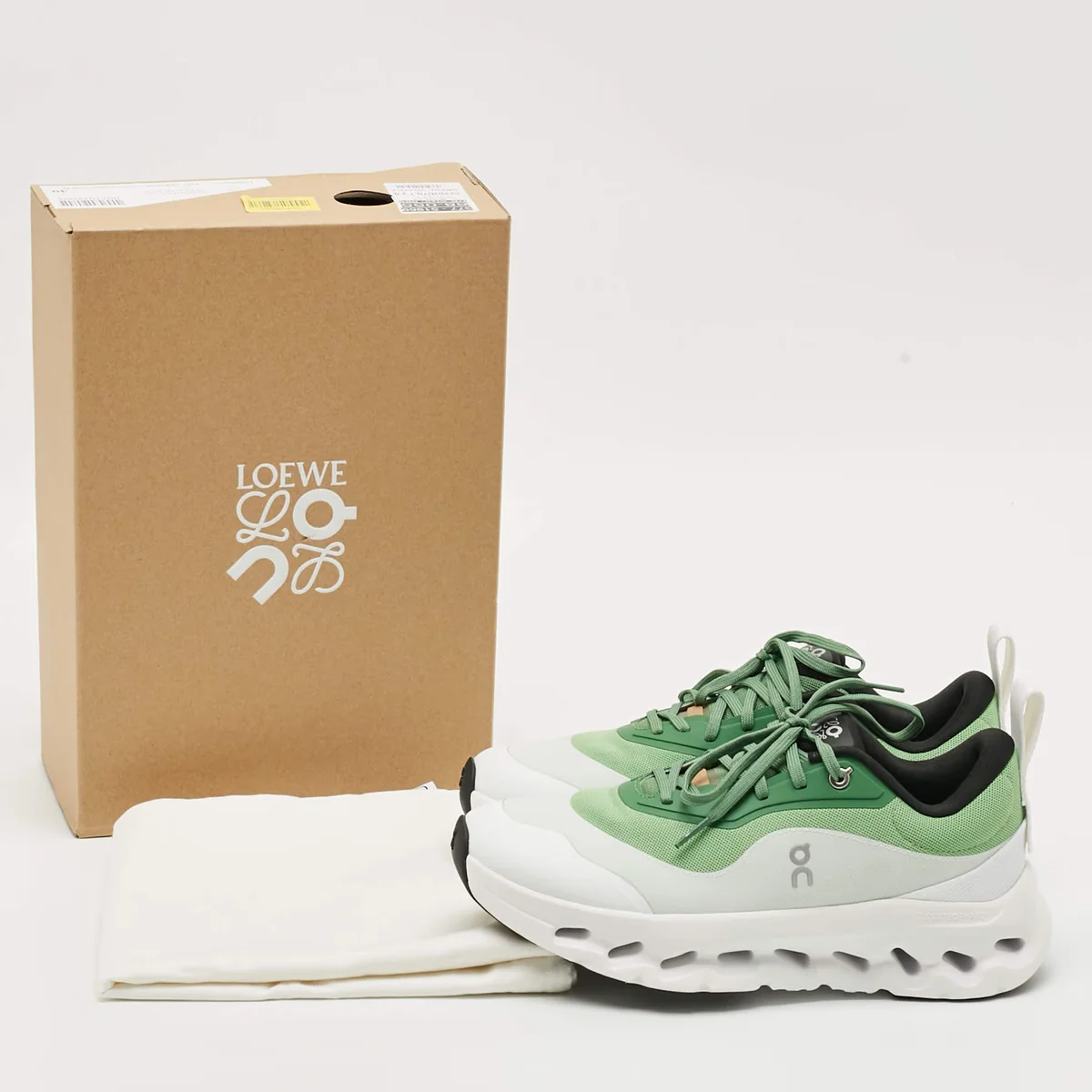
The first is that performance-comfort brands have finished their crossover into everyday luxury territory. Hoka and On Running, both originally built for runners and ultramarathoners, are now sitting in the same wardrobe rotation as Chanel flats and Hermès sandals. That’s not hyperbole; it’s a reflection of how seriously style-conscious women are now prioritizing foot health without wanting to look like they’re commuting to a treadmill. On Running’s collaboration with Loewe is the clearest signal of this: a performance shoe reworked with a fashion house’s materials and proportions, sold and styled as a genuine luxury item, not a novelty crossover.
The second, and arguably the bigger story, is the sneakerina. It’s the ballet-flat-sneaker hybrid that’s moved from a niche runway idea into the most requested comfort shoe of the year. We’ll go deep on it further down, but the short version: it solves the “sneakers look too casual for this outfit” problem that’s plagued style-conscious women for years.
What’s died, finally, is the idea that you have to trade one for the other. The best releases this year, across price points, treat comfort and design as equally non-negotiable, not as a compromise.
Best Sneakers for All-Day Wear, Walking and Travel #
This category is for anyone whose day involves more standing, walking, or navigating airport terminals than sitting. The priorities here are cushioning that survives a 12-hour shift, a wide enough toe box that swelling on a long flight doesn’t turn your shoe into a torture device, and a shoe that doesn’t need a two-week break-in period before it stops rubbing.
| Need | What to prioritize | Honest trade-off |
|---|---|---|
| Standing all day (retail, healthcare, events) | High-rebound, supercritical foam midsoles like Hoka’s Bondi line | Chunky silhouette isn’t for everyone, and it runs warm in summer |
| High daily step count | Firm, responsive cushioning such as On Running’s Helion CloudTec | Less plush underfoot than Hoka; better for those who want ground feel |
| Travel and flights | Roomy toe box, easy slip-on lacing, packable weight | Lighter travel builds sometimes sacrifice long-term durability |
| General daily wear | Balanced cushioning, e.g. New Balance’s Fresh Foam range | Aesthetic is more “dad sneaker” than fashion-forward |
In hands-on wear, Hoka’s plush foam genuinely earns its reputation for standing shifts, but it’s not a shoe I’d choose for a fast-paced travel day where I need agility through a terminal. On Running does that better, at the cost of some of that pillowy softness. The honest takeaway: don’t buy the internet’s favorite all-day sneaker, buy the one that matches whether your day is mostly stationary or mostly moving.
Nike’s Air Force 1 Gore-Tex builds deserve a mention here too, not because Air Force 1 is a comfort-first silhouette by design, but because the Gore-Tex winter versions solve a real travel problem: wet, cold pavement without sacrificing a shoe you’d actually wear outside the airport.
Best Sneakers for Foot Health: Plantar Fasciitis and Support Needs #
This is the category to take seriously if you’ve ever woken up with that sharp, stabbing heel pain first thing in the morning. Women are statistically more prone to plantar fasciitis than men, partly due to differences in ligament laxity and arch structure, so podiatrist-backed design isn’t a marketing angle here, it’s the actual criteria.
What matters most in this category, in order of importance:
- Structured arch support, not just a soft footbed. Flat feet need genuine motion control; high arches need cushioned flexibility instead of rigidity.
- A firm heel counter that locks the heel in place and reduces the lateral movement that aggravates fascia inflammation.
- A slightly elevated heel-to-toe drop, which reduces strain on the Achilles and plantar fascia compared to zero-drop minimalist shoes.
- A wide enough toe box to avoid compressing the forefoot, since compensating for heel pain often changes your gait and shifts pressure forward.
Hoka remains the most podiatrist-recommended brand in this category for a reason: the rocker sole geometry reduces the need for the plantar fascia to flex through each step. New Balance’s structured Fresh Foam models are the close second choice, particularly for women who find Hoka’s rocker shape awkward to walk in at first (and some do; it takes adjustment). Dedicated orthopedic brands like Vionic or ASICS’ Gel-Kayano line are worth considering if you need built-in orthotic-grade support rather than an aftermarket insert.
One honest caveat: no sneaker replaces a podiatrist’s diagnosis. If plantar fasciitis pain is persistent, a good sneaker manages symptoms; it doesn’t cure the underlying issue.
Luxury and Designer Comfort Sneakers Worth the Investment #
This is where comfort and investment value intersect, and it’s a genuinely different buying calculation than the categories above. You’re not just asking “will this feel good on my feet,” you’re asking “will this hold value, and is the comfort real or just marketing.”
The Loewe x On Running Cloudtilt 2 is the standout example of doing this right. It’s a legitimate On Running midsole, meaning the Helion CloudTec cushioning performs the way any On shoe does, wrapped in Loewe’s design sensibility and mesh detailing. That combination, genuine performance engineering plus fashion-house design, is rare, and it’s why pieces like this hold resale interest better than a purely decorative luxury sneaker.
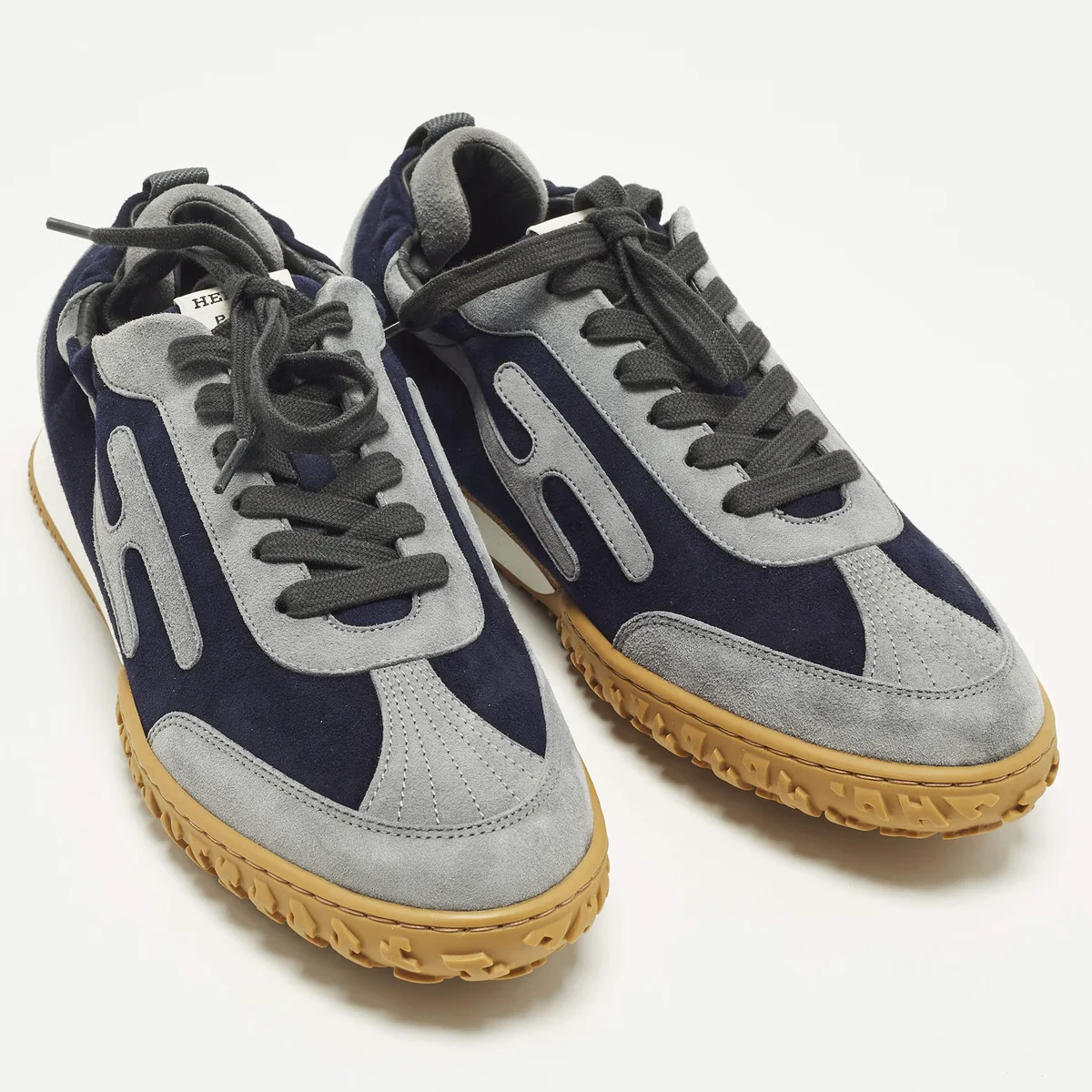
Hermès has taken a different but equally credible approach with releases like the Hermès Jet sneaker in suede, which prioritizes premium materials and the house’s understated design language over aggressive cushioning tech. It’s comfortable in the way a well-made leather shoe is comfortable, not in the way a performance foam midsole is comfortable. Worth knowing before you buy: if you’re expecting Hoka-level plushness from a house sneaker, you’ll be disappointed. You’re paying for craftsmanship and long-term shape retention, not orthopedic engineering.
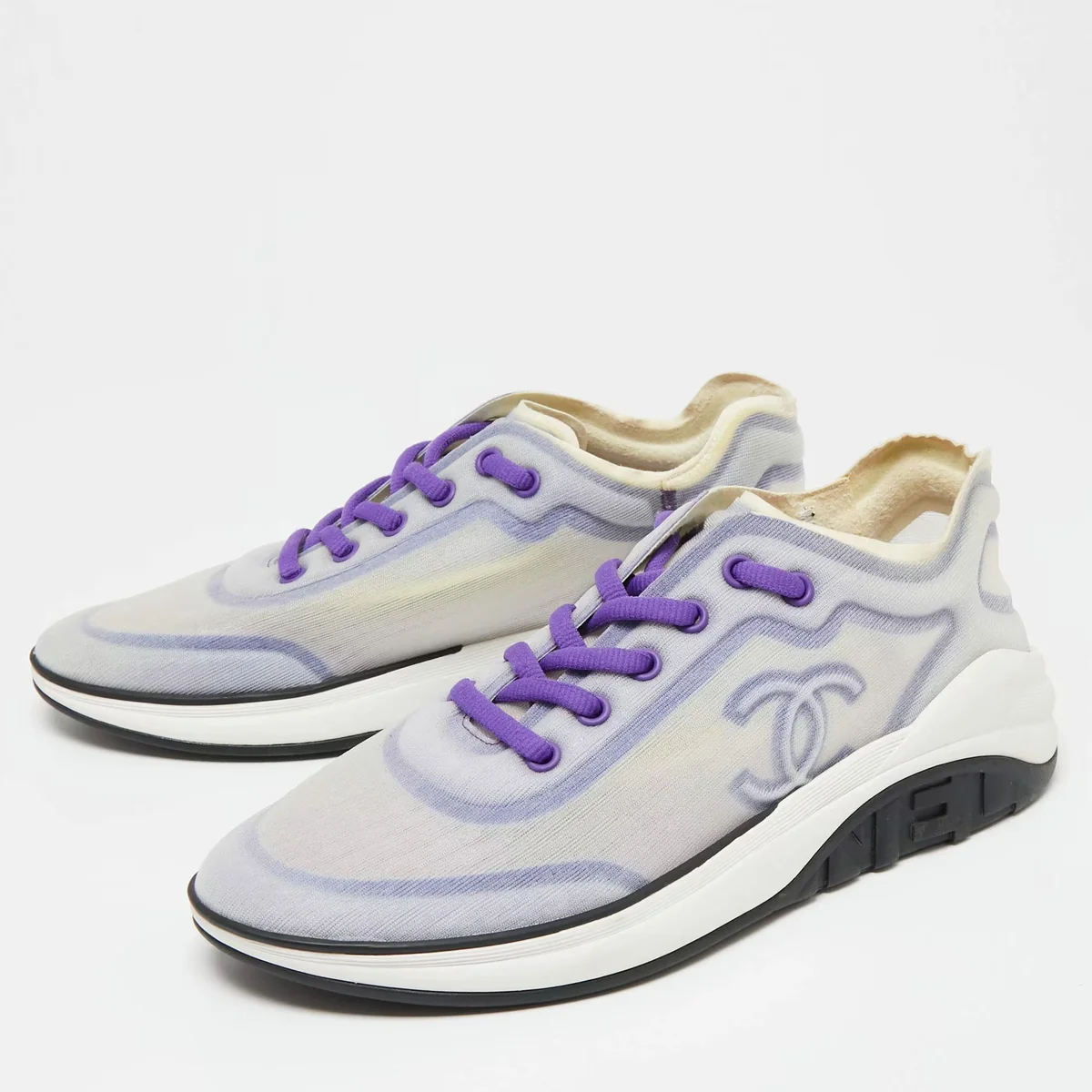
Chanel’s trainers, including logo-detailed styles in fabric and mesh, sit closer to the fashion-first end of this category. They’re comfortable enough for daily wear but shouldn’t be your pick if all-day standing or plantar fasciitis is your primary concern; that’s not what they’re built for, and no amount of styling changes the midsole.
Balenciaga’s Speed line, including knit high-top styles, is a genuinely different comfort profile: the sock-like knit construction flexes with the foot in a way structured leather sneakers don’t, which makes it one of the more surprisingly wearable luxury options for travel days despite its avant-garde look.
My honest read on this category: buy luxury sneakers for design, brand equity, and resale potential first, and treat comfort as a real but secondary benefit. If comfort is your only priority, the performance categories above will always out-perform a design house on cushioning technology.
The Sneakerina Trend: Why It’s 2026’s Defining Comfort Shoe #
The sneakerina is exactly what it sounds like: a hybrid between a ballet flat and a sneaker, typically featuring a soft, rounded toe, a low-profile sole, and sneaker-grade flexibility, but styled and proportioned like a flat. It’s the shoe that solved a specific, long-standing frustration: sneakers often read too sporty for dressier outfits, while ballet flats offer little to no cushioning for a full day of wear.
What makes it work mechanically is the sole. Sneakerinas typically use lightweight EVA or foam midsoles borrowed from athletic shoe construction, just built into a much lower, sleeker silhouette than a traditional trainer. You get genuine shock absorption without the bulk.
Styling-wise, this is the easiest comfort shoe to wear with tailored pieces: they work under wide-leg trousers, with midi skirts, and even with dresses in ways a chunky trainer never will. That versatility is the real reason this trend has outlasted a typical seasonal micro-trend cycle.
The honest caveat: because the silhouette is so slim, sneakerinas generally offer less cushioning and arch support than dedicated comfort sneakers like Hoka or On Running. If plantar fasciitis or all-day standing is your primary concern, this is a stylish secondary shoe, not a replacement for your structured pair. Think of it as the shoe you wear when you want sneaker comfort but need the silhouette to look like a flat, not the shoe you wear on a 12-hour hospital shift.
How to Choose the Right Comfort Sneaker for Your Lifestyle #
Start with your foot type before you start with brand loyalty. A simple wet test, wetting your foot and stepping onto a paper bag or dark surface to check the imprint, tells you roughly whether you have a flat, neutral, or high arch. Flat feet generally need motion control and structured support; high arches need more cushioning and flexibility; neutral arches have the widest range of options.
From there, match the category to the actual demand on your feet, not to what’s trending on social media:
| If your priority is… | Choose from… | Skip if… |
|---|---|---|
| Standing or walking most of the day | All-Day Wear & Travel category (Hoka, On Running, New Balance) | You need a dressier look for daily wardrobe styling |
| Diagnosed or suspected plantar fasciitis | Foot Health category (podiatrist-backed arch support builds) | You’re buying primarily for aesthetics |
| Long-term value and design | Luxury & Designer category (Hermès, Chanel, Loewe x On) | Cushioning tech is your top priority over craftsmanship |
| Everyday styling flexibility | Sneakerina category | You need heavy-duty support for a physically demanding day |
The most common mistake I see is women buying the shoe that’s comfortable for someone else’s lifestyle. A shoe optimized for a 20,000-step travel day and a shoe optimized for chronic heel pain are not interchangeable, even if both get marketed as “the most comfortable sneaker of the year.” Budget also matters here in a practical way: a $150 Hoka will outperform a $1,200 fashion sneaker on pure orthopedic comfort every time. Buy luxury for the design, brand, and resale value; buy performance brands for the comfort science.
FAQs: Most Comfortable Sneakers for Women #
Do comfort sneakers run true to size, or should I size up? Most performance comfort brands, including Hoka and On Running, run slightly narrow in the toe box relative to their length, so many women size up half a size or opt for a wide-fit version if their brand offers one. Luxury sneakers vary more by house; Hermès and Chanel both tend to run closer to true-to-size but with less flexibility in fit than performance brands, so trying before buying (or buying from a seller with an easy return policy) matters more here than with athletic brands.
Is there a break-in period for comfort sneakers? Performance foam midsoles like Hoka’s supercritical foam or On’s Helion CloudTec are largely comfortable out of the box, with minimal break-in needed. Structured leather luxury sneakers, including some Hermès and Chanel styles, do need a short break-in period, typically a week or two of shorter wears, before the upper fully molds to your foot.
Do luxury sneakers hold resale value the way handbags do? Selectively, yes, but it depends heavily on the model. Collaborations with genuine performance credibility, like Loewe x On Running, tend to hold resale interest better than purely decorative [[[designer sneakers](/brands/golden-goose-sneakers-price-guide/)](/buying-guides/sneaker-trends-2025-styles-worth-the-hype/)](/buying-guides/best-luxury-sneakers-2026-buying-guide-1/), because they combine brand desirability with actual usability. Limited releases and well-maintained pairs in original condition retain more value than mass-produced logo trainers, which depreciate faster.
Can I wear sneakerinas for a full workday? You can, but manage expectations. Sneakerinas offer more cushioning than a traditional ballet flat but noticeably less than a dedicated comfort sneaker like Hoka or New Balance. They’re a strong choice for a day that mixes walking with sitting, less ideal for a 10-plus hour shift on your feet.
What’s the single most important factor for plantar fasciitis sufferers? Arch support structure and heel stability matter more than overall softness. A plush shoe without proper arch support can actually aggravate plantar fasciitis, while a firmer shoe with correct structural support often performs better. This is also why podiatrist-backed brands outperform general “comfort” marketing claims in this specific category.
Are Hoka and On Running actually different, or is it just branding? They’re genuinely different underfoot. Hoka prioritizes soft, high-volume supercritical foam for plush shock absorption, which suits standing and walking. On Running’s Helion CloudTec is firmer and more responsive, which suits faster-paced movement and travel days where you want more ground feedback. Neither is objectively better; they’re built for different gaits and different days.
Related Articles #
- Popular Handbag Brands: Which One Is Right for You?
- 10 Best Designer Handbags Worth the Investment (2026)
- Designer Handbag Trends 2025: What’s Actually Worth Buying
- Louis Vuitton Archlight Sneakers: Full Review & Guide


Keyword index