Introduction: Why the Hobo Bag Deserves a Spot in Your Wardrobe #
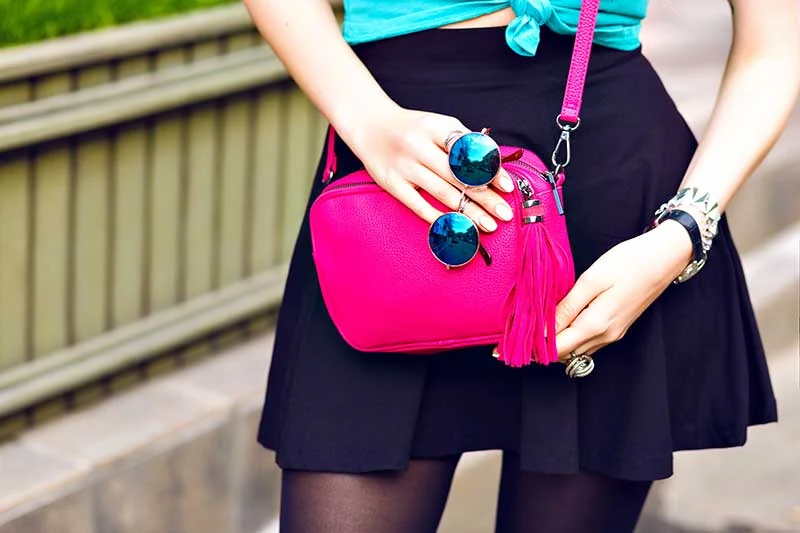
A hobo bag is easy to spot and hard to fake well. The crescent silhouette, the soft slouch across the body, the single shoulder strap that lets the bag settle rather than sit rigid — it’s a shape built for movement, not for display. That’s exactly why it has stayed relevant for decades while more structured bags cycle in and out of favour.
Most style guides treat the hobo as a “throw it on and go” bag and stop there. That undersells it. Handled well, a hobo can carry you from a school run to a client meeting to dinner, and the difference between “chic” and “sloppy” usually comes down to three things: colour discipline, proportion, and knowing which hobo actually deserves a place in your rotation. This guide covers all three, plus the buying and care questions that come up most often from readers shopping secondhand and vintage hobos, where authenticity and hardware condition matter just as much as style.
A Quick History of the Hobo Silhouette #
The hobo bag takes its name — somewhat unglamorously — from its resemblance to the sack bindles carried by itinerant workers in early 20th-century America, slung over one shoulder and shaped by their contents rather than a frame. The style got a fashion upgrade in the 1990s and early 2000s, when houses like Gucci and Chloé put soft, unstructured shoulder bags on the runway and celebrities carried them constantly off-duty. Chloé’s Paddington, with its oversized padlock charm, and Gucci’s soft hobos from the Tom Ford era, effectively turned a utilitarian shape into a status bag. That tension — humble origin, luxury execution — is still what makes the hobo interesting today.
Hobo vs. Tote vs. Satchel: What Sets It Apart #
Readers often ask us to tell a hobo apart from a tote or satchel, and the confusion is fair since all three are “everyday” bags. The distinctions come down to structure and carry:
- Hobo: crescent or half-moon shape, unstructured or semi-structured body, single shoulder strap long enough to wear on the shoulder or crossbody, no rigid base — it slumps when set down.
- Tote: boxier, open-top silhouette with two parallel handles, generally structured enough to stand upright on its own, designed for capacity over shape.
- Satchel: top handle plus a detachable or adjustable strap, a defined base, and a flap or zip closure — closer in spirit to a briefcase than a shoulder bag.
If a bag holds its shape without your help, it’s not a true hobo. That slouch is the whole point.
Getting the Colour Balance Right #

Colour is where a hobo bag either pulls an outfit together or fights it, and the fix is simpler than most styling advice makes it sound.
Match the bag to your palette, not just your outfit #
The rule we come back to with clients is tonal proximity rather than exact matching. A black hobo doesn’t need to be the same black as your dress — it needs to sit in the same temperature. Warm browns and camels read well together even if the leathers differ; cool greys and blacks do the same. A silver or pewter hardware-heavy hobo against cream or off-white outerwear reads as intentional contrast rather than mismatch, which is a low-risk way to make a neutral outfit look considered.
The monochrome trick #
Head-to-toe tonal dressing — black on black, camel on camel — is one of the few genuinely flattering tricks that also solves the “does my bag match” question outright. Because a hobo already has visual movement from its slouch, pairing it with a monochrome outfit keeps the eye on the silhouette rather than on competing colours. It’s a particularly good strategy if your hobo has visible logo hardware or a distinctive shape, since a quiet outfit lets the bag do the talking without looking busy.
Styling Hobo Bags for Different Occasions #
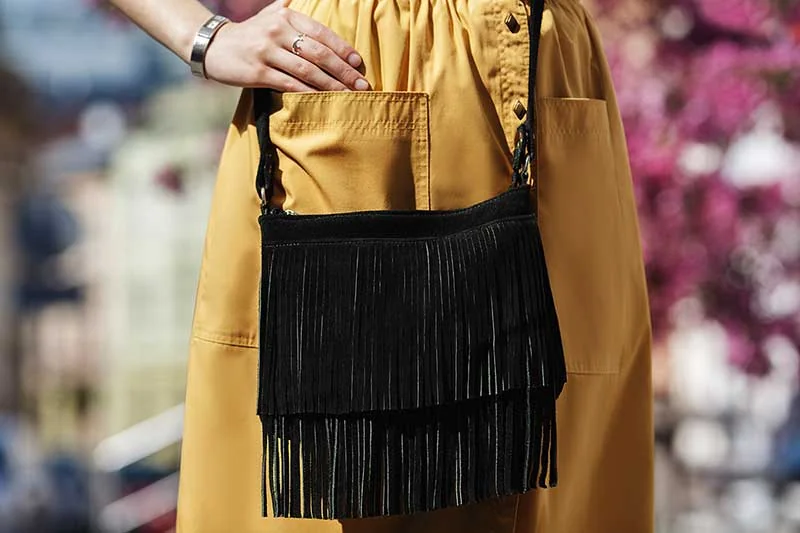
The same hobo bag can work across very different days, but only if you’re honest about what each occasion actually demands from it.
Travel #
This is where the hobo earns its reputation. An unstructured shape flexes to fit into overhead bins and under seats in a way a boxy tote can’t, and a soft body means you can overpack slightly without the bag looking distorted. Prioritise hobos with a zip-top closure and internal organisation — open-top hobos are convenient but a liability in crowded transit hubs. A cross-body strap option matters more here than at any other time; a single shoulder strap gets tiring fast when you’re also managing luggage.
Work #
Hobos aren’t the obvious corporate choice, and we won’t pretend otherwise — a slouchy bag next to a structured blazer can look undone if the proportions are off. But a mid-size hobo in a smooth, unembellished leather, worn with tailoring rather than casualwear, reads as relaxed-professional rather than off-duty. Save the heavily textured, fringed, or logo-forward hobos for outside the office.
Casual outings #
This is the hobo’s natural habitat. Errands, brunch, weekend markets — a roomy hobo with a couple of interior pockets lets you move without thinking about your bag, which is really the entire appeal of the shape.
Seasonal Hobo Styling: Summer vs Winter #
Seasonality changes what you want from both material and size, not just colour.
- Summer: lighter leathers (nappa, suede, canvas-leather mixes) and pale or brights hold up better against summer palettes, and a smaller or mid-size hobo avoids the bulk that heavier winter coats compensate for.
- Winter: bulkier outerwear needs a slightly larger hobo to stay proportionate — a small hobo gets visually swallowed by a wool coat. Richer leathers (pebbled or grained finishes hide winter wear better than smooth calfskin) and darker tones or metallics suit the season, and a cross-body option is worth prioritising since gloves and scarves make shoulder-strap adjustments annoying.
Outfit Pairings That Complement Hobo Bags #
The hobo’s soft shape is forgiving with proportion, which makes it one of the easier bags to pair — once you know its two or three best combinations.
Denim #
Distressed shorts, relaxed straight-leg jeans, denim skirts — the hobo’s slouch mirrors the informality of denim rather than clashing with its structure. Soften the pairing with a light cardigan or an oversized button-down; a hobo with heavier hardware (studs, chain straps) also plays well against denim because the ruggedness matches.
Dresses #
Maxi and slip dresses benefit from a hobo specifically because the bag’s curve doesn’t compete with the drape of the fabric the way a boxy tote or rigid satchel can. A midi dress with a mid-size hobo in a contrasting or matching tone is one of the most reliably flattering combinations in this guide — it lengthens the silhouette without adding visual weight.
Tailoring and smart-casual separates #
Wide-leg trousers and a fitted top with a structured-hobo hybrid (more on this shape below) bridges casual and polished dressing better than most other bag categories manage.
Celebrity-Inspired Hobo Styling #
The hobo’s fashion credibility owes a lot to how consistently it’s shown up off-duty on famous shoulders — Kate Moss and Sienna Miller both wore Chloé’s Paddington hobo into the ground in the mid-2000s, cementing the “cool, undone” association the shape still carries. More recently, off-duty street style has favoured smaller, structured hobos from [[Bottega Veneta](/buying-guides/party-season-bags-4-silhouettes-guide/)](/buying-guides/5-bottega-veneta-bags-worth-knowing-before-you-buy/) and Chloé’s own reissues, styled with straight denim and minimal jewellery rather than the maximalist boho layering of the 2000s. The throughline across both eras: hobo bags read best paired with otherwise simple outfits, because the bag itself supplies the personality.
Choosing the Right Hobo Bag for Your Style #
This is the section worth slowing down for, because a hobo bag is a bigger investment than most impulse accessory buys, and getting the fit wrong is a common — and avoidable — regret.
Size and body proportion #
A hobo scales visually with your frame more than most bag shapes do. Petite frames tend to get overwhelmed by oversized hobos with long, low-slung straps — a mid-size hobo with a shorter drop sits better. Taller frames can carry the oversized, deep-slouch styles without them looking like luggage. If you’re between sizes, err smaller; an underfilled large hobo loses its shape entirely and looks unintentional rather than relaxed.
Material #
- Smooth calfskin/nappa: the most versatile and easiest to dress up, but shows scuffs and colour transfer (especially from dark denim) more readily.
- Suede: beautiful drape for the slouch the hobo is known for, but genuinely high-maintenance — water and stains are difficult to fully remove even with professional care.
- Pebbled or grained leather: the most forgiving daily-wear option; hides light scratches and holds shape slightly better than smooth leather, a real advantage in an unstructured bag.
- Canvas/coated canvas: lighter, more affordable, and more water-resistant, but the shape support is weaker, so quality is very dependent on the internal frame or base.
Hardware and construction #
Hardware is where a hobo’s price and quality show most honestly. Cheap zip pulls, hollow-feeling clasps, and lightweight D-rings are the first sign of a lower-tier bag regardless of brand. On designer hobos, check that logo hardware is crisp and evenly weighted, that stitching around the strap attachment points is dense and even (this is a high-stress area on an unstructured bag), and that the strap drop is adjustable if the listing claims it is. If you’re buying pre-owned, weigh the hardware in your hand — genuine luxury hardware has a density that most counterfeits, however good the leather looks, still get wrong.
Price points #
- Entry/contemporary: roughly $150–$400 for well-made non-luxury or diffusion-line hobos (canvas-leather mixes, smaller independent brands).
- Mid-luxury: roughly $1,200–$2,500 covers most Chloé, Burberry, and Coach signature-leather hobos.
- Top-tier luxury: $2,500–$5,000+ for Gucci, Bottega Veneta, [Saint Laurent](/brands/saint-laurent-kate-bag-review/), and Balenciaga hobos in full leather with heritage hardware. Vintage and pre-owned pricing can undercut these significantly, but only represents good value if the bag has been authenticated properly — hobo shapes from Gucci and Chloé in particular are among the more commonly counterfeited styles because their hardware is simple enough to imitate cheaply.
Caring for Your Hobo Bag #
Because a hobo has no rigid frame, its care needs differ slightly from structured bags:
- Stuff it with acid-free tissue or a bag pillow when not in use — an empty hobo left to collapse fully will eventually crease along the fold lines permanently.
- Rotate the shoulder you carry it on; strap wear and shoulder-side leather stretch happen faster on a hobo than on a top-handle bag because of the constant single-point contact.
- Condition leather hobos every few months if worn regularly — the slouch means the leather flexes constantly, and dry leather creases rather than folding softly.
- For suede hobos, use a suede brush and protector spray before first wear; reactive cleaning after a stain sets is far less effective than prevention.
- Store away from direct light with the strap unclipped or loosely coiled, not folded sharply, to avoid hardware denting the body.
Top Hobo Bag Picks to Shop Now #
A few directions worth shopping depending on what you’re prioritising:
- For everyday structure: Bottega Veneta hobo bags — the woven leather bodies hold shape slightly better than most soft hobos, a genuine practical advantage.
- For heritage recognisability: Gucci hobo bags — GG hardware and canvas-leather combinations remain some of the most photographed hobo styles; verify hardware and serial details carefully on pre-owned pieces.
- For understated smart-casual: Burberry hobo bags — check trench-coat pairings, since the House’s own house check leather was practically designed for this combination.
- For denim and casual rotation: Chloé hobo bags — the softest drape on this list, best suited to relaxed, textured outfits.
- For pre-owned value seekers: browse our pre-owned hobo bag authentication guide before buying vintage — hardware weight and stitch density are the fastest tells on this shape.
How to Dress Up a Hobo Bag for Work or Smart-Casual Outfits #
Most advice treats the hobo as strictly weekend wear, which is a missed opportunity — the shape can absolutely do smart-casual and even light corporate dressing if you manage a few variables.
First, size down slightly from your casual hobo. A compact or mid-size hobo in a smooth leather looks intentional next to tailoring; an oversized, heavily slouched one reads as off-duty no matter what you pair it with. Second, favour a shorter strap drop that sits at hip height rather than a long, low sling — the lower the bag hangs, the more casual the overall silhouette becomes. Third, keep hardware minimal: a single clean clasp or discreet logo plate works with a blazer; chain straps and multiple charms don’t.
For actual outfit combinations: a mid-size hobo in black or cognac with a tailored trouser and blouse combination is close to foolproof, and a structured-hobo hybrid — a shape with a firmer base but the classic crescent top — bridges the gap between briefcase-formal and hobo-relaxed better than a fully soft-bodied bag ever will. Reserve your most textured, fringed, or oversized hobos for outside the office, and you’ll get far more versatility out of one well-chosen bag than buying separate “work” and “weekend” pieces.
FAQs About Styling and Buying Hobo Bags #
What’s the difference between a hobo bag and a slouch bag? In practice, the terms overlap heavily. “Slouch bag” is often used as a generic description of the soft, collapsing silhouette, while “hobo” specifically refers to the crescent-shaped, single-strap version of that silhouette. Most bags marketed as slouch bags are hobos by construction.
Can a hobo bag be worn crossbody? Only if the strap is long enough and adjustable. Classic hobos are designed for shoulder wear, but many current designs now include an adjustable strap specifically to allow crossbody carry — check the strap drop measurement before assuming it will work for your height.
Are hobo bags going out of style? The specific silhouette moves in and out of trend cycles, but it hasn’t disappeared in over two decades, and current runway interest in soft, unstructured shoulder bags suggests it’s not going anywhere soon. Buying a well-made hobo in a classic leather and neutral tone is a safer long-term investment than chasing a trend-driven print or logo version.
How do I know if a designer hobo bag is authentic before buying secondhand? Check hardware weight and finish first — genuine hardware has a density and evenness that’s hard to replicate cheaply. Look at stitch count and spacing around the strap attachment points, since this is a stress area on an unstructured bag and a common shortcut on counterfeits. Ask for the serial number, date stamp, or authenticity card where applicable, and buy from sellers who offer a return window or third-party authentication rather than final-sale listings with no verification.
What size hobo bag should I buy if I only own one? A mid-size hobo — roughly 12–14 inches across — is the most versatile starting point. It’s large enough for daily essentials and a small water bottle, but proportionate enough to work with both casual and smart-casual outfits, which a true oversized hobo can’t manage as convincingly.
Related Articles #
- Half-Moon Bags We Can’t Stop Wearing Right Now
- How to Style a Chanel Classic Flap Bag for Any Outfit
- How to Style a Chanel Bag: Outfit Guide
- How to Style the Balenciaga City Bag: Complete Guide
- How to Spot a Fake Burberry Bag: Full Guide
Related guides
- Online Bag Authentication: What Photos Can and Cannot Prove
- How to Spot a Fake Hermès Birkin: Expert Tips
- How to Authenticate a Chanel Bag: 10 Expert Checks
- Fake Goyard Bag Guide: How to Spot Real vs Fake (2026)
- How to Buy an Authentic Luxury Bag from China Safely
- New vs Pre-Owned Luxury Bags: Which Route Is Right for You?
- Chanel Bag Guide: What to Know Before You Buy
- Luxury Bag Houses


Keyword index