Introduction#
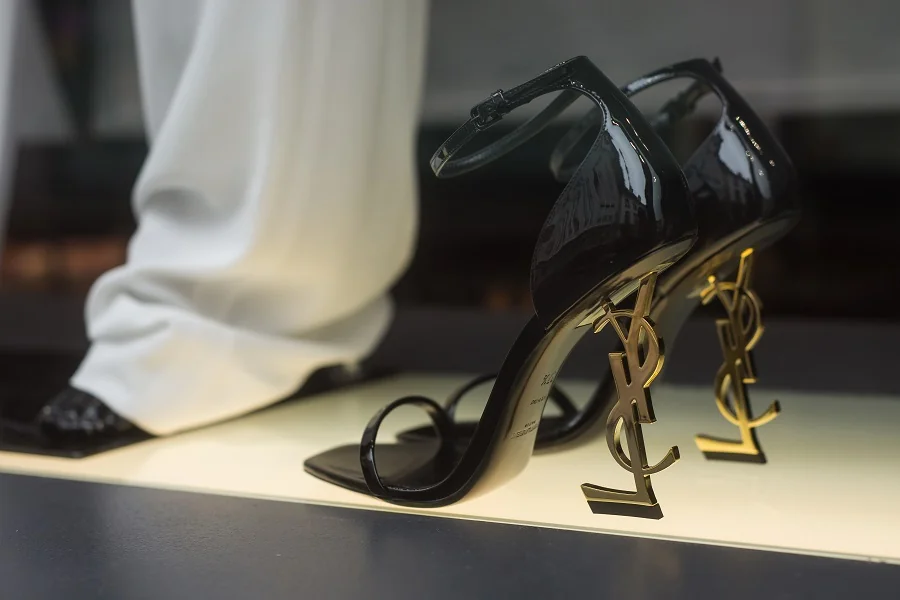
Every so often a shoe arrives that does more than complete an outfit, it rewrites what a heel is allowed to look like. That was the Opyum’s entrance. [Saint Laurent](/brands/ysl-tribute-sandals-guide/) unveiled the style in September 2017 on the Paris Fashion Week runway, and it wasn’t just another pump in a lineup, it was the centerpiece of Anthony Vaccarello’s first full collection as creative director. He’d inherited a house built on Yves Saint Laurent’s tailoring and Hedi Slimane’s rock-edged minimalism, and he needed a single object that could announce his own point of view. The Opyum did exactly that.
Within days of hitting boutiques, it sold out. Not “limited release” sold out, but genuinely difficult to find in a size 38 for the better part of a year. Editors wore it, it flooded street-style galleries, and the shoe became shorthand for a very specific kind of confidence, sleek, a little dangerous, unmistakably Saint Laurent. Nearly a decade on, the Opyum still commands a premium on the resale market, which tells you it was never just a moment. This is a look at why it earned that status, where it genuinely delivers, and where a prospective buyer should temper expectations before spending four figures on a pair.
Design Heritage and Silhouette#
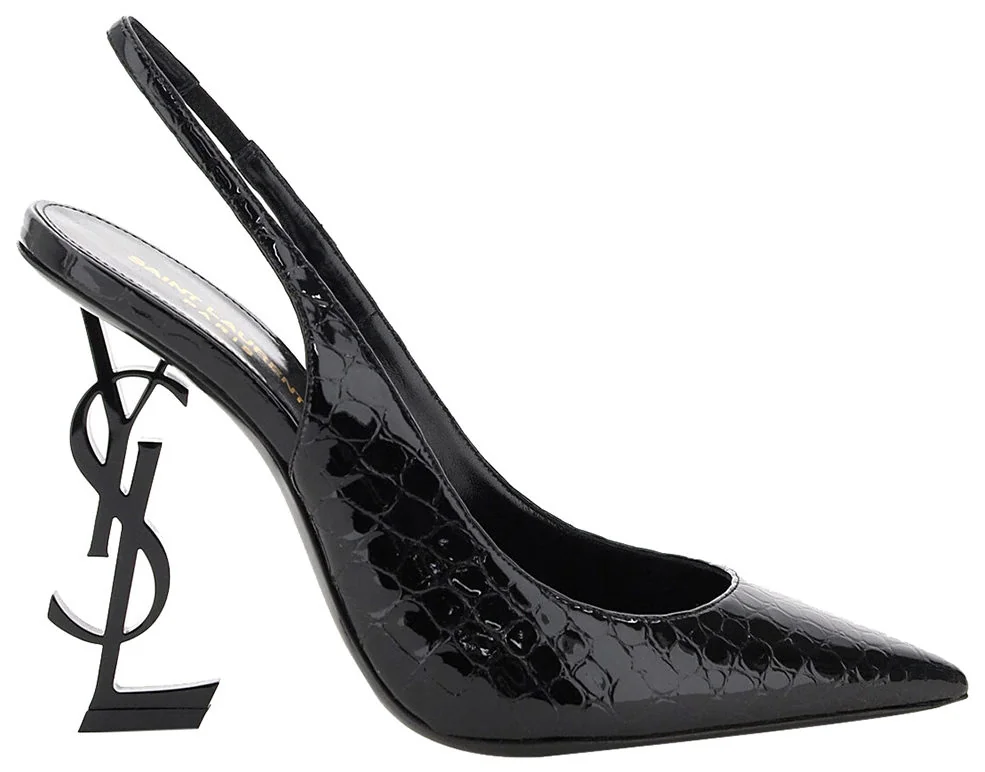
Vaccarello’s brief with the Opyum was, in effect, to make the foot itself the ornament. Rather than layering on embellishment, he stripped the pump down to a shape that flatters the anatomy underneath it. The vamp is cut low, which exposes generous toe cleavage, the toe box tapers to a narrow point that visually shortens and slims the foot, and the arch is pitched high enough to elongate the instep and give the calf a subtle lift.
It’s a deceptively simple formula, and it’s the reason the Opyum reads as “elevated classic” rather than “trend piece.” The original silhouette was a pointed-toe pump, and Saint Laurent has since extended the line into slingbacks, ankle-strap sandals, and an ankle boot, all built on the same core geometry. What ties the family together isn’t a print or a color story, it’s that arch-and-toe relationship. Put an Opyum next to almost any other pointed pump in this price bracket and the difference in the toe-box taper is immediately visible, it’s sharper and more deliberate, which is exactly what makes the foot look longer and more refined in motion.
Signature Details: Heel, Hardware and Materials#
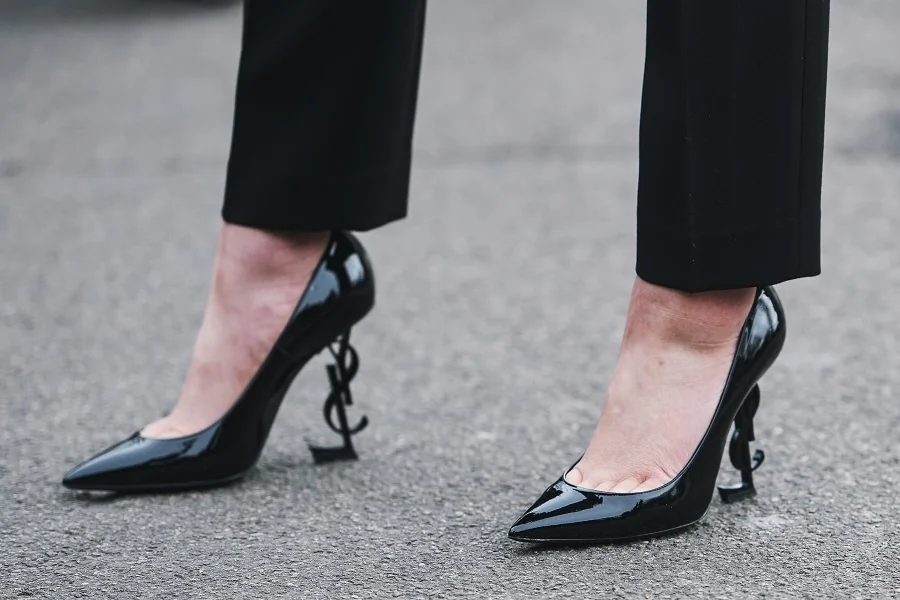
The detail that actually sells the shoe is the heel itself. Saint Laurent swapped a conventional stiletto for a sculpted metal heel that spells out the house’s monogram in three dimensions. It sits just below the heel seat, opens with the curve of the Y, twists downward through the form of an S, and resolves into the base of the L, which is capped with a reinforced rubber tip for wear resistance. It’s a clever piece of engineering as much as branding, because the logo only fully reads when the shoe is on the foot and in motion, which is part of why it photographed so well on the runway and on the street.
Material execution varies by edition, and this matters more than it might seem. The patent leather versions have a glassy, almost lacquered finish that catches light and holds its shape well over time, which is part of why they tend to age best. Smooth calfskin editions feel more supple against the foot but scuff more readily at the toe. Suede iterations look wonderful in photos and are the most prone to watermarking and wear, something worth weighing if you plan to wear the shoe often rather than display it. The hardware itself is usually finished in a tone-matched metal, black-on-black on the classic patent pump, gold or silver on lighter colorways, and the quality of that casting, sharp edges, no pitting, consistent color, is one of the fastest tells of a genuine pair versus a poor counterfeit.
How the Opyum Wears: Comfort and Practicality#
Here’s where I’ll be direct, because most coverage of this shoe glosses over it: the Opyum is a striking design first and a comfortable shoe second. The 11.5 cm heel height combined with that high arch puts real pressure on the ball of the foot, and the narrow toe box, gorgeous as it looks, will pinch anyone with a wider forefoot or bunions. Expect a genuine break-in period. The patent and calfskin versions soften with wear, but the first few outings will involve some friction at the vamp edge and pressure across the toes.
Walkability is better than the silhouette suggests, largely because the heel’s sculpted shape gives it a wider footprint at the base than a typical stiletto, which adds stability on smooth flooring. Cobblestones, gravel, and uneven pavement are a different story, the heel’s cutout design has less surface contact than a solid heel, so I’d treat this as a car-to-venue shoe rather than an all-day walking shoe. If you’re on your feet for extended periods, the ankle-strap sandal or slingback versions in the Opyum line distribute weight slightly more evenly than the closed pump and are worth considering as an alternative. Realistically, this is a shoe for a dinner, an event, or a desk job with minimal walking, not a daily commuter heel.
Styling the Opyum#
The shoe’s simplicity is its biggest styling asset. In black patent, it reads as workwear the moment you pair it with a tailored trouser suit or a pencil skirt, the pointed toe elongates the leg line enough to make even a knee-length hem look sharper. Swap into a slip dress or wide-leg silk trousers and the same pair moves into evening territory without any visual disconnect, because there’s no embellishment to clash with a dressier fabric.
Where the Opyum earns its “investment piece” reputation is versatility across a wardrobe that spans tailoring, eveningwear, and denim. A dark, non-patent colorway with straight-leg jeans and a blazer is a genuinely underrated combination and one you rarely see styled in campaign imagery. It’s less suited to casual daywear, sneakers-and-tote territory, this is a shoe that wants an outfit with some intention behind it. If your closet already leans toward minimalist tailoring or eveningwear with clean lines, the Opyum will integrate almost immediately. If your wardrobe is more textured or maximalist, it can still work, but the heel’s hardware will be doing a lot of the visual talking, so build the rest of the look quietly around it.
Investment Value and Resale Potential#
On resale, the Opyum has held up better than most Saint Laurent pumps released in the same era, and better than many logo-heavy styles from competing houses. The black patent pointed-toe pump, the original and most-produced colorway, tends to retain 45-60% of retail on the pre-owned market in excellent condition, with well-kept examples in rarer finishes, exotic leathers, or unusual hardware tones commanding more.
A few things drive that retention. The design is instantly recognizable without a logo print, which means it doesn’t date the way trend-driven embellished shoes do. It’s also been kept in continuous production across multiple silhouettes, pump, slingback, sandal, boot, which has built sustained demand rather than a single hype cycle. Compared with Saint Laurent’s Tribute sandal, which has broader appeal but less design distinction, the Opyum tends to hold value better among collectors specifically because of that sculptural heel. It sits behind true grail pieces, like early Yves Saint Laurent archival designs, in absolute collector prestige, but among contemporary Saint Laurent output it’s one of the stronger holds.
Condition is everything here. Heel hardware that’s scratched, discolored, or missing its rubber tip drops resale value significantly, since that heel is the entire point of the shoe. Original box and dust bag typically add 5-10% to a resale price, and buyers researching this style are usually savvy enough to ask for them.
Buying Advice: Sizing, What to Check, and Where to Buy#
Saint Laurent’s shoe sizing runs narrow and, in the Opyum specifically, slightly small in the toe box relative to the brand’s other pumps. Most buyers I’d point toward going up half a size from their usual Saint Laurent fit, and a full size up from their standard US/EU sizing if they have any width in the forefoot. Try before you buy if at all possible, this is not a shoe to size purely by the number on the insole.
When buying pre-owned, which is where most collectors will end up given retail scarcity in popular sizes, check the heel hardware first. Genuine casting has crisp, well-defined lettering with no soft edges or visible mold lines, and the metal tone should be even across both shoes. Check the insole stamping for the correct font and spacing, and look at stitching along the vamp, Saint Laurent’s construction is clean and consistent, sloppy or uneven stitching is a red flag. Ask sellers for the serial number stamped inside the shoe and cross-check it against the accompanying authenticity card if one is included.
For new pairs, Saint Laurent boutiques and the brand’s own e-commerce carry current-season colorways, though popular finishes sell out quickly. For discontinued or rarer editions, reputable resale platforms specializing in authenticated luxury goods are the more realistic route, look for sellers who provide detailed photos of the heel hardware and insole stamps rather than stock imagery alone, and confirm the platform’s authentication and return policy before buying at this price point.
FAQ#
Does the Saint Laurent Opyum run true to size? No. It runs narrow through the toe box and slightly small overall. Most buyers should go up a half size from their usual fit, more if they have a wider forefoot.
Is the Opyum comfortable enough to wear all day? Not really. The narrow toe box and high arch make it better suited to events, dinners, or low-mileage office days than a full day of walking. It softens with wear but expect some break-in discomfort.
How much does the Saint Laurent Opyum cost, new and resale? Retail pricing for the pump has generally sat in the $850-$1,000 range depending on material, with exotic leathers priced higher. Resale typically runs 45-60% of original retail for pairs in strong condition, more for rare colorways or unworn pairs with original packaging.
How can I tell if an Opyum pump is authentic? Focus on the heel hardware, the YSL lettering should be sharply cast with no soft edges, consistent metal tone, and a reinforced rubber tip at the base of the L. Also check insole stamping, stitching quality, and the serial number against any included authenticity card.
Which Opyum silhouette holds value best? The original black patent leather pointed-toe pump remains the strongest and most liquid resale performer, since it’s the most recognizable version of the design. Rarer finishes and hardware tones can command more but are harder to sell quickly given the smaller buyer pool.
Related Articles#
- Saint Laurent Kate Bag Review: Style, Fit & Resale Value
- How Pre-Owned Luxury Fashion Is Reshaping the Industry
- Replica vs Pre-Owned Bags: Which Is the Smarter Buy?
Related guides
- Online Bag Authentication: What Photos Can and Cannot Prove
- Fake Goyard Bag Guide: How to Spot Real vs Fake (2026)
- How to Spot a Fake Chanel Flap Bag: Authentication Guide
- How to Spot a Fake Hermès Birkin: Expert Checklist
- How to Buy an Authentic Luxury Bag from China Safely
- New vs Pre-Owned Luxury Bags: Which Route Is Right for You?
- Chanel Bag Guide: What to Know Before You Buy
- Luxury Bag Houses


Keyword index