Introduction: Asian Designers Reshaping Global Fashion #
Fashion’s center of gravity has been shifting for years, and the past few red-carpet seasons made that impossible to ignore. When Kamala Harris stepped out in a Prabal Gurung design, or when Rihanna arrived at the 2015 Met Gala trailing eleven meters of hand-embroidered fur in a Guo Pei gown, these weren’t isolated style moments. They were proof that designers with Asian roots and training now sit at the center of the industry, not on its margins.
What ties these names together isn’t a shared aesthetic. Yohji Yamamoto’s monastic tailoring has almost nothing in common with Guo Pei’s maximalist couture. What connects them is a willingness to ignore Western fashion’s rulebook on silhouette, color, and finish, and to build houses that outlast a single trend cycle. For anyone shopping [[pre-owned luxury](/buying-guides/bvlgari-resale-value-best-pre-owned-pieces-to-invest-in/)](/brands/fendi-first-bag-guide-history-design-resale-value/), that longevity matters. These are pieces designed to be worn for a decade, resold, and worn again.
This guide profiles five designers reshaping the industry from Tokyo, Beijing, Kathmandu, and Seoul, and gives you a practical way to think about buying their work pre-owned: what to expect to pay, what to look for, and what to watch out for when authenticity is on the line.
Japan’s Avant-Garde Icons: Yohji Yamamoto & Comme des Garçons #
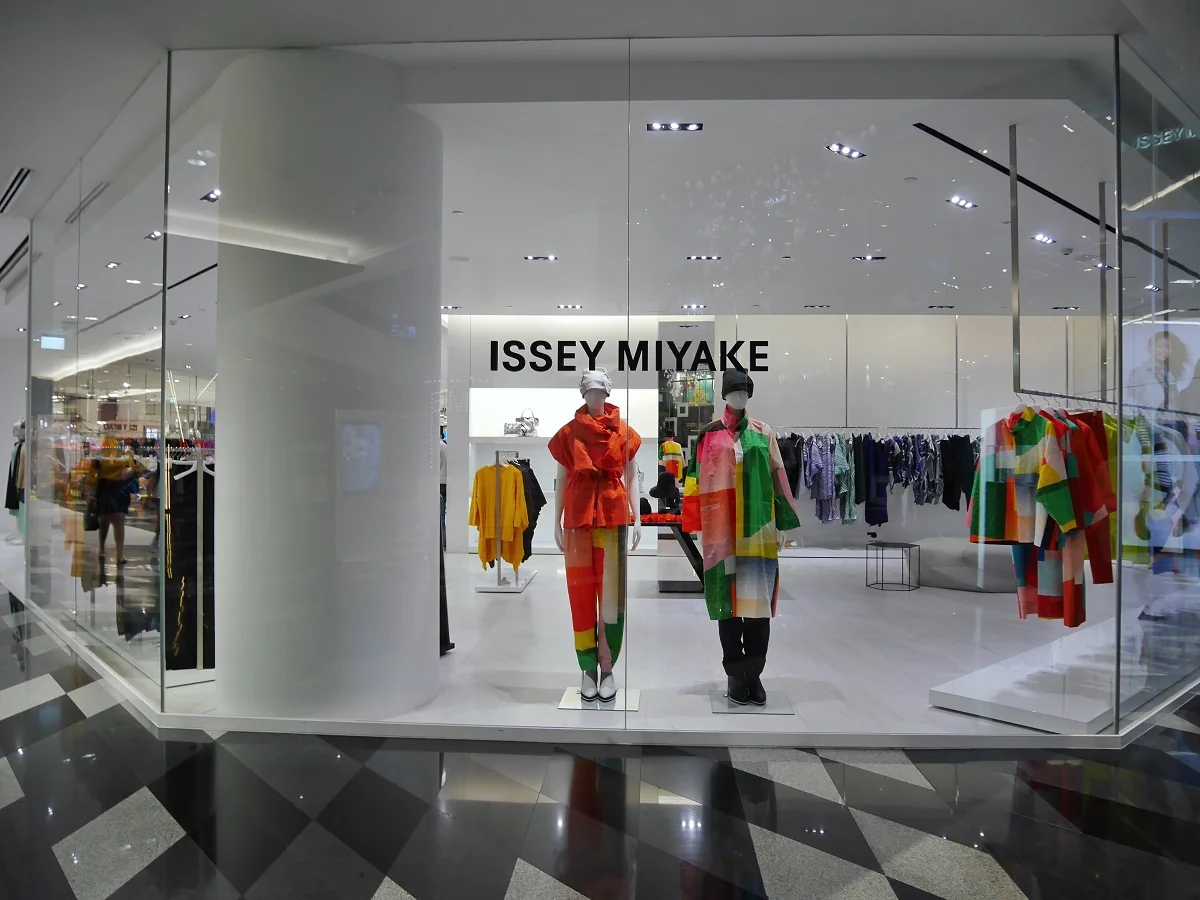
Japan gave Western fashion its first real jolt of deconstruction in the early 1980s, and Yohji Yamamoto and Rei Kawakubo (Comme des Garçons) were the two names critics couldn’t stop arguing about. Both showed in Paris. Both were accused, at the time, of designing “the end of fashion.” Four decades later, both houses are considered foundational.
Yamamoto’s signature is restraint: oversized black tailoring, asymmetric draping, and a refusal to flatter the body in the conventional sense. His clothes hang, wrap, and layer rather than cling. The construction is the point, not the branding, which is part of why his pieces read as timeless rather than dated when you find them on the resale market. Look for wide-leg trousers, deconstructed wool coats, and the Y-3 line (his long-running collaboration with Adidas), which is often the most accessible entry point pre-owned.
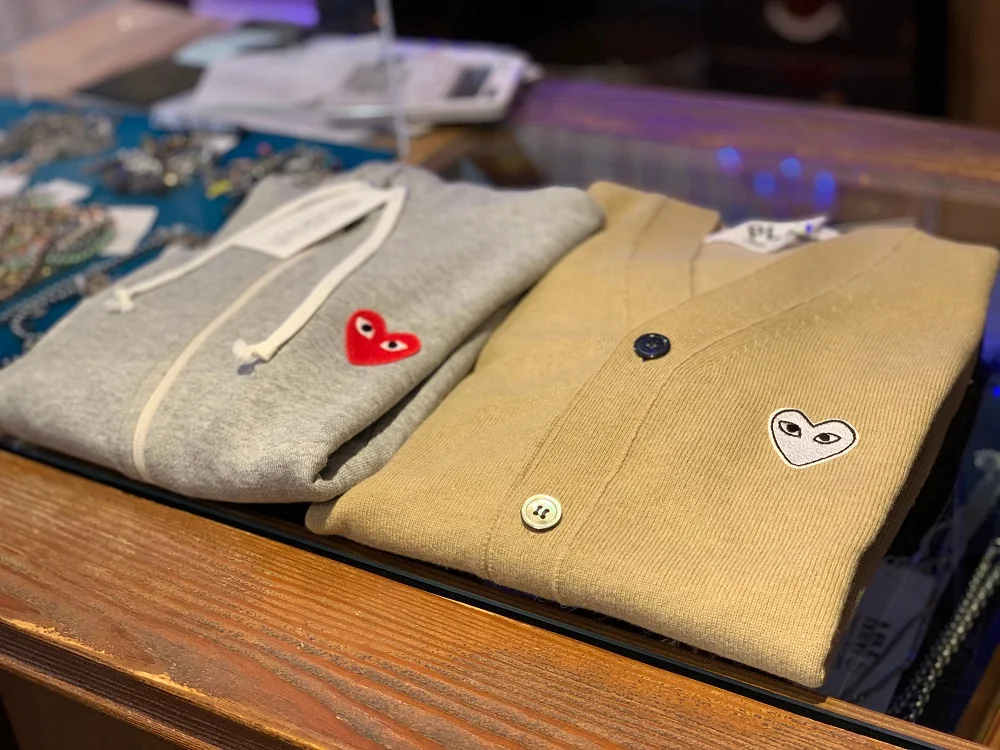
Comme des Garçons is a harder brand to summarize because Kawakubo deliberately resists a single identity. Under the main line, you’ll find sculptural, sometimes deliberately “ugly-beautiful” runway pieces. Under CDG Play, the heart-with-eyes logo appears on cardigans, tees, and the Converse collaboration sneakers that turned the brand into a streetwear staple. Between those two extremes sit Comme des Garçons Homme Plus and several licensed lines, which is exactly why buyers get confused about pricing and provenance.
Pre-owned price positioning: expect entry-level CDG Play pieces (tees, cardigans, small leather goods) in the low hundreds, main-line Yamamoto and Comme des Garçons tailoring in the mid-to-high hundreds to low thousands, and rare archival runway pieces climbing well beyond that at auction and specialist resellers.
Styling tip: don’t try to wear either brand head to toe unless you’re confident. A CDG Play cardigan over a plain tee and jeans, or one oversized Yamamoto coat worn over fitted basics, does more for a wardrobe than a full head-to-toe avant-garde look, and it’s a far easier way to introduce these designers into a closet that’s otherwise mainstream.
China’s Couture Powerhouse: Guo Pei #
Guo Pei spent over a decade as one of China’s most respected couturiers before the West noticed her, and it’s worth sitting with that fact. She wasn’t discovered. She built an atelier, trained embroiderers in techniques drawn from imperial Chinese dress, and produced couture gowns that took thousands of hours to construct, long before Rihanna’s yellow “Da Jin Huang” gown made her a household name overnight.
That gown wasn’t an anomaly. It’s representative of how Guo Pei works: sculptural volume, metallic embroidery, and a refusal to treat a garment as anything less than an art object. She was inducted into the Fédération de la Haute Couture et de la Mode’s guest membership, a rare honor for a designer trained entirely outside the traditional Paris system, and her runway shows are staged more like museum installations than commercial presentations.
Here’s the honest downside for buyers: Guo Pei couture almost never appears on the resale market, and when it does, prices reflect true couture positioning, often five figures and up, with provenance and documentation carrying as much weight as the garment itself. If you’re building a wardrobe around her work, you’re more realistically looking at licensed accessories, ready-to-wear capsule pieces, or bridal-adjacent items produced under her name, which sit at a far more approachable price point than the couture gowns that made her famous.
Styling tip: a Guo Pei piece, even a smaller ready-to-wear item, works best as a wardrobe’s single statement rather than one of many. Let the embroidery or structure do the talking and keep everything else around it quiet.
Rising Global Voices: Prabal Gurung and Laura Kim #
Prabal Gurung, born in Singapore and raised in Kathmandu, built his eponymous label on a specific point of view: clothes for women who don’t want to disappear into them. His draping is sensual but structured, his color use is confident, and his embroidery work often nods to Nepalese textile traditions without being literal about it. Dressing Kamala Harris and, previously, Michelle Obama gave him visibility, but his label had already spent over a decade earning a reputation among stylists for reliable, well-constructed occasion wear.
Laura Kim’s path runs through two houses at once. Born in Seoul and trained at Parsons, she co-founded Monse in 2015 with Fernando Garcia, then months later the pair were appointed co-creative directors of Oscar de la Renta, a couture house neither of them had any personal connection to before that appointment. It’s an unusual arrangement, and it works because their signatures, asymmetric hems, reworked shirting, and unexpected proportion play, translate across both the downtown energy of Monse and the establishment polish of Oscar de la Renta without contradicting either.
Pre-owned price positioning: Prabal Gurung ready-to-wear typically resells in the low-to-mid hundreds for daywear and separates, climbing into the low thousands for embellished gowns. Monse pieces sit in a similar contemporary-to-bridge range, while Oscar de la Renta gowns co-designed under Kim and Garcia’s direction command the higher prices you’d expect from an established couture house.
Styling tip: a Prabal Gurung gown is genuinely re-wearable, not just a one-event purchase. Swap the jewelry and outerwear and it moves from black-tie to a dressed-up dinner. A Monse blazer with an asymmetric detail does the same work for daywear, taking an outfit from office to evening without a full change.
Why Shop Asian Designer Brands at The Luxury Closet #
Buying pre-owned pieces from these five names is less risky and more rewarding than most shoppers assume, but it does require knowing what you’re looking at.
Start with construction, not just labels. Yamamoto and Kawakubo’s houses are known for precise, often unconventional seaming, so a piece with sloppy or simplified construction relative to the archival photos is a red flag before you even check the tag. Guo Pei and couture-adjacent pieces should come with visible hand-finishing, since machine shortcuts undercut the entire premise of the work. For Prabal Gurung and Monse, check hardware and zipper branding against the season the piece claims to be from, since both labels have refined their branding over the years.
This is exactly where a curated pre-owned platform earns its keep. Every piece we list goes through authentication before it reaches a listing page, which matters more for houses like these than for mass-market brands, because counterfeiters rarely bother replicating Yamamoto’s draping logic or Guo Pei’s embroidery density. They fake the label, not the construction, and that gap is where an experienced authenticator catches the fraud.
Buying pre-owned also aligns with what these designers actually stand for. Kawakubo has spoken for years about resisting disposability in fashion, and Yamamoto’s clothes are built to be worn for decades, not seasons. A resale market gives their work the second and third life it was designed to have, and it keeps well-made garments out of landfill while giving newer buyers access to a price point the primary market doesn’t offer.
Why TLC and Fashion Media Are Spotlighting These Brands #
Fashion media’s renewed attention to Asian designers isn’t only about individual red-carpet moments, though those help. It reflects a broader shift in who’s actually running the major houses. Laura Kim now co-directs Oscar de la Renta. Sarah Burton’s departure from [Alexander McQueen](/brands/alexander-mcqueen-brand-history/) and the ongoing churn at European maisons has made industry watchers pay closer attention to who’s next, and Asian-trained designers keep appearing on shortlists that would have overlooked them a decade ago.
There’s also a resale-specific angle worth flagging, and it’s one most buying guides miss entirely. As primary retail prices for European heritage houses keep climbing, buyers are increasingly looking toward houses like these for pieces with equivalent craft credentials at a more accessible pre-owned price point. Guo Pei couture will never be cheap, but Prabal Gurung, Monse, and CDG Play sit in a range that lets a first-time luxury buyer own a piece of real design history without a five-figure commitment. That’s a genuinely different value proposition than chasing a logo bag, and it’s why we think this list belongs on a platform built around pre-owned buying rather than a pure trend roundup.
FAQ: Shopping Asian Designer Fashion #
Is Y-3 the same as Yohji Yamamoto’s main line? No. Y-3 is Yamamoto’s collaboration with Adidas, focused on sportswear-driven silhouettes, and it’s priced and positioned separately from his mainline runway collection. It’s usually the more affordable entry point pre-owned.
How do I tell real Comme des Garçons Play from a fake? Check the heart logo’s eye placement and stitch density first, counterfeits often get the eyes slightly misaligned, and verify the woven label against the specific sub-line (Play, Homme Plus, or mainline), since each uses different label formats.
Does Guo Pei sell anything outside full couture? Yes, though far less of it reaches resale. She’s produced smaller ready-to-wear and bridal-adjacent pieces alongside her runway couture, and those are a realistic way to own her work without couture-level pricing.
Are Prabal Gurung and Monse pieces good investments? They hold value reasonably well for embellished gowns and signature separates, though they’re not treated as speculative investment pieces the way some handbags are. Buy them because you’ll wear them, and resale value is a bonus, not the primary reason.
Where should I buy pre-owned pieces from these designers? Stick to platforms that authenticate before listing rather than relying on seller claims. For houses like these, where counterfeiters rarely nail the construction details, professional authentication is the difference between a genuine archival find and an expensive mistake.
Recommendations and Buying Advice #
If you’re new to these designers, start small and build up. A Comme des Garçons Play cardigan or a Y-3 piece gives you real design pedigree for a modest outlay, and it’s a low-risk way to see if the aesthetic actually fits your wardrobe before spending more.
If you’re ready to invest, prioritize construction over era. A well-preserved Yamamoto tailored coat from any season will outperform a “hyped” archival piece in poor condition, both in wearability and resale value. For Prabal Gurung and Monse, favor pieces with intact embellishment and original hardware, since repairs on beaded or embroidered work are costly and can affect long-term value.
If Guo Pei is the goal, be patient. Genuine pieces surface rarely, and provenance documentation matters as much as the garment. Don’t rush a purchase without full authentication just because a piece is scarce.
Across all five, buy from a source that authenticates before it lists. These are houses where the fakes are convincing at a glance and fall apart under real scrutiny, and that scrutiny is exactly what protects your money.
Related Articles #
- Alexander McQueen Curve Bag: Price, Style & Resale Guide
- Why the Chanel Crossbody Bag Never Goes Out of Style
- Luxury Streetwear Brands & Resale Platforms Guide 2025
- How Pre-Owned Luxury Fashion Is Reshaping the Industry
- 8 Emily in Paris Designer Bags You Can Actually Buy
Related guides
- Online Bag Authentication: What Photos Can and Cannot Prove
- Blue Crocodile Lady Dior Tote: Buying Guide
- Chanel Vintage Flap Bag Buying Guide: Navy Lambskin
- Louis Vuitton Palm Spring Backpack: Complete Buyer's Guide
- How to Buy an Authentic Luxury Bag from China Safely
- New vs Pre-Owned Luxury Bags: Which Route Is Right for You?
- Chanel Bag Guide: What to Know Before You Buy
- Luxury Bag Houses


Keyword index