Introduction#
Sneakers used to be the shoe you kept for the gym bag or the weekend. That’s not the case anymore. Over the past decade, the biggest fashion houses have turned the humble trainer into one of the most lucrative and creatively ambitious categories in luxury footwear, and the shift shows no sign of slowing down. A well-chosen pair now moves seamlessly from a T-shirt and shorts to a tailored suit, which is exactly why men’s [designer sneakers](/buying-guides/best-luxury-sneakers-2026-buying-guide-1/) have become a wardrobe staple rather than an occasional indulgence.
What’s driven this? Partly comfort technology finally catching up with high fashion. Partly the runway’s fascination with streetwear. And partly a generation of shoppers who want pieces that work as hard in daily life as they do in a lookbook. The result is a crowded, fast-moving market where silhouette, comfort, and resale potential all matter as much as the logo on the box.
I’ve tried, reviewed, and resold enough of these to have strong opinions about which ones are worth the money and which are more hype than substance. Below, I’m breaking down six brands that consistently deliver on design, quality, or investment value (sometimes all three, sometimes just one), plus practical advice on choosing a pair that actually fits your life and a straight take on resale.
Balenciaga: The Sneaker That Redefined the Category#
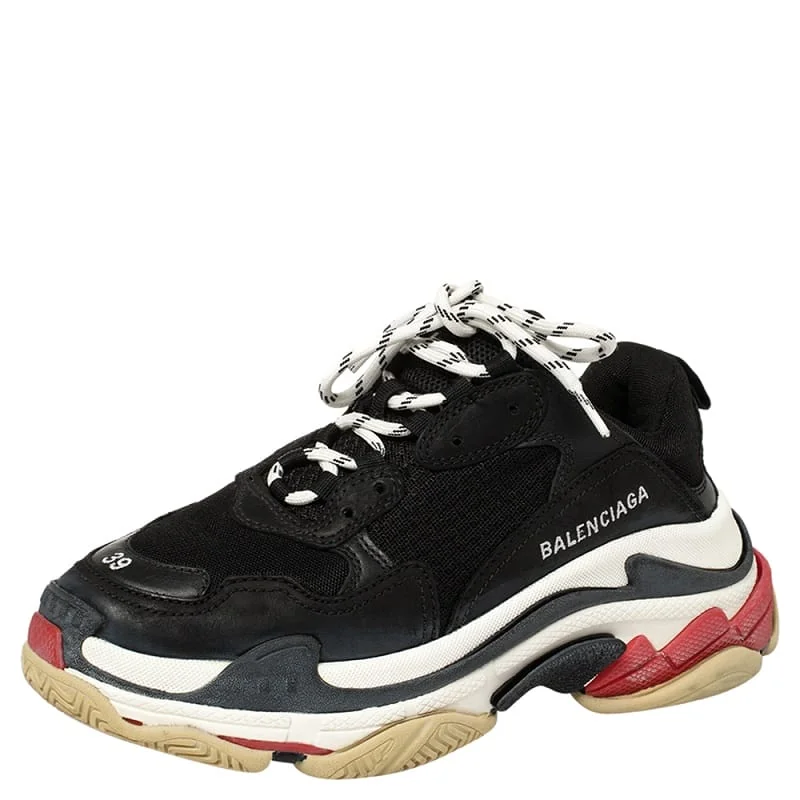
If you want to understand how we got here, start with Balenciaga. The 2017 Triple S didn’t just add another style to the brand’s lineup, it rewired what a “luxury sneaker” was allowed to look like. The triple-stacked sole, the deliberately clunky proportions, the mixed textile-and-leather upper: none of it played by the sleek, minimal rules that had defined designer footwear for decades. Love it or not, the Triple S is the reason “ugly sneaker” and “dad shoe” became compliments instead of insults, and it opened the door for the chunky-sole trend that Prada, Versace, and dozens of others chased in its wake.
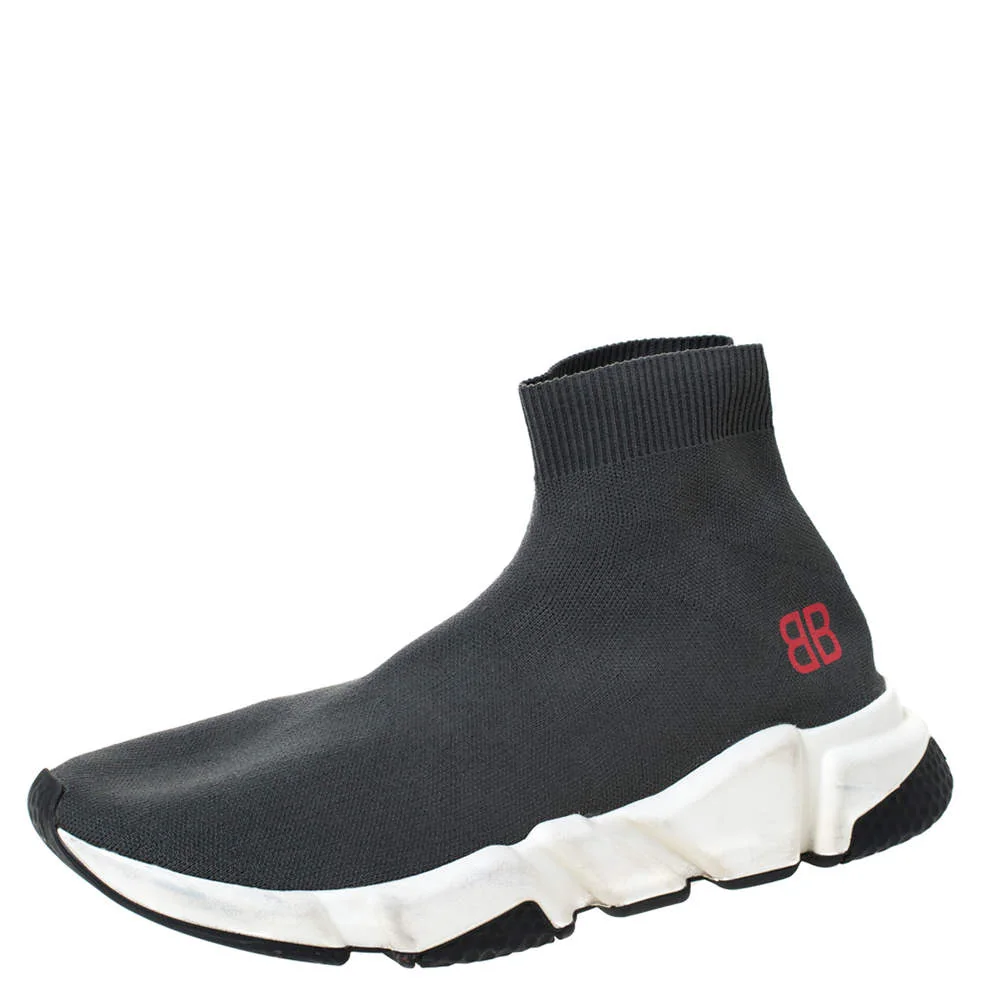
The Speed Trainer took a different route to the same influence. Its sock-like knit construction, no laces, no separate tongue, just a stretch-to-fit upper, has been copied so widely by high-street brands that it’s easy to forget Balenciaga got there first. It’s genuinely comfortable in a way the Triple S isn’t always; the trade-off is a snugger, more form-fitting feel that some men find restrictive if they’re used to structured sneakers.
My honest take: the Triple S is a statement piece, not a subtle one, and it runs true to size but wears bulky under slim trousers. The Speed Trainer is the more versatile buy for everyday rotation, and it holds up well with light wear, though the knit upper does show pilling faster than leather ever will.
Alexander McQueen: Modern British Craftsmanship#
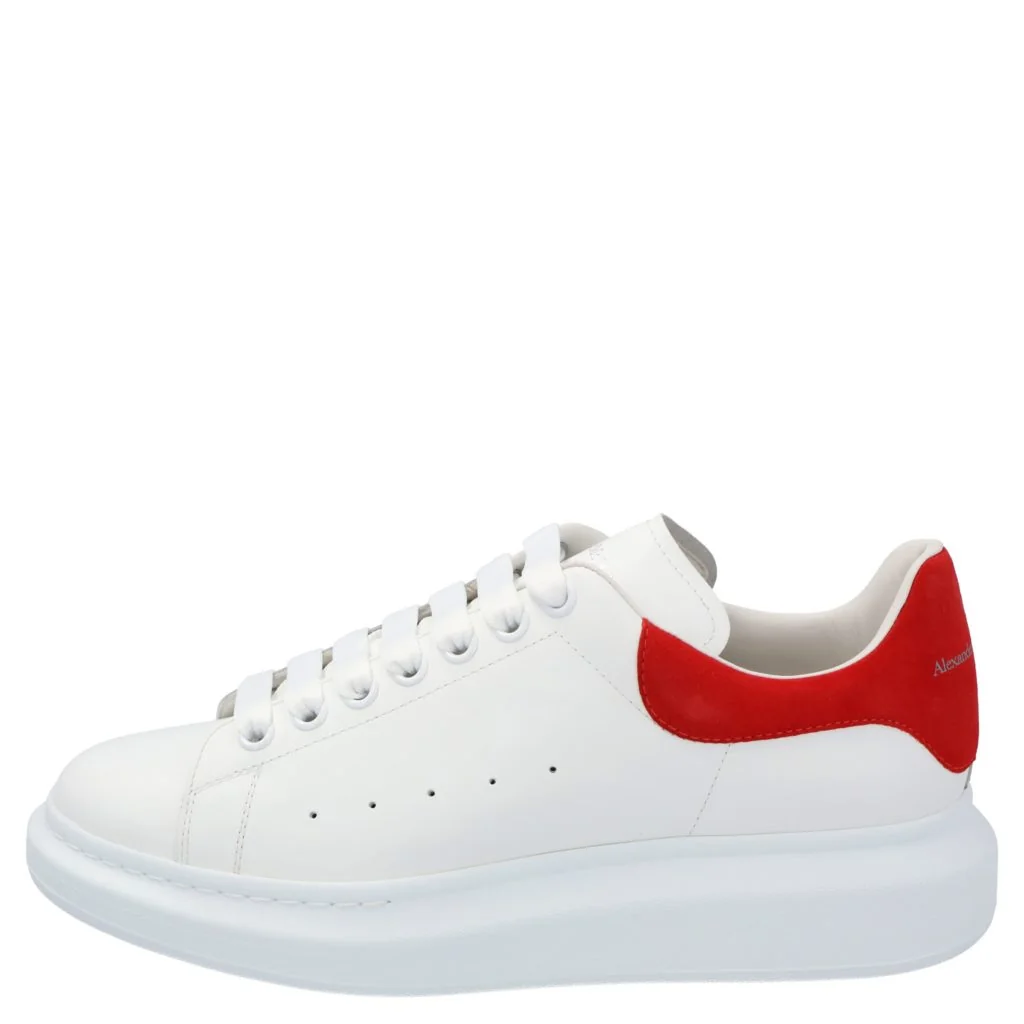
Alexander McQueen approaches the category with a quieter confidence. The Oversized Sneaker takes the exaggerated-sole idea and refines it, pairing a clean, minimal upper with a thick, sculptural sole that reads as sporty without tipping into streetwear territory. It comes in an unusually wide range of colorways, from all-white options that work with tailoring to bolder color-blocked versions for a more casual look, which is part of why it’s stayed relevant since its launch rather than fading as a one-season trend.
The Tread Slick pushes further into utilitarian territory. It’s built more like a boot than a sneaker, with an aggressive lugged sole and a higher-cut silhouette, and it photographs incredibly well, which explains its popularity on fashion feeds. In person, it’s heavier than the Oversized Sneaker and takes a little longer to break in comfortably.
What I appreciate about McQueen here is the construction quality. The soles are genuinely well-made, not just visually chunky, and the leather uppers on the higher-end colorways hold their shape better over time than several competitors at a similar price point. The downside is sizing: the Oversized Sneaker in particular tends to run a touch large, so I’d recommend trying a half size down if you’re between sizes.
More Iconic Designer Sneaker Brands to Know#
Balenciaga and McQueen get the most cultural attention, but they’re far from the only brands worth knowing if you’re building out a designer sneaker rotation.
Gucci leans into maximalism. Its sneaker range spans the retro-inspired Ace, with its signature striped webbing and embroidered detailing, to bolder, logo-heavy styles that are unmistakably Gucci from across the room. These are the pairs to reach for if you want a sneaker that reads as fashion first, and comfort is genuinely solid thanks to a cushioned rubber sole, though the more ornate styles can feel a little loud for daily wear depending on your personal style.
Christian Dior brings the house’s signature polish to the category. The B23 and B24 combine a technical, high-top silhouette with Dior’s signature Oblique motif, while the CD1 offers a chunkier, more casual profile. Dior’s Air Jordan 1 collaboration remains one of the most sought-after designer sneaker releases of the past few years, and pairs in good condition command a real premium on the resale market. Regular Dior sneakers, by comparison, are well-made but don’t carry the same collector heat.
Louis Vuitton takes a more monogram-forward approach, with the LV Trainer being the standout: a chunky, retro-runner silhouette that’s become one of the most recognizable designer sneakers on the market. Build quality is excellent, as you’d expect at this price point, though the aggressive monogram branding isn’t for everyone.
Valentino offers something calmer. Its Open sneaker, with the signature stud detailing along a low-top silhouette, is one of the more versatile designer options out there, working equally well with jeans or lighter tailoring. It’s a good pick for buyers who want the luxury cachet without the loud branding some competitors lean on.
How to Choose the Right Pair for Your Style and Budget#
Picking a designer sneaker isn’t just about which logo you like best. A few things genuinely matter more than brand name here.
Fit and comfort. Try before you buy whenever possible, or at least check the brand’s specific sizing notes. As I mentioned above, Balenciaga’s Speed Trainer runs snug while McQueen’s Oversized Sneaker runs generous, and that inconsistency is common across the category. Knit and sock-style uppers (Balenciaga, some Gucci styles) mold to your foot over time, while structured leather sneakers (McQueen, Louis Vuitton) hold their shape but need a short break-in period.
Versatility. If this is your only designer sneaker, go neutral. All-white or tonal colorways (McQueen Oversized in white, Dior B23 in black leather, Valentino Open in white) pair with almost everything. Save the bold colorblocking or heavy branding for a second or third pair once you know how often you’ll actually wear it.
Price range and where it goes. Designer sneakers generally fall into three tiers: entry-level luxury (roughly $600–$900, think Gucci Ace or Valentino Open), mid-tier statement pieces ($900–$1,300, Balenciaga Triple S, Dior B23), and top-tier or collaboration pairs ($1,300 and up, Dior x Air Jordan, limited McQueen colorways). Decide which tier matches your budget before you start browsing, because it’s easy to get pulled toward hype pieces that cost more than the comparable option that actually fits your wardrobe better.
Matching your existing style. If your wardrobe already leans streetwear, Balenciaga and Louis Vuitton fit naturally. If you dress more classic or business-casual, McQueen, Dior, and Valentino integrate more smoothly without feeling like a costume change.
Resale Value and Investment Potential#
I’ll be straight with you: most designer sneakers depreciate the moment they leave the store, just like most sneakers in general. But a handful of models are genuine exceptions, and it’s worth knowing which ones before you spend four figures.
Dior’s Air Jordan 1 collaboration is the clearest example of a designer sneaker with real investment value. Limited production numbers and massive collector demand mean pairs in good condition, especially with original box and accessories, regularly resell above retail. This is the exception rather than the rule, though, and it’s tied specifically to that collaboration, not Dior sneakers broadly.
Balenciaga’s Triple S holds value reasonably well in popular colorways (particularly the original clear-sole and neutral versions) because it remains the category-defining silhouette, but it’s not appreciating the way the Dior collab has. The Speed Trainer depreciates faster since it’s been produced continuously and in large volume, which keeps supply high.
McQueen sneakers hold value moderately well largely because of consistent construction quality; buyers trust that a used pair hasn’t fallen apart, which supports resale prices even without hype-driven demand. Gucci and Louis Vuitton sneakers depreciate faster than their handbags do, since sneaker trends move quickly and last season’s colorway reads as dated sooner than a classic bag silhouette would.
My general rule for collectors: buy limited collaborations for investment potential, buy everything else because you’ll actually wear it and love it, not because you expect it to appreciate.
FAQ#
Do designer sneakers run true to size? Not consistently. Balenciaga tends to run small to true, McQueen and Louis Vuitton often run slightly large. Check the specific brand’s size chart every time, don’t assume your usual size carries over.
How do I care for luxury sneakers? Leather uppers benefit from a proper sneaker cleaner and a light conditioner every few wears. Knit and textile uppers (Balenciaga Speed Trainer, Gucci’s softer styles) need a gentler touch, use a soft brush and mild soap, and avoid soaking them. Rotate pairs rather than wearing one daily to extend sole life.
How do I check if a pre-owned designer sneaker is authentic? Look closely at stitching consistency, logo placement and font, sole texture, and box or dust bag quality. Serial numbers and authenticity cards help but can be faked, so buying from a reputable consignment platform with an in-house authentication process is the safer route, especially for high-demand collaborations.
Where should I buy pre-owned designer sneakers? Established [luxury resale platforms](/buying-guides/best-places-to-buy-luxury-accessories-online-2025/) with verified authentication processes are the most reliable option, particularly for collaboration pairs like the Dior x Air Jordan, where counterfeits are common. Avoid unverified marketplace listings for anything above entry-level price points.
Recommendations and Buying Advice#
If I had to sum up six brands into a shortlist: buy the Balenciaga Speed Trainer if you want the most versatile, comfortable daily sneaker on this list. Buy the Alexander McQueen Oversized Sneaker in white if you want one pair that works across both casual and smart-casual outfits and holds up structurally over years of wear. Buy the Dior x Air Jordan only if resale and collector value are genuinely part of your goal, and be prepared to verify authenticity carefully. Buy Valentino’s Open sneaker if you want luxury cachet without loud branding.
Skip anything you’re buying purely because it’s trending. The sneakers that earn their price tag over time are the ones with construction quality you can feel and a silhouette you’ll still want to wear in three years, not the ones that only look good in this season’s colorway.
Related Articles#
- Popular Handbag Brands: Which One Is Right for You?
- Designer Handbag Trends 2025: What’s Actually Worth Buying
- 50 Best Bags Under $500: Smart Style on a Budget
- Louis Vuitton Archlight Sneakers: Full Review & Buying Guide
- Louis Vuitton Alma Bag: The Ultimate Buying Guide
Related guides
- Online Bag Authentication: What Photos Can and Cannot Prove
- Fake Goyard Bag Guide: How to Spot Real vs Fake (2026)
- How to Spot a Fake Chanel Flap Bag: Authentication Guide
- How to Spot a Fake Hermès Birkin: Expert Checklist
- How to Buy an Authentic Luxury Bag from China Safely
- New vs Pre-Owned Luxury Bags: Which Route Is Right for You?
- Chanel Bag Guide: What to Know Before You Buy
- Luxury Bag Houses

Keyword index