Introduction #
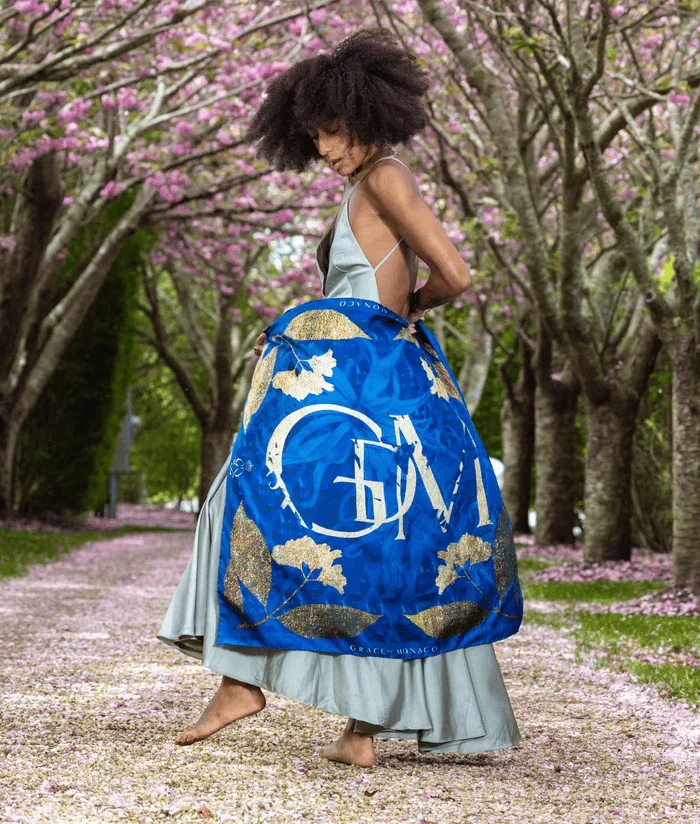
Every so often a brand launches with a premise that sounds almost too tidy for the luxury industry: build something beautiful, sell it well, and use the proceeds to fund human talent rather than shareholder returns. Grace de Monaco, founded in July 2021, was built on exactly that premise, and it did so by borrowing the name and the legacy of one of the twentieth century’s most photographed women.
We sat down with Kevin Thompson, Chief Marketing Officer of Grace de Monaco, to understand how a Maison tied to Princess Grace of Monaco positions itself in a market saturated with heritage stories and philanthropic marketing claims. The conversation covers where the brand comes from, how it defines “luxury for good,” and why Thompson believes the model is structurally different from the cause-marketing campaigns most luxury houses run alongside their main business. The Luxury Closet has long championed circular, purpose-driven luxury, so a brand built around benefiting others from day one is a natural point of alignment worth exploring in depth.
Who Is Grace de Monaco: A Brand Born From Legacy #

Grace de Monaco did not emerge from a designer’s archive or a private equity roll-up of dormant labels, which is how most “heritage relaunches” happen in this industry. Its origin sits with the Princess Grace Foundation, the philanthropic body that has spent close to four decades funding emerging artists in theater, dance, and film in Princess Grace’s name.
The Foundation’s work predates the brand by decades. What changed in 2021 was the decision to build a commercial engine specifically to sustain that mission, rather than relying solely on galas, donations, and grants from third parties. That distinction matters: Grace de Monaco was not created as a side project or a licensing exercise attached to a famous name. It was designed, according to Thompson, as the funding mechanism itself, with Princess Grace’s own history in fashion, film, and public life as the aesthetic and narrative foundation.
Princess Grace’s biography does a lot of the brand-building work here. She was an Academy Award-winning actress before she became Monaco’s Princess, and her personal style influenced everything from Monte Carlo’s public spaces to the flowers planted along its streets, according to Thompson. For a brand trying to establish instant credibility in a category where most houses lean on a century of archival product, that biography is a genuine asset rather than a marketing invention.
The World’s First Luxury Brand for Good #
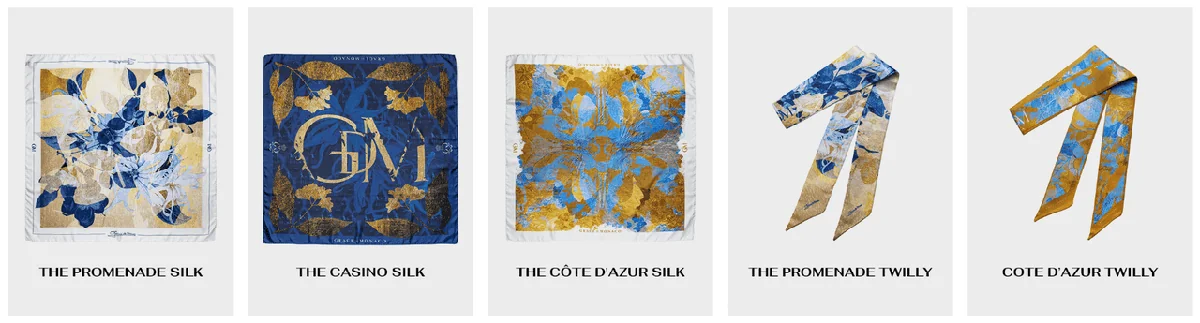
This is the phrase Grace de Monaco has staked its identity on, and it is worth unpacking rather than taking at face value. Most luxury houses that engage in philanthropy do so as an add-on: a percentage of sales from a capsule collection, a foundation funded by profits from the core business, or a single charity gala tied to a product launch. The commercial engine and the giving are separate, and the giving usually followed public pressure or competitive catch-up.
Thompson’s framing is that Grace de Monaco reverses that order. The Maison exists because the Princess Grace Foundation needed a sustainable funding source for its grants to emerging artists, not the other way around. Proceeds from GDM sales are directed toward those grants, which fund working artists in theater, dance, and film, the same disciplines Princess Grace supported during her lifetime.
Whether that structural difference translates into materially more funding for artists than a traditional foundation-plus-donations model is genuinely hard to verify from the outside. Grace de Monaco has not published figures on total funds raised or grants disbursed since launch, and that is a fair limitation to flag for anyone evaluating the “luxury for good” claim on data rather than narrative. The mission is well documented; the measurable impact, at least publicly, is not yet.
Kevin Thompson on Building a Brand for the Modern Luxury Consumer #
Asked how the brand resonates with today’s shopper, Thompson pointed to “newness” as the operative idea, not in the sense of new products, but a genuinely new category: a global luxury Maison designed from inception to benefit others, rather than one that added a giving component after establishing itself commercially.
That’s a meaningful distinction for a generation of luxury buyers who have grown skeptical of cause marketing that reads as an afterthought. Consumers who research a brand’s supply chain before buying a bag, or who check hardware and stitching against known authentication markers before trusting a resale listing, tend to apply the same scrutiny to a brand’s ethical claims. Thompson’s argument is that Grace de Monaco’s mission is structural rather than promotional, which is a stronger claim to make to that audience, provided the brand backs it with transparency over time.
He also frames the Princess Grace legacy as inseparable from the modern positioning. Grace de Monaco isn’t selling nostalgia for its own sake; it’s using a genuinely influential historical figure, one who was arguably an early template for the modern style-and-philanthropy influencer, as the throughline connecting a 1950s icon to a 2021 business model.
Craftsmanship Meets Sustainability: Inside GDM’s Design Philosophy #
On production, Thompson describes a dual mandate: adopt newer sustainable methods, such as green chemistry in fragrance production, while still meeting the craftsmanship benchmarks that legacy Maisons have upheld for over a century. In practice, that means the brand isn’t positioning sustainability as a discount on quality, a tension that has tripped up other “conscious luxury” launches that lean heavily on their values while underdelivering on construction.
For an audience that pays close attention to hardware quality, stitching consistency, and material sourcing when authenticating pieces from established houses like Hermès, this is the area worth watching most closely as Grace de Monaco’s catalog matures. Green chemistry claims in fragrance and textile production are meaningful, but they are also easy to state and hard to independently verify without third-party certification or supply chain disclosure. The brand’s public materials describe the commitment; they don’t yet detail certifications, factory partners, or material traceability the way some sustainability-forward houses have started to. That’s not a red flag, but it is a gap worth closing as the Maison scales, especially for buyers who treat sustainability claims with the same skepticism they’d apply to an authenticity claim.
Why Grace de Monaco Matters to Today’s Luxury Shopper #
Luxury’s philanthropic gestures have become so routine that they rarely differentiate a brand anymore. Limited-edition charity collaborations, percentage-of-proceeds campaigns, and foundation tie-ins are now standard marketing tools across the industry, from major fashion houses to jewelry Maisons running seasonal cause campaigns. Grace de Monaco’s pitch is that it isn’t running a campaign, it’s running a business whose entire premise is the cause.
That’s a genuinely different model from, say, a foundation funded by a percentage of a conglomerate’s annual profits, where the giving is contingent on the main business having a good year. Whether it proves more resilient or more generous over a full economic cycle remains to be seen, since the brand hasn’t been through a downturn yet. But structurally, it’s a fair point of differentiation, and it’s the kind of story that resonates with buyers who increasingly research the story behind a brand as closely as they research the stitching on a bag.
For The Luxury Closet’s audience specifically, many of whom are deeply invested in authentication, provenance, and the resale value of heritage pieces, Grace de Monaco represents a different kind of provenance question: not “is this piece genuine,” but “does this brand’s giving model hold up to scrutiny.” Both questions reward the same instinct, which is to look past the marketing copy and ask for specifics.
Balancing Royal Heritage with Modern Marketing #
Royal and historical branding is a delicate tool. Lean too hard into heritage and a brand risks feeling like a museum piece; lean too hard into modern marketing and it risks diluting the very legacy that makes it credible in the first place. Thompson’s comments suggest Grace de Monaco is trying to thread that needle by treating Princess Grace not as a static historical figure but as an early example of the modern multi-hyphenate: actress, style icon, philanthropist, and public figure, all roles that map cleanly onto how [[[[contemporary luxury](/buying-guides/valentines-day-gifts-2026-every-budget-every-kind-of-love/)](/brands/rosecore-fashion-trend-2024/)](/brands/saint-laurent-loulou-bag-review/)](/brands/top-tory-burch-handbags/) brands build digital-first identities today.
That framing gives the brand latitude to talk about heritage in the language of current influencer and creator culture without it feeling forced, since Princess Grace’s own career arguably anticipated that convergence of fame, aesthetics, and cause. Whether that resonates depends heavily on execution across digital channels, where legacy brands often struggle to sound native rather than institutional. It’s an ongoing balancing act rather than a solved problem, and Thompson’s answers suggest the brand is aware of that tension rather than assuming heritage alone will carry the marketing.
A few practical questions worth asking #
Is Grace de Monaco’s giving model verifiable? The mission and structure are clearly documented; specific figures on funds raised or artists funded since 2021 are not yet public. Treat the “brand for good” claim as directional until the Foundation or Maison publishes impact data.
How does sustainability factor into production? Thompson cites green chemistry in fragrance production as one example. The brand has not published third-party certifications or supply chain detail, so this should be read as a stated commitment rather than an independently verified practice for now.
Does the Princess Grace connection affect authenticity concerns? As with any brand tied to a recognizable legacy name, expect counterfeit risk to grow as visibility increases. Standard authentication instincts, checking hardware finish, stitching consistency, and sourcing pieces through vetted channels, apply here as they would with any established Maison.
Final Thoughts: A New Chapter in Luxury With Purpose #
Grace de Monaco’s core claim, that it was built from day one to fund artists rather than adding philanthropy after the fact, is a genuinely uncommon structure in luxury, even if the brand’s public transparency around impact hasn’t caught up to its narrative yet. Kevin Thompson’s answers make clear the Maison is leaning on Princess Grace’s own history as more than decoration, using her career as a working template for a brand trying to be both aspirational and accountable.
For readers who care as much about a brand’s story and integrity as they do about hardware and provenance, Grace de Monaco is worth following as it matures, particularly to see whether it eventually publishes the kind of impact data that would move its “luxury for good” claim from mission statement to measurable outcome.
Related Articles #
- Ralph Lauren Brand History: The Story Behind the Icon
- Hermès History: The Origin Story of a Luxury Icon
- Grace Kelly: Style Icon Behind the Hermès Kelly Bag
- 5 Iconic Bags Named After Famous Women (Buying Guide)
- Best Tory Burch Handbags Every Closet Needs (2024)
Related guides
- Online Bag Authentication: What Photos Can and Cannot Prove
- Chanel 2.55 History, Details & How to Spot a Fake
- Private Bag Edit: Hermès Kelly Authentication Blog
- Hermès Date Codes & Stamps Explained: Full Guide
- How to Buy an Authentic Luxury Bag from China Safely
- New vs Pre-Owned Luxury Bags: Which Route Is Right for You?
- Chanel Bag Guide: What to Know Before You Buy
- Luxury Bag Houses


Keyword index