Introduction: Stepping Into D&G’s Floral Paradise #
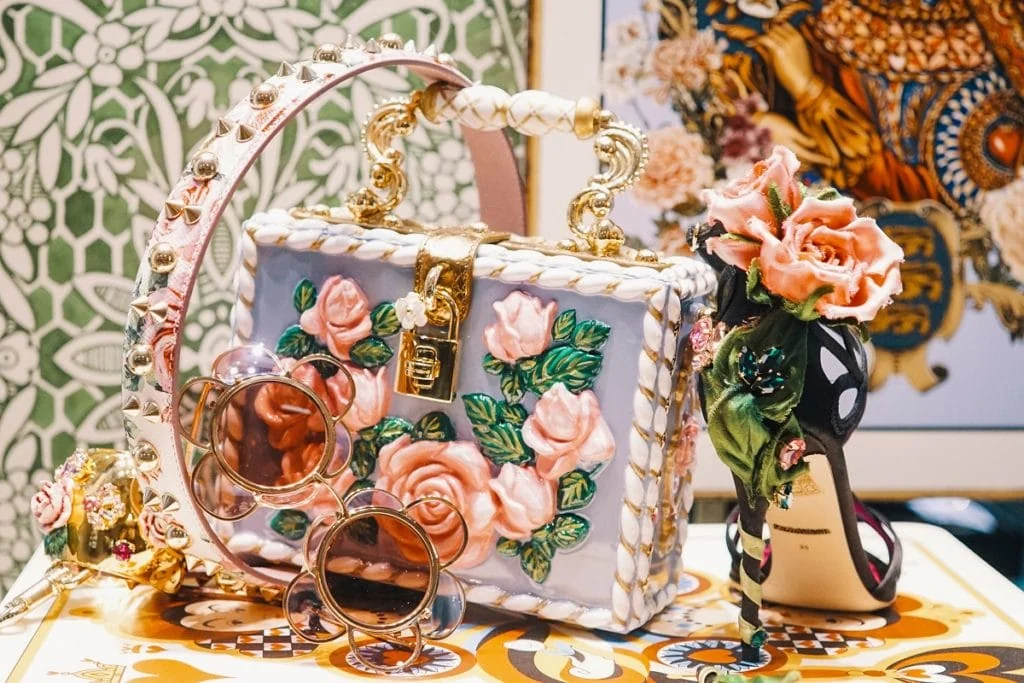
There’s a particular moment in every Dolce & Gabbana show when the lights shift and the first embroidered gown appears, and the room stops being a runway and starts feeling like a walled Sicilian garden at the height of summer. That’s the effect the brand has built its entire identity around. Roses climb up bodices, hydrangeas spill across silk, and by the time the finale looks appear, you’ve forgotten you’re watching clothes and started watching a story about a place.
For anyone who follows luxury resale closely, that story matters as much as the stitching. Dolce & Gabbana’s floral pieces, whether a Fatto a Mano gown or a printed handbag from a decade-old collection, hold value precisely because the design language is so specific and so hard to fake convincingly. Understanding where that language comes from, and what separates a well-made floral D&G piece from a rushed one, is the difference between buying a future archive piece and buying a costume.
This piece walks through the brand’s Sicilian roots, how the floral motif actually gets built by hand, where it shows up across categories, and what to check before you buy one secondhand.
From Milan to Sicily: The Brand’s Origins #
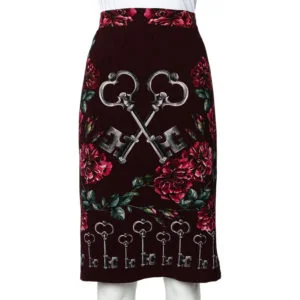
Domenico Dolce and Stefano Gabbana founded the label in 1985 and staged their first runway show in Milan that same year. It wasn’t a Sicilian collection on paper, but the DNA was already there. Early pieces leaned on angora and tulle, jersey lace, and soft, exaggerated skirts that felt more theatrical than commercial. Silk, wool, and crocheted lace quickly became house staples, materials chosen for how they drape and catch light rather than for ease of production.
What set the label apart in Milan’s fashion scene wasn’t just the fabric choices but the attitude behind them. Dolce and Gabbana have said they wanted to use the past to project it into the future, and that line has held up as an accurate description of everything they’ve made since. Instead of chasing trends, they kept returning to the same well: Sicily, Catholic iconography, opera, and old-world femininity rendered in modern cuts. That consistency is part of why the floral prints in particular have aged well. A hydrangea-print dress from a decade ago doesn’t read as dated the way a logo-heavy piece from the same era might.
The Sicilian Muse: Where the Inspiration Comes From #
Dolce and Gabbana are widely credited as the designers who put Mediterranean style on the global fashion map, and Sicily specifically is the well they keep drawing from. Domenico Dolce grew up there, and the island’s landscape, its baroque churches, its markets, and its layered history of Greek, Arab, Norman, and Spanish rule all show up in the prints in ways that are more literal than most fashion houses attempt.
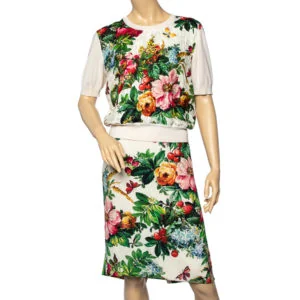
Floral motifs rarely appear alone. They’re layered with animal print, polka dots, checks, and Majolica-style ceramic patterns borrowed from Sicilian pottery, creating a visual density that’s instantly recognizable even without a logo in sight. That layering is the real signature. A single rose print is easy to imitate; a rose tangled with Majolica tiles and leopard spots, rendered with the brand’s specific color saturation, is much harder to replicate convincingly, which is one reason floral D&G pieces tend to be easier to authenticate than plain logo goods once you know what to look for.
Florals in Every Detail: Dresses, Shoes, and Handbags #
The house treats florals as a shared vocabulary across categories rather than a one-season gimmick. Roses show up embroidered onto shoe straps and woven into headbands. Hydrangeas and poppies dominate dress silhouettes, often in saturated jewel tones that read as unmistakably Sicilian rather than generic “floral.” Lilies and daisies migrate onto handbags, usually paired with structured silhouettes like the Sicily bag or top-handle totes, where the print gets room to breathe against clean leather panels.
What’s useful for buyers is that the print families tend to repeat across categories within a given collection. If a dress from a particular season features a specific poppy print, there’s often a matching or complementary bag, shoe, or scarf from the same run. That cross-category consistency is genuinely helpful when you’re trying to date a piece or confirm it belongs to a specific collection rather than being a mismatched or reworked item.
Artistry in Craft: Alta Moda and Fatto a Mano #
Alta Moda is where the floral work gets pushed furthest. The 2021 show, for example, leaned heavily on embroidery, embellishment, and theatrical silhouettes, with flowers rendered in sequins, silk thread, and in some runway moments, real botanicals. This isn’t ready-to-wear technique scaled up; it’s closer to couture embroidery houses in Italy and France, where a single gown can take hundreds of hours of hand embroidery.
Fatto a Mano, meaning “made by hand,” is the label’s more explicit nod to Italian artisanal tradition. Pieces under this line typically use techniques like appliqué, hand-beading, and multi-layer thread embroidery that machine work can’t replicate at the same density. From a craftsmanship standpoint, the tell is texture: hand embroidery has slight irregularities in stitch spacing and thread tension that give it dimension, whereas machine embroidery tends to look flatter and more uniform, even when the pattern itself is well-designed. This is also where the sustainability conversation gets interesting. Hand embroidery is inherently slower and lower-volume than machine production, which limits output but also means fewer pieces flooding the market, something that supports long-term [[resale value](/buying-guides/best-time-to-buy-a-luxury-handbag-1/)](/brands/celine-luggage-tote-guide-sizes-history-resale-value/) for buyers who care about scarcity as much as craft.
Buying Authentic Floral Dolce & Gabbana Pieces #
Floral D&G pieces are appealing on the resale market, but the print itself is also the first thing counterfeiters try to imitate, since it’s the most recognizable part of the brand. A few things to check before buying secondhand:
- Print alignment and color depth. Authentic pieces align the pattern carefully across seams, especially on dresses and structured bags. Counterfeits often show visible pattern mismatches at the shoulder or side seams, and colors tend to run flatter or slightly off-tone.
- Embroidery density and thread quality. On Alta Moda or Fatto a Mano pieces, run a finger over the embroidery. Genuine hand-embroidered florals have raised, slightly uneven texture. Overly smooth, perfectly symmetrical embroidery on a piece marketed as hand-finished is a red flag.
- Hardware and labeling. Bags should have consistent, evenly stamped hardware and a properly sewn interior label, not a printed or crooked one. Serial tags and care labels should match the era of the piece’s construction style.
- Condition grading. For resale purposes, floral prints show wear differently than solid colors, fading and thread pulls are more visible on embroidered areas, so ask sellers for close-up photos of high-contact zones like handles, hems, and embroidered edges before assuming a “good condition” grade is accurate.
- Provenance and pricing context. Floral Alta Moda pieces command a premium over standard ready-to-wear florals because of the hand-work involved. If a piece is priced well below what comparable hand-embroidered items typically sell for, that gap is worth investigating rather than treating as a bargain.
Buying from a resale platform that grades condition transparently and photographs embroidery up close makes this process far easier than buying blind from a marketplace listing.
From Sicily to the Runway: Cultural Roots of the Print #
It’s worth separating Dolce & Gabbana’s floral language from the broader trend of floral prints in fashion, because the roots are genuinely different. Gucci’s florals, especially under Alessandro Michele, leaned into a maximalist, almost Victorian eclecticism, flowers as one motif among many exotic references. Valentino has used florals more as an accent to romantic, ethereal silhouettes. Kate Spade built an entire brand identity around cheerful, graphic floral prints aimed at everyday wearability rather than heritage storytelling.
D&G’s florals sit apart because they’re anchored to one specific place and its history rather than a general mood. The Majolica pairing is the clearest example: it’s not decorative flourish, it’s a direct reference to Sicilian ceramic tradition, and Sicily’s layered occupation history by Greeks, Arabs, Normans, and Spaniards shows up in the mix of patterns the house layers with its florals. That specificity is what makes the prints feel less like a trend and more like a sustained cultural argument, which is also part of why archive floral D&G pieces have held collector interest longer than florals from brands with a looser, more seasonal approach to the motif.
FAQ #
What makes Dolce & Gabbana’s floral prints different from other designer florals? The prints are tied specifically to Sicily rather than a generic garden aesthetic, and they’re almost always layered with other Sicilian-coded patterns like Majolica ceramics, animal print, or polka dots rather than appearing on their own.
Is Fatto a Mano the same as Alta Moda? No. Alta Moda is the house’s couture line shown at exclusive events, while Fatto a Mano is a broader designation for pieces made using significant hand-craftsmanship, including hand embroidery and beading, and can appear across more accessible product lines.
How can I tell if a floral D&G bag is authentic before buying secondhand? Check print alignment across seams, embroidery texture if applicable, hardware stamping consistency, and interior labeling. Requesting close-up photos of these areas from a seller is the single most useful step.
Do floral D&G pieces hold resale value well? Generally yes, particularly Alta Moda and Fatto a Mano pieces with hand embroidery, since production volumes are lower and the craftsmanship is harder to reproduce. Condition around embroidered areas has an outsized effect on resale price, so wear in those zones matters more than on solid-color pieces.
How do I style a statement floral D&G piece without it feeling costume-y? Let the print carry the outfit and keep everything else minimal, solid-color separates, simple heels, and understated jewelry. Pairing a floral D&G bag or dress with other heavily patterned pieces usually competes with the print rather than complementing it.
Related Articles #
- Gucci Zumi Bag Guide: History, Design & Resale Value
- Dolce & Gabbana Devotion Bag: Style, Story & Value
- Dolce & Gabbana Miss Sicily Leopard Bag Style Guide
- Gucci Ophidia Shoulder Bag Review: Bag of the Week
- Handbag Trends 2024: The Bags You’ll Actually Wear
Related guides
- Online Bag Authentication: What Photos Can and Cannot Prove
- Luxury Handbag Authentication Process Explained
- China TikTok Luxury Factory Claims: Fact vs Fiction
- Chanel 2.55 History, Details & How to Spot a Fake
- How to Buy an Authentic Luxury Bag from China Safely
- New vs Pre-Owned Luxury Bags: Which Route Is Right for You?
- Chanel Bag Guide: What to Know Before You Buy
- Luxury Bag Houses


Keyword index