Introduction: The Rise of Marc Jacobs and The Tote Bag #
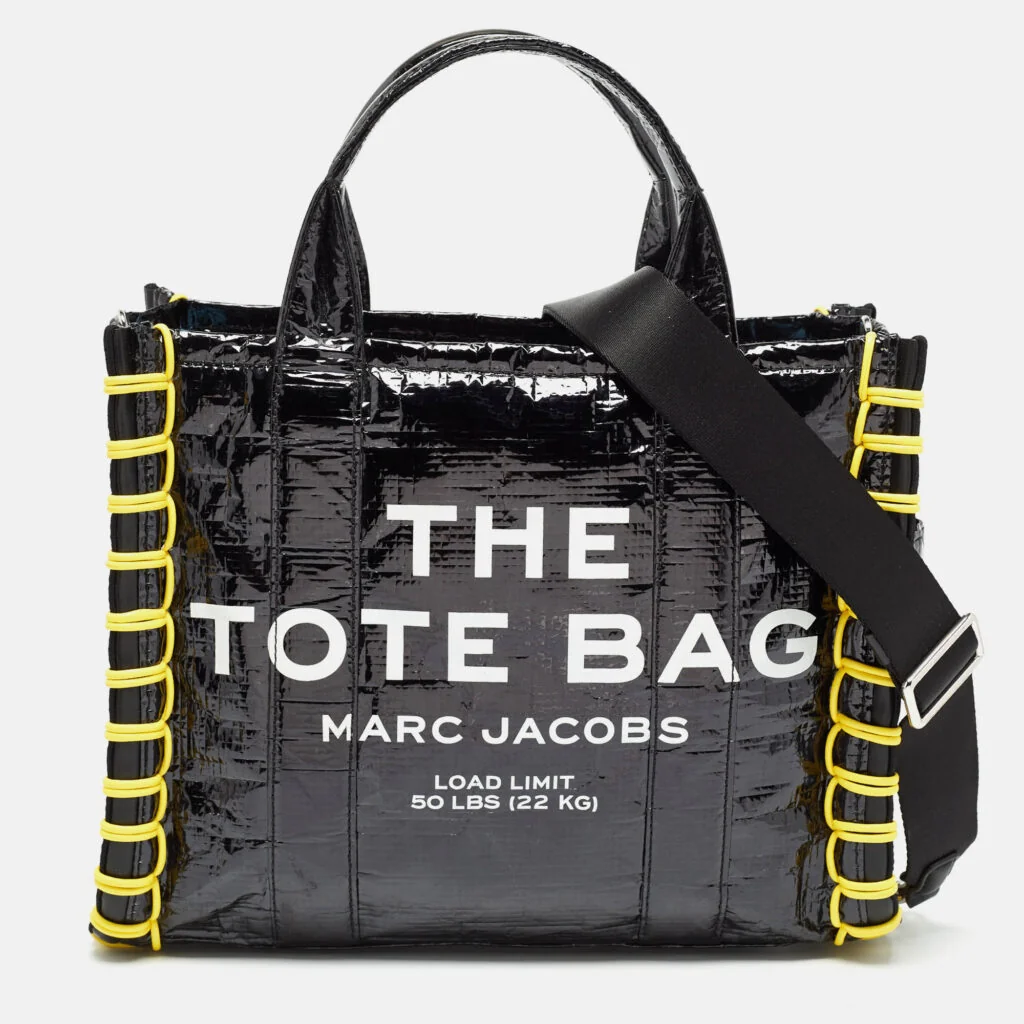
Marc Jacobs earned his reputation for turning the unexpected into desirable long before he had a label with his own name on it. His much-talked-about grunge collection for Perry Ellis in the early ’90s took flannel and thrift-store styling and put it on a runway, a move that got him fired from the brand at the time but is now taught in fashion history classes as a turning point in how designers borrowed from street culture. He launched his own house in 1984, and over the decades built a reputation for design that mixes irony with genuine craftsmanship, never taking itself too seriously while still being technically sound.
That sensibility is exactly why The Tote Bag, one of the simplest silhouettes in his handbag lineup, became one of the most recognizable accessories of the past few years. It isn’t ornate. It doesn’t lean on hardware or complicated construction. What it has is presence, and a knack for showing up in the right places at the right time. If you’re researching this bag before buying, whether new or pre-owned, it helps to understand what actually makes it worth the hype, and where it falls short.
The Story Behind The Tote Bag’s Effortless Appeal #
The Tote Bag debuted in 2019, and its rise wasn’t built on decades of brand heritage the way a Kelly or a Speedy was. It was built on timing and a very deliberate marketing stunt. Marc Jacobs placed an oversized inflatable version of the bag in the middle of New York City, and the image spread across social media almost instantly. It was a smart move: a giant vinyl tote doesn’t need much explanation, and it turned a fairly plain canvas bag into a talking point before most people had even seen it in person.
Design-wise, the bag leans into restraint. A boxy silhouette, a printed or embossed logo across the front, sturdy top handles, and an unlined or lightly structured interior depending on the version. There’s nothing technically groundbreaking here, and that’s the point. It reads as a piece that a stylish person just happens to be carrying, not a bag trying to prove something.
Positioning is where the strategy gets interesting. Marc Jacobs sits in that awkward, useful space between mass-market and true high luxury, often labeled “affordable luxury” or “accessible designer.” The Tote Bag was priced to be attainable for someone stepping into [[[[designer handbags](/buying-guides/chanel-flap-bag-buying-guide/)](/brands/celine-luggage-tote-guide-sizes-history-resale-value/)](/buying-guides/top-it-bags-worth-buying-2024/)](/brands/top-tory-burch-handbags/) for the first time, while still carrying enough brand recognition to photograph well. That’s a different value proposition than a Chanel flap or a Hermès Birkin, and it’s worth keeping in mind if you’re comparing this purchase to a true investment piece. It’s a style buy first, an investment second.
Exploring The Tote Bag Sizes: Crossbody, Small, Medium and Large #
One of the smarter things Marc Jacobs did with this design was scale it across four sizes rather than releasing a single silhouette. That range is a big part of why the bag works for so many different lifestyles.
Crossbody Tote This is the smallest and most compact version, built with a longer strap for hands-free wear rather than the double top handles seen on the larger sizes. It’s meant for the essentials only: phone, cards, keys, maybe lip balm. If you want the logo recognition without committing to a full-size bag, or you want something to layer over a jacket for a night out, this is the one. It’s not a workhorse; don’t expect it to hold much beyond the basics.
Small The small size adds a bit more room while staying close to the body. It works well as a daytime bag for someone who doesn’t carry much, or as a secondary bag paired with a larger tote for travel. It’s also the easiest of the four sizes to dress up, since it doesn’t read as overtly “bag for hauling stuff.”
Medium This is the size most people end up buying, and for good reason. It comfortably fits a slim wallet, sunglasses case, a paperback, and the usual daily clutter, without tipping into “I’m moving apartments” territory. It’s the one that photographs the way you’ve probably seen it online, structured but not stiff, and it transitions from desk to dinner reasonably well.
Large The large tote is the one built for actual utility. It can fit a laptop, a change of shoes, gym clothes, or serve as a weekend carry-on companion. It’s less precious and more functional, which also means it slouches more with use, especially in canvas. If you’re buying this size expecting it to hold its shape like a structured leather tote, you’ll be disappointed. Buy it because you need the capacity, not because you want a sharp silhouette.
Standout Colorways and Editions Worth Considering #
Rather than treating every seasonal drop as equally worth your money, it’s more useful to think in terms of material and edition groupings, since that’s what actually affects durability, versatility, and how the bag ages.
Classic monogram canvas The logo-print canvas versions are the most recognizable and generally the most affordable entry point. They’re lightweight and forgiving day to day, but the trade-off is that canvas shows wear faster than leather, and the corners are prone to fraying with heavy rotation. If you want the look without the biggest spend, this is the practical choice, just don’t expect it to look pristine after a year of daily use.
Leather editions The full leather versions cost more but age with more character. They resist scuffing better than canvas and tend to hold their shape longer, which matters more in the large size than the small one. If you’re choosing between canvas and leather and plan to use the bag as a daily workhorse, leather is the better long-term buy despite the higher upfront cost.
The Tarp collection This is where the design gets more interesting. The Tarp editions mix leather with PVC panels and add contrast whipstitching along the seams, which gives the bag a more technical, utilitarian look than the standard canvas or smooth leather versions. A black leather body with yellow whipstitch detailing, for example, has a sportier edge that reads less “logo bag” and more “considered design choice.” The PVC paneling is genuinely useful for weather resistance, but worth noting: PVC can stiffen or show creasing over time in a way that leather doesn’t, so if you’re buying pre-owned, check those panels closely for cracking before committing.
Across all of these, the throughline is versatility. The silhouette barely changes, so your decision really comes down to how the material fits your actual routine, not which one looks best in a product photo.
How The Tote Bag Fits Into Everyday Styling #
This is a bag that earns its keep in casual and semi-dressed-up settings, less so in genuinely formal ones. The boxy shape and visible branding read as easy, put-together weekend wear rather than red-carpet polish, and styling it accordingly gets the best results.
For daytime, the medium size works well slung over a blazer or a simple button-down and jeans combination, letting the bag do the talking without competing with a busy outfit. It also pairs surprisingly well with tailoring, oversized trousers, a structured coat, since the clean lines of the bag don’t clash with sharper silhouettes the way a heavily embellished bag might.
For evening, the small or crossbody size is the more sensible choice. The large and medium totes, while practical, don’t have the refinement to feel intentional at dinner or a bar; they read as “I came from work,” which isn’t always the vibe you’re going for.
One honest note from carrying this bag regularly: the open-top styles without a zipper closure are convenient for quick access but not ideal in crowded settings like transit or festivals, where a securely closing bag matters more. If you’re a frequent traveler or live somewhere pickpocketing is a real concern, factor that into which size and closure you choose.
Buying Advice: New vs Pre-Owned, and Is It Worth It #
Buying new gets you a full warranty, the current season’s colorways, and peace of mind on authenticity, but you’re paying full retail for a bag that isn’t going to hold value the way a Chanel or Hermès piece might. This is a style-driven purchase, not a long-term investment, and it’s worth going in with that expectation rather than assuming resale demand will offset the cost down the line.
Buying pre-owned is where this bag actually makes a lot of sense, for a few reasons. First, the price gap between new and gently used is often meaningful, since the bag hasn’t built the kind of collector demand that keeps resale prices close to retail. Second, because the design has stayed fairly consistent season to season, an older pre-owned piece often looks nearly identical to what’s currently in stores, so you’re not sacrificing much aesthetically by going pre-loved. Third, canvas and leather both age in ways that are easy to inspect, so a well-vetted pre-owned piece can be a genuinely smart buy if you check condition carefully.
When shopping pre-owned, pay close attention to:
- Corner and base wear, especially on canvas versions, since this is where fraying starts first
- Hardware tarnish or discoloration on the logo plate and zipper pulls
- PVC panels on Tarp editions for cracking or stiffness
- Handle stitching, which takes the most stress from repeated lifting
- Interior lining for staining, since many versions have minimal or unlined interiors that show marks easily
Buy from resale platforms or sellers that authenticate before listing, and ask for close-up photos of hardware stamps and stitching if they aren’t already provided. This isn’t a bag with widespread counterfeit sophistication like a Birkin, but fakes do exist given how recognizable the design is.
Is it worth it? If you want a genuinely useful, well-designed bag with real brand recognition at a lower price point than most designer handbags, yes. If you’re buying with resale value or long-term investment as a primary motivation, this isn’t the piece to build that strategy around. Buy it because you’ll use it, not because you expect it to appreciate.
FAQs About Marc Jacobs The Tote Bag #
Is the Marc Jacobs Tote Bag good quality? For its price point, yes. The canvas versions are sturdy for daily use but show wear faster than leather. The leather and Tarp editions hold up better over time but cost more upfront.
What size Marc Jacobs Tote Bag fits a laptop? The large size is the one built to accommodate a laptop along with other daily items. The medium can fit a smaller laptop or tablet depending on the model, but it’s a tighter fit.
Does the Marc Jacobs Tote Bag hold its resale value? Not particularly well compared to heritage luxury brands. It’s a style purchase rather than an investment piece, though pre-owned demand exists due to the bag’s continued popularity.
Is canvas or leather better for the Marc Jacobs Tote Bag? Leather ages better and resists scuffing, making it the stronger choice for daily heavy use. Canvas is lighter and more affordable but shows wear, especially at the corners, more quickly.
Is it worth buying the Marc Jacobs Tote Bag pre-owned? Yes, in many cases. The design has stayed consistent across seasons, and the price gap between new and pre-owned can be significant, making pre-loved a smart option if condition is carefully checked.
Which size Marc Jacobs Tote Bag is best for everyday use? The medium size is the most versatile for daily carry, balancing capacity with a manageable, structured shape that works across casual and semi-dressed-up outfits.
Related Articles #
- Popular Handbag Brands: Which One Is Right for You?
- Why the Chanel Crossbody Bag Never Goes Out of Style
- Louis Vuitton Handbag Prices Guide 2024 | Speedy, Neverfull
- Best It Bags to Buy This Year: A Definitive Guide


Keyword index