Introduction #
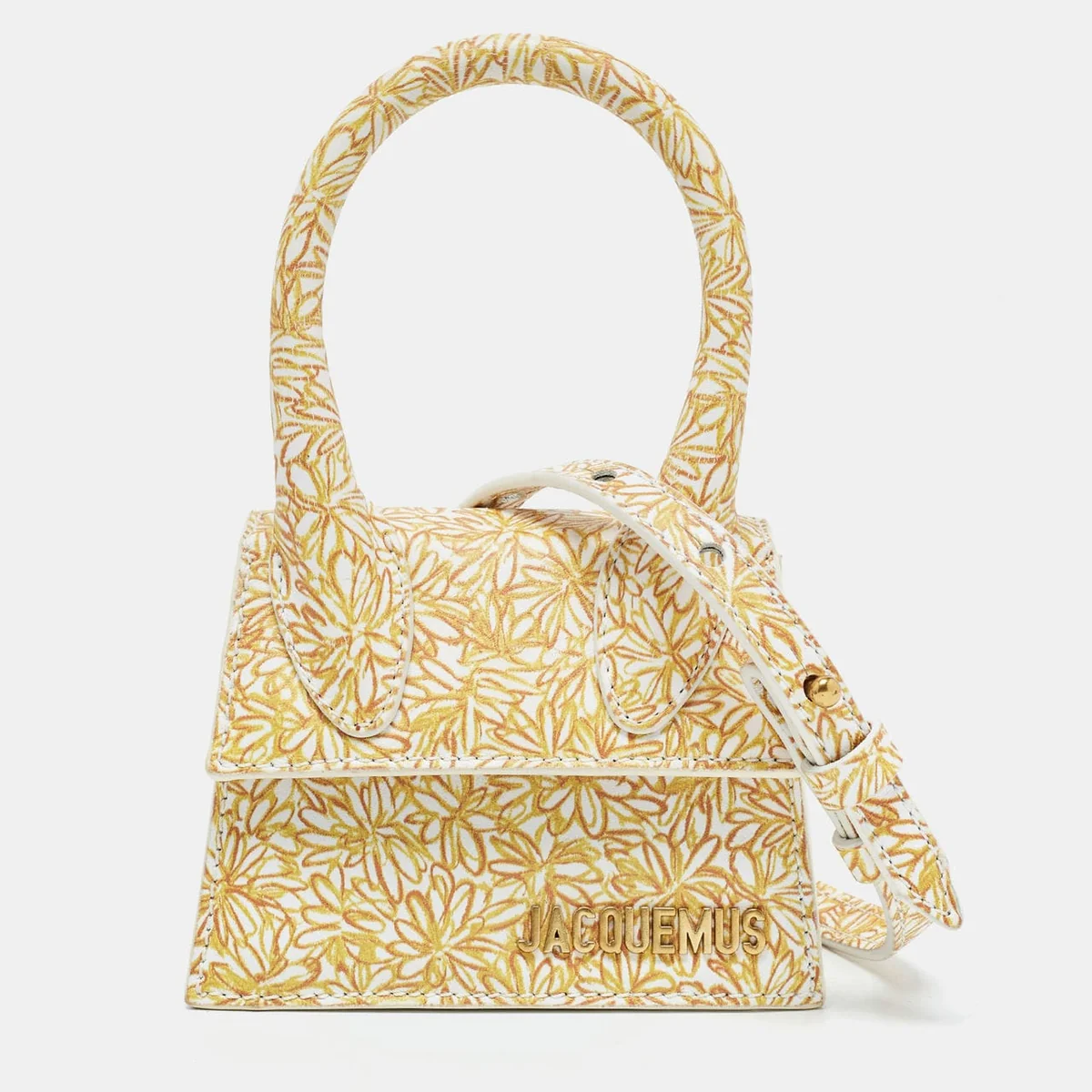
Simon Porte Jacquemus once called fashion poetry, and after nearly fifteen years of watching this brand operate, I’d argue he’s written some of the most quotable verses in contemporary accessories. Since founding the label in 2009, Jacquemus has built a reputation on proportion play, sun-bleached Provençal styling, and a knack for turning a single accessory into a cultural moment. The oversized Le Bambino tote walking a runway on the back of a model like a piece of furniture. The store windows that look more like art installations than retail. And then, the bag that arguably did more for the brand’s global visibility than anything else: the Le Chiquito.
If you’ve spent any time on Instagram or watched a paparazzi shot of Dua Lipa or a Kardashian in the last few years, you’ve seen this bag, even if you didn’t know its name. It’s tiny, almost comically so in some versions, and it helped kick off the micro-bag obsession that dominated luxury fashion through the early 2020s. For shoppers now considering one, whether new or pre-owned, it’s worth understanding exactly what you’re buying into, because this bag has a longer, more layered story than most of its Instagram moment suggests.
The Rise of the Le Chiquito: Origins and Design Philosophy #
The Le Chiquito debuted at Jacquemus’s Spring/Summer 2018 show, at a point when the fashion conversation was still firmly fixated on oversized totes and the “logo bag” era of Louis Vuitton, Gucci and Fendi. Jacquemus went the opposite direction. The name comes from the Spanish word for “tiny,” and the bag delivered exactly that: a compact, structured silhouette with a rolled top handle that looked almost architectural against the brand’s flowing, minimalist ready-to-wear.
What made it more than a novelty was the design logic behind it. Jacquemus wasn’t just shrinking a normal bag for shock value, he was making a statement about proportion and femininity that fit the brand’s broader aesthetic of exaggerated silhouettes, whether oversized or minuscule. The Le Chiquito’s boxy shape, clean seams and rolled handle gave it a sculptural quality that read as art object as much as accessory.
By 2019, demand had outpaced what the original size could satisfy, and Jacquemus released the Mini Le Chiquito, a version so small it’s often described as fitting in the palm of your hand or being pinched between two fingers. This is the point where I’d argue the Le Chiquito genuinely pioneered the mini bag trend that Jacobs, Prada and Coperni all leaned into over the following years. Jacquemus wasn’t following a trend here, it was setting one.
Exploring the Le Chiquito Family: Sizes and Variations #
One thing that trips up first-time buyers is assuming “Le Chiquito” refers to one bag. In reality, it’s a family with meaningfully different use cases, and picking the wrong size is the most common regret I hear from readers who bought based on the viral photo alone rather than their own needs.
- Le Chiquito (original): The size that debuted in 2018. Small by conventional standards but genuinely usable, it holds a phone, cards, keys and lip product without much squeezing.
- Mini Le Chiquito: The viral version. Charming, photogenic, and functionally almost decorative. It fits a card case and maybe a folded bill. If you want this bag as a fashion statement rather than a workhorse, this is the one people mean when they say “the tiny Jacquemus bag.”
- Le Petit Chiquito: A slightly more generous take than the Mini, aimed at buyers who loved the aesthetic but wanted a touch more practicality.
- Le Chiquito Long: An elongated silhouette with a longer handle drop, closer to a baguette shape. This is the most wearable of the family for daily errands, in my opinion, because it sits more comfortably under the arm.
- Le Chiquito Moyen: “Moyen” means medium in French, and this size bridges the gap between the mini novelty pieces and genuinely functional handbags.
- Le Chiquito Noeud: Distinguished by a decorative knot detail at the handle, this variation leans more ornamental and is popular with buyers who already own a Le Chiquito and want a design variant rather than a size upgrade.
- Le Grand Chiquito: The full-size, practical answer to everyone who loved the design but found the mini versions impractical. This one can genuinely function as an everyday bag.
My advice: if you want the design language everyone recognizes but plan to actually carry a bag daily, look at the Long or Moyen. If you’re buying for the aesthetic, collectibility, or to complete a look for a specific occasion, the Mini or original size delivers that instantly recognizable silhouette.
Celebrity Appeal and Cultural Impact #
The Le Chiquito’s rise wasn’t organic in the slow-build sense, it was accelerated hard by celebrity styling. Dua Lipa became closely associated with the bag early on, photographed with it repeatedly during a period when street style photography was still a major driver of “It bag” status. Members of the Kardashian-Jenner family picked it up shortly after, which, whatever your opinion of that family’s influence, reliably pushes a piece from niche fashion-crowd favorite into mainstream must-have.
Social media did the rest. The Mini Le Chiquito in particular became a recurring subject of “the smallest bag in fashion” commentary and memes, which sounds like it could hurt a luxury brand’s image but actually did the opposite here. It kept Jacquemus in constant conversation, and conversation converts to desirability in a way traditional advertising rarely does at this speed. It’s a case study I still bring up when discussing how a relatively young brand can outmaneuver heritage houses on cultural relevance, even if not yet on scale.
Design, Craftsmanship and Everyday Wearability #
Here’s where I’ll give you the honest editor’s take rather than the marketing version. The Le Chiquito is genuinely well made. The leather Jacquemus uses across the range is soft but structured enough to hold the boxy shape without collapsing, and the stitching on pieces I’ve examined is clean, with no loose threads or uneven seams at the handle joints, which is often where cheaper construction shows first.
That said, there are real trade-offs. The rolled top handle, while iconic, isn’t the most comfortable for extended carrying, particularly on the smaller sizes where there’s not much handle to grip in the first place. The Mini and original Le Chiquito are also, frankly, not very functional. If you need a bag that holds a wallet, sunglasses case and a water bottle, look elsewhere in the Jacquemus range or size up to the Grand. The hardware is attractive but not the most robust in the luxury tier, and I’d treat these bags with more day-to-day care than you would a Chanel flap or an Hermès Kelly.
The upside is versatility in styling. The rolled handle works as a top-handle carry, and most versions come with a slim strap that lets you wear it crossbody or on the shoulder, which gives you more outfit flexibility than the size might suggest. For a special-occasion piece or a statement accessory in a work-to-dinner wardrobe rotation, it earns its place. For someone who needs one do-everything daily bag, it’s not that bag.
Is the Le Chiquito Bag a Smart Investment? #
This is the question I get most from readers with a collector’s mindset, and I’ll be straight about it: the Le Chiquito is a fun, culturally significant piece, but it doesn’t behave like an investment-grade bag in the way a Hermès Birkin or a [[[[Chanel Classic Flap](/buying-guides/chanel-flap-bag-buying-guide/)](/prices-and-value/chanel-classic-flap-bag-luxury-investment/)](/buying-guides/vintage-chanel-finds-top-picks/)](/buying-guides/designer-must-have-bags/) does.
Jacquemus is a younger brand without the decades-long resale infrastructure or the artificial scarcity models that drive appreciation at Hermès. Prices on Le Chiquito bags have stayed relatively stable at retail, but resale values generally sit below original retail once a bag has been worn, which is fairly typical for contemporary designer accessories outside the handful of true “investment bag” houses. Limited or novelty prints, like florals or unusual colorways, can hold value slightly better because they’re harder to find secondhand and carry more collector appeal, but I wouldn’t buy a Le Chiquito expecting it to appreciate the way a vintage Chanel might.
Where it does perform well is cultural relevance and liquidity. Because the bag is instantly recognizable and still in demand, it tends to sell reasonably fast on the resale market compared to lesser-known designer pieces, even if the price isn’t dramatically higher than what you’d pay pre-owned. If you’re buying purely for financial upside, this isn’t your strongest candidate. If you’re buying because you love the design and want a piece that will still find a buyer easily down the line, it’s a reasonably safe bet.
Where to Buy: New vs Pre-Owned #
Buying new gets you the full retail experience, current-season colorways, and no wear to worry about, but you’re paying full price for a bag that, as discussed, doesn’t hold its value like a heritage house piece. Buying pre-owned is where I’d point most shoppers, especially those chasing a specific print or an earlier-season colorway no longer in production.
The trick with pre-owned Jacquemus is going through a reputable authenticator rather than a marketplace with no verification process, since counterfeits of viral bags like this one are common. A well-curated resale platform will also give you access to discontinued prints, which is genuinely one of the more compelling reasons to shop pre-owned here. The Floral Print Mini Le Chiquito, in a yellow and white palette with gold-tone hardware, is a good example of the kind of piece worth watching for: the boxy structure, rolled handle and floral exterior give it more personality than the solid-color versions, and prints like this tend to disappear from the current lineup faster than staple colors, making pre-owned often the only realistic route to finding one.
Whichever route you choose, check the leather for cracking around the handle roll, inspect the stitching at stress points, and confirm hardware isn’t overly tarnished, since these are the areas that show age first on this particular bag.
FAQs #
Is the Jacquemus Le Chiquito bag practical for daily use? The original, Long, Moyen and Grand sizes are reasonably practical. The Mini and Petit versions are better suited to occasion wear or as a statement accessory rather than an everyday carry-all, since they hold very little.
How much does a Le Chiquito bag cost? Retail pricing varies by size and material, generally ranging from a few hundred dollars for the smallest versions to over a thousand for the Grand Chiquito in leather. Pre-owned pricing depends heavily on condition, rarity of the print or colorway, and size.
Does the Le Chiquito hold its resale value? Not in the way a Hermès or Chanel bag does. It holds cultural relevance and sells reasonably well on the resale market, but don’t expect appreciation above retail except in rare, sought-after prints.
How can I tell if a pre-owned Le Chiquito is authentic? Check the stitching consistency, the quality and weight of the hardware, the leather grain, and the interior branding stamp. Buying through an authenticated luxury resale platform removes most of the guesswork and risk.
How do I care for a Le Chiquito bag? Store it stuffed with tissue to hold its boxy shape, keep it away from direct sunlight to prevent color fading on printed versions, and avoid overloading the smaller sizes, since the structured leather isn’t designed to stretch.
Related Articles #
- 5 Most Popular Chanel Bags You Need to Know
- How Pre-Owned Luxury Fashion Is Reshaping the Industry
- Luxury Designer Pieces to Buy Now: Editor’s Picks


Keyword index