Introduction#
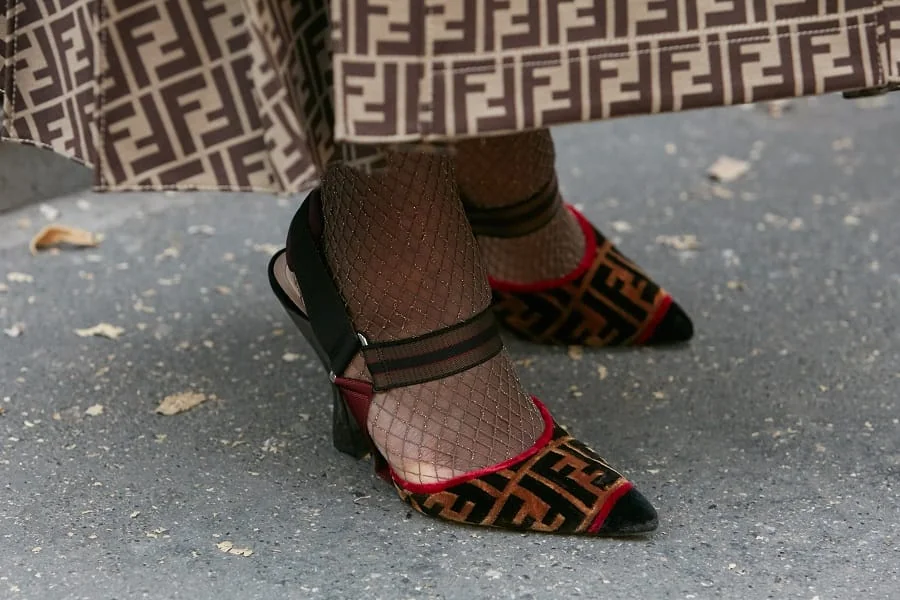
Fendi has spent nearly a century building a reputation on precision leatherwork and a willingness to push traditional ateliers into strange, wonderful directions. Under Karl Lagerfeld, then Silvia Venturini Fendi, and now Kim Jones, the house has given us the Baguette, the Peekaboo, and a handful of shoe styles that punch well above their category. The Fendi Colibri sandals belong in that second group. They’re not as famous as the house’s bag icons, but among people who actually track Fendi’s shoe archive, the Colibri is considered one of the label’s smartest hybrid designs — part slingback, part sneaker, and entirely its own thing. This is a closer look at why it earned that reputation, what you’re actually paying for, and whether it still holds up as a buy in 2024.
The Story Behind the Colibri: Runway Debut and Rise to Fame#
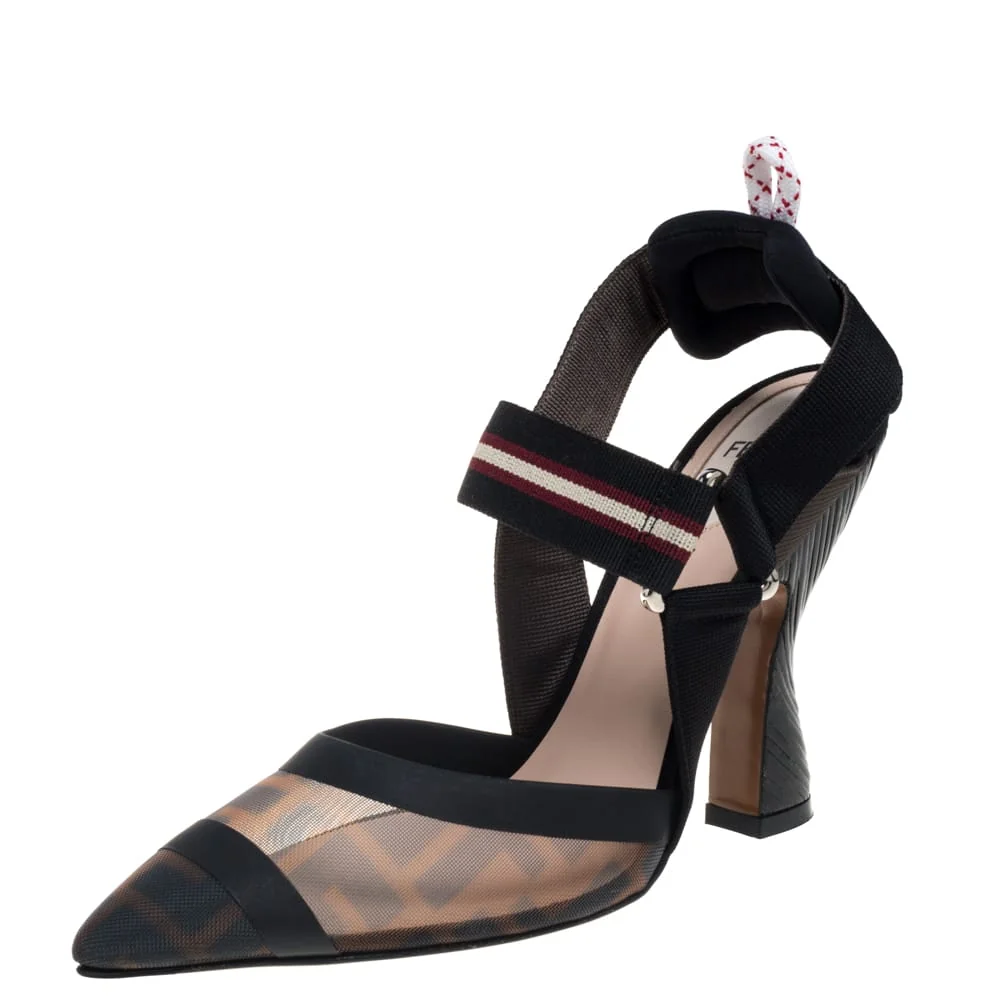
The Colibri debuted on Fendi’s Spring/Summer 2018 runway, and the name is a direct nod to the hummingbird — colibrì in Italian. The reference wasn’t decorative. The shoe was built around the idea of lightness and iridescent color-shifting, the same qualities that make a hummingbird’s plumage catch light from different angles. That’s why so many Colibri colorways use mesh, mixed textiles, and multi-tonal fabric rather than a single flat leather — the shoe is meant to shimmer and change depending on how it moves.
It didn’t stay a runway curiosity for long. Vanessa Hudgens and Emmy Rossum were both photographed in Colibri slingbacks not long after the SS18 show, which helped push the style into the “if you know shoes, you know this one” category rather than a one-season trend. Fendi leaned into that momentum with #MyFendiColibri, a made-to-order program offered in select boutiques that let clients customize toe shape, ribbon strap color, and heel height. That customization angle is worth flagging for anyone shopping resale today — no two Colibri pairs are guaranteed to be identical, which matters when you’re trying to value a used pair later.
Shoe Anatomy: Design and Craftsmanship#
This is where the Colibri earns its Shoe Spotlight slot. The silhouette reads as a classic pointed-toe slingback, but the construction borrows heavily from sneaker-making, which is an unusual and genuinely clever choice for a dress sandal.
A few details worth knowing before you buy:
- Thermo-heated vamp ribbons – the crossover straps across the toe are bonded using heat rather than stitched, which eliminates visible seams and gives the front of the shoe a smooth, almost molded finish.
- Cushioned counter panels – the heel cup is padded in a way you’d expect from a trainer, not a slingback. This is the single biggest reason the Colibri is more wearable than most pointed-toe sandals in its price bracket.
- Hand-twisted pull-tabs – a small sporty detail at the back that also happens to make the shoe easier to slip on and off, which matters more than it sounds once you’ve worn heels through a full evening.
- The curved, sculpted heel – lower and more architectural than a standard stiletto, it’s part of why the shoe photographs so well and also why it feels more stable underfoot.
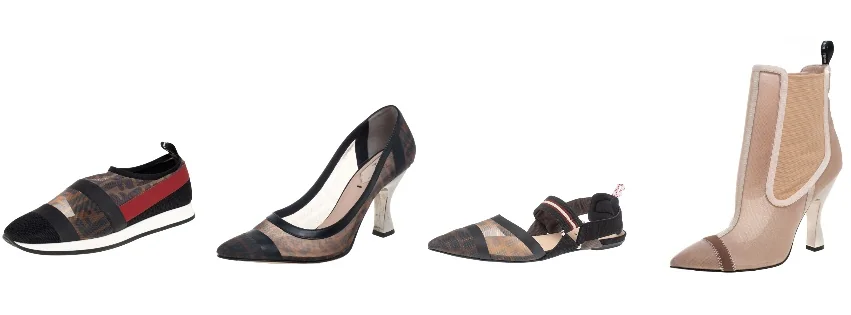
Every pair comes out of Fendi’s Roman workshop, and the quality shows in the small things — clean edge finishing, consistent stitching where stitching is used, and hardware that doesn’t feel bolted on as an afterthought. The style has also been reissued across mesh, fabric, and leather versions, plus a low-top sneaker variant, so “Colibri” now covers a small family of shoes rather than one single design.
Styling the Fendi Colibri Sandals#
The pointed toe and slingback strap make these read as dressy from a distance, which is exactly why they’re more versatile than they look. I’ve found they do their best work in two very different modes.
For evening, they pair naturally with a slip dress or tailored trousers — the sculpted heel keeps the silhouette from looking overly ornate, so they don’t compete with statement jewelry the way a more embellished sandal would. For daytime, the sneaker-inspired cushioning actually holds up with wide-leg denim or a midi skirt, which is not something you can say about most designer slingbacks.
Where they fall short: this is not an all-day-standing shoe. The padding helps, but it’s still a slim slingback strap and a pointed toe box, so anyone with wider feet will want to size up slightly or expect some pressure across the top of the foot after a few hours. If your closet is mostly casual, a Colibri sneaker or low-heel version will get more wear than the sandal.
Price, Where to Buy, and Resale Value#
Retail pricing for the Fendi Colibri sandals has generally sat in the $800–$1,100 range depending on material — mesh and fabric versions typically price lower than leather, and limited #MyFendiColibri customizations can run higher. Fendi boutiques and Fendi.com are the safest first stop for current-season colorways, but since this style has been in and out of production since 2018, resale and consignment platforms are often where you’ll find the more distinctive prints.
On the resale side, Fendi Colibri sandals in good condition typically trade at roughly 40–60% of original retail, with well-preserved box sets and rarer colorways holding value better than basic tonal pairs. As with most designer shoes, resale value tracks condition closely — scuffed heel tips, discolored mesh, or a stretched ribbon strap will drop the price fast, since buyers on the secondary market are paying largely for how the shoe still looks and photographs. If you’re buying with resale in mind, prioritize a distinctive colorway with the original box, and keep the shoes out of direct sun, since some of the fabric versions are prone to fading.
For anyone shopping pre-owned, buy from platforms that authenticate designer shoes rather than general marketplaces — the mesh and ribbon detailing on the Colibri is more distinctive than most Fendi leather goods, but counterfeits of popular styles still circulate.
Final Verdict: Are They Worth It?#
The Fendi Colibri sandals are one of the more thoughtfully engineered slingbacks in Fendi’s catalog, and the sneaker-construction details genuinely make a difference in comfort — that’s not marketing language, it’s the reason this shoe has stayed relevant since 2018 instead of fading with the SS18 season. The craftsmanship out of the Roman atelier is consistent, and the styling range is wider than the shoe’s dressy first impression suggests.
The honest downsides: it’s still a pointed-toe slingback, so long-wear comfort has a ceiling, and because it’s been produced across so many materials and made-to-order variations, pricing and resale value can swing noticeably from pair to pair. This isn’t the shoe for someone who wants one universally “safe” price point.
I’d recommend it to shoppers who want a genuinely well-constructed slingback with a design story behind it, and to collectors who are comfortable doing a bit of homework on colorway and condition before buying resale. If you want maximum comfort with zero research required, look elsewhere in Fendi’s shoe line. If you want a piece with real design substance, the Colibri earns its spot.
FAQ#
What inspired the Fendi Colibri sandal design? The name and design reference the hummingbird (colibrì in Italian), reflecting the bird’s lightness and shifting, iridescent coloring — hence the frequent use of mesh and multi-tonal fabrics.
How much do Fendi Colibri sandals cost new? Retail pricing generally falls between $800 and $1,100 depending on material, with mesh and fabric versions typically at the lower end and customized #MyFendiColibri pairs often priced higher.
Are Fendi Colibri sandals comfortable? More comfortable than most pointed-toe slingbacks thanks to cushioned heel counters borrowed from sneaker construction, but they’re still not built for extended all-day wear.
Do Fendi Colibri sandals hold resale value? Yes, reasonably well for a shoe. Expect roughly 40–60% of retail for pairs in good condition, with rare colorways and complete original packaging performing best.
Is #MyFendiColibri still available? Availability has varied by boutique and season, so check directly with Fendi stores for current made-to-order options rather than assuming it’s universally offered.
Related Articles#
- Fendi Baguette Review: Still Worth It in 2024?
- Saint Laurent Kate Bag Review: Style, Fit & Resale Value
- Spring/Summer 2014 Designer Shoe Trends to Know
- 7 Popular Prada Bags Worth Investing In (2024)
- Best It Bags to Buy This Year: A Definitive Guide
Related guides
- Online Bag Authentication: What Photos Can and Cannot Prove
- Fake Goyard Bag Guide: How to Spot Real vs Fake (2026)
- How to Spot a Fake Chanel Flap Bag: Authentication Guide
- How to Spot a Fake Hermès Birkin: Expert Checklist
- How to Buy an Authentic Luxury Bag from China Safely
- New vs Pre-Owned Luxury Bags: Which Route Is Right for You?
- Chanel Bag Guide: What to Know Before You Buy
- Luxury Bag Houses


Keyword index