Introduction #
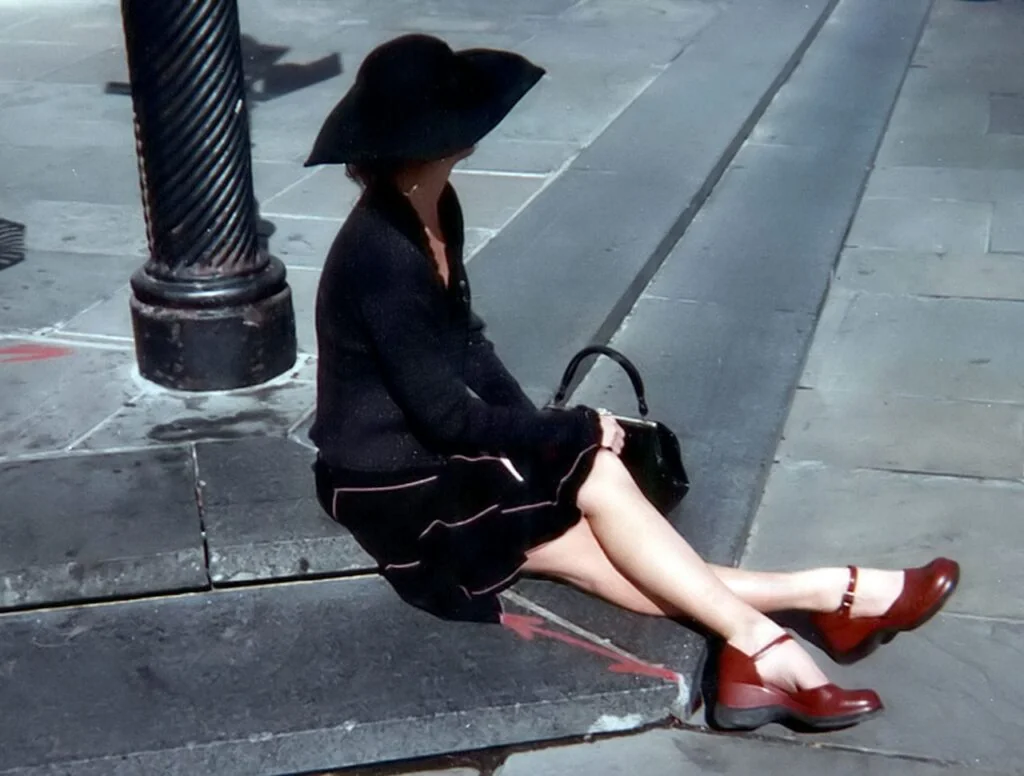
Walk through any flagship boutique on Sloane Street, Avenue Montaigne, or Rodeo Drive and the customer base tells its own story: luxury fashion is overwhelmingly bought, worn, and championed by women. Industry estimates consistently put women’s spending at well over half of global luxury goods revenue, and in categories like handbags and jewelry, that share climbs higher still.
Yet flip through the roster of maisons whose logos appear on those bags and boxes, and a different picture emerges. Louis Vuitton, Hermès, Gucci, Prada, Fendi, Bottega Veneta, Cartier, Rolex — nearly all were founded by men. Of the handful of houses with a female name on the original papers, several were later absorbed, restructured, or handed to male designers within a generation or two.
That’s the paradox worth sitting with before you spend serious money on a handbag, a watch, or a piece of fine jewelry: the industry runs on women’s taste and women’s spending power, but women’s authorship of it has been the exception, not the rule.
What makes the story compelling isn’t just who built what. It’s how a relatively small group of women — as founders, as creative directors brought in to revive houses they didn’t start, and now as CEOs running some of the largest fashion conglomerates in the world — reshaped what luxury even means. This piece traces that arc chronologically: from Coco Chanel and Jeanne Lanvin building maisons from nothing in the early 20th century, through the creative directors who took over legacy houses decades later and gave them new cultural relevance, to the executives currently setting strategy at brands most of us recognize on sight. Understanding this history isn’t just trivia for dinner parties — it’s context that matters when you’re evaluating a house’s design DNA, its resale strength, and whether its current direction is likely to hold up over time.
Pioneering Founders: The Women Who Built Iconic Maisons #
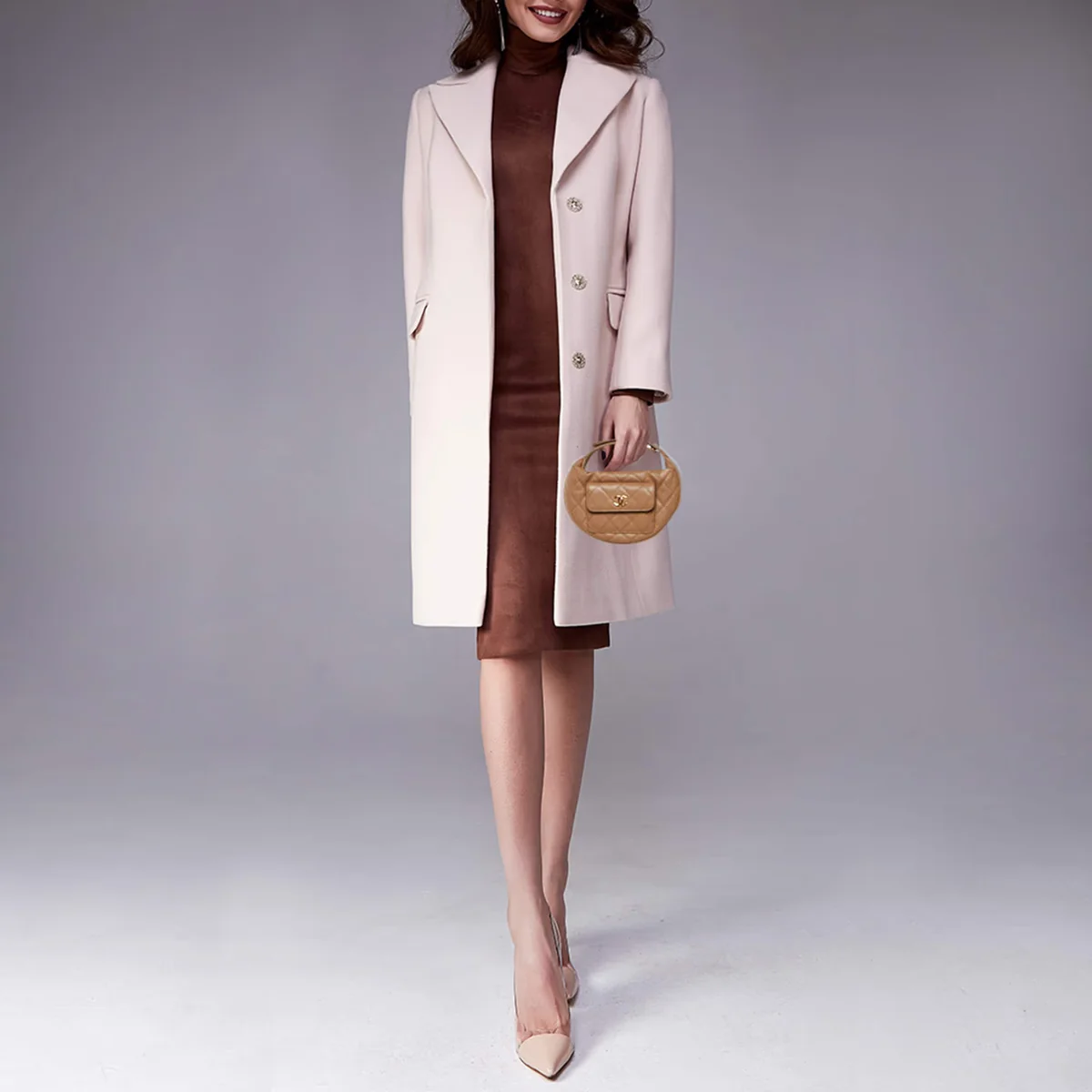
Only a small number of today’s major luxury houses were founded by women, but the ones that were tend to be the houses with the most distinctive point of view — because their founders built them around a personal philosophy rather than a market gap.
Coco Chanel (House of Chanel, founded 1910) Gabrielle “Coco” Chanel opened a millinery shop at 21 Rue Cambon in Paris in 1910, before expanding into couture later that decade. Her core idea was almost radical for the era: clothing should let a woman move. She stripped away corsetry, borrowed from menswear, and built a wardrobe around jersey, tweed, and the two-tone shoe. In 1921 she launched Chanel No. 5, arguably the most commercially significant fragrance ever created, and in 1924 she partnered with industrialist Pierre Wertheimer to form Parfums Chanel — a deal that funded the house for decades and still defines its ownership structure today. The Wertheimer family retains control of Chanel; it has never gone public and never will, by design. That single business decision from a century ago is part of why Chanel behaves the way it does now: no shareholder pressure, no quarterly earnings calls, just long-term brand stewardship.
Jeanne Lanvin (House of Lanvin, founded 1889) Lanvin is, on paper, the oldest continuously operating French fashion house still trading under its founder’s name. Jeanne Lanvin started as a milliner, then began designing for her young daughter, Marguerite — those romantic, full-skirted children’s outfits evolved into the “robes de style” that made Lanvin’s reputation in the 1920s. She also developed the shade now known as “Lanvin blue,” drawn from a Fra Angelico fresco, still used across the brand’s identity. What’s worth noting honestly: Lanvin’s design continuity didn’t survive as cleanly as Chanel’s. After Jeanne’s death in 1946, the house passed through several owners and design teams, and it has changed hands repeatedly since — most recently coming under the Fosun-backed Lanvin Group. The founder’s philosophy is part of the brand’s heritage story now more than its current design language.
Elsa Schiaparelli (House of Schiaparelli, founded 1927) Schiaparelli was Chanel’s great rival, and her house was built on the opposite instinct — spectacle rather than restraint. The Italian-born designer collaborated directly with Salvador Dalí, producing the Lobster Dress and the Tears Dress, and popularized “Shocking Pink” as a signature color. She closed her house in 1954, the same year Chanel reopened hers after the war, and the brand went dormant for decades. Its 2010s revival under new ownership (Diego Della Valle’s Tod’s Group) and current creative director Daniel Roseberry has leaned hard into that surrealist archive, which is a useful case study: the founder’s aesthetic can outlive the founder by 70 years if a house chooses to mine it properly.
A Chronological Timeline of Founding Eras #
- 1889 — Jeanne Lanvin opens her millinery shop, later expanding into couture.
- 1910 — Coco Chanel opens her first shop in Paris.
- 1924 — Chanel partners with Pierre Wertheimer to launch Parfums Chanel.
- 1927 — Elsa Schiaparelli establishes her Paris couture house.
- 1952 — Gaby Aghion founds Chloé, introducing luxury ready-to-wear as an alternative to formal couture.
- 1954 — Schiaparelli’s house closes; Chanel reopens the same year.
The pattern across these founders is consistent: each built a maison around a personal conviction about how women should dress, not around a licensing strategy or a market study. That’s part of why their names still carry weight — the philosophy is traceable to one woman’s actual decisions.
Creative Directors Who Transformed Established Houses #
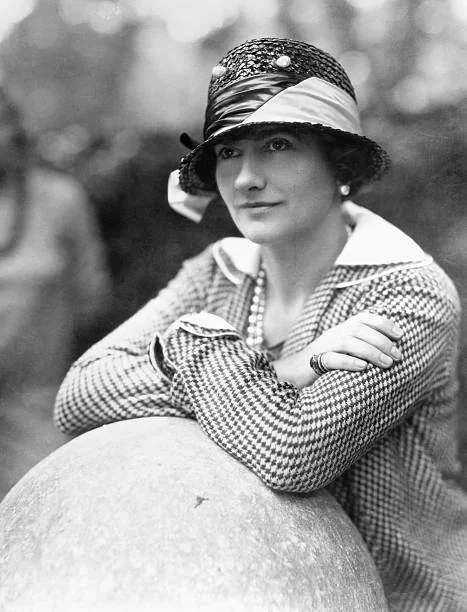
Founding a house is one path to influence. The other, arguably more common one, is being brought in decades later to rescue or reinvent a brand someone else started — often a man.
Miuccia Prada took over her family’s Milanese leather goods company in the 1970s and turned it into one of fashion’s most intellectually rigorous brands. The 1985 black nylon backpack — using a fabric associated with military gear, not luxury — was a deliberate rejection of logo-driven status dressing, and it’s still one of the most influential “anti-luxury” objects in fashion history.
Donatella Versace stepped into the creative director role in 1997 after her brother Gianni was murdered, at a moment when the house could easily have collapsed. She held that position for over 25 years, keeping Versace’s maximalist, body-conscious identity alive through multiple ownership changes, before stepping back as the brand transitioned under Prada Group’s 2025 acquisition from Capri Holdings.
Maria Grazia Chiuri became Dior’s first female creative director in 2016, after nearly seventy years of male designers running the house Christian Dior founded. Her tenure was defined by openly feminist messaging — the “We Should All Be Feminists” T-shirt from her debut collection became a genuine cultural moment, not just a fashion one — alongside sustained collaborations with female artists and craftspeople. Chiuri departed the house in 2025, with Jonathan Anderson taking over Dior’s creative direction across categories, closing out a nine-year run that measurably shifted how the house talked about womanhood.
Sarah Burton inherited Alexander McQueen after the designer’s death in 2010 and ran the house for 13 years, most visibly designing Kate Middleton’s 2011 royal wedding gown — a dress that, love it or not, put British couture craftsmanship in front of a global audience overnight. She left McQueen in 2023 and was appointed creative director of Givenchy in 2024, bringing that same technical precision to a house that had struggled to find a consistent identity for years.
Phoebe Philo ran Chloé (2001–2006) and later Céline (2008–2017), and her minimalist, unfussy tailoring at Céline effectively created the design vocabulary that the current “quiet luxury” trend borrows from wholesale. She’s since launched her own eponymous label, and secondhand Céline pieces from her tenure still command a premium on the resale market — a good example of how a creative director’s individual run can outvalue the brand’s current output.
Clare Waight Keller became Givenchy’s first female creative director in 2017 and designed Meghan Markle’s 2018 royal wedding dress, giving the house a similarly outsized cultural moment before her exit in 2020.
Worth being honest about here: not every female creative director appointment has translated into lasting design direction or commercial stability. Several of these houses have cycled through multiple creative directors in the past decade, male and female alike, which tells you brand consistency at the top of the industry is fragile regardless of who’s in the chair. Provenance matters, but so does tenure — a two-year run rarely reshapes a house’s identity the way an eight-to-ten-year one does.
Modern Visionaries: Sustainability and Redefining Luxury #
The most consequential shift in the last two decades hasn’t been about silhouette — it’s been about materials and process, and women have led that conversation disproportionately.
Stella McCartney launched her eponymous label in 2001, initially in partnership with Kering, with a no-leather, no-fur, no-feathers policy built in from day one — not added later as a marketing response. She’s since worked with mushroom-based leather alternatives and regenerated ocean-plastic nylon, and while the brand has changed corporate partners over the years, that founding commitment hasn’t moved. It’s a genuinely different starting premise from most luxury houses, which tend to bolt sustainability initiatives onto an existing product line rather than build the line around the constraint.
Gabriela Hearst, known for her own label’s use of deadstock fabric and traceable supply chains, was appointed creative director of Chloé in 2020 and made the house’s first carbon-neutral collection during her tenure — a meaningful shift for a heritage brand with an established supply chain, not a startup with a blank slate. She left the role in 2023.
The honest caveat worth including: sustainability claims across the luxury sector are inconsistent, and “[[[[sustainable luxury](/buying-guides/pre-owned-luxury-fashion-reshaping-industry/)](/brands/stella-mccartney-white-mini-falabella-tote/)](/brands/stella-mccartney-wild-cat-crossbody/)](/news/pre-owned-designer-fashion-beats-brand-greenwashing/)” is not yet a standardized or independently verified category the way organic food labeling is. Some of these initiatives are substantive; others lean closer to marketing language than measurable change. McCartney’s track record is unusually long and specific enough to hold up to scrutiny, which is part of why she’s cited as the reference point rather than a footnote.
Women Leading Luxury Today: Executives and Strategic Vision #
Design leadership gets most of the attention, but the business side of luxury has its own set of influential women, and their decisions affect everything from store experience to how quickly a brand raises prices.
Delphine Arnault was appointed CEO of Christian Dior Couture in February 2023, after years as Executive Vice President of Louis Vuitton, where she was closely involved in product development and brand positioning. As Bernard Arnault’s daughter and a senior LVMH executive, she represents a rare case of a woman holding direct operational authority over one of the group’s two flagship houses.
Leena Nair became Chanel’s Global CEO in December 2021, arriving from Unilever, where she’d been Chief Human Resources Officer — notably, not from inside the fashion industry. Her appointment was read as a signal that Chanel wanted operational and cultural transformation expertise at the top, not another lifelong luxury executive repeating the same playbook.
Angela Ahrendts ran Burberry from 2006 to 2014 and is widely credited with the brand’s digital-first turnaround, roughly tripling revenue during her tenure before moving to lead Apple’s global retail operations. Her Burberry years are still referenced as a case study in how a heritage British house modernized without losing its identity.
Marie-Claire Daveu has served as Kering’s Chief Sustainability and Institutional Affairs Officer since 2012, effectively setting environmental and sourcing standards across Gucci, Saint Laurent, Bottega Veneta, and the group’s other houses — influence that shapes materials and supply chains most shoppers never see.
Anna Wintour, while not a brand executive, deserves mention for sheer industry gravity: as Vogue’s editor for decades and now Condé Nast’s Global Chief Content Officer, her editorial calls have made and broken designer careers, and her Met Gala remains the single biggest annual fashion media event on the calendar.
Worth noting plainly: these appointments are still notable rather than routine. The majority of major luxury houses remain led, and owned, by men — the LVMH, Kering, and Richemont conglomerates are all run by male chairmen. Progress at the executive level has been real but slower and more concentrated than the design-side story might suggest.
The Lasting Legacy of Female Leadership in Fashion #
Put the three groups together — founders, creative directors, executives — and a clearer picture forms than any one category gives on its own. The founders proved a maison could be built entirely around a personal, often unglamorous conviction (Chanel’s disdain for corsets, Schiaparelli’s love of spectacle, Lanvin’s romanticism). The creative directors proved those convictions, or entirely new ones, could be grafted onto houses built by other people decades later, sometimes with more cultural impact than the original founder achieved. And the executives currently running Dior, Chanel, and pieces of Kering’s portfolio prove that strategic authority over these brands is no longer purely theoretical, even if it’s still uncommon.
For collectors and serious buyers, this history isn’t just background reading. A house’s design continuity — whether its current identity traces cleanly back to a founder’s original idea or has been reassembled by a string of short-tenured directors — is one of the more reliable indicators of long-term resale strength. Chanel’s quilted flap bag holds value partly because the design language hasn’t wandered far from decisions made in 1955. Céline pieces from Phoebe Philo’s run outperform later-era Céline on the resale market for the same reason: a coherent point of view, sustained over years, ages better than a brand identity in constant flux. Knowing who shaped a house, and for how long, is genuinely useful due diligence before a five-figure purchase.
FAQ #
Which luxury fashion brands were founded by women? Chanel (Coco Chanel, 1910), Lanvin (Jeanne Lanvin, 1889), Schiaparelli (Elsa Schiaparelli, 1927), and Chloé (Gaby Aghion, 1952) are the best-known examples. It’s a short list relative to the number of major houses founded by men.
Why did so few women found major luxury houses historically? Access to capital, legal restrictions on women running businesses independently in many countries until well into the 20th century, and limited social mobility all played a role. The women who did found houses often started with a single skill — millinery, in several cases — and built outward from there.
Who was the first female creative director of Dior? Maria Grazia Chiuri, appointed in 2016, roughly seven decades after Christian Dior founded the house in 1946.
Are any major luxury houses currently run by women at the executive level? Yes. Delphine Arnault has served as CEO of Christian Dior Couture since 2023, and Leena Nair has been Chanel’s Global CEO since 2021. These remain exceptions rather than the norm across the major conglomerates.
Does a founder’s or designer’s legacy affect resale value? It can. Pieces from eras with strong design continuity and a clear creative point of view — Chanel under Lagerfeld, Céline under Philo — tend to hold value better than pieces from periods marked by frequent creative director turnover, because the design identity is easier to authenticate and remains recognizable over time.
Related Articles #
- Why the Chanel Crossbody Bag Never Goes Out of Style
- Top Handbags Winter 2016: 10 Designer Bags Worth Buying
- Designer Handbag Trends 2025: What’s Actually Worth Buying


Keyword index