Introduction #
Most conversations about luxury travel accessories orbit around the same handful of names: Rimowa’s aluminum shells, Louis Vuitton’s monogram trunks, the odd Goyard tote thrown in for good measure. Globe-Trotter rarely gets mentioned in that lineup, and that’s exactly the point. It’s a British luggage house that has spent over a century building cases by hand in a small factory, selling almost entirely on reputation rather than marketing spend.
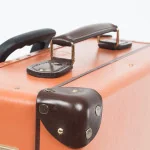
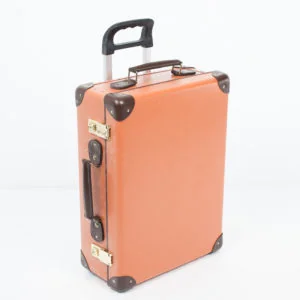
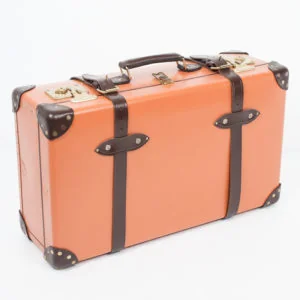
We recently took in a three-piece Globe-Trotter set in a bold orange finish, and it stopped nearly everyone who walked past the intake desk. The construction felt nothing like the softshell nylon bags or leather duffels that typically cross our tables. It was rigid, almost architectural, with a matte, slightly textured surface and hardware that looked built for a lifetime of use rather than a single season. For anyone already comfortable spending five figures on a Kelly bag, Globe-Trotter luggage sits in a similar collector’s category: a brand where the story, the materials, and the scarcity matter as much as the logo.
This piece breaks down what Globe-Trotter actually is, why its cases are made the way they are, and what you need to know before buying one new or secondhand.
Brand Heritage: A Century of British Craftsmanship #
Globe-Trotter was founded in 1897, which puts it in the same generational bracket as Louis Vuitton’s early trunk-making era rather than the mid-century luggage brands most travelers grew up with. The company has always been headquartered in England, with production based in England rather than outsourced abroad, and it has kept its manufacturing footprint small and deliberately old-fashioned.
That scale is a defining trait. Globe-Trotter has never chased the mass-market volume that turned brands like Samsonite into airport-shop staples. Its cases are still built by a limited team of craftspeople, and the company has leaned into that exclusivity rather than fighting it. The result is a brand with genuine heritage credentials but far lower name recognition outside the UK, which is exactly why it can feel like a “new discovery” even to seasoned luxury buyers.
For collectors who value provenance the way they’d value a Hermès stamp or a Rolex reference number, that century-plus of continuous, England-based production is a meaningful part of the value proposition.
What Makes Globe-Trotter Different: Vulcanized Fiberboard Explained #
The single biggest thing that separates Globe-Trotter from almost every other luxury luggage house is what it’s made from. Instead of leather, canvas, or the aluminum and polycarbonate shells that dominate modern travel gear, Globe-Trotter builds its cases from vulcanized fiberboard.
How the material is made #
Vulcanized fiberboard is produced by layering sheets of cellulose fiber paper and bonding them under heat and pressure into a rigid, laminate-like board. The vulcanization process is the same family of chemistry used to harden rubber, which is where the material gets its strength. Once cured, the board is cut, molded, and finished by hand, then typically bound at the edges with leather trim and finished with metal corners and hardware.
Why it performs differently than leather or hardshell plastic #
Leather luggage looks refined but is genuinely vulnerable to water, scuffing, and long-term shape loss, especially at stress points like corners and handles. Vulcanized fiberboard behaves almost the opposite way. It’s naturally water-resistant, doesn’t absorb moisture the way leather does, and tends to dent or scuff rather than crack outright, which means minor damage often reads as character rather than failure.
Compared to Rimowa’s aluminum or polycarbonate shells, fiberboard is lighter than aluminum but less impact-flexible than modern polycarbonate, which is engineered to flex and absorb shock. In practice, that means a Globe-Trotter case is more likely to show a scuff or a dent than to develop the hairline stress cracks that can eventually appear on rigid plastic shells after years of baggage handling. It’s a tradeoff between vintage-style resilience and modern shock absorption, not a straightforward “better or worse.”
Famous Journeys: Globe-Trotter’s Legendary Owners #
Part of what makes Globe-Trotter luggage compelling as a collectible is the sheer specificity of its history. This isn’t vague “as seen on celebrities” marketing; it’s documented use by figures whose journeys are genuinely historic.
Robert Falcon Scott brought Globe-Trotter cases on his 1912 Antarctic expedition, putting the brand’s durability claims to a test few luggage makers will ever face. Queen Elizabeth II traveled with Globe-Trotter on her 1947 honeymoon, cementing its status among British royalty. Sir Edmund Hillary carried Globe-Trotter luggage during his 1953 Everest expedition. And more recently, the brand appeared on screen with James Bond in Skyfall, a nod that reintroduced it to a generation of buyers who’d never heard the name before.
That range, from polar exploration to royal travel to a fictional spy, says something real about the brand’s positioning: functional enough for genuine extremes, refined enough for state occasions.
Buying Guide: What to Look for in a Globe-Trotter Piece #
If you’re used to authenticating [[[[Hermès hardware](/authentication/million-dollar-closet-pre-loved-hermes-chanel/)](/authentication/how-to-spot-a-fake-hermes-bag-authentication-guide/)](/buying-guides/hermes-jypsiere-buying-guide/)](/authentication/authentic-vs-fake-hermes-kelly-bag-how-to-tell/), spotting a Globe-Trotter fake or a poor-condition piece requires a different eye, but the same underlying discipline applies: check materials, check construction, check consistency.
Sizes and set configurations #
Globe-Trotter cases are typically sold individually or in matched sets, sized for specific travel purposes rather than one-size-fits-all. Common sizes run from small “Mini” cases (roughly cabin-bag scale, suited to documents or as a carry accessory) up through Cabin and Carry-On sizes intended for overhead bin travel, into Medium and Large cases built for checked luggage, and Extra Deep or Trunk sizes meant for extended trips or wardrobe storage. A three-piece set like the orange example we took in typically pairs a small case, a mid-size case, and a larger case, mirroring the classic “trunk, valise, and vanity case” logic of early 20th-century travel sets. When buying secondhand, confirm the exact dimensions with the seller rather than assuming standard airline carry-on compliance, since older or vintage pieces were made before modern cabin-size restrictions existed.
Color, finish, and customization #
Globe-Trotter offers a broad palette beyond classic black and tan, including saturated colors like the orange finish we handled, along with two-tone combinations and occasional collaboration finishes. Current production also allows a degree of personalization through initials, straps, and hardware finish. For resale buyers, rarer or discontinued colorways can carry a premium, similar to how exotic-skin or limited-edition Hermès pieces command more than standard leather.
Hardware and trim quality #
Authentic Globe-Trotter hardware feels substantial. Corner protectors, buckles, and locks should sit flush and show consistent metal quality with no visible pitting or cheap plating wear. Leather straps and trim should be full-grain, evenly stitched, and free of cracking at the fold points. Loose rivets, mismatched hardware finishes, or trim that’s clearly been re-glued are red flags on a pre-owned piece.
Fiberboard condition #
Because the case body is fiberboard rather than metal or plastic, inspect it for delamination (visible separation between the layered paper), soft spots from water damage, and deep gouges that expose the internal layers. Surface scuffing is normal and often doesn’t affect value much; structural softness does.
Pricing and value context #
New Globe-Trotter cases generally start in the low hundreds of dollars for the smallest pieces and climb well into the four-figure range for larger cases and matched sets, with limited editions and special collaborations priced higher still. Pre-owned pricing depends heavily on condition, rarity of the colorway, and whether a set is complete. As with any secondhand luxury purchase, cross-check the asking price against recent completed sales rather than current listing prices, since asking prices for niche luggage brands can sit well above what pieces actually sell for.
Authentication and warranty #
Globe-Trotter doesn’t carry the same widely documented counterfeit problem that affects Hermès or Louis Vuitton, largely because of its smaller market footprint, but that’s changing as the brand gains visibility. Look for consistent branding on interior linings and hardware stamps, and buy from resellers who authenticate luggage specifically rather than generalist secondhand platforms. New pieces purchased through Globe-Trotter or its authorized retailers typically come with a manufacturer’s warranty covering hardware and construction defects; that warranty does not usually transfer with resale, so factor potential repair costs into a pre-owned purchase rather than assuming ongoing coverage.
Caring for Your Globe-Trotter Luggage #
Fiberboard construction changes the maintenance playbook compared to leather goods or hardshell plastic cases.
Keep pieces away from prolonged direct sun, which can dry out the leather trim and fade colored fiberboard finishes unevenly. Clean the body with a barely damp cloth rather than saturating it, since the material resists moisture but isn’t designed for soaking. Condition leather straps and handles periodically the way you would any fine leather good, since these components will show wear faster than the case body itself.
Store pieces upright when possible and avoid stacking heavy items directly on top of a case for extended periods, which can create pressure marks on the fiberboard over time. Lubricate lock mechanisms occasionally, particularly on older pieces where clasps have seen decades of use. Minor scuffs are part of the material’s character and generally don’t need touch-up, but deeper gouges are worth addressing early, since exposed layers are more vulnerable to moisture than an intact surface.
Is Globe-Trotter Practical for Modern Travel? Weight and Airline Compliance #
This is the question heritage-focused writeups usually skip, and it matters for anyone thinking about actually using rather than just displaying a piece.
Vulcanized fiberboard cases are lighter than aluminum luggage like Rimowa’s Classic line but generally heavier than modern polycarbonate spinners from brands like the more travel-focused Louis Vuitton Horizon collection or mainstream ultralight luggage. That matters because most international carriers cap carry-on weight around 15-22 lbs (7-10 kg) depending on the airline, and a rigid, empty Globe-Trotter cabin case can already use up a meaningful chunk of that allowance before you’ve packed anything.
Older and vintage Globe-Trotter pieces also weren’t built to current cabin-size standards, so dimensions worth double-checking before a trip, especially on international or budget carriers with stricter enforcement. Most also use traditional handles and, depending on the model, may lack built-in wheels, which is a real tradeoff against Rimowa’s wheel-forward engineering or Louis Vuitton’s rolling luggage lines.
None of that makes Globe-Trotter impractical, but it does mean these cases suit a different travel style: fewer, more deliberate trips, often checked rather than carried on, valued for durability and presentation rather than airport-sprint convenience. Buyers expecting Rimowa-level portability will likely be disappointed; buyers who see luggage as an investment piece, closer to how they’d think about a Kelly bag, tend to find the tradeoff worthwhile.
FAQ #
Is Globe-Trotter as hard to authenticate as Hermès? No, largely because it’s a smaller, less counterfeited brand today. That said, its growing visibility means buyers should still verify hardware stamps, interior branding, and construction quality, particularly on higher-value or discontinued pieces bought secondhand.
How much does Globe-Trotter luggage typically cost? New pieces range from a few hundred dollars for the smallest cases to well over a thousand for larger sizes and full sets, with special editions priced above that. Pre-owned prices vary widely based on condition, rarity, and completeness of a set, so comparing recent sold listings is more reliable than list prices.
Is vulcanized fiberboard actually durable, or just old-fashioned? It’s genuinely durable in the ways that matter for travel: water resistance and dent resistance rather than crack resistance. It won’t flex and absorb shock the way modern polycarbonate does, so it can pick up scuffs more visibly, but structural failure is uncommon with proper care.
Does Globe-Trotter offer a warranty? New pieces bought through Globe-Trotter or authorized retailers typically include a manufacturer’s warranty on hardware and construction. That coverage generally doesn’t carry over to secondhand buyers, so budget for potential repairs when buying pre-owned.
How does Globe-Trotter compare to Rimowa or Louis Vuitton for everyday travel? Rimowa is built around lightweight wheeled convenience with aluminum or polycarbonate shells; Louis Vuitton spans both heritage trunk-style pieces and modern rolling luggage. Globe-Trotter sits closer to heritage trunk territory: heavier and less wheel-friendly than Rimowa, but with a distinct material story and lower production volume that appeals to collectors who value rarity over pure travel convenience.
Related Articles #
- Céline Luggage Tote Guide: Sizes, History & Resale Value
- Céline Luggage Tote Guide: Sizes, History & Resale Value
- Louis Vuitton Saumur Bag Guide: History, Value & Tips
- Which Chanel Bag to Buy? Style Guide by Body & Budget
- Louis Vuitton Alma Bag: The Ultimate Buying Guide
Related guides
- Online Bag Authentication: What Photos Can and Cannot Prove
- Blue Crocodile Lady Dior Tote: Buying Guide
- Chanel Vintage Flap Bag Buying Guide: Navy Lambskin
- Louis Vuitton Palm Spring Backpack: Complete Buyer's Guide
- How to Buy an Authentic Luxury Bag from China Safely
- New vs Pre-Owned Luxury Bags: Which Route Is Right for You?
- Chanel Bag Guide: What to Know Before You Buy
- Luxury Bag Houses


Keyword index