Introduction #
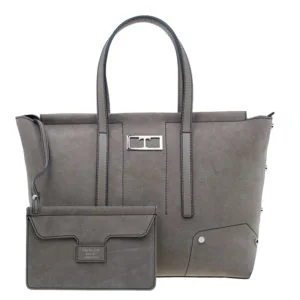
Suede has a way of disappearing from the conversation for a few years and then reappearing like it never left. This season it’s back, and not in the fringed, festival-ready way you might remember from a decade of revival attempts. The current suede moment is quieter, more tailored, and considerably more grown-up. Grey and taupe suede bags are turning up on runways and in showroom previews as the neutral with texture, the piece that reads as considered rather than trend-chasing.
For anyone who spends time thinking about leather goods, the way we do on this site, suede is worth a second look because it behaves so differently from the smooth calfskin and box leather we default to when talking authentication and hardware. It’s a nap fabric, not a finished skin, which changes everything about how you evaluate it, how you care for it, and what you should expect to pay. This guide walks through where the trend is coming from, how to judge a suede bag before you buy one, and how to keep it looking right once it’s yours.
Why Suede Is Back on the Runway #
Suede’s association with the 1970s isn’t incidental. The fabric had its first major fashion moment in that decade, driven by the era’s appetite for earthy, unstructured silhouettes and a general softening away from the sharp tailoring of previous decades. Suede jackets, fringed bags, and Western-inflected accessories became shorthand for a particular kind of bohemian ease, and that visual association has stuck to the fabric ever since. It’s the reason suede has spent the years since alternating between “romantic throwback” and “dated hippie signal,” depending on how it’s styled.
What’s different about the current cycle is the styling. Designers showing suede this season are pairing it with clean, structured shapes rather than fringe and flare, which strips out the nostalgia and leaves the texture to do the talking. Derek Lam’s recent collections have leaned into suede in muted greys and taupes, cut into minimal, architectural pieces that have nothing in common with a 1970s poncho. Chloé, a house with a genuine claim to bohemian heritage, has used suede in the same spirit but kept the silhouettes closer to the body. [[[Chanel](/buying-guides/grey-outfit-ideas-winter/)](/buying-guides/replica-vs-pre-owned-bags/)](/buying-guides/how-to-style-a-grey-outfit/)’s take is more restrained still, working suede into tailored pieces and accessories where the fabric’s softness offsets the house’s usual structure. You can trace the range across the designers’ runway archives, including Derek Lam’s show pages on Vogue Runway, Chloé’s, and Chanel’s, where the grey and taupe suede pieces are easy to spot against the smoother leathers around them.
The reason this reads as modern rather than dated comes down to color and cut. Grey suede in particular sidesteps the “summer of love” association almost entirely. It photographs as a neutral, not a statement, which makes it an easier entry point for anyone who wants the texture without the costume-y baggage. If you’ve been curious about suede but couldn’t get past the fringe-jacket mental image, this is the version worth trying.
What to Look for When Buying a Suede Bag #
Suede is unforgiving about quality in a way that smooth leather often isn’t. A mediocre calfskin bag can still look reasonably polished; a mediocre suede bag looks cheap almost immediately. Here’s what to check before you commit.
Nap consistency. Run your hand across the surface in both directions. Good suede has an even, dense nap that shifts color slightly as you brush it one way then the other, similar to velvet. If the nap looks patchy, thin in places, or already matted straight off the shelf, that’s a sign of lower-grade hide or a finish that was rushed. Cheaper “suede-like” microfiber will feel uniform but oddly flat, with none of that directional shading.
Color evenness. Suede takes dye differently than finished leather because the surface is porous and fibrous rather than sealed. Hold the bag under natural light and look for blotching, streaking, or noticeably darker patches near seams and edges, which often indicates uneven dyeing or a hide that’s already been treated to hide flaws. Grey and taupe, the colors driving this season’s trend, show unevenness more readily than black, so scrutinize light neutrals especially closely.
Hardware and stitching. This is where suede bags reveal themselves the way any bag does. Zipper pulls should move smoothly without snagging the nap, and stitching should sit flush without puckering the suede around it, which happens when the fabric is stretched too tightly during construction. Because suede has more give than finished leather, poorly executed stitching tends to show gapping at the seams within the first few wears, so this is worth checking in person or in detailed product photos before buying, not after.
Weight and structure. Pick the bag up. Suede is naturally a bit heavier and softer than smooth leather of the same thickness, but it shouldn’t feel floppy or hollow. A well-made suede bag holds its shape when set down, even without a rigid frame, because the leather underneath the nap finish is still substantial. If it collapses into a puddle, the hide is likely thin, which will also make it more prone to abrasion and tearing over time.
How to Care for and Maintain Suede Handbags #
Suede’s reputation for being fussy is mostly earned, but the maintenance is manageable if you build a few habits early rather than reacting after damage happens.
Protect before you wear it. Apply a suede protector spray before the bag ever leaves the house. This won’t make it waterproof, but it significantly reduces how much water and oil the nap absorbs on contact, which matters because suede doesn’t wipe clean the way smooth leather does. Reapply every few months with regular use, and always test on an inconspicuous spot first since sprays can slightly darken very light colors.
Brush regularly, not just when it’s dirty. A dedicated suede brush (the kind with a soft brass or nylon-bristle side) restores the nap and lifts light surface dust before it embeds. Brush in one direction in short strokes rather than scrubbing, and do this after every few wears rather than waiting for the bag to look obviously dull.
Deal with water immediately, don’t dab and forget. If suede gets wet, let it air dry naturally away from direct heat, then brush the area once it’s fully dry to lift the flattened nap back up. Water spots that are left to dry undisturbed will often set into a visible ring, so the brushing step afterward isn’t optional.
Know what you can’t fix at home. Oil-based stains (makeup, food, hand lotion) tend to be permanent once they set into suede’s porous surface, and DIY remedies like rubbing alcohol or vinegar can bleach the color or damage the nap further. For anything beyond light surface dust, a professional suede cleaner is worth the cost, especially on a bag in a paler shade like grey or taupe where staining shows.
Store it properly. Keep suede bags in a breathable dust bag, never plastic, and stuff them lightly to hold their shape without stretching seams. Avoid direct sunlight in storage, since suede fades and can develop uneven patches faster than finished leather under UV exposure.
Suede vs. leather vs. nubuck, and why it matters for care. These three get confused constantly, and the distinction changes how you should treat each one. Smooth leather has a sealed, finished surface, which is why it can be wiped down and is comparatively stain-resistant. Suede is leather that’s been split and sanded on the flesh side, giving it that soft napped texture, but leaving it porous and vulnerable to water and oil. Nubuck is closer to suede’s cousin: it’s sanded on the grain side (the outer side) rather than the flesh side, which gives it a slightly finer, denser nap and marginally better durability against scuffing, but it’s just as porous and needs the same protective care as suede. If you’re choosing between the three for a first purchase, leather is the lowest-maintenance option, nubuck sits in the middle, and suede asks the most of you in exchange for that unmatched texture.
Spotlight: Trussardi Crosta Fuji Taupe Shopping Bag #
If you want to test the suede trend without committing to a statement piece, the Trussardi Crosta Fuji Taupe Shopping Bag is a sensible entry point. It’s built in a taupe suede that sits squarely in this season’s neutral palette, in a roomy tote shape that’s easier to integrate into daily rotation than a smaller, more precious bag would be.
Running it against the buying checklist above: the nap on this piece is dense and consistent, without the patchy thinning that shows up on lower-tier suede goods, and the taupe dye is even across the panels, which is the detail that separates a well-made neutral suede bag from one that looks slightly off under different light. The shopper silhouette also plays to suede’s strengths rather than against them. An open tote shape doesn’t rely on rigid structure the way a boxy top-handle bag does, so it sidesteps the one area where softer suede hides can sometimes underperform.
It’s a practical choice for someone easing into the trend: a large, wearable shape, a color that will outlast the current runway cycle, and a price point that makes the learning curve of suede maintenance feel lower-stakes than it would on a marquee piece.
This Week’s Suede Parade: Standout Bags We’re Loving #
This week’s lineup spans the price range on purpose, because the suede trend doesn’t require a single entry price to participate in.
Entry point: Contemporary suede totes and shoulder bags from labels like Longchamp and Coach regularly land in the $300–600 range and are a low-risk way to see whether you actually enjoy the maintenance routine before spending more.
Mid-range: Chloé’s suede offerings, often in the $1,200–2,000 range depending on the style, are where the house’s bohemian heritage and this season’s cleaner silhouettes meet most convincingly. Tod’s also does reliably well-finished suede in a similar bracket, with a slightly more structured, city-ready feel.
Investment tier: Hermès has, on occasion, produced suede versions of the Kelly and Constance using what the house calls Doblis leather, its term for suede-finished calfskin. These are limited, quietly desirable, and priced accordingly, but they make the case that suede isn’t inherently a “casual” material; in the right hands it’s a legitimate finish for even the most structured, codified bag shapes.
The common thread across all three tiers is grey and taupe dominating the color story, echoing what showed up on the runways this season. If you’re building toward a suede purchase, use the cheaper tier to learn the material’s habits before trusting it with a bigger budget.
How to Style Suede Bags This Season #
Suede reads differently depending on what’s around it, which is part of what makes it fun to style once you get past the maintenance learning curve.
With tailoring. This is the move that makes suede feel current rather than retro. Pair a grey or taupe suede bag with structured trousers, a blazer, or a slip dress with clean lines. The contrast between the soft nap and the crisp tailoring is exactly what Derek Lam and Chanel were doing on the runway, and it’s the easiest way to avoid the “1970s costume” reading.
Seasonally. Suede is often filed under autumn/winter because of its association with richer, muted tones, and it does genuinely suit that palette. But it’s worth resisting the urge to pack it away completely in spring. A taupe suede bag against lighter spring tailoring or denim reads fresh precisely because it’s slightly unexpected outside its usual season. Where suede struggles is in wet weather, so treat it as a dry-season material regardless of the calendar month; a rainy spring day is harder on suede than a cold, dry winter one.
By occasion. Structured suede totes and shoppers, like the Trussardi piece above, work well for daytime and office settings where you want texture without looking overly precious. Smaller suede shoulder bags or clutches lean more evening-appropriate, especially in darker greys that read as a softer alternative to patent or satin for after-dark dressing.
What to avoid. Skip suede for anything you’ll be setting on the floor of restaurants or public transport regularly, since scuffing and ground moisture are suede’s two weak points. It’s a look-good, handle-with-a-little-care material, not an everyday-abuse bag.
FAQ #
Is suede durable enough for everyday use? Suede is durable in the sense that a well-made piece will last years, but it’s not low-maintenance durability. It scuffs and stains more readily than smooth leather, so “everyday use” for suede means everyday use with a bit more awareness of where you set the bag down and what weather you’re walking into.
Can suede handbags get wet? Light rain won’t ruin a protected suede bag, but standing water and heavy rain will leave water spots and can flatten the nap. Always apply a protector spray beforehand, and if it does get wet, let it air dry fully before brushing rather than trying to towel-dry it.
How do I clean stains off a suede bag? Light dust and dry dirt lift with a suede brush or eraser-style suede cleaning block. Oil-based stains and anything set-in are best left to a professional leather cleaner, since home remedies like alcohol or vinegar risk discoloring the nap permanently.
Is suede or nubuck easier to maintain? Nubuck’s finer, denser nap makes it marginally more scuff-resistant than suede, but both are equally porous and vulnerable to water and staining. Neither is meaningfully easier to live with; the maintenance routine is essentially the same for both.
Does suede go out of style quickly? Suede itself is a durable trend that resurfaces roughly every decade rather than disappearing for good, and neutral tones like grey and taupe have more staying power than seasonal colors or fringe detailing. A well-chosen, classic-shaped suede bag isn’t a short-term purchase.
Related Articles #
- How to Style a Chanel Bag: Outfit Guide
- How to Style a Chanel Classic Flap Bag for Any Outfit
- Hermès Kelly Bag Care Guide: Protect Leather & Hardware
- Which Chanel Bag to Buy? Style Guide by Body & Budget
- Why the Chanel Crossbody Bag Never Goes Out of Style
Related guides
- Online Bag Authentication: What Photos Can and Cannot Prove
- Blue Crocodile Lady Dior Tote: Buying Guide
- Chanel Vintage Flap Bag Buying Guide: Navy Lambskin
- Louis Vuitton Palm Spring Backpack: Complete Buyer's Guide
- How to Buy an Authentic Luxury Bag from China Safely
- New vs Pre-Owned Luxury Bags: Which Route Is Right for You?
- Chanel Bag Guide: What to Know Before You Buy
- Luxury Bag Houses


Keyword index