Introduction#
That Chanel flap sitting in your closet with the tags still on isn’t doing anyone any favors. Not you, not your bank account, and definitely not the bag itself, which is losing relevance every season it spends in tissue paper instead of on someone’s arm.
I’ve bought, sold, and evaluated hundreds of designer bags over the years, and the pattern is always the same: people wait too long, price emotionally instead of strategically, and then panic-sell to the first platform that messages back. That’s how you end up with a lowball offer, a payout that takes six weeks to clear, or worse, a “buyer” who ghosts after you’ve already shipped.
Selling designer handbags in 2025 can absolutely be profitable, sometimes more profitable than the original purchase, if you know which bags are worth the effort, how to document them properly, and which platforms actually pay what they promise. This guide covers all of it: which bags hold value, how to prep them so they sell faster and higher, how to price without leaving money on the table, and how to avoid the scams and delays that make people swear off resale entirely. No fluff, no affiliate-style hype. Just what actually works.
Which Designer Bags Actually Hold Their Value#
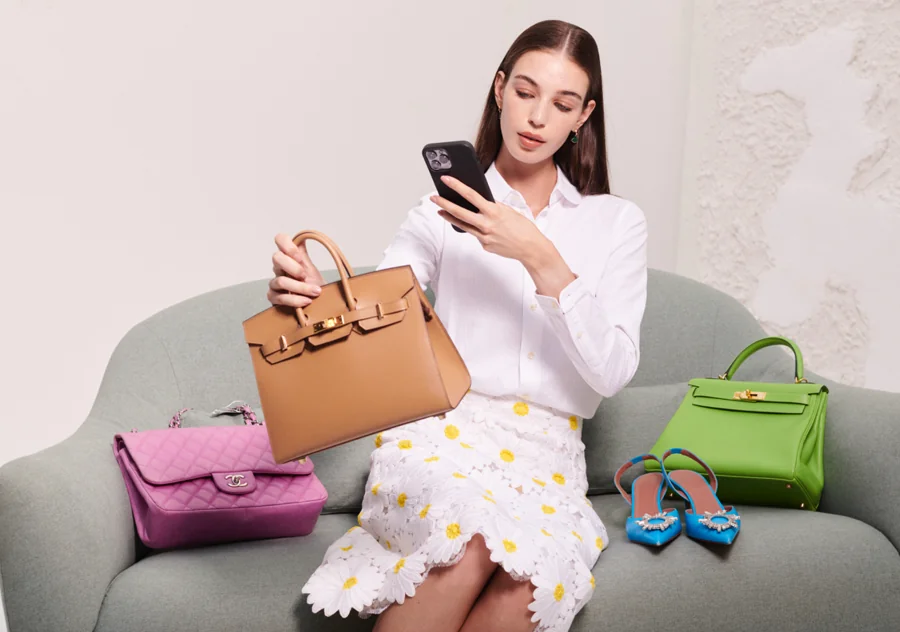
Not every luxury bag is an investment. That’s the uncomfortable truth a lot of sellers learn only after listing something and watching it sit for months. Resale value comes down to three things: scarcity, brand pricing strategy, and cultural staying power. Bags that check all three tend to hold or exceed retail. Everything else depreciates like a regular consumer good, because that’s essentially what it is.
Hermès sits at the top for a reason that has nothing to do with hype. The brand deliberately restricts supply, so a Birkin or Kelly in good condition can sell for more than you paid, sometimes significantly more, depending on leather, hardware, and size. Chanel is close behind, but for a different reason: the brand raises prices on its Classic Flap almost annually, which pushes resale values up in lockstep. Louis Vuitton’s Neverfull and Speedy hold steady because demand is enormous and global, even if they don’t appreciate the way Hermès does.
Below that tier, it gets more selective. Dior’s Lady Dior benefits from consistent celebrity visibility. Goyard’s St. Louis Tote trades on scarcity since the brand barely advertises and distribution is tight. Prada’s Re-Edition line is riding a genuine Y2K wave right now, though I’d treat that as trend-driven rather than permanent. Celine and Gucci have loyal followings, but their resale performance is more model-specific and trend-sensitive than the brands above.
| Brand | Iconic Models | Why It Holds Value |
|---|---|---|
| Hermès | Birkin, Kelly, Constance | Manufactured scarcity, waitlists, no discounting |
| Chanel | Classic Flap, Boy, 2.55 | Frequent price hikes, timeless design |
| Louis Vuitton | Neverfull, Speedy, Pochette | Global brand recognition, consistent demand |
| Dior | Lady Dior, Book Tote | Celebrity association, regular reissues |
| Goyard | St. Louis Tote | Limited retail footprint, cult scarcity |
| Prada | Re-Edition, Saffiano | Y2K trend cycle, durable materials |
| Celine | Luggage Tote, Box Bag | Quiet-luxury appeal, strong niche following |
| Gucci | Dionysus, Jackie, Marmont | Heritage codes, logo-driven trend swings |
Here’s my honest take: if your bag isn’t on this list, that doesn’t mean don’t sell it. It means set your price expectations around depreciation, not appreciation, and move it while it’s still current rather than waiting for a comeback that may not happen.
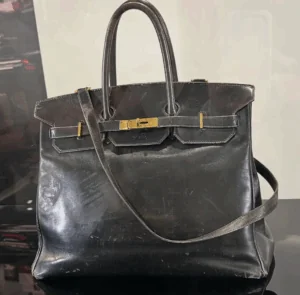
A few real numbers to put this in perspective. Jane Birkin’s original Hermès Birkin prototype sold at Sotheby’s Paris in July 2025 for €8.6 million ($10.1 million with fees), the most expensive handbag ever auctioned, driven entirely by provenance rather than typical resale logic. On the more relatable end, a 2021 Chanel Medium Classic Flap in black caviar leather, retailing around $11,300, sold for roughly $6,500 through The Luxury Closet in early 2025. A 2022 Louis Vuitton Neverfull MM in [[monogram canvas](/authentication/how-to-spot-a-fake-louis-vuitton-bag/)](/buying-guides/most-popular-louis-vuitton-bags-2026/), retail around $2,500, sold for about $1,800 on Vestiaire Collective in mid-2024. Both are useful benchmarks for what “good condition, well-documented” actually translates to in dollars.
Prepping Your Bag for Resale: Condition, Authenticity, and Documentation#
Presentation is where most sellers either make or lose hundreds of dollars, and it’s the step people rush through the most.
Start with cleaning, but be careful. Leather conditioner on the wrong material can darken or stain it permanently. If the bag has any real value, a professional leather cleaning service is worth the $30 to $80 it typically costs. I’ve seen buyers walk away from otherwise perfect bags because of visible surface grime in photos that a proper cleaning would have removed in an afternoon.
Documentation is non-negotiable if you want top dollar. Buyers paying four figures for a used bag want proof it’s real and proof it was cared for. That means:
- Original receipt or proof of purchase, even a credit card statement showing the boutique name
- Authenticity card, if the model came with one (Chanel and Dior include these; Hermès does not)
- Dust bag, box, and any care booklets
- Serial number or date code, visible and unaltered
Missing the receipt isn’t a dealbreaker, but it does typically shave 10 to 15% off what a buyer is willing to pay, since it shifts more authentication burden onto them or the platform.
Photos matter more than most sellers think. Take shots in natural light, not under yellow indoor bulbs that distort the color. Photograph the interior lining, the serial number, hardware close-ups, and any flaws honestly, scuffs, corner wear, hardware tarnish. I know the instinct is to hide imperfections, but buyers on serious platforms will ask, and sellers who disclose upfront close deals faster and avoid returns. A bag with one disclosed flaw and ten honest photos will outsell a “flawless” listing with three flattering ones every time.
How to Price Your Handbag for Maximum Profit#
Pricing is where emotion ruins deals. “I paid $8,000 for this” is not a pricing strategy, it’s a memory. The market doesn’t care what you paid; it cares what similar bags are selling for right now.
Start by pulling three to five completed (not just listed) sales of the same model, size, color, and condition tier from platforms like Vestiaire Collective, The RealReal, or The Luxury Closet. Listed prices are aspirational; sold prices are reality. That range is your starting point.
From there, adjust for condition honestly. A pristine, barely-used bag can command the top of that range or above it. Visible wear, hardware tarnish, or a missing dust bag should pull you toward the low end. Don’t split the difference hoping nobody notices, buyers who shop resale regularly know exactly what they’re looking at.
Demand cycles matter too. Chanel Classic Flaps and Hermès bags tend to hold steady or climb year over year because of brand-driven price increases. Trend-dependent pieces, like a Prada Re-Edition riding a Y2K wave or a bag tied to a specific celebrity moment, can spike and then cool off. If your bag is having a “moment,” that’s the window to sell, not six months later when the trend has moved on.
One thing I’d flag honestly: pricing too aggressively high to “test the market” usually backfires. Listings that sit for weeks get deprioritized by platform algorithms and start looking stale to buyers, who then assume something’s wrong with the bag. Price at a fair, data-backed number from day one.
Best Platforms to Sell Designer Handbags in 2025#
This is the decision that determines whether your experience is smooth or a headache, and platforms vary a lot more than their marketing suggests.
| Platform | Best For | Commission | Payout Speed | Editorial Take |
|---|---|---|---|---|
| The Luxury Closet | Mid-to-high value bags (Chanel, LV, Dior) | ~25% | 1-2 weeks after sale | Strong authentication and photography; commission is steep but service quality justifies it for pricier pieces |
| Vestiaire Collective | Wide range, global buyer pool | ~25% (seller side) | 1-3 weeks, post-authentication | Huge audience, but authentication happens after purchase, which occasionally causes delays or disputes |
| Fashionphile | Instant cash offers, Hermès/Chanel specialists | Built into offer price | Fast, often within days | Convenient if you want cash now, but offers run lower than a patient private sale |
| The RealReal | Consignment, wide inventory | 20-70% sliding scale | Weeks to months | Commission scales down as price goes up, but low-value items can net surprisingly little |
| eBay / Poshmark | DIY sellers comfortable handling authentication themselves | 10-20% | Immediate on sale, but buyer disputes possible | Highest control and lowest fees, but you carry all the scam and authentication risk yourself |
My honest recommendation: for anything Hermès, Chanel, or high-value Dior, use a platform with in-house authentication like The Luxury Closet or Vestiaire Collective. The commission stings, but it protects you from chargeback disputes and buyer claims of “not authentic,” which are far more common on open marketplaces. For quick cash and less hassle, Fashionphile’s instant offer model is genuinely convenient, just go in knowing you’re trading maximum profit for speed and certainty. I’d steer away from eBay and Poshmark for anything above a few hundred dollars unless you’re experienced with authentication disputes and comfortable handling them yourself.
How to Avoid Delays and Scams When Selling#
This is the part nobody warns you about until it happens to them.
The most common scam pattern is the overpayment trick: a “buyer” sends more than the asking price, then asks you to refund the difference before their original payment clears or reverses. Never ship, and never refund, until payment has fully settled in your account, not just appeared as pending.
Lowball offers disguised as urgency are another pattern, especially on private marketplaces. Messages claiming “I need this today, can you do half price” are almost always testing whether you’ll panic-discount. A real buyer for a well-documented, fairly priced bag doesn’t need you to cut the price in half to close today.
Payout delays are usually not scams, just poor platform design. Consignment sites that authenticate after sale (Vestiaire Collective, for example) can take one to three weeks between sale and payout. If cash flow timing matters to you, factor that in before choosing a platform, or lean toward instant-offer services like Fashionphile instead.
A few concrete safeguards:
- Only use tracked, insured shipping with signature confirmation, no exceptions
- Never send a bag before payment has cleared, regardless of how convincing the buyer sounds
- Read the platform’s seller protection policy before listing, not after a dispute starts
- Be wary of buyers who want to move communication off-platform to “avoid fees,” this removes any protection the platform offers
If a deal feels rushed, overly generous, or insists on unusual payment methods like gift cards or wire transfers, walk away. Legitimate buyers on legitimate platforms don’t need you to bypass safety measures.
Frequently Asked Questions#
How long does it typically take to sell a designer handbag in 2025? On consignment platforms like The Luxury Closet or Vestiaire Collective, expect anywhere from a few days to a few weeks depending on the model and pricing. Hermès and Chanel move fastest due to demand. Instant-offer services like Fashionphile can close in days but at a lower price point.
Which bags should I sell right now for the best return? Chanel Classic Flaps and Hermès Birkins/Kellys are consistently strong sellers due to ongoing brand price increases. Prada Re-Edition pieces are having a genuine trend moment, so it’s a good window if you own one. Trend-dependent bags are best sold while they’re culturally relevant, not after.
How fast do payouts actually happen? Instant-offer platforms pay within days. Consignment models typically pay one to three weeks after the sale closes, since many authenticate after purchase. If speed matters more than maximizing price, choose accordingly.
Do I need the original box and dust bag to sell? No, but including them can add 5 to 10% to your final price and speeds up buyer trust. A missing authenticity card or receipt has a bigger impact than missing packaging.
Is it better to sell through a platform or privately? Private sales avoid commission but put all authentication and scam risk on you. For anything over a few hundred dollars, a platform with buyer and seller protection is worth the fee for most people’s peace of mind.
Related Articles#
- How to Sell Luxury Items Online: The Luxury Closet Guide
- Sell Your Hermès Bag Fast | The Luxury Closet Guide
- Designer Handbag Trends 2025: What’s Actually Worth Buying
- How Pre-Owned Luxury Fashion Is Reshaping the Industry
- Best It Bags to Buy This Year: A Definitive Guide

Keyword index