Introduction#

Scroll through any resale listing for a Chanel flap bag or a vintage Cartier bracelet, and you’ll run into the same handful of words over and over: Pristine. Excellent. Gently Used. New Without Tags. They sound straightforward, but the moment you’re deciding whether to pay $3,000 for a “Like New” Birkin instead of $4,500 for one marked “Pristine,” those labels stop being marketing copy and start being the entire basis of your purchase decision.
Luxury resale condition grades exist because secondhand goods don’t come with a single fixed price the way new items do. A bag’s value shifts constantly based on how it’s been treated, and the industry has developed a loose but fairly consistent vocabulary to communicate that. The problem is that this vocabulary isn’t standardized across every platform, which means shoppers and sellers alike need to understand what these terms actually describe, not just what they imply. This guide breaks down what each grade really means, how it affects price, and how to use that knowledge whether you’re buying your first preloved designer piece or clearing out your closet.
Product Overview#
Condition grading in luxury resale typically follows a descending scale, from items that have never touched a human hand outside a boutique to pieces that have been worn hard and show it. Most reputable platforms use some version of the following tiers:
- New with Tags (NWT) – unworn, original tags and packaging intact
- New without Tags – unworn, but tags removed or packaging incomplete
- Pristine / Unused – worn at most once or twice, no visible flaws
- Excellent – light, well-maintained use with minimal wear
- Like New – faint signs of wear, often invisible in photos
- Good / Gently Used – noticeable wear consistent with regular use
- Fair – significant wear, may need repair or restoration
These aren’t arbitrary buckets. Each one maps to a real difference in resale value, and understanding where a listing sits on this scale tells you almost as much about the price as the brand name does.
Design#
The logic behind this grading structure mirrors how appraisers evaluate any secondhand asset, from classic cars to fine art: condition is assessed through a combination of visible wear, functional integrity, and completeness of original components.
What makes luxury goods particular is that “wear” isn’t always about damage. A Hermès Birkin carried twice and stored in its dust bag might show the exact same visible condition as one that spent a year in weekly rotation, if the owner was careful. This is why grading isn’t purely visual inspection — reputable resellers also factor in usage frequency claimed by the consignor, hardware function, structural integrity (does the bag still hold its shape, does the zipper still glide), and whether the item has been authenticated and inspected by someone trained to spot subtle deterioration that photos won’t reveal.
The tiering system also reflects buyer psychology. Someone shopping “Pristine” wants the emotional experience of owning something that feels untouched. Someone shopping “Good” is optimizing for price and doesn’t mind a broken-in patina. Both are legitimate strategies, and the grading language exists to serve both audiences honestly.
Materials#
Condition grading interacts differently with different materials, which is worth understanding before you assume a grade means the same thing across categories.
Leather goods (handbags, jackets) age visibly through corner rubbing, handle darkening, and hardware tarnish. A calfskin bag graded “Excellent” might show faint creasing at the base, while the same grade on a more resilient material like Louis Vuitton’s coated canvas could mean almost no visible change at all, since the material itself resists wear differently.
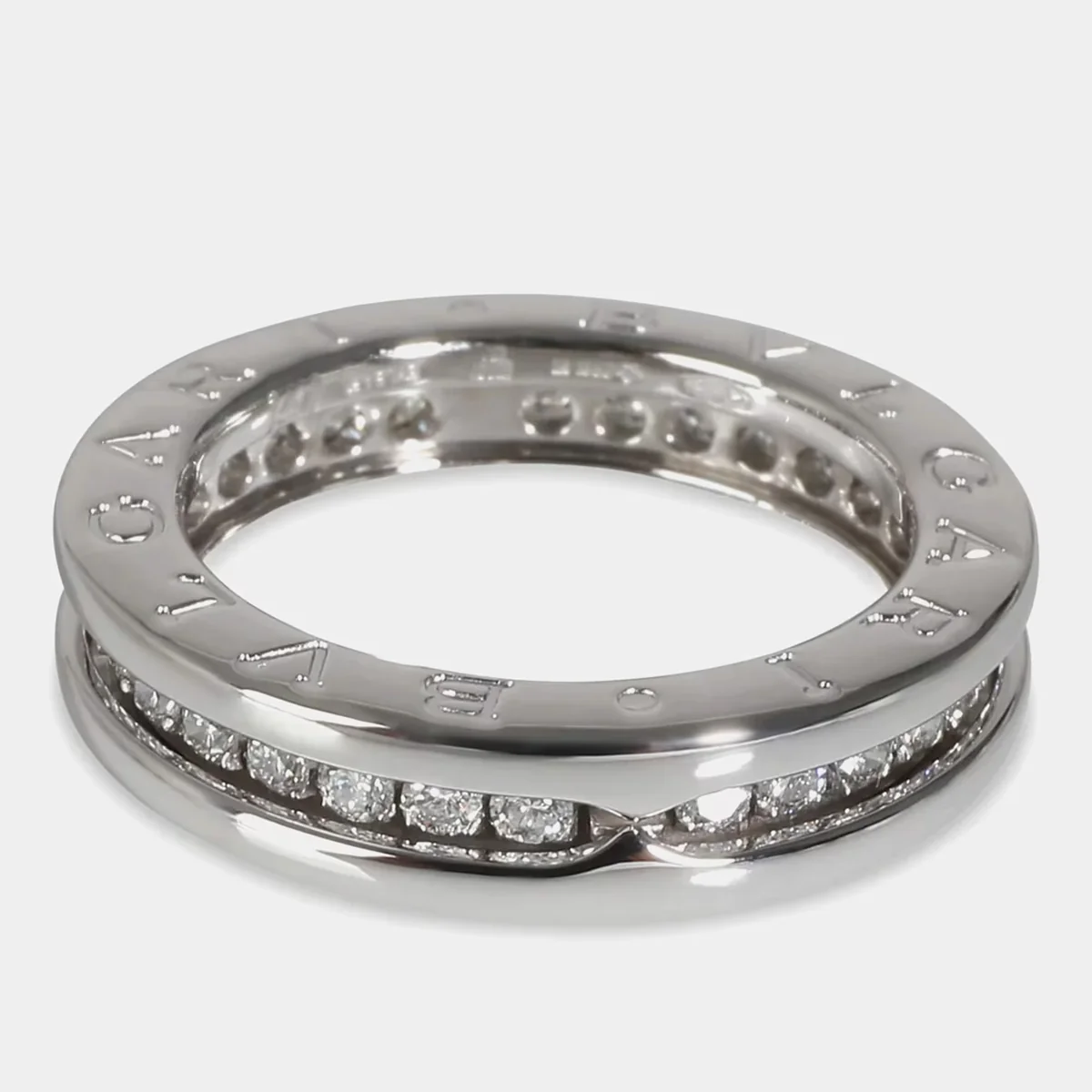
Fine jewelry and watches are graded more on mechanical function and metal condition than surface wear, since polishing can often restore shine that fabric or leather can’t recover. A “Good” condition watch might run perfectly but show scratches on the case back — cosmetic, not functional, wear.
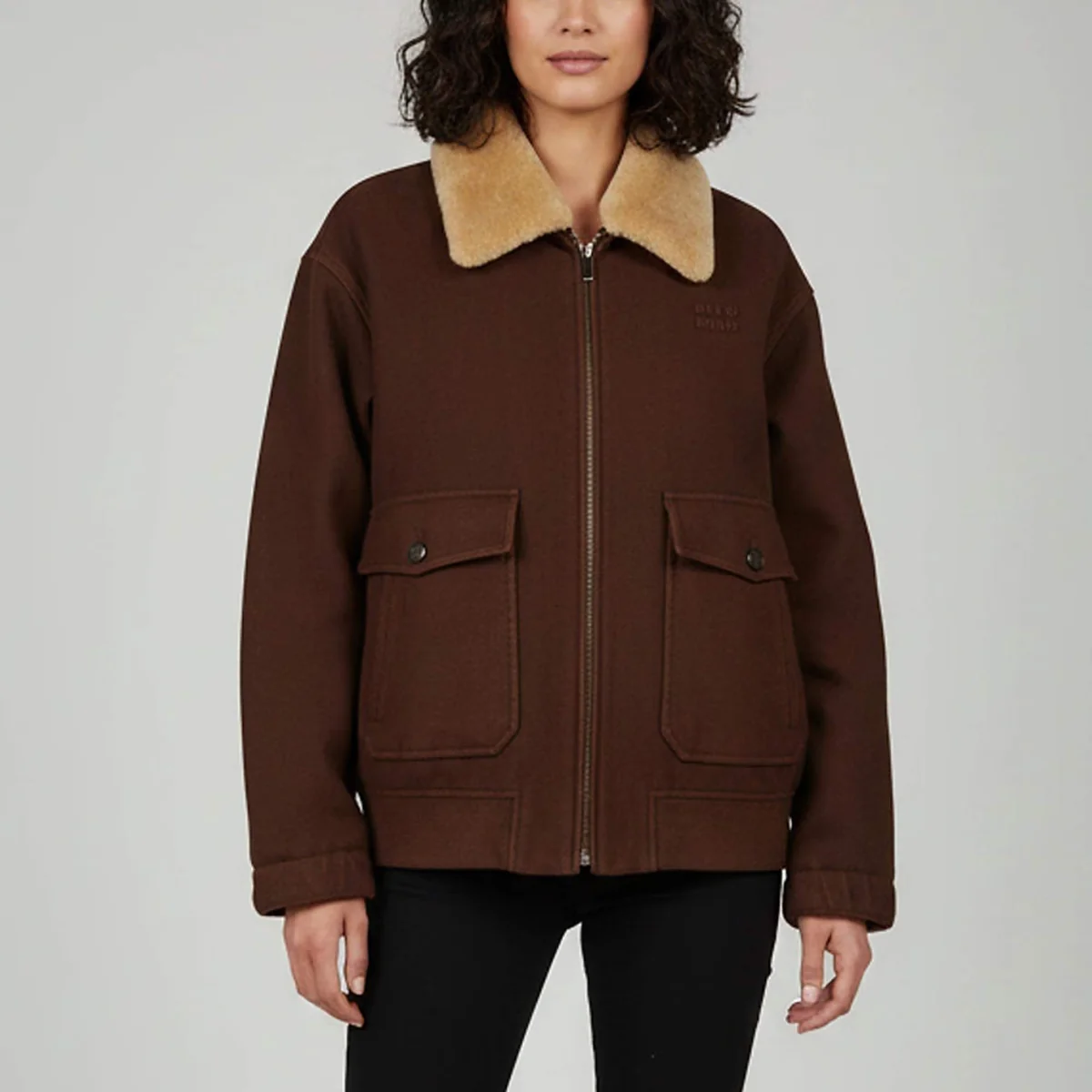
Ready-to-wear (dresses, jackets) depends heavily on fabric type. A wool coat graded “Like New” can look flawless after one dry clean, while a silk piece in the same grade might carry permanent, faint discoloration that dry cleaning can’t touch.
This is precisely why serious buyers should read condition notes alongside material descriptions, not in isolation. The same word means different things on different surfaces.
Pros and Cons#
Advantages of a clear condition grading system:
- Gives buyers a realistic price-to-value comparison before purchase
- Protects sellers from disputes by setting expectations upfront
- Allows lower-tier grades (Good, Fair) to remain accessible entry points into luxury ownership
- Enables collectors to specifically target “Pristine” or “NWT” pieces for investment purposes
- Speeds up transactions since both parties operate from shared vocabulary
Disadvantages and real limitations:
- Grading isn’t standardized industry-wide — “Excellent” on one platform might read as “Very Good” on another
- Photos can mask condition issues, especially interior wear or odor, which no grading label fully captures
- Subjectivity remains: two inspectors can grade the identical item differently
- Some sellers inflate condition grades to justify higher asking prices
- Grading rarely accounts for scent, which matters significantly for fabric and leather goods
Who Should Buy#
Buyers chasing investment-grade pieces — rare Hermès bags, discontinued Chanel styles, vintage Cartier jewelry — should stay in the Pristine to NWT range, since resale value retention correlates directly with original condition. Anyone reselling later will get the strongest return here.
Buyers who want the luxury experience at a meaningfully lower cost, and don’t mind a bag that’s clearly been loved, are well served by Excellent or Like New. This is where the best value-to-price ratio typically lives, since the price drop from Pristine is often steep while the visible difference is minor.
Buyers on a tighter budget who prioritize owning the item over preserving resale value can comfortably shop Good or Gently Used, particularly for daily-use pieces like totes or classic watches where a bit of patina is expected and even desirable.
Sellers, meanwhile, should grade honestly rather than optimistically. An inflated grade generates faster clicks but more returns, disputes, and negative reviews — a worse outcome for long-term reputation than an accurate, slightly lower grade.
Alternatives#
If condition grading uncertainty makes you hesitant about resale altogether, there are adjacent paths worth considering. Certified pre-owned programs run directly by brands (Cartier’s Certified Pre-Owned, for instance) offer more standardized inspection processes, though usually at higher prices than third-party resale platforms. Consignment boutiques with in-house authentication teams tend to apply more consistent grading than peer-to-peer marketplaces, since their inspectors follow internal criteria rather than seller self-assessment.
For buyers who want zero condition ambiguity, buying new remains the only guarantee, though it eliminates the price advantage that makes resale appealing in the first place. The middle ground — platforms that combine professional authentication with clear, photographed condition reports — tends to offer the best balance of trust and value.
FAQ#
What does “gently used” mean in luxury resale? It describes an item with visible but minor signs of regular wear — think light creasing, faint scuffing, or slight color change from handling — while remaining fully functional and structurally sound. It sits below “Like New” but above “Fair” on most grading scales.
What’s the difference between Excellent and Pristine condition? Pristine means little to no visible wear, often from an item used once or never used at all. Excellent allows for minimal, well-maintained wear — the item has clearly been used, just carefully.
What is “Like New” condition in secondhand [[[[luxury handbags](/celine-luggage-tote-history-sizes-guide/)](/top-designer-straw-bags-for-summer/)](/exotic-skins-luxury-handbags-guide/)](/kelly-vs-birkin-hermes-bags-compared/)? It means the bag shows only faint signs of use, often not visible in standard photos, such as barely perceptible corner softening or a light shine on hardware. It’s a step below Pristine but still visually close to new.
How does condition affect resale value of luxury items? Condition is one of the strongest price determinants after brand and rarity. A drop from Pristine to Good can reduce resale price by 20-40% depending on the category, since buyers pay a premium for items that feel new.
What’s the difference between New Without Tags and New With Tags? New With Tags means the item is unworn with original tags and packaging fully intact, typically commanding the highest price. New Without Tags means it’s equally unworn, but tags have been removed or original packaging is incomplete, usually priced slightly lower despite identical physical condition.
Final Thoughts#
Condition grading in luxury resale isn’t a perfect science, but it’s the closest thing the industry has to a shared language between buyers and sellers who’ve never met and can’t physically inspect the item together. Understanding what each tier actually represents — not just the flattering adjective attached to it — is the single most useful skill for shopping resale confidently. Before trusting any grade, look past the label: check the photos closely, read the full condition notes, and when possible, buy from platforms that pair grading with professional authentication. That combination, more than the word itself, is what actually protects your money.
Related Articles#
- Lab-Grown vs Real Diamonds: Which Should You Buy?
- Chanel Classic Flap Bag: A Smart Luxury Investment
- Sell Your Hermès Bag Fast | The Luxury Closet Guide


Keyword index